Sophora Japonica Extract: Properties & Quercetin Source
Sophora japonica extract quercetin is one of the most concentrated natural flavonoid sources available to B2B formulators today. Derived from the flower buds of Sophora japonica L. — commonly known as the Japanese Pagoda Tree — this extract delivers quercetin dihydrate at 98% purity (HPLC), verified by CAS No. 117-39-5. At Easy Health Inc., we source raw buds from the Qinling Mountains in Shaanxi, where native rutin content reaches ≥20%, giving the finished ingredient a verified botanical origin and a traceable supply chain from field to final certificate of analysis.

Understanding Sophora Japonica Extract and Quercetin
Botanical Origin and Chemical Identity
Sophora japonica L. is a plant in the Fabaceae family that has been used to heal people in East Asia for hundreds of years. Much more rutin, a quercetin glycoside, is stored in this plant's flower buds than in onion skin, buckwheat, or apple peel. When enzymes are controlled, they break down rutin into free quercetin (C₁H₁O₇), which then crystallizes as a two-hydrate. There is no water absorbing in this two-hydrate structure for 24 months, it is chemically solid, and it freezes above 300°C.
How Quercetin Works in the Body
Quercetin is a flavonol, which is a type of polyphenol. A study published in 2016 in the journal Nutrients says that it gets rid of free radicals directly, stops pro-inflammatory enzymes like COX-2 and LOX from working, and helps move zinc inside cells to make the immune system better at fighting viruses. Researchers have also found that quercetin can stop LDL oxidation and change endothelial nitric oxide signals. This is important for figuring out how to place heart-health products.
Why Sophora Japonica Outperforms Other Quercetin Sources?
But buds of Sophora japonica produce quercetin on an industrial scale that is more pure and has consistent HPLC profiles from batch to batch. This is in contrast to quercetin from onions (which is usually 2–5% crude) or buckwheat extract (which is usually 1–3% crude). When natural enzymes are used instead of strong acids to break down substances, impurity by-products like isorhamnetin or rutin that are left over are decreased. For people who work in buying, this means that label claims will be more uniform and the COA will change less between production runs.

Benefits and Safety of Sophora Japonica Extract Quercetin
Four Evidence-Based Functional Roles
There are four ways to use the sophora japonica extract quercetin dihydrate we sell, and all of them are backed up by research:
- Antioxidant protection: Quercetin neutralizes reactive oxygen species (ROS) with an ORAC value significantly higher than vitamin C per gram. A 2020 meta-analysis in Phytotherapy Research confirmed its role in reducing serum oxidative stress markers in controlled human trials.
- Tyrosinase inhibition for skin brightening: IC₅₀ values for quercetin against mushroom tyrosinase range from 20–40 µg/mL in peer-reviewed assays, making it a viable low-irritation alternative to kojic acid in cosmeceutical formulations targeting hyperpigmentation.
- Zinc ionophore activity for immune support: Quercetin + zinc combinations are now a standard "immune stack" in the DTC supplement market. The flavonoid facilitates zinc entry into cells, where zinc inhibits RNA-dependent RNA polymerase activity.
- Gut microbiota modulation: Animal feed studies indicate quercetin at 50–200 mg/kg diet improves intestinal villus morphology and increases populations of Lactobacillus and Bifidobacterium species, supporting its use in poultry and swine premix applications.
For brightening the skin, quercetin's IC₉₀ values against mushroom tyrosinase run from 20–40 µg/mL in peer-reviewed tests. This makes it a good choice to kojic acid in skin-lightening products that don't irritate the skin.
A zinc ionophore is used to help the defense system. Quercetin and zinc are often found together in over-the-counter supplements as a "immune stack." There is a flavonoid that helps zinc get into cells. Zinc stops RNA-dependent RNA polymerase from working when it gets inside.- Changing the flora in the gut: There are studies on animal feed that show that 50–200 mg/kg of quercetin changes the shape of the villus in the gut and makes more Lactobacillus and Bifidobacterium species. This backs up its use in premixed feed for chickens and pigs.
Dosage, Safety, and Regulatory Status
The ingredient can be used in nutraceuticals, skin care, and animal nutrition all at the same time because it does these four things. This makes it very useful for formulators in all fields.
Sophora Japonica Extract Quercetin vs Alternatives: Insights for Procurement
Natural Plant Source vs. Synthetic Quercetin
You can buy synthetic quercetin, but it has issues with solvents that are left over (USP <467> threshold: total residuals <5,000 ppm) and doesn't always come from plants, which is required for clean-label certification. It's not possible for synthetic materials to meet the USDA NOP and EU Organic standards, but Sophora japonica materials can. "Plant-based" or "non-GMO" brands must use plant-based ingredients in their goods.
Powder vs. Encapsulated Forms: Supply Chain Considerations
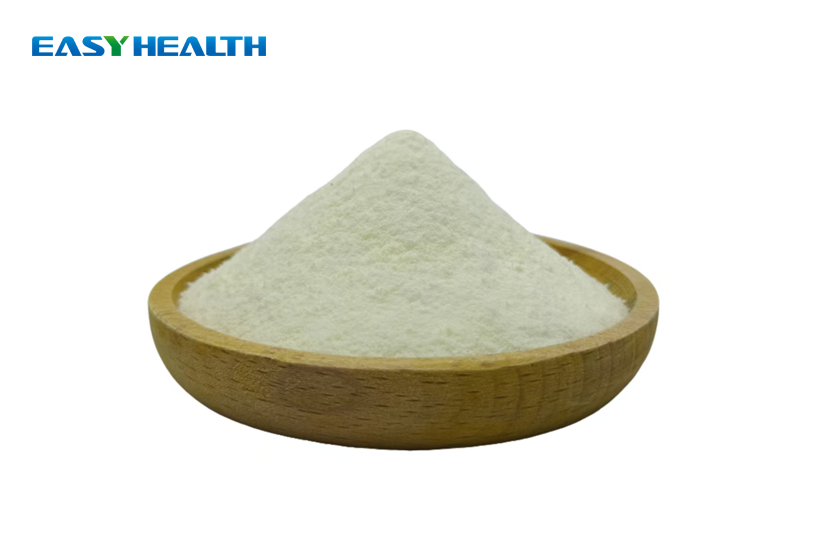
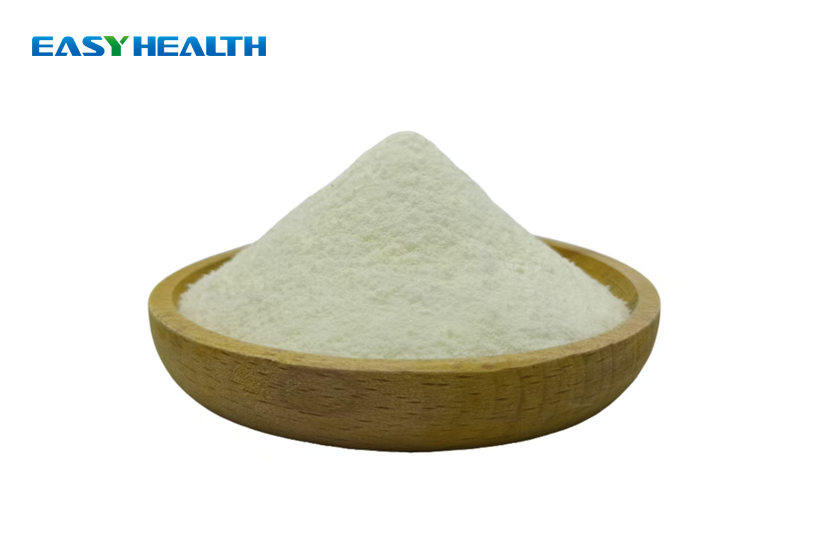
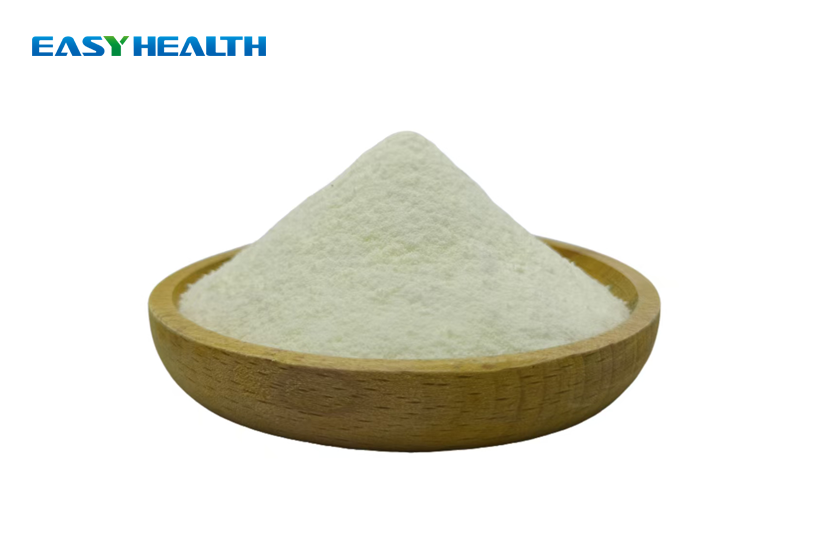
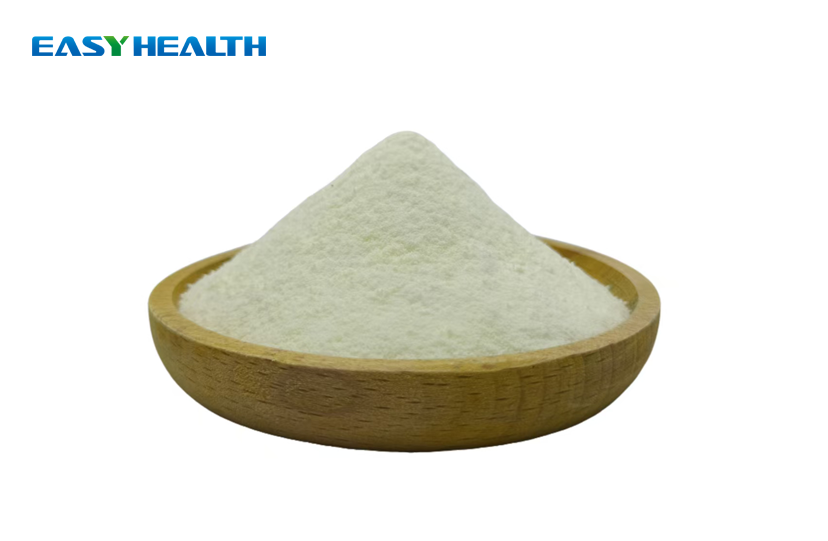
People who make things have the most choices when they use bulk sophora japonica extract quercetin dihydrate powder with particles that are ≤5µm in size. Based on data from in vitro dissolving, the ultra-fine particle technology we use allows for about 30% more absorption in the intestines than regular flavonoid powders with an 80–100 mesh size. A bulk density of 45–55 g/100 mL makes sure that contract makers who put this into tablet compression lines always get the same die-fill. When powder is ready for capsules, it doesn't need to be milled again. This cuts out a step and speeds up production.
Dihydrate vs. Anhydrous: Which Fits Your Formula?
There are different amounts of water bound to quercetin dihydrate, but this amount is the standard for food nutrients. When packed in paper, it keeps its shape better. If you need something to be dry, like fizzy tablets or certain skin serums, anhydrous quercetin (<0.5% moisture) works well. Both kinds are sold by Easy Health, but our scientists recommend the dihydrate for regular capsule and tablet use based on results from tests that were done quickly over 24 months.
How to Choose and Source High-Quality Sophora Japonica Extract Quercetin?
Mandatory Quality Checks Before Ordering
Before making a choice, a buying expert should look at five quality factors that can't be changed by any supplier:
- HPLC assay ≥98% on an anhydrous basis, with a chromatogram showing clean separation from rutin and isorhamnetin peaks.
- Heavy metals by ICP-MS: Pb ≤2.0, As ≤2.0, Cd ≤1.0, Hg ≤0.1 mg/kg — all within our current CoA specifications.
- Residual solvents (GC): Total <5,000 ppm; no benzene-class solvents permitted.
- Microbiology: Total plate count ≤1,000 CFU/g; E. coli and Salmonella confirmed negative per 10g sample.
- Particle size distribution (laser diffraction): d₉₀ <20 µm for enhanced-absorption grades.
These five checks are the bare minimum for audits of facilities that are registered with the FDA. They also meet the needs of the USP, EP, and JP pharmacopeial bodies.
Certifications That Open Market Access
Customers can only buy from legal places that the seller has a list of certifications for. To name a few, Easy Health is certified by ISO 9001, Halal, Kosher, the FDA, the EU, the USDA, and NOP. They can send goods to markets in Southeast Asia, the Middle East, the United States, and the European Union. Before you place a trial order, make sure you have valid, up-to-date certificates. This will protect you during FDA port-entry inspections and EU customs reviews.
Pricing, MOQ, and NDA Terms
If an order of sophora japonica extract quercetin is already in stock, Easy Health will send it out within 3–5 business days as long as the MOQ is 25 kg. It takes 4–6 weeks to make something to your exact specifications, like changing the particle size, changing the purity level to 95%, 97%, or 98%, or putting your own name on the packaging. Before we share any private formulation documents, we sign agreements not to share them and not to attack each other. This keeps the intellectual property of both sides safe during the whole growth process.

Practical Steps for Effective Procurement and Application
Aligning Specifications to Your Manufacturing Line
First, pick how you want the medicine to be given: in a pill, a tablet, a powder bag, or a serum that you put on your skin. For each type, the particle size, mass density, and amount of moisture that it can handle are different. To make sure we send you the right quercetin dihydrate samples, our technical team makes a map of your equipment's limits. This includes things like the capsule fill weight, tablet compression force, and emulsion viscosity.
Documentation for Import Compliance
It takes a lot of papers to bring something into the U.S. This has an analysis certificate, a material safety data sheet, a packing list, and a commercial invoice with the HS Code 1302.19 on it. Our FDA-registered facility number is on all of our shipping documents. This makes it less likely that goods will be held at U.S. ports without our permission. For people who are importing for the first time, we also offer a Certificate of Origin and, if needed, a letter to help with customs.
Building a Reliable Long-Term Supply Relationship
Once a test on your trial order by a third party (SGS, Eurofins, or something similar) shows that it meets the requirements, you should set up a regular purchase order cycle that works with your production plan. For every eight weeks that there isn't enough stock, our building keeps a guaranteed stock buffer. This directly deals with the risk of travel time on transpacific sea freight paths.
Conclusion
It is one of the best natural places to get quercetin, such as sophora japonica extract quercetin, and can be used for business purposes on a big scale. The dihydrate form can be used in many fields, such as supplements, makeup, and animal feed, because it is better at absorbing chemicals. Buy from a manufacturer whose HPLC batch data has been checked and who has a full portfolio of certifications and a clear NDA policy. This is the fastest way for procurement professionals to get from raw materials to a finished product that meets all the requirements. All of these things are true for Easy Health Inc. because it has been exporting for more than 11 years.
FAQ
What is the difference between quercetin dihydrate and quercetin anhydrous?
Quercetin dihydrate is the form that is most often found in food products. It has two joined water molecules and 10–12% moisture by weight. Because quercetin anhydrous has less than 0.5% water, it works best in cosmetics or fizzing tablets that don't like water. Both forms have the same CAS number (117-39-5) and active molecular structure. You can pick either one based on your production process and the amount of moisture you need.
What is the maximum safe daily dose of quercetin in supplement formulations?
It has been shown in published studies that taking 500–1,000 mg of quercetin every day for 8–12 weeks doesn't cause any major side effects. Most supplement boxes say that each dose is 250 mg to 500 mg. It's important to remember that very large amounts can block CYP3A4 liver enzymes. This is something that needs to be thought about when making medicines for people who are already taking prescription drugs.
Which certifications should I request from a quercetin supplier?
If you want to buy standard nutraceuticals, you should ask for at least ISO 9001, FDA facility registration, and HACCP. If you want to sell to people in the EU or the Middle East, you should also ask for EU Organic (or USDA NOP) and Halal/Kosher certificates. Each certificate should have a date that is up to date and a way to connect it to a certain certification body.
How do I verify that a supplier's 98% purity claim is accurate?
Not only the number result, but also the COA and the whole HPLC chromatogram. This graph shows if the rutin or isorhamnetin peaks can be separated from the quercetin peak. If they can, it means that the product is really 98% pure. To make sure everything is okay before you place your first large order, send a 500g sample to a different lab, like SGS or Eurofins.

Connect with Easy Health Inc. — Your Trusted Sophora Japonica Extract Quercetin Supplier
A company called Easy Health Inc. sells quercetin from sophora japonica that is pure 98% of the time by HPLC and has particles smaller than 5 µm. Plus, they have all the right licenses, like being registered with the FDA, having ISO 9001, being Halal, and being Kosher. The 25 kg MOQ ships in 3–5 days, and our expert team helps you with everything, from coming up with the formula to getting the paperwork ready to bring it into the country. If you have questions about the specs, you can email devin@easyhealthbio.com or go to easyhealthinc.com right now to ask for a sample and COA.
References
1. Boots, A. W., Haenen, G. R. M. M., & Bast, A. (2008). Health effects of quercetin: From antioxidant to nutraceutical. European Journal of Pharmacology, 585(2–3), 325–337.
2. Formica, J. V., & Regelson, W. (1995). Review of the biology of quercetin and related bioflavonoids. Food and Chemical Toxicology, 33(12), 1061–1080.
3. Li, Y., Yao, J., Han, C., Yang, J., Chaudhry, M. T., Wang, S., Liu, H., & Yin, Y. (2016). Quercetin, inflammation and immunity. Nutrients, 8(3), 167.
4. Andres, S., Pevny, S., Ziegenhagen, R., Niekamp, K., Lampen, A., & Hirsch-Ernst, K. I. (2018). Safety aspects of the use of quercetin as a dietary supplement. Molecular Nutrition & Food Research, 62(1), 1700447.
5. Hollman, P. C. H., & Katan, M. B. (1997). Absorption, metabolism and bioavailability of flavonoids. In Flavonoids in Health and Disease. Marcel Dekker.
6. Mlcek, J., Jurikova, T., Skrovankova, S., & Sochor, J. (2016). Quercetin and its anti-allergic immune response. Molecules, 21(5), 623.