How micro-encapsulated algae oil DHA powder is used in foods?
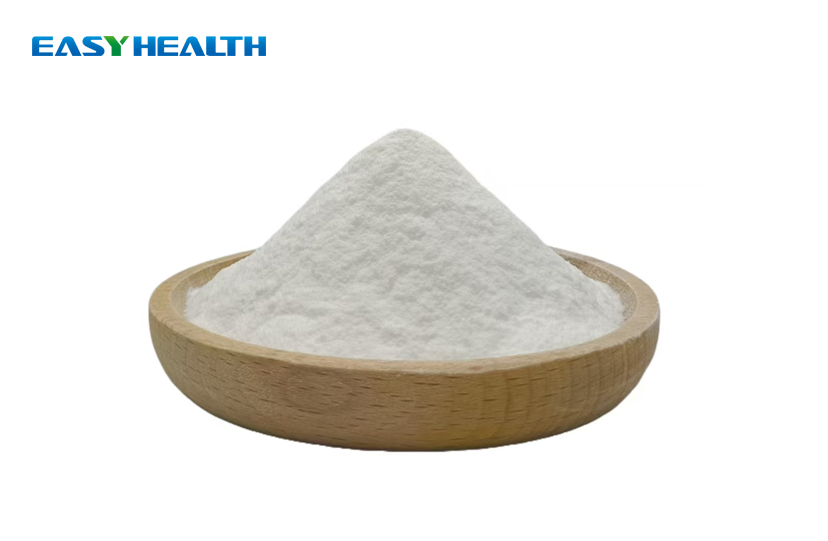
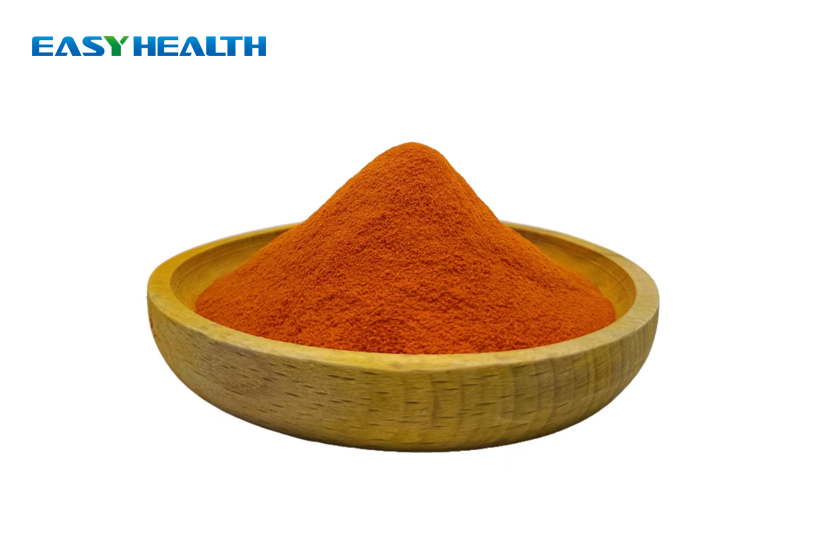
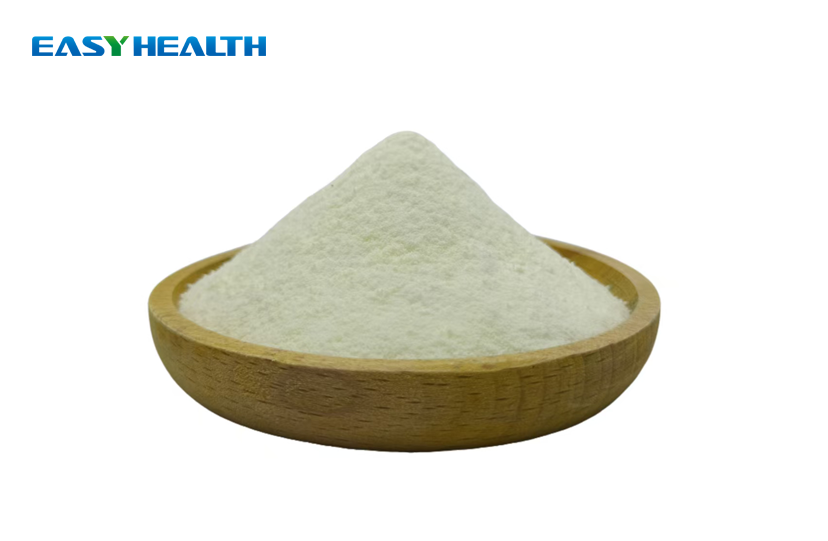
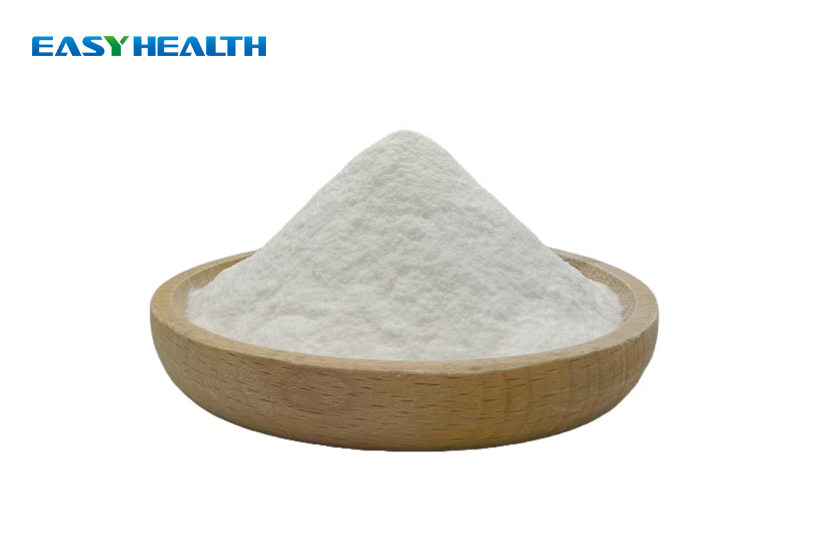
Microencapsulated DHA Algal Oil Powder has transformed how food manufacturers incorporate essential omega-3 fatty acids into their products. By converting liquid algal oil derived from Schizochytrium sp. into a stable, free-flowing powder through advanced spray-drying technology, this ingredient solves critical formulation challenges—eliminating fishy odors, preventing oxidation, and enabling seamless integration into dry-blended foods. From infant formula to functional beverages, the encapsulation process protects docosahexaenoic acid (DHA) within a protective carbohydrate or protein matrix, ensuring nutritional integrity throughout manufacturing, distribution, and storage while meeting the stringent quality standards demanded by global food safety regulations.
What Is Microencapsulated DHA Algal Oil Powder and Why Is It Important in Food Applications?
Understanding this ingredient's basic properties helps procurement teams see how valuable it is in a range of production settings.
The Science Behind Microencapsulation Technology
Microencapsulation is the process in which small droplets of DHA-rich algal oil are encapsulated by protective wall materials such as modified starch, glucose syrup, or sodium caseinate. These particles are generally 150 to 400 micrometers in diameter. However, in the absence of the protective shell, stresses in the environment such as oxygen, light, heat, and moisture would rapidly degrade the fragile polyunsaturated fatty acids. Research shows that when DHA is encapsulated correctly, it may be up to 150% more resistant to oxidation than liquid oils. This implies it can be kept at room temperature for a considerably longer period. The biggest concern with typical omega-3 constituents is that they might grow rancid during manufacturing and storage. This new technology solves that issue.
Why Algal Sources Matter for Modern Food Manufacturing
Algal DHA provides a variety of buying advantages over fish oil derivatives that suit current market trends. Schizochytrium microalgae are cultivated in controlled fermentation conditions and hence are not exposed to ocean-based PCBs, dioxins, and heavy metals. High-quality algal powders always have arsenic levels below 1.0 mg/kg, cadmium levels below 1.0 mg/kg, mercury levels below 0.1 mg/kg, and lead levels below 2.0 mg/kg; therefore, they fulfil the most stringent criteria for newborn feeding. It is vegan-friendly and allergy-free, making it ideal for firms looking to target plant-based clients, those with shellfish allergies, and those seeking clean label certifications. The ecologically conscious growing process also means the firm is able to meet its environmental aims without sacrificing nutritional content.
Critical Quality Parameters That Define Food-Grade Standards
Procurement professionals examining diverse sources that ensure that the items may be manufactured together have to check that they fulfill specific technical standards. The triglyceride form of DHA should be at a standard level of 10% or more, with the variation between different batches not exceeding ±1%. Probably the most essential indicator of quality is the quantity of oil on the surface. Premium grades remain below 1.0%, which prevents early oxidation and enables the powder to flow easily without sticking or caking. Peroxide levels should be maintained below 2.5 mmol/kg to ensure freshness. Moisture levels should be kept below 5.0% to inhibit microbial growth. Microbiological testing should indicate the absence of Salmonella and E. coli. Total plate counts below 1000 cfu/g and yeast/mold counts below 50 cfu/g. These characteristics directly influence the safety of the product and the efficiency of processing.
How Is Microencapsulated DHA Algal Oil Powder Produced, and What Makes It Suitable for Food Industry Use?
The way the ingredient is made affects how well it works in complex food mixtures and how well it can handle being processed in factories.
From Algae Cultivation to Finished Powder
The initial phase of manufacture is the fermentation of Schizochytrium sp. In tightly regulated bioreactors, the microalgae accumulate Microencapsulated DHA Algal Oil Powder rich in DHA inside their cells. The gathered algae are processed to extract the oil using solvent-free or mechanical pressing processes. The oil is then cleaned up and concentrated by molecular distillation. After the oil is refined, it is combined with wall materials and pumped into spray dryers at the proper temperature and pressure. The heated air swiftly evaporates the water, leaving a fine film of powder. The solid shell still contains the oil core. When wrapping, contemporary companies utilize nitrogen cleaning to provide further protection against oxidative damage during storage and transport.
Quality Assurance Systems for Food Safety Compliance
Good suppliers have complete quality control procedures in accordance with world standards. ISO 22000 accreditation is evidence that you have systematic procedures in place to ensure food safety across the supply chain. HACCP techniques, in contrast, identify and minimize biological, chemical, and physical hazards at critical control points. FDA registration and GRAS (Generally Recognized As Safe) status are assurances to North American markets. In contrast, Halal and Kosher certifications make the goods more beneficial for consumers who follow particular diets. Organic certifications like USDA NOP and EU Organic guarantee that the growing process is conducted under rigorous guidelines for chemical-free, long-term agriculture. Every manufacturing lot is rigorously tested using gas chromatography (GC) to quantify the quantity of DHA present in the lot, as well as comprehensive heavy metal screening and microbiological analysis. Suppliers are required to provide all necessary papers, such as the Certificate of Analysis (COA) and Material Safety Data Sheets (MSDS) for each shipment.
Thermal and Processing Stability Characteristics
One of the nicest things for food makers about this ingredient is that it does not break down under typical processing conditions. The microencapsulation matrix protects the DHA from thermal stress during food pasteurization, ultrahigh temperature (UHT) treatment, or baking at temperatures of up to 90°C. It’s sturdy and may be used in things that must be heated for safety reasons or to modify the form. The powder mixes well with hot and cold water, dissolving in 30 seconds without leaving sticky films or requiring extensive stirring. The ability to dissolve in cold water is very helpful in rapid beverage applications where consumers demand immediate dissolution. The particle size range (often 95% pass 40-mesh screens) enables equal distribution in finished items and prevents them from settling during storage.
Applications of Microencapsulated DHA Algal Oil Powder in Food Manufacturing
This ingredient can be used in a lot of different types of products, and each type benefits from its own special qualities.
Infant Formula and Early Childhood Nutrition
Due to government regulations and development incentives, baby formula manufacturers have the most B2B clientele. DHA is needed for brain and eye development throughout growth, according to national guidelines and formula licensing criteria. The powder form works well with dry-blending procedures to preserve milk powder consistency without specific mixing instruments. Because newborns' taste receptors are still sensitive, parents must be willing to accept non-fishy products. Maintaining DHA levels within ±1% between batches ensures compliance with nutritional labeling standards and timely regulatory filings. The powder's stability in typical storage circumstances extends the completed formula product life, reducing waste and returns for merchants.
Dietary Supplements and Nutraceuticals
Contract manufacturers and supplement companies utilize this substance in several ways. Powder's ability to move freely enables hard-shell capsules to connect together in tablets, generating stable matrices without much compression force in automated filling machines. Gummy vitamin makers enjoy that the substance works with gelatin and pectin. If you watch how much moisture you add, the texture won't change. Stick pack powders may be swallowed or blended with beverages for on-the-go nourishment. Encapsulation conceals marine overtones that may make the powder taste nasty. Brands targeting vegans and vegetarians like it since it's plant-based. "100% vegan omega-3" labels stand out in crowded supermarkets.
Functional Foods and Beverages
Companies are constantly developing new nutrient-rich meals as they realize consumers demand them. Protein shake manufacturers use the powder to generate brain-healthy blends for students, workers, and seniors. Dairy replacement companies add nutrients to plant-based milk powders to make them nutritionally equivalent to dairy while utilizing clean ingredients. Cereal and granola bar makers use the powder in baking mixes. DHA is stable during extrusion and baking because it is thermally stable. Ready-to-drink cocktails are difficult to produce since the ingredients must be combined and the stages must not separate. Special grades for acidic conditions may stabilize solutions in fruit juices and coffee. Sports nutrition firms provide DHA-enriched products for neurological support and healing, not only for muscle building.
Emerging Applications in Pet Food and Specialized Markets
DHA helps pups' and kittens' brains and vision, as well as adult animals' cognition, according to high-end pet food providers. The powder form enables precise dosing and uniform mixing during kibble manufacture, while the encapsulation prevents additives from spoiling during high-heat extrusion. Microencapsulated DHA Algal Oil Powder distinguishes high-end pet products for certain breeds or phases of life. This appeals to pet owners who prefer sustainable, ocean-friendly solutions. Cosmetic formulators are investigating DHA's anti-aging potential; however, this usage is novel compared to food. Neurohealth and infant feeding medicinal foods are being studied by pharmaceutical companies. High-quality algal powders satisfy pharmaceutical purity criteria.
Comparing Microencapsulated DHA Algal Oil Powder with Other DHA Sources
Knowing about other options in the market helps procurement teams make smart choices about where to buy things based on the needs of the product and how the company wants to place itself in the market.
Advantages Over Liquid DHA Oils
Fish and algae liquid oils are difficult to deal with and stabilize. These issues are solved by microencapsulated powders. Liquid forms must be refrigerated, making logistics more costly and complicated. It is viscous, making it difficult to administer precisely during manufacturing, particularly in high-speed situations where precision is crucial for obeying standards and lowering costs. Because liquid oils don't mix well with dry-mix formulas, you require specific emulsification instruments and sometimes get uneven distribution. Powders last longer than liquids—24 months at room temperature vs 12 months for cold-sensitive liquids—making them simpler to manage and reducing waste. Powder forms make cleaning processing equipment simpler, reducing cross-contamination in multi-product plants.
Distinctions from Fish Oil-Based Powders
Both algal and fish oil powders are microencapsulated, although their purposes are distinct. In addition to DHA, fish oil naturally contains EPA. DHA is sufficient for brain-focused goods for newborns and youngsters, while EPA may benefit heart health. Sustainable algae sources appeal to brands concerned about overfishing and marine environments. When targeting sensitive populations, consider allergies. In certain countries, fish oil products require allergy labeling, limiting their sales. However, algal sources don't induce allergies. Different contamination dangers exist. Starting materials generated in controlled fermentation settings are cleaner than ocean oils, which may need further cleanup. Legal situations vary, and some retailers favor vegetarian baby food.
Cost-Benefit Analysis Against Non-Encapsulated Options
Cheaper, non-encapsulated DHA capsules are typically a waste of money. These powders oxidize fast without protection, and peroxide levels grow significantly within weeks of making. Rancid odors and tastes render final items unsellable, resulting in consumer complaints, returns, and brand damage that cost more than ingredient savings. Non-encapsulated formats have a shorter shelf life; thus, more inventory must be handed over, and more materials may go bad, which might delay production when replacements arrive. Well-encapsulated DHA is more accessible because it is shielded from stomach digestion until it reaches the gut's optimal absorption sites. This implies that lower doses may offer the same nutritional advantages, somewhat offsetting the ingredient's greater cost. Quality brands that cater to choosy clients always use microencapsulated formats to maintain product integrity throughout the supply chain.
Procurement Guide: What B2B Buyers Need to Consider When Sourcing Microencapsulated DHA Algal Oil Powder
Strategic sourcing requires evaluating suppliers across multiple dimensions beyond simple price comparison.
Essential Supplier Qualifications and Certifications
Buying teams should create a broad list of supplier requirements. Food manufacturers must obtain food safety certificates for their markets. FDA registration is required for US sales, EU organic certification for EU sales, and GRAS affirmation for novel food ingredients. GMP compliance ensures manufacturing requirements are fulfilled, while HACCP certification demonstrates risk management is planned. Traceability systems should trace each batch from algae growth to powder production. Thus, quality issues may be resolved immediately. Suppliers should provide internal quality control data and third-party testing results from certified laboratories. Long-term business collaborations need transparency, so question potential partners about manufacturing capabilities, capacity constraints, and quality documents. Visit factories when possible to see how things are done vs. what is feasible.
Technical Specifications and Customization Options
Standard requirements are excellent, but customized formulas often perform better. High-potency DHA requires a lower dose but costs more, whereas 10% concentrations provide a suitable cost-to-use ratio for most purposes. To achieve the greatest results in specific matrices, speak to the technical teams about wall materials since they impact how effectively they mix, hide flavors, and work with other aspects of the formula. Direct-consumption items may be improved by changing particle size distribution to improve flow or mouthfeel. Some vendors offer grades that dissolve easier in cold water or have alternative release profiles that protect DHA throughout digestion before intestinal release. Organic clearance, non-GMO verification, and allergen-free documentation become increasingly relevant as clean-label demands expand. Clear technical requirements early in procurement prevent materials from not meeting output demands.
Logistics, Packaging, and Supply Chain Considerations
When sourcing from abroad, things become tricky, so prepare beforehand. To keep oxygen out, food-grade packaging employs multi-layer foil-lined bags pumped with nitrogen. To preserve them during transportation, these bags are enclosed in fiber drums or boxes. Solid oils need less temperature control than liquid oils, yet too much heat during container transit might compromise product quality. Lead times vary depending on whether suppliers supply standard grades or produce them to order. Shopping plans should match manufacturing schedules to prevent costly rush shipments. Different nations need health certifications, certificates of origin, and confirmation of import compliance. Minimum order quantities are normally 50–500 kg; however, if you know the supplier, they may allow you to start with lower trial volumes to develop your product. Even if your major suppliers are stable, backup suppliers safeguard your organization from supply interruptions.
Conclusion
Microencapsulated DHA Algal Oil Powder solves long-standing healthy food formulation issues with high-tech solutions. This ingredient stabilizes liquid oils into flexible powders using superior encapsulation technology. This allows producers to add omega-3 nutrition to goods like baby formula that pass tight regulatory criteria and new functional beverages for health-conscious customers. Quality-conscious firms should employ algal DHA powders since they last longer, don't taste fishy, are stable throughout processing, and are vegan. Strategic purchasing examines supplier credentials, technical needs, and supply chain procedures to ensure quality and compliance. Companies that partner with reliable microencapsulated algal DHA suppliers can remain ahead in fast-changing markets as more consumers desire plant-based, sustainable nourishment.
FAQ
1. Why is microencapsulation necessary for DHA in food applications?
Microencapsulation fixes three important issues: oxidative instability, off-flavors, and ingredients that don't work well together. When DHA is exposed to air, heat, and light without being protected, it quickly oxidizes, giving off bad smells and losing its nutritional value. The encapsulation matrix makes a solid barrier that keeps air from getting to the product, which greatly increases its shelf life. The protective layer also hides the taste of the sea, which is important for getting people to buy goods where taste is important. Lastly, turning liquid oil into powder makes it possible to add it to dry-blended foods and drinks, where liquid oils would separate or make processing harder.
2. Can microencapsulated algal DHA be used in infant formula safely?
Premium grades are made to meet the strict quality and safety standards needed for baby feeding. Pathogens like Salmonella and E. coli are not present, according to tests, and the amount of heavy metals is well below the limits set by the government for baby food. The DHA comes in a triglyceride form, which is similar to the structure found in breast milk and is more bioavailable than ethyl ester types. Nutritional labels are accurate when there is batch consistency and little variation. Concerns about fish allergens or marine contaminants are taken care of by the vegan and allergen-free profile, which makes it the first choice for modern baby formula makers around the world.
3. How does algal DHA compare to fish oil for environmental sustainability?
Commercial fishing has negative effects on ecosystems, but growing algae is done in controlled fermentation systems using resources that can be used again and again. This closed-system approach gets rid of bycatch, keeps wild stocks from being overfished, and doesn't make any plastic waste in the ocean. Compared to fishing boats and global seafood transportation networks, the production process produces less carbon dioxide. Algae grown in clean media don't have any PCBs, dioxins, or microplastics in them, unlike fish oil, which is made up of toxins that have built up in marine food chains. More and more, brands that care about the environment and ocean conservation list algal sources to make sure that their ingredient sourcing matches their sustainability goals.
Partner With Easy Health for Premium Microencapsulated DHA Algal Oil Powder Supply
Food companies and supplement brands in North America and Europe have been able to rely on Easy Health's more than 11 years of experience with plant extracts and microencapsulated nutrition products. As a reliable provider of Microencapsulated DHA Algal Oil Powder, we keep a list of certificates that includes ISO, HACCP, FDA registration, and organic credentials. This way, we can make sure that every batch meets the high standards of companies that make baby formula and high-end nutritional brands. Our technical team is here to help you with everything, from the first consultation on formulation to scalable production. We offer flexible OEM and ODM solutions that are made to fit the needs of your market. We get rid of the uncertainties in the supply chain that throw off production schedules by making sure that each batch is consistent, positioning ourselves competitively, and forming reliable delivery partnerships through well-established logistics networks. Get in touch with devin@easyhealthbio.com right away to get product specs, third-party testing paperwork, and prices that are specifically made for your application. Let us show you how our dedication to quality, openness, and customer satisfaction can help your product line with long-lasting, effective omega-3 ingredients.
References
1. Swanson D, Block R, Mousa SA. Omega-3 Fatty Acids EPA and DHA: Health Benefits Throughout Life. Advances in Nutrition. 2012;3(1):1-7.
2. Hadley KB, Ryan AS, Forsyth S, Gautier S, Salem N. The Essentiality of Arachidonic Acid and Docosahexaenoic Acid. Prostaglandins, Leukotrienes, and Essential Fatty Acids. 2016;116:165-172.
3. Jacobsen C, Let MB, Nielsen NS, Meyer AS. Antioxidant Strategies for Preventing Oxidative Flavor Deterioration of Foods Enriched with n-3 Polyunsaturated Lipids. Trends in Food Science and Technology. 2008;19(2):76-93.
4. Arterburn LM, Oken HA, Hall EB, Hamersley J, Kuratko CN, Hoffman JP. Algal-Oil Capsules and Cooked Salmon: Nutritionally Equivalent Sources of Docosahexaenoic Acid. Journal of the American Dietetic Association. 2008;108(7):1204-1209.
5. Desai KGH, Park HJ. Recent Developments in Microencapsulation of Food Ingredients. Drying Technology. 2005;23(7):1361-1394.
6. Koletzko B, Carlson SE, van Goudoever JB. Should Infant Formula Provide Both Omega-3 DHA and Omega-6 Arachidonic Acid? Annals of Nutrition and Metabolism. 2015;66(2-3):137-138.

_1784173402819.webp)