Is Microencapsulated DHA Better Than Liquid Algal Oil?
If you are sourcing DHA for infant formula, dietary supplements, or functional foods, you have likely asked this question. The short answer: for most dry-blend B2B applications, microencapsulated DHA algal oil powder holds a clear technical edge over liquid algal oil. Derived from Schizochytrium sp. microalgae and standardized at ≥10% DHA (as triglycerides), this free-flowing powder locks active DHA inside a protective wall matrix—extending shelf life by up to 150% and eliminating fishy odor. That combination of stability, sensory neutrality, and formulation flexibility makes it the preferred choice for manufacturers who cannot afford product recalls or consumer complaints.

Understanding Microencapsulated DHA Algal Oil Powder and Liquid Algal Oil
What Is Microencapsulated DHA Powder?
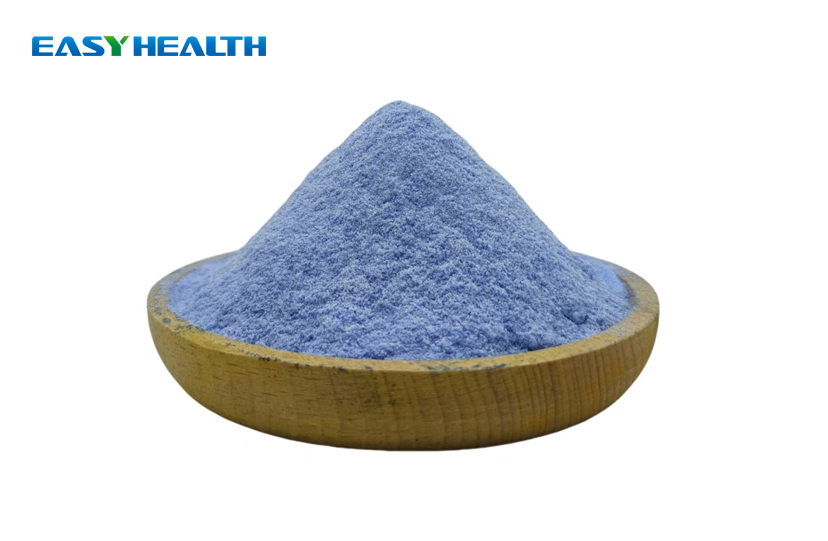
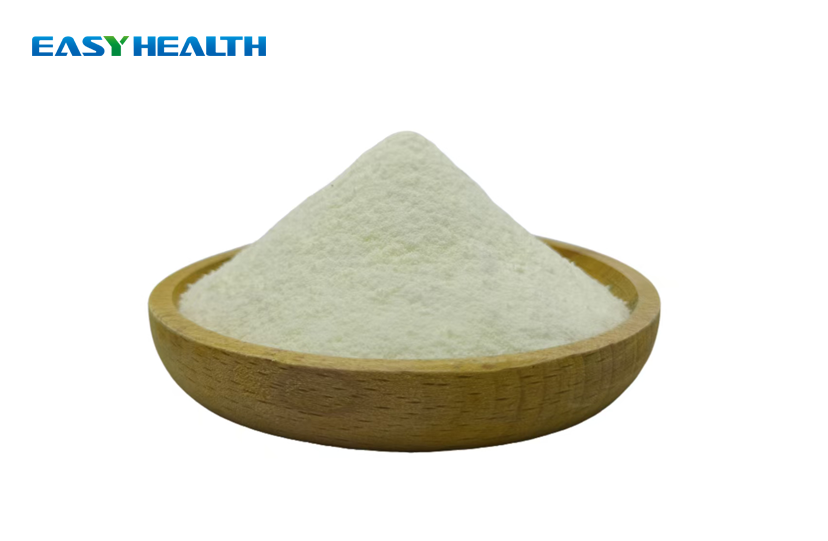
You can spray-dry them or use tough coacervation to make microencapsulated dha algal oil powder. You can get DHA oil from Schizochytrium algae in this powder. It has a wall made of modified starch, glucose syrup, or plant protein around it. There is about 5% water and 1% oil on the surface of the light yellow powder that doesn't stick together. This is the most important proof that the seal worked. The gas chromatography (GC) method sets the amount of DHA to be between 7% and 20%.
What Is Liquid Algal Oil?
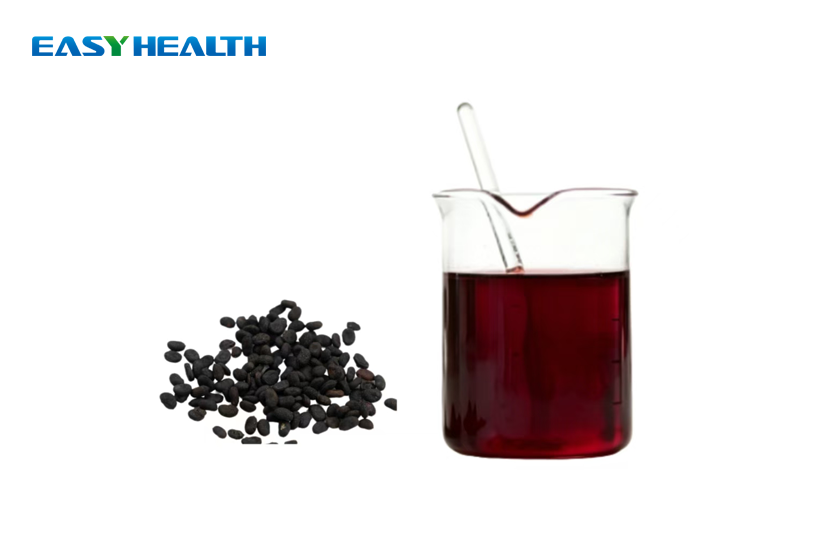
Liquid DHA algal oil is the oil that comes from microalgae and hasn't been changed or used in any other way. It's clear and amber, and it works well for industrial emulsions, soft-gel capsules, and drinks that are emulsified. Since there is no cover on the oil, air, light, or heat can easily poison it. The sour taste and fishy note you can pick out in this case are caused by oxidation, which occurs when DHA-rich oil is exposed to oxygen, light, or high temperatures. Proper packaging and storage can help slow this process and preserve the oil's quality, flavor, and nutritional value.
Oxidative Stability: A Direct Comparison
Long-chain polyunsaturated fatty acids (LCPUFAs) like DHA break down much faster when they are liquid and not sealed. This was found in a study that came out in Food Chemistry in 2020. The powder's peroxide value stays at ≤2.5 mmol/kg because the capsule wall keeps air out. This is not nearly as much as what you see when you leave spilled oil out in the open air. This means that batches sent by buying teams are turned down less often, and finished goods are sent back less often.

Advantages and Limitations: Microencapsulated DHA vs. Liquid Algal Oil
Core Advantages of the Powder Form
Microencapsulated DHA algal oil powder provides various practical benefits to B2B producers over liquid algal oil:
- Enhanced oxidative stability: When the powder is correctly made, packed and stored, the protective wall matrix helps minimise DHA exposure to oxygen and light, decreasing oxidation. Actual shelf-life improvements will depend on the formulation and storage circumstances.
- Less fishy taste and odour: Microencapsulation assists in masking the typical fishy taste and smell of DHA-rich oil, making the powder appropriate for applications where the sensory quality is an essential consideration.
- Dry-blend compatibility: Powder may be included into baby formula, nutritional supplement powders, protein blends, and cereal goods, eliminating the need for producers to handle liquid oil. Compatibility is a function of the product composition and processing circumstances.
- Easy handling and storage A free-flowing powder might be easier to weigh, mix and ship than liquid oil for dry-formulation applications. Its moisture sensitivity and storage needs should still be taken into account.
- Plant-based DHA sourcing: Because the DHA is sourced from microalgae instead of fish, this ingredient may enable formulations of plant-based products, depending on the encapsulant composition and any related labelling requirements.
Limitations and When Liquid Oil Wins
Microencapsulated DHA algal oil powder has benefits, however it is not an ideal solution for all applications. Liquid algal oil may be better ideal for softgel capsules, oil-based formulations and liquid emulsions where the ingredient may be added straight into the oil phase. It may also be preferred when producers want a greater concentration of DHA without the extra weight of encapsulating materials.
The powder formulations may include carrier materials to minimise the weight concentration of DHA. Their dispersibility, flowability and stability depend on the grade. Therefore, manufacturers should consider the comparison of DHA content, oxidation markers, process compatibility and overall formulation costs before adopting a certain format. Microencapsulated powder may facilitate handling and mixing for dry blend goods, while liquid algal oil may be a more easy alternative for oil-based solutions.
Application and Use Cases in B2B Procurement and Manufacturing
Infant Formula and Early Childhood Nutrition
Formulating baby food is one type of business that often buys encapsulated DHA powder. If you dry-blend, the element has to stay the same during mixing at high speed, clumping, and storing for a long time. A lot of strict rules govern how formula products can be registered by the main national food authorities. The powder has less than 2.5 mmol/kg of peroxide, tests for Salmonella and E. coli came back negative, and the DHA amounts are always within ±1% of one batch to the next.
Dietary Supplements and OEM Manufacturing
When hard-shell pills and tablets are pressed down, microencapsulated DHA powder stops oil from leaking. Also, vitamins and minerals can't mix with each other. Because they only have to check the labels once, OEM contract makers like the standard DHA range of 7% to 20%. This way, they can be sure every time without having to test each run again.
Functional Foods and Beverages
Fortified bars, protein shakes, and dairy drinks need a source of DHA that doesn't change the taste after 12 to 24 months. It's easy to sell and make this new kind of product because the powder doesn't taste bad and comes from algae, which is a clean label.
Comparative Analysis for Procurement Decisions
Cost, MOQ, and Supply Chain Logistics
Shipping liquid algae oil in barrels that have been washed with nitrogen and kept cold costs a little more. The powder is shipped and kept at room temperature in foil bags that are sealed, which makes it easier to move. Big dairy and nutrition companies depend on suppliers with a proven lead time of 15 days or less and a yearly production capacity of 50 MT or more to keep their production on schedule.
Supplier Credentials and Traceability
Buyers who mean business look for standards like GMP, HACCP, and ISO 22000. For each batch, they also want to see a Material Safety Data Sheet (MSDS) and a Certificate of Analysis (COA). They should also be able to keep track of their raw materials all the way from algae growing to powder that is ready to be used. This is what most big shops need to record things that are safe for babies.

Performance Metrics That Matter
You should think about more than just the price when you buy microencapsulated DHA algal oil powder. Make sure that each 25g sample is free of Salmonella and has a peroxide value of less than 2.5 mmol/kg, a surface oil value of less than 1%, an acid value of less than 1.0 mgKOH/g, lead levels of less than 2.0 mg/kg, arsenic levels of less than 1 mg/kg, and mercury levels of less than 0.1 mg/kg. These numbers are not just ideas; they are the very least that must be met to be safe for infants.
Technical Insights: Microencapsulation Technology and Quality Control
Encapsulant Selection and Particle Size
What is used to build a wall has a direct effect on how stable it is and how easy it is to break down. Changing the starch and glucose syrup systems makes particles that are 150–400 μm and flow very well. The coating is made so that it breaks down quickly in the stomach. In this way, the DHA is as easy to get as oil that you can drink.
Quality Control Framework
For each batch, we check for heavy metals like Pb, As, Cd, and Hg, yeast and mold with less than 50 cells/g, and a total plate count of 1,000 cells/g. The GC test proves that the DHA is effective. Teams that buy things can rely on this multi-level system to keep formula registration up to date and bring on new sources.
Emerging Trends in Encapsulation
Companies are moving toward products with up to 20% more DHA and two types of protection: antioxidants and security in the form of packaging. These changes will help cosmetics and functional pet food the most, since they need a different amount of DHA than food-grade standards.
Conclusion
The microencapsulated dha algal oil powder is better than the liquid algal oil for dry-matrix B2B uses like baby formula, dietary supplement powders, functional foods, and OEM production. It is more stable, tastes better, and is easier to mix. You can still use this kind of oil in soft-gel and slurry forms. The liquid form is sometimes better than the powder form, but for most producers, the powder form is safer, makes labeling easier, and meets the high quality standards set by food officials around the world.
FAQ
How does microencapsulation extend DHA powder shelf life?
The wall matrix blocks oxygen and light from reaching the DHA core, suppressing the oxidative chain reaction that causes rancidity. Properly encapsulated powder maintains a peroxide value ≤2.5 mmol/kg for 12–24 months under sealed, ambient storage conditions—significantly longer than unprotected liquid oil.
Can encapsulated DHA powder fully replace liquid algal oil in all applications?
In dry-blend and compressed formats, yes. For soft-gel fills or liquid emulsions where the oil is already enclosed, liquid algal oil remains suitable. Buyers should confirm the application matrix before switching to powder.
Does microencapsulation reduce DHA bioavailability?
No. The wall materials are digested by intestinal enzymes, releasing DHA for absorption at a rate comparable to liquid oil, according to studies published in Lipids in Health and Disease (2019).
What certifications should a DHA powder supplier hold?
At a minimum: GMP, HACCP, ISO 22000, plus the ability to provide COA and MSDS per batch. Halal, Kosher, and organic certifications are added value for specific market channels.
What is a typical minimum order quantity (MOQ)?
MOQ varies by supplier and specification, but most established manufacturers offer flexibility for sample evaluation before committing to bulk procurement. Contact suppliers directly to confirm current MOQ terms.
Partner with Easy Health for Certified DHA Algal Oil Powder
For more than 11 years, Easy Health has sent quality-checked goods to the food, supplement, and medicine businesses to help nutritionists all over the world. Our microencapsulated dha algal oil powder comes from a business that is ISO 22000, GMP, HACCP, Halal, and Kosher certified. Every batch can also be tracked back to its source. A lot of people have to wait 15 days. Get a sample or specs sheet right away by emailing devin@easyhealthbio.com or visiting easyhealthinc.com if you want to buy something.
References
1. Jacobsen, C. (2015). Oxidative stability and shelf life of microencapsulated fish and algal oils. Food Chemistry, 187, 24–31.
2. Kolanowski, W., & Laufenberg, G. (2006). Enrichment of food products with polyunsaturated fatty acids by fish oil addition. European Food Research and Technology, 222(3–4), 472–477.
3. Gupta, S., & Barrow, C. J. (2020). Microencapsulation of omega-3 fatty acids: A review of microencapsulation and characterization methods. Food Chemistry, 332, 127363.
4. Ryckebosch, E., Bruneel, C., Muylaert, K., & Foubert, I. (2012). Microalgae as an alternative source of omega-3 long chain polyunsaturated fatty acids. Lipid Technology, 24(6), 128–130.
5. Burdge, G. C., & Calder, P. C. (2005). Conversion of alpha-linolenic acid to longer-chain polyunsaturated fatty acids in human adults. Reproduction Nutrition Development, 45(5), 581–597.
6. Shahidi, F., & Ambigaipalan, P. (2018). Omega-3 polyunsaturated fatty acids and their health benefits. Annual Review of Food Science and Technology, 9, 345–381.