What Is Liposomal Reduced Glutathione Powder?
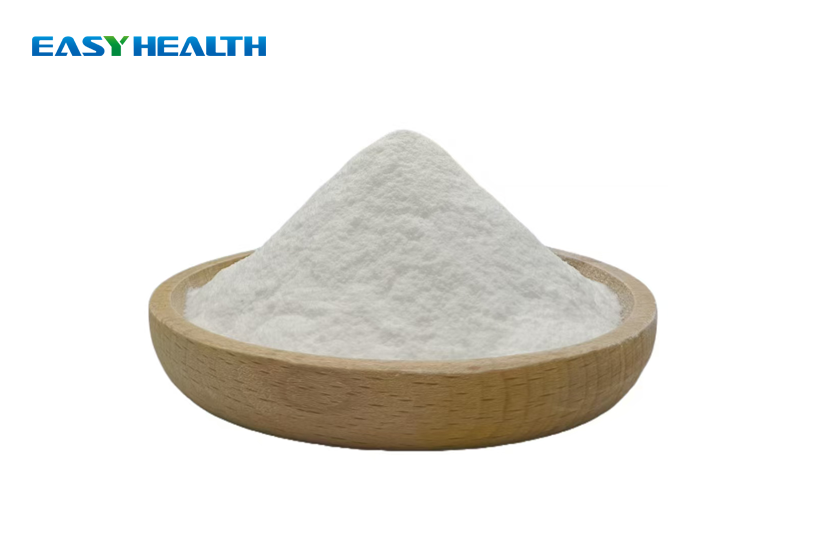
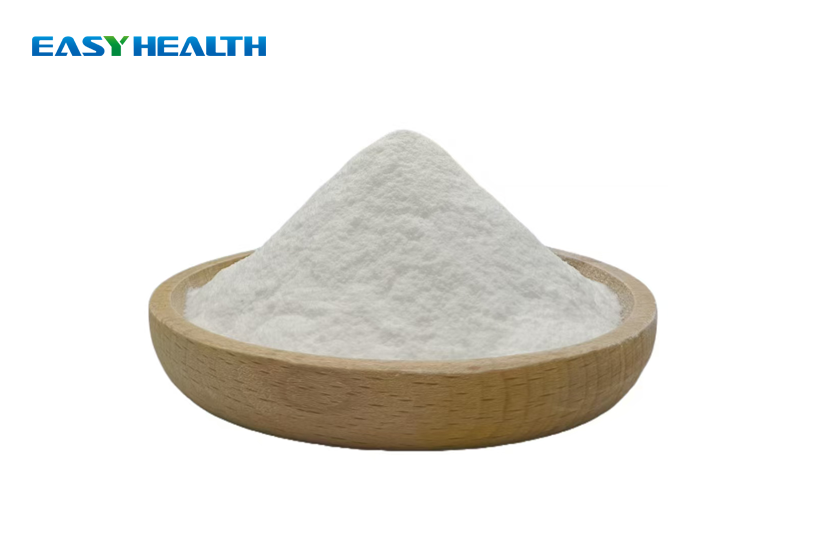
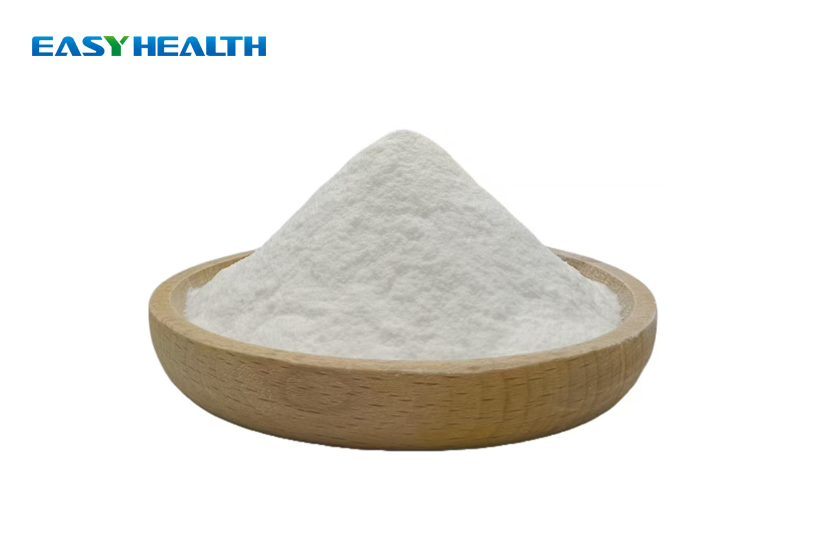
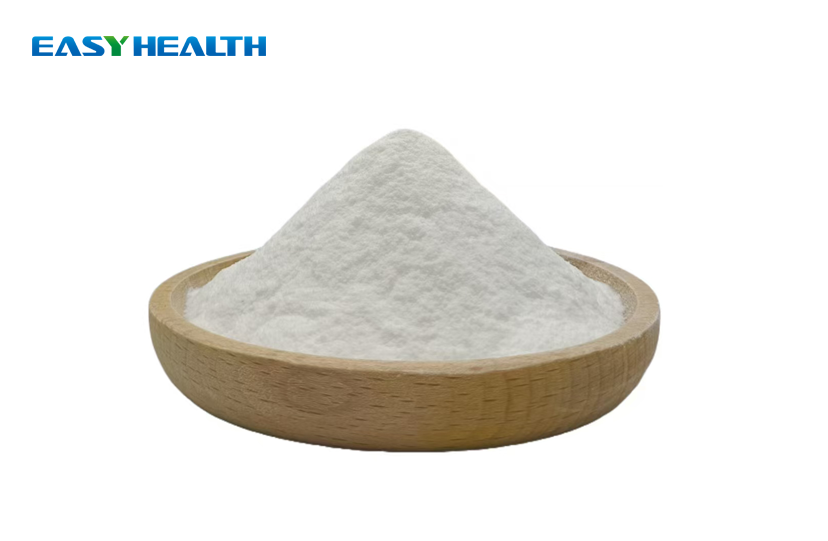
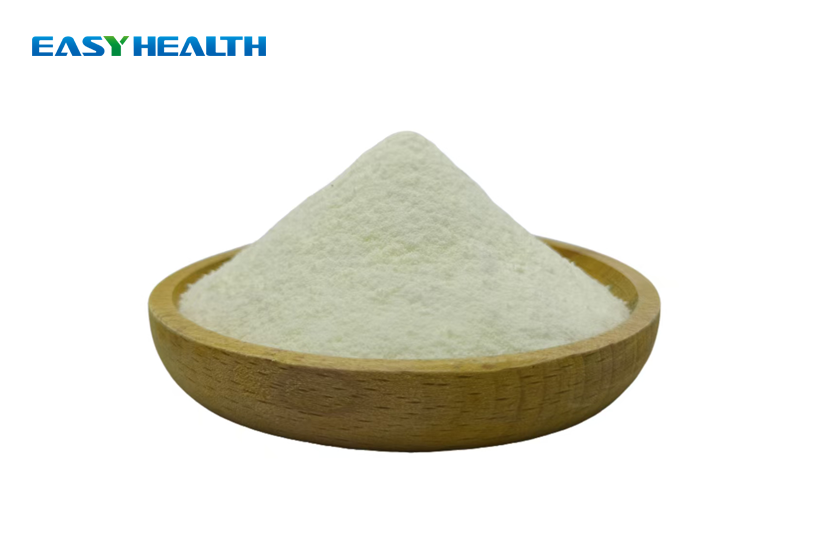
Glutathione, the body's main antioxidant, detoxifies cells, regulates the immune system, and reduces oxidative stress. Nutraceutical and cosmeceutical procurement managers and distributors want effective glutathione formulations. Regular oral glutathione has limited absorption due to rapid digestion. Advanced delivery systems are essential. Advanced liposomal encapsulation enhances absorption and stability. This book gives thorough insights to assist you in assessing quality standards, comparing formulations, and identifying providers of authentic, high-performance ingredients for product creation. To protect reduced glutathione (GSH) from gastrointestinal enzymes and promote systemic absorption, Liposomal Reduced Glutathione Powder wraps it in phospholipid vesicles. This formulation solves the industry's low absorption rate issue, ensuring the active antioxidant reaches target cells. This light yellow powder, produced via microbial fermentation and HPLC testing, has a reduced GSH purity of ≥98% and may be tailored to include 10% to 50% glutathione for specific applications.

Understanding Liposomal Reduced Glutathione Powder
The Science Behind Reduced Glutathione
Reduced glutathione is made up of three building blocks: glutamine, cysteine, and glycine. The word "reduced" comes from its active thiol group (-SH), which neutralizes free radicals and keeps the redox balance in cells. Compared to oxidized glutathione (GSSG), which doesn't do much for the body, reduced GSH is the active form that helps the liver clean itself out in Phase II, repairs vitamins C and E, and keeps cell structures safe from oxidative damage. The hard part is getting this fragile molecule through the tough environment of the stomach without breaking.
How Liposomal Encapsulation Technology Works
Liposomal delivery systems put active ingredients inside phospholipid bilayers, which look like the membranes of human cells. These very small bubbles, which are usually about 120nm across, protect glutathione from stomach acid and digestive enzymes when they form. When liposomes get to the walls of the intestine, they help cells take in nutrients directly by fusing their membranes, which skips the normal breakdown routes. This technology changes oral glutathione supplementation from not working to being useful for therapy, achieving absorption rates that regular formulations can't even come close to.
Key Functional Benefits Driving Market Demand
There are many health areas where reduced glutathione can be used. Liver protection formulas use their important role as a cofactor in the liver's detoxification pathways to help people who have been drinking recover and control oxidative stress. Glutathione can stop the production of melanin and even out skin tone, which is why skin-brightening products use it. This makes it an alternative to cosmetic procedures that you can take by mouth. Anti-aging products use their ability to keep cellular redox balance and lower markers of oxidative stress. Glutathione is found in immune support items because it helps T cells and natural killer cells do their jobs. More study into glutathione's neuroprotective qualities is leading to new uses in brain health.
Liposomal Reduced Glutathione Powder vs. Other Forms and Antioxidants
Comparing Delivery Formats
Standard glutathione powders and pills are very poorly absorbed; their bioavailability rates are less than 10% because gamma-glutamyl transpeptidase breaks them down in the gut wall. While liquid liposomal versions are better at being absorbed, they are very hard to keep stable during storage and shipping, so they often need to be kept in a cold chain and have shorter shelf lives. Sublingual types skip the first pass of metabolism, but they don't give regular doses and can't be used in a lot of different ways. Liposomal Reduced Glutathione Powder formulations combine the benefits of liquid liposomes for absorption with the benefits of dry formats for stability. They can be stored at room temperature for up to 24 to 36 months while still maintaining the integrity of the encapsulation.
Positioning Within Antioxidant Portfolios
Compared to N-acetylcysteine (NAC), which is a precursor to glutathione, straight glutathione intake makes it available right away without needing to be changed inside cells. Vitamins C and E work together as antioxidants that help glutathione regenerate, which makes them more effective when taken together. As glutathione can work in both water and fat, so can alpha-lipoic acid. This makes combination formulations very good for managing oxidative stress in a wide range of ways. By understanding these connections, formulators can make goods with better patterns of effectiveness.
Cost-Effectiveness and Formulation Considerations
Premium liposomal formulations have higher costs for their raw materials than regular glutathione powders, but because they are more bioavailable, they need less of them to work therapeutically. This increased speed often leads to lower prices for finished goods while also providing better results for customers. There is more production freedom with powders than with liquids because they can be easily mixed into pill, tablet, and sachet forms. Stability benefits cut down on waste from old inventory, which is good for the general economy of the supply chain.
Procurement Insights: How to Buy Liposomal Reduced Glutathione Powder
Essential Quality Criteria and Certifications
The procurement department must guarantee that vendors meet pharmaceutical-grade product standards. The best ingredients are determined by these quality indicators:
Each batch's GSH/GSSG ratio reveals at least 90% reduced form concentrations and 98% pure reduced glutathione. HPLC quantifies that oxidized forms have not impaired product performance. This test compensates for the fact that many suppliers give oxidized glutathione (GSSG), which has limited biological activity.
Liposomal Characterization: DLS should show particle size distribution ≤120nm and packing rate >85%. These criteria influence whether liposomes protect glutathione during digestion and facilitate cell uptake. PDI values below 0.3 suggest stable formulations and homogeneous vesicles.
Accelerated stability testing shows ≥85% GSH retention after six months at 25°C and 60% relative humidity, proving product efficacy for longer storage. Protected by nitrogen, microencapsulation inhibits oxidative breakdown that would leave the element useless.

Evaluating Supplier Credentials
Legitimate manufacturers keep up-to-date certifications that show they are dedicated to quality and following the rules. GMP compliance shows that good manufacturing practices are followed, which is important for pharmaceutical and nutritional uses. ISO standards show that quality management is organized. FDA registration makes it safer to enter the U.S. market, and organic approvals (USDA NOP, EU Organic) meet the growing demand for goods with clean labels. Halal and Kosher approvals make the market more accessible to a wider range of consumers.
Beyond certifications, technical help skills are what set exceptional sellers apart from average ones. Access to formulation optimization advice, data from stability tests, and regulatory paperwork shortens the time it takes to make a product and lowers the risks of entering a new market.

Strategic Sourcing Considerations
Minimum order numbers are usually based on how much it costs to make something and can change depending on how the specifications are customized. Standard formulations can usually be shipped right away from stock, but custom specifications need three to five days for established suppliers with flexible manufacturing capabilities to make the product. Building relationships with suppliers who offer both stock and custom options gives you the freedom to handle both urgent needs and planned product launches.
A very important part of qualifying a provider is evaluating samples. By asking for samples, you can make sure of the product's physical features, its flavor, and its analytical specifications before committing to large-scale production. Reliable suppliers give Certificates of Analysis with every batch. This makes the whole supply chain clear and easy to track.
How to Use Liposomal Reduced Glutathione Powder Effectively
Dosing Guidelines for Product Development
Based on clinical studies, the recommended daily dose of glutathione supplements is between 250 mg and 1000 mg, depending on the purpose of the supplementation. Products that brighten the skin usually have daily doses of 500 to 1000 mg, while products that help the liver usually have daily doses of 250 to 600 mg. Because liposomal formats are more bioavailable, formulators can get therapeutic effects with smaller amounts than with regular glutathione. This saves money and makes it easier for people to take capsules.
Product designers should know that the amount of Liposomal Reduced Glutathione Powder (10% to 50%) affects the amount of powder needed per dose. A 20% specification needs 2500mg of powder to give 500mg of active glutathione, but a 40% specification only needs 1250mg to give the same dose.
Storage and Handling Protocols
To keep the integrity of the ingredients, you need to pay attention to environmental factors. During storage, the temperature should stay below 25°C in places with low humidity and protection from direct light. Liposomal powders are more stable than liquids, but when they come into contact with water, reactive processes start that turn reduced glutathione into its inactive GSSG form. Containers that are sealed and have desiccant bags inside keep their strength for a long time.
To stop oxidative decay, manufacturing methods should limit heat contact and use nitrogen blanketing during encapsulation. Suppliers who use full nitrogen protection during microencapsulation get lower form retention rates of> 90%, which makes sure that finished goods work as promised.
Quality Verification and Performance Validation
Verification testing of incoming ingredients is part of responsible procurement. People have more faith in the integrity of the supply chain when an independent lab confirms the specifications given by the supplier. The testing procedures should include HPLC analysis to check the purity of GSH and the ratios of GSH to GSSG, particle size analysis to confirm the structure of liposomes, and microbial screening to make sure safety standards are met.
Validating performance through bioavailability studies or cellular uptake tests backs up marketing claims and sets goods apart in competitive markets. Brands can talk about the benefits of their products in a credible way when they work with suppliers who offer clinical research support and technical documentation.
Future Trends and Market Outlook for Liposomal Reduced Glutathione Powder
Growth Drivers and Emerging Applications
The worldwide glutathione market continues to expand due to increasing awareness of the health advantages of antioxidants and rising demand for anti-aging products. Personalized nutrition trends favor bioavailable forms that provide quantifiable outcomes. This places Liposomal Reduced Glutathione Powder in a more favorable position than typical supplements. Medical aesthetics is a fast-emerging sector where glutathione may aid with recovery after surgery and reduce hyperpigmentation after cosmetic operations.
The neurological health applications are based on cutting-edge research into the neuroprotective properties of glutathione. This is an opportunity to create new products aimed at cognitive performance and brain aging. You need high-quality formulations that are bioavailable for these novel purposes, which can only be created by enhanced delivery systems.
Technological Advancements in Liposomal Delivery
New advances in phospholipid chemistry and vesicle engineering are continuing to make encapsulation more robust and effective. The next generation of liposomal systems, including particular transport mechanisms and prolonged release characteristics, is anticipated to provide even greater therapeutic benefits. Procurement experts should take a look at a seller’s R&D spend to get a sense of how lucrative the partnership will be in the long term and how simple it will be to get new technology.
Sustainability and Supply Chain Resilience
Environmental awareness is of ever-increasing importance in B2B marketplaces in terms of purchasing decisions. To satisfy corporate social responsibility objectives and appeal to environmentally sensitive clients, suppliers need to source sustainably, manufacture in an eco-friendly way, and manage waste responsibly. The microbial fermentation techniques for producing glutathione are superior to synthetic methods since they are better for the environment and maintain pharmaceutical-level purity.
After worldwide catastrophes, resilience in the supply chain has become an essential element to consider. To protect yourself against abrupt shifts in demand and delivery difficulties, develop connections with suppliers and ensure you have adequate inventory, several sources of raw materials, and the capacity to react swiftly to logistical challenges.
Conclusion
The choice of the proper reduced glutathione formulation is a commercial one, and it directly impacts the product’s efficacy, the customer’s satisfaction with the product, and the brand’s reputation. Liposomal Reduced Glutathione Powder has transformed oral glutathione supplements from a low-bioavailability component into a high-performance active that can give demonstrable health benefits. When purchase managers are aware of essential quality parameters such as reduced form purity, liposomal characterization, stability processes, and source approvals, they are more likely to perform well in the extremely competitive nutraceutical and cosmeceutical industries. As more consumers seek effective antioxidant solutions, firms with authentic and properly proven substances may collaborate with those companies to develop products that really fill a demand and keep customers coming back.
FAQ
1. What makes liposomal glutathione more effective than standard supplements?
Standard oral glutathione is quickly broken down by enzymes in the digestive tract, so less than 10% of it is absorbed. Liposomal encapsulation makes a phospholipid layer that protects the glutathione molecule while it travels through the digestive tract. This lets it go straight to cells and is much more bioavailable.
2. How can I verify that a supplier provides authentic reduced glutathione?
Ask for Certificates of Analysis that are specific to each batch and show the HPLC test results for GSH purity and GSH/GSSG ratios. With reduced form concentrations of ≥90%, real reduced glutathione stays at least 98% pure. Companies that offer particle size analysis that confirms liposomal structure ≤120nm and encapsulation efficiency ≥85% show that they are dedicated to meeting quality standards.
3. What shelf life should I expect from liposomal glutathione powder?
If you keep Liposomal Reduced Glutathione Powder in the right way (below 25°C, low humidity, and away from light), it will stay effective for 24 to 36 months. To make sure the product works well throughout its shelf life, stability studies should show that GSH is still present at levels of at least 85% after six months at 25°C and 60% relative humidity.
Partner with Easy Health for Superior Glutathione Solutions
Easy Health is the Liposomal Reduced Glutathione Powder provider you can trust. They have been in the business for over 11 years and use pharmaceutical-grade production standards. Our formulas solve the most important problems that procurement professionals have: guaranteed ≥98% less GSH purity with batch-specific GSH/GSSG ratio testing; liposomal encapsulation ≤120nm for optimal absorption; and nitrogen-protected microencapsulation keeping ≥90% less form retention during processing. We have many certificates, such as ISO, GMP, FDA registration, USDA Organic, and Halal compliance, which help you meet your needs for global market entry. To help you get your product on the market faster, our technical team offers full formulation development support, stability documentation, and regulatory guidance. We give your business the responsive service it needs by offering flexible OEM and ODM options, having stock that can be shipped right away, and meeting unique specs within 3–5 days. Email our team at devin@easyhealthbio.com to get samples, detailed information, and purchasing options that are perfect for your needs.
References
1. Minich, D. M., & Brown, B. I. (2019). A Review of Dietary (Phyto) Nutrients for Glutathione Support. Nutrients, 11(9), 2073.
2. Richie, J. P., et al. (2015). Randomized controlled trial of oral glutathione supplementation on body stores of glutathione. European Journal of Nutrition, 54(2), 251-263.
3. Sinha, R., et al. (2018). Oral supplementation with liposomal glutathione elevates body stores of glutathione and markers of immune function. European Journal of Clinical Nutrition, 72(1), 105-111.
4. Gupta, A., & Gomes, R. (2021). Glutathione in Dermatology: Mechanisms of Action and Clinical Applications. Journal of Clinical and Aesthetic Dermatology, 14(8), 36-42.
5. Allen, J., & Bradley, R. D. (2011). Effects of oral glutathione supplementation on systemic oxidative stress biomarkers in human volunteers. Journal of Alternative and Complementary Medicine, 17(9), 827-833.
6. Schmitt, B., et al. (2015). Liposomal Encapsulation of Glutathione: Characterization and In Vitro Efficacy. Journal of Pharmaceutical Sciences, 104(10), 3385-3394.