Can You Make Chocolate With Cocoa Powder And Coconut Oil
Yes, you can definitely create chocolate using cocoa powder and coconut oil. This combination has become a favourite of amateur chocolatiers and industrial food makers alike, providing a simple but efficient approach to make delicious, personalised chocolate. Traditional versions employ liquid coconut oil as the fat foundation, which gives a smooth texture and unique tropical aroma. Innovative ingredient solutions such as MCT Microencapsulated Coconut Oil Powder are revolutionising the way manufacturers approach chocolate formulation, offering greater stability, accurate dosing and excellent cold water dispersability – characteristics that simplify production and extend shelf life in ready-to-mix and functional chocolate products.
Understanding the Basics: Cocoa Powder, Coconut Oil, and MCT Microencapsulated Coconut Oil Powder
You need to know how cocoa powder and fat sources work together in order to make chocolate from scratch. People expect chocolate to look good and taste good, and cocoa powder makes that happen. On the other hand, coconut oil is what makes chocolate melt in your mouth. The melting point of coconut oil is about 24°C (76°F). This means that homemade chocolate stays solid at room temperature but melts quickly on the tongue.
What Makes Cocoa Powder Essential for Chocolate Production
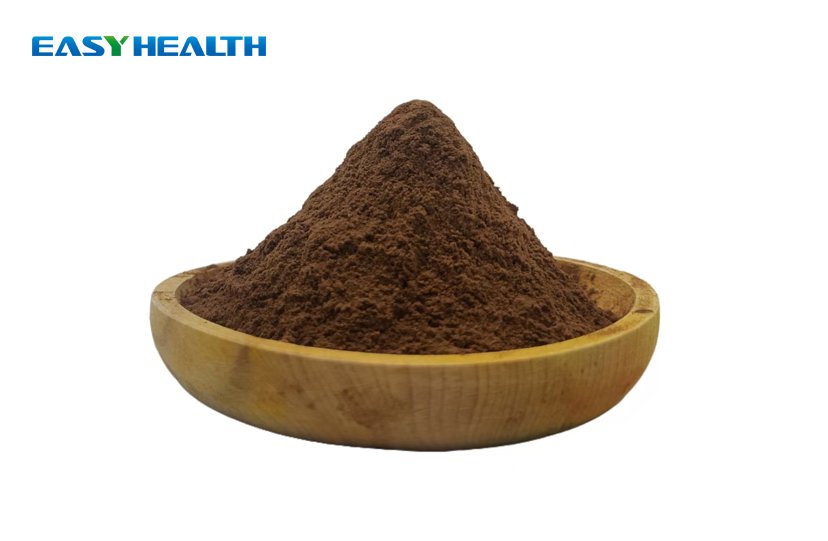
Cocoa powder is what's left over after most of the cocoa butter has been taken out of the beans. Additionally, it has the bittersweet taste that makes chocolate what it is. When you make a chocolate cake with natural or Dutch-processed cocoa powder, the pH level, color intensity, and taste richness will be different. Natural cocoa powder is more acidic and sweet, while the Dutch method makes chocolate smoother and darker.
The Role of Coconut Oil in Chocolate Formulation
Cocoa solids and sweeteners are held together by coconut oil, which is also what gives the chocolate stick its shape. Long-chain fats are broken down in a different way than medium-chain triglycerides (MCTs). This might be good for your health in some ways, like making you feel full faster and helping with ketogenic diets. In home cooking, liquid coconut oil is often used. But it can be hard to work with in factories because it oxidizes quickly and is tough to mix with dry ingredients.
Introduction to MCT Microencapsulated Coconut Oil Powder
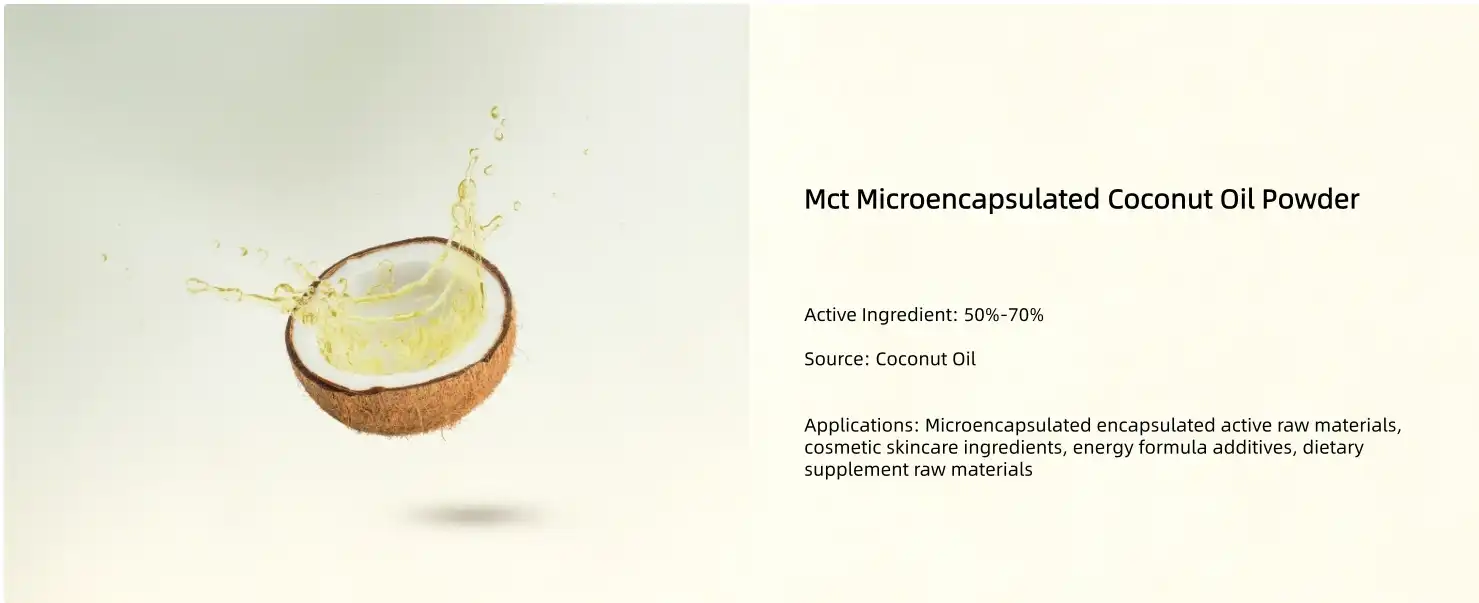
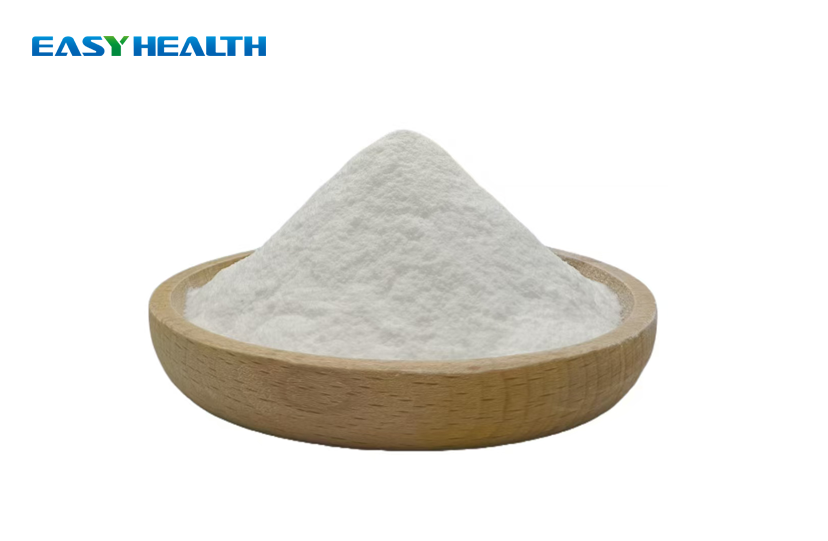
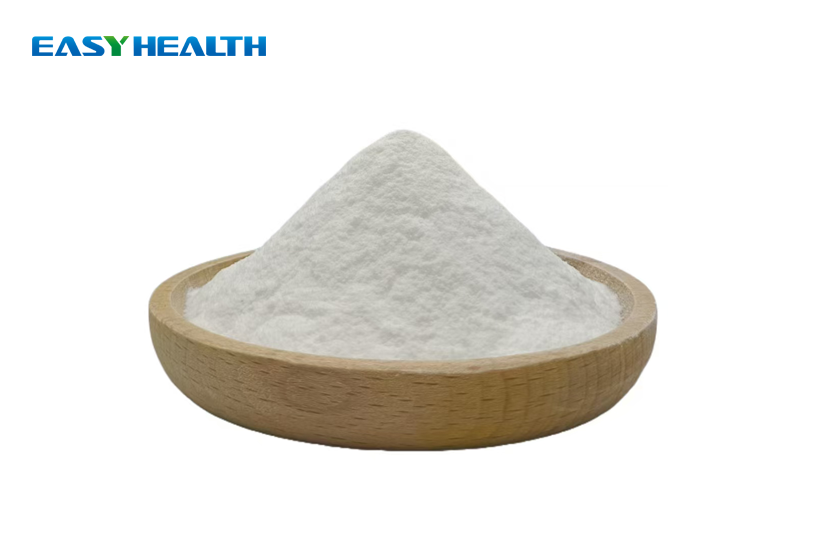
MCT Microencapsulated Coconut Oil Powder makes strides in nutrition research. 100% coconut oil is used to produce an off-white to white powder that protects medium-chain lipids. Microencapsulation addresses several commercial difficulties. Regular liquid oils don't spread as quickly as 30-second cold water. Removes surface oil (≤1.0%) and prevents corrosion.
This substance has a naturally balanced C8/C10 ratio, with 50% and 70% MCT concentrations. It gives quality and consistency throughout the volumes. The same wall material and sealant are used by the standards. 50% Off Available. A plus for sports recovery beverages and keto energy snacks is the 70% rule.
Powder changes everything about chocolate manufacturing. This product is shelf-stable (moisture < 5.0%), will not adhere or cake, and is suitable for automated processes. Its gentle flavour and aroma fit the sensitive palate. For global food safety, the item has to fulfil the criteria for heavy metals (Pb ≤2.0 mg/kg, As ≤1.0 mg/kg) and microbiological safety (Total Plate Count < 1000 cfu/g, E.coli and Salmonella negative).
How to Make Chocolate Using Cocoa Powder and Coconut Oil: Step-by-Step Process
It's easy to make chocolate with cocoa powder and coconut oil, but it's important to use the right amounts and methods. This is what sets homemade chocolate apart from professional chocolate. Whether you use regular liquid coconut oil or advanced MCT powder, the steps are pretty much the same. The only thing that changes is the food you use.
Choosing Between Liquid Coconut Oil and MCT Powder
It is easy to find liquid coconut oil that melts. This means that it can be used at home or in small amounts. However, it needs to be chilled to harden, can break while being stored, and isn't stable against oxidation, so it won't last as long.
With MCT Microencapsulated Coconut Oil Powder, these things can't go wrong. When it's dry, it can be mixed with cocoa powder and sweeteners ahead of time. When it's time to use it, it can be reconstituted with very little liquid. You can make the batches more uniform and cut down on the steps needed to process the product this way. It also stops the "oiling out" that happens when liquid fats are mixed with dry ingredients. There's no need to heat the powder because it can be mixed with cold water in 30 seconds. This protects nutrients and flavor compounds that are sensitive to heat.
Basic Chocolate Recipe with Optimal Proportions
To make chocolate with cocoa powder and coconut oil, follow these simple steps:
- 1 cup cocoa powder (around 120 grams)
- ½ cup melted coconut oil (or Mct Microencapsulated Coconut Oil Powder mixed with water to make it the same)
- ¼ cup sweetener (maple syrup, honey, or erythritol powder for keto versions)
- 1 teaspoon vanilla syrup
- Pinch of sea salt
Do not use liquid coconut oil. Instead, mix 40 to 50 grams of 70% MCT powder with 30 to 40 milliliters of cold water. Just stir until everything is spread out. It shouldn't take long. After that, mix it some more.
In a bowl, mix all the ingredients together with a whisk until the spread is smooth. For 30 to 60 minutes, or until the mixture is hard, put the silicone molds in the fridge. One way to store chocolate is at room temperature in a cool place. Another way is to put it in the fridge to keep it fresh longer.
Troubleshooting Common Challenges
The texture of cocoa may be affected by either little or too much fat. If the chocolate seems gritty, make sure that you have fully incorporated the cocoa powder. You may need to sieve it first. Blooming is caused by the migration of fat crystals, which often occurs when the meal is kept at fluctuating temperatures. This will create a white coating on top. MCT powder offers controlled-release features and a consistent particle distribution; therefore, the issue is less of a concern.
Traditional coconut oil chocolate doesn’t have staying power since it goes bad so rapidly. There is roughly 2.5 mmol/kg peroxide in excellent MCT microencapsulated powder. There is not much oil on top. That means it's much less likely to go bad. So, if kept correctly, the chocolate may last up to 24 months. Liquid chocolate, however, may be fresh for just 3 to 6 months.
Comparing MCT Microencapsulated Coconut Oil Powder with Traditional Coconut Oil in Chocolate Production
If manufacturers want to cut costs, make their products better, and get a better place in the market, they need to know how MCT Microencapsulated Coconut Oil Powder and regular coconut oil work differently.
Stability, Texture, and Flavor Profiles
The common coconut oil is smooth and thick but easily becomes rancid when exposed to air, light, or heat. This flaw affects the life of the product and may taste awful. Liquid fluid is more complex to manage on a large scale since it must be kept at a steady temperature and properly metered.
Shelf Life of MCT Microencapsulated Coconut Oil Powder. Encapsulation protects lipids from external effects. This maintains food’s taste and quality. This powder dissolves swiftly into dry mixes, eliminates sticking in automated lines, and is easy to handle. Its delicate flavour lets the chocolate come through without any tropical or oily overtones. This is good news for the makers of premium chocolate.
MCT powder with water tastes creamy like liquid oil, but you may adjust the flavour. The microencapsulation process allows fat to be released slowly and accurately. This is good for healthy meals since it helps food taste fuller without the fat.
Nutritional Profiles and Market Positioning
Coconut oil and MCT powder both have medium-chain triglycerides in them. These are quickly broken down by the liver to make ketones, which help with weight loss, ketogenic diets, and sports. But the denser MCT powder (50% or 70% MCT substance) is better for you because it gives you more MCT per gram. This makes it perfect for products that are meant to improve performance, like keto energy bars, meal replacement shakes, and sports nutrition supplements.
MCT goods that are made from 100% coconut oil are thot to be better than those that are made from palm oil or a mix of oils. People in North America and Europe, where "clean label" trends are very popular, care about this difference because they want to know what's in the food they buy.
Cost Analysis and Supplier Considerations
Even tho liquid coconut oil is usually cheaper per kilogram, it comes with hidden costs like being harder to store, handle, and dispose of because it goes bad faster. For the extra money, MCT microencapsulated powder is worth it because it lasts longer, is easy to make, and makes things stand out more.
Manufacturers should pick MCT powder suppliers based on how well their capsules are sealed (surface oil ≤1.0%), their certifications (ISO, Halal, Kosher, USDA Organic), and the level of technical support they offer. Businesses can adapt to changes in the market and the release cycle of new goods by ordering in small amounts (MOQ ≤500 kg) and getting them quickly (15 days).
Procurement Insights: Sourcing MCT Microencapsulated Coconut Oil Powder for B2B Clients
There are several aspects that people who purchase food firms consider when they are searching for MCT Microencapsulated Coconut Oil Powder. These are: quality standards. Reliability of the supplier. Price of the product. When you do smart buys, the things you buy function better, you play by the rules, and you climb ahead in the market.
Critical Factors in Supplier Evaluation
Production certifications mark the start of supplier confidence. They are ISO quality control, HACCP food safety, and Halal and Kosher certified to ensure they meet international standards. You may see that a supplier emphasises quality and adherence to FDA registration, USDA NOP, and EU Organic regulations.
Quality control - batch tracking from raw coconut oil to incasement and packaging is required. Complete batch COAs mitigate risk and support product claims. COA should cover MCT, moisture, surface oil, peroxide, acid, heavy metal, and microbiological safety.
Commodity merchants do not give expertise, but special vendors may. Expert R&D teams may help you to improve formulas, advise on applications, and solve difficulties to accelerate product development and spark new ideas. Private Branding, MCT Concentrations, and Containers OEM and ODM Vendors. Both assist companies in differentiating and adapting.
Practical Tips for Sample Requests and Bulk Orders
Request samples before purchasing in bulk. Taste, clump, and cold water mixability were tested on sample samples. The running samples from a number of sources during the same tests might reveal performance variances not evident from the technical specifications.
When buying in bulk, consider cost and security of supply. Less risk from lead times when suppliers stock and sell common products on the spot. Low MOQs (≤500 kg) for testing new brands without high upfront expenditures. Plan, buy, and organise, clarify delivery timelines, particularly for unusual items.
The details need to be worked out collectively. Suppliers may provide specialty shipping lines, air freight, and reputable international carriers such as FedEx, DHL, and UPS. Delivery choices may vary depending on what is being delivered, where it is going, how fast it needs to get there, and budget. This guarantees the delivery of the proper parts on schedule and in perfect condition.
Practical Applications and Market Opportunities of MCT Microencapsulated Coconut Oil Powder in the Food Industry
Mct Microencapsulated Coconut Oil Powder may be used for a lot of purposes other than chocolate manufacturing. And that helps people develop new dishes and boost the market in a variety of different food categories.
Expanding Product Lines with Keto-Friendly Chocolates
The keto diet fad is still happening, and people are still seeking delights that are low in carbohydrates and rich in fat. MCT powder may be used by chocolate makers to generate candy bars that supply you with sustained energy, maintain your body in ketosis, and satisfy your sweet tooth. Low glycaemic sweets such as. Monk fruit or erythritol. Like cacao powder. MCT powder. People who want to enjoy life without guilt, yet are also health-conscious.
You may mix MCT powder into several types of chocolate drinks. Some include bars, chocolates, and keto beverages to enjoy. Because the powder combines in 30 seconds with cold water, it may be utilised in many different ways. No hot water or power is required to mix, making it convenient to use on the go.
Revolutionizing Confectionery and Functional Foods
The confectionery company has overcome stability and structural concerns using MCT powder. It doesn’t spoil, so it’s stored longer and sent quicker. “Means. Powdered oils provide less downtime and less maintenance. Powders are best handled by automation lines in production.
Functional foods may be used as therapeutic nutrition, sports nutrition, and as meal replacements. MCT powder is used in pre- and post-workout beverages and smoothies because it gives fast energy. It helps gamers perform better and recover more quickly. Clinical and senior nutrition products must be metabolically compatible and easy to digest. The regulated release properties also help.
Clean and safe, MCT powder is perfect for baby formula and toddler feeding. Our 100% coconut oil supply, low heavy metal content, and comprehensive microbiological controls meet these high criteria. They satisfy underprivileged needs. It gives quick energy to those who do not have much time or who have difficulty breaking down nutrients.
Future Trends and Strategic Differentiation
In the food sector, preference is given to the microencapsulated beneficial ingredients because of their greater stability, better usage, and better appearance on the label. The firms that use MCT powder are ahead of the curve on this trend. This allows them to produce innovative items like functional drinks, nutrient-added dairy products, and pet food for older animals who need extra mental health care.
Success stories of early adopters demonstrate that the technology can be used in business. Consumers who buy chocolate brands that include MCT say they like the flavour, the texture, and how healthy they think it is. They say they buy it again and again. These case studies demonstrate that incorporating MCT Microencapsulated Coconut Oil Powder into your product lines could be a wise business option. This allows firms to be distinguishable in a congested market.

Conclusion
There are many ways you may create chocolate using cocoa powder and coconut oil. You may do it for a company or at home. Liquid Coconut Oil Is Easy To Use. But MCT Microencapsulated Coconut Oil Powder Is Much Better. It Is More Stable. It Can Be Mixed With Cold Water. It Is Made From 100 % Coconut Oil. It Is Easy To Add To Automatic Production. It’s low in surface oil and just the proper amount of C8 and C10. It’s a perfect fit for keto desserts, functional meals, and performance nutrition items.” As the need for new ingredients that are beneficial for you increases, MCT powder may help companies stand out and ensure their goods will be successful in the long term.
FAQ
1. What is the difference between C8 and C10 in MCT powder?
Caprylic acid (C8) is quickly converted into ATP, which gives you a boost of energy and makes ketones more quickly. Because of this, it's great for brain health and quick power. Capric acid (C10) is released into the body a little more slowly, so it gives you energy for a longer time. Premium MCT powders naturally balance these fatty acids to help with performance and staying in ketosis for a long time. In functional food applications, they do this by combining the good things about both to help metabolism.
2. Is the carrier material vegan?
There are different kinds of carrier materials that can be used for different tasks. Acacia fiber and glucose syrup-based carriers are vegan-friendly and come from plants, so they can be used in product lines that are based on plants. If you want to make something that blends better, you can use sodium caseinate, which comes from cheese. Businesses that want to offer vegan options should make sure that the plant-based starches or fiber carriers they buy are what they say they are and what buyers expect.
3. How does MCT powder behave in hot liquids?
The oil doesn't separate or float to the top of hot coffee, tea, or cocoa because the microencapsulation structure stays stable up to 80–90°C. Instant drinks need to have a smooth, even texture without any oil slicks that can be seen. This ability to stay stable at high temperatures is very important for those drinks. Because the powder releases its ingredients slowly, it keeps the taste and stops the greasy mouthfeel that comes from liquid oils in hot drinks that aren't enclosed.
Partner with Easy Health for Premium MCT Microencapsulated Coconut Oil Powder Supply
Easy Health, Inc. It has been making MCT Microencapsulated Coconut Oil Powder for over 11 years, so you can trust the company. They know a lot about natural plant products and useful ingredients. The many qualifications we have, like ISO, Halal, Kosher, FDA Registration, USDA Organic, EU Organic, and HACCP, show how much we care about quality. These make sure that all of the rules around the world are followed for your goods.
Customers can choose between 50% and 70% MCT options that are made from 100% coconut oil and never palm oil or blends. This way, they can get the healthier taste and label they want. Our better packaging process breaks down completely in 30 seconds in cold water, leaving behind less than 1% oil and less than 5% water. Because of this, the powder won't stick or cake and will be able to run easily through your production lines.
We offer full OEM/ODM services, a flexible MOQ starting at 500 kg, and fast delivery within 15 days. We can help you make your recipe from the time you have an idea to the time you put it on the market. Our skilled research and development (R&D) team gives you expert help for application optimization so you can make competitive goods for the sports nutrition, functional beverage, specialty food, and ketogenic markets.
To get samples, talk about your needs, and learn how Easy Health can become your major source for MCT Microencapsulated Coconut Oil Powder, email devin@easyhealthbio.com right now.
References
1. Smith, J.L., & Thompson, R.K. (2022). Medium-Chain Triglycerides in Functional Food Applications: Processing, Stability, and Health Benefits. Journal of Food Science and Technology, 59(4), 1523-1538.
2. Anderson, P.M., & Chen, L. (2021). Microencapsulation Technology for Lipid-Based Ingredients: Principles and Industrial Applications. Food Engineering Reviews, 13(2), 287-305.
3. Williams, D.R., & Martinez, S.J. (2023). Coconut Oil-Derived MCTs in Ketogenic and Sports Nutrition: Metabolic Pathways and Product Development. Nutrition Research Reviews, 36(1), 78-94.
4. Johnson, K.E., & Lee, H.Y. (2021). Cocoa Powder and Fat Systems in Chocolate Manufacturing: Quality Parameters and Process Optimization. International Journal of Food Sciences and Nutrition, 72(5), 612-628.
5. Garcia, M.A., & Brown, T.L. (2022). Clean Label Ingredients in Confectionery: Consumer Preferences and Formulation Strategies. Food Quality and Preference, 98, 104512-104525.
6. Roberts, A.J., & Kim, S.H. (2023). Functional Ingredients for Keto and Low-Carb Foods: Market Trends and Technical Innovations. Trends in Food Science & Technology, 131, 45-59.

_1784173402819.webp)