What Is Microencapsulated Borage Oil Powder?
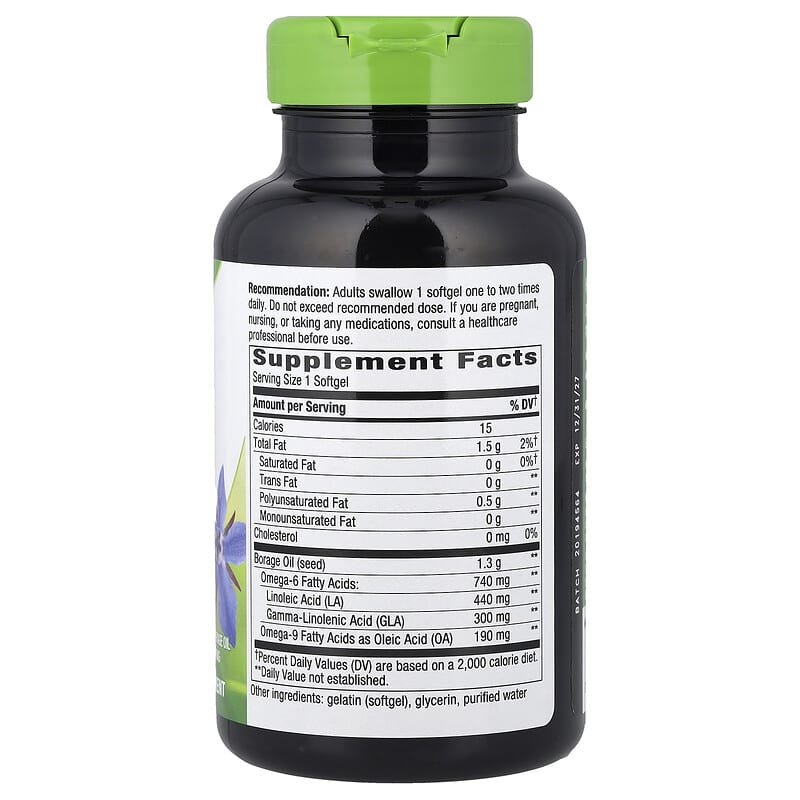
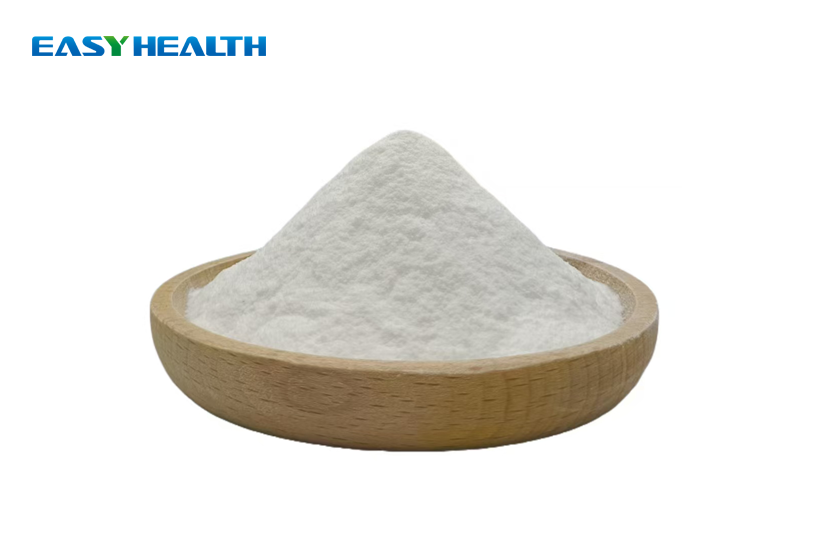
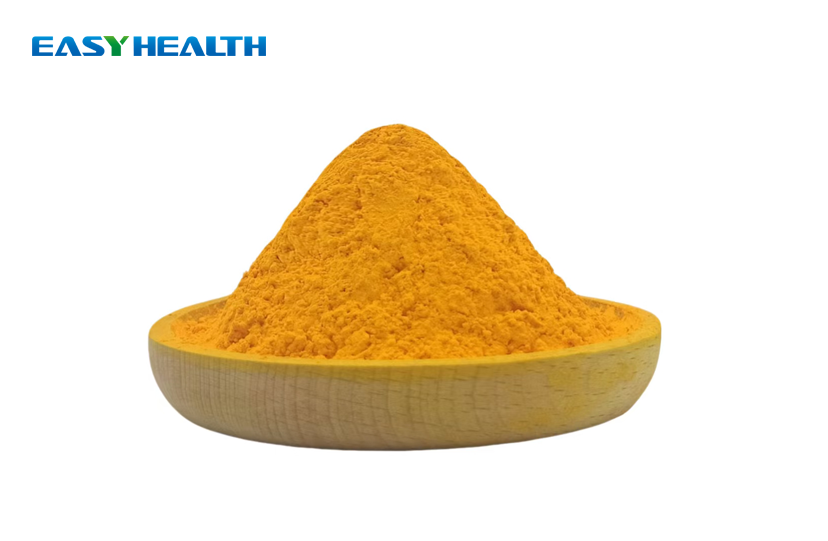
Microencapsulated borage oil powder is a shelf-stable, free-flowing ingredient produced by encasing cold-pressed Borago officinalis seed oil within a protective wall matrix through precision spray-drying. The encapsulation process physically isolates the oil from oxygen, light, and heat — the three primary catalysts of lipid oxidation — converting an inherently unstable liquid into a water-dispersible powder with a verified shelf life of up to 24 months at ambient temperature. With GLA (gamma-linolenic acid, CAS No. 506-26-3) as its defining active, this format delivers concentrated omega-6 bioactivity in a format fully compatible with dry-blend supplement manufacturing, clinical nutrition premixes, and clean-label functional foods.

Why the Industry Is Paying Attention to Borage-Derived GLA?
It has been known for a long time that raw borage oil has the highest concentration of gamma-linolenic acid (20–24%), which is about twice as high as the content found in evening primrose oil. In the past, though, it wasn't widely used in business because it broke down quickly in oxygen and was hard to make tablets or powders from a thick liquid. That calculation was completely changed by microencapsulation. The global nutritional capsule market was worth about USD 8.4 billion in 2023, and it's expected to keep growing at a rate of more than 9% per year until 2030. This is because formulators want ingredients to stay stable without losing their bioactivity. Microencapsulated borage oil powder is at the top of that growth, especially as the need for omega-6 ingredients backed by evidence grows in the women's health, atopic dermatitis management, and menopause support categories.
Understanding Microencapsulated Borage Oil Powder
Microencapsulated borage oil powder provides a unique delivery system for concentrated omega-6 fatty acids, specifically gamma-linolenic acid. By converting a viscous, unstable liquid into a water-dispersible, free-flowing powder, it overcomes the historical limitations of raw plant oils in commercial manufacturing.
How the Encapsulation Process Works?
At Easy Health Inc., the capsule uses ultra-low intake spray-drying at ≤140°C, which is the highest temperature at which the active ingredient can't break down by more than 3%. The refined borage seed oil is mixed with a wall material that is safe for food, atomized into tiny drops, and quickly dried into separate microcapsules. The end result is a free-flowing off-white to light yellow powder that has surface oil below 1% and 95% of the particles going through a 40-mesh screen. This is the important sign that the covering is real encapsulation and not just a thin layer.
The GLA Potency Argument
Each gram of powder gives you about 110 mg of gamma-linolenic acid because the source oil has about 22% GLA and the powder has a 50% oil loading. Formulators who want small capsules and smaller daily serving sizes care a lot about that potency number. The peroxide value stays at ≤2.5 mmol/kg and the acid value stays at ≤1.0 mg KOH/g. These levels are in line with USP/EP lipid quality standards and confirm the long-term integrity of the lipids.
Origin Traceability as a Quality Signal
Sourcing is limited to high-latitude, cool-climate growth areas like Australia's Tasmania and Canada's Alberta on purpose. The research literature reliably links cooler growing conditions with higher GLA production in Borago officinalis. Each batch comes with full farm-to-powder documentation, which meets the needs of both clinical nutrition buyers and EU Organic–certified supply chains for traceability.
Applications Across Functional Health Categories
One of this ingredient's best commercial points is that it can be used in many different ways. In the following main types of applications, the microencapsulated borage oil powder style provides real design benefits:
- Dietary supplements (tablets and hard capsules): The micro-matrix acts as a mechanical cushion during high-pressure tableting compression, stopping oil bleed and keeping the capsule's shape in a way that liquid powders or powders that aren't enclosed can't.
- Functional beverages and meal replacements: In ready-to-mix shakes and sports nutrition drinks, phase separation is avoided because the GLA dissolves immediately in cold water. This means that the GLA can be delivered in water-based forms without emulsifiers.
- Skin barrier and atopic dermatitis formulations: GLA is known to be a source of anti-inflammatory eicosanoids and an important part of the skin barrier's structure. A stable, measured amount per serving is helpful for both oral and topical treatments that are used to treat atopic dermatitis and dry skin.
- Clinical and therapeutic nutrition: In clinical and therapeutic nutrition, the fact that the powder can be mixed with vitamin and mineral premixes is very useful. When unprotected fatty acids are mixed with transition metal ions (iron, zinc) in premix matrices, they oxidize quickly. Encapsulation stops that chemical route.
- Fortified foods: The powder can be added to snack bars, baked goods, and dairy alternatives without changing the texture or adding an off-note. This is made easier by the fact that borage oil has a nearly neutral flavor compared to evening primrose oil's grassy-bitter flavor.
These application strengths, taken together, make the ingredient truly cross-category instead of segment-specific.
Microencapsulated Borage Oil Powder vs. Alternative Forms
Versus Liquid Borage Oil
Usually, liquid borage oil needs to be kept in the fridge and can be used within six months. The microencapsulated borage oil powder extends that to 24 months at room temperature, which gets rid of the need for cold-chain logistics and makes warehouses easier for international B2B buyers.
Versus Evening Primrose Oil (EPO)
9–11% GLA is found in every gram of EPO oil. When the same amount of borage-derived powder is used, it gives about twice as much GLA. This means that the capsules can be smaller or the number of daily servings can be lowered, both of which support premium-tier customer positioning. Even though borage oil costs about 40% more than EPO, the math behind GLA-per-dose always works out in favor of borage for high-effectiveness women's health and inflammatory skin condition goods where clinical dose thresholds count.
How to Source Responsibly: What Procurement Teams Should Verify?
To properly find a GLA-rich encapsulated ingredient, you need more than just a cheap price. The following points should be on the procurement workers' basic due diligence list when they look at any supplier of microencapsulated borage oil powder:
- Per-batch GC-MS certificates confirming GLA's effectiveness and fatty acid profile — not just a generic spec sheet.
- Encapsulation efficiency documentation, specifically the percentage of surface oil measured by solvent extraction.
- Heavy metal testing (Pb ≤2.0 mg/kg, As ≤1.0 mg/kg) and full microbial profile, which includes having no Salmonella/25g and no E. coli.
- Certified production standards: Easy Health Inc. keeps up with all of the certifications for production, including ISO, HACCP, FDA registration, USDA NOP, EU Organic, Halal, and Kosher.
- Stability data generated from Rancimat oxidative stability index (OSI) testing at 100–120°C to back up claims about real-world shelf life.
In the context of clinical and premium supplements, buying decisions usually happen over the course of three to six months, during which time technical questionnaires, accelerated stability sampling, facility audits, and trial production runs are carried out. When suppliers proactively send full documentation packages, that timeline is cut down by a large amount.
Future Outlook: Where the Market Is Heading
The technology behind encapsulation keeps getting better. Fluid-bed coating and nanoencapsulation platforms are now being used on a business level. These platforms promise even better mucoadhesive release in the digestive system and tighter control over particle size for microencapsulated borage oil powder. When it comes to new botanical health claims, regulatory convergence between the US, EU, and key APAC markets is likely to make official the evidence dossier requirements that smart buyers already put in place informally. Brands that use only confirmed, traceable GLA sources are now ahead of the compliance curve and ahead of rivals who are still using cheap EPO.
Conclusion
Using low-temperature spray drying to contain borage seed oil is a big step forward in terms of technology compared to both liquid oils and regular plant powders. The mix of ≥22% GLA potency, proven oxidative stability, a clean flavor profile, and strict per-batch paperwork solves the main problems that premium supplement and clinical nutrition brands have with formulating and sourcing their products. This style for microencapsulated borage oil powder should be carefully compared to the current EPO status quo by R&D teams making high-efficacy, small-dose products for atopic dermatitis, PMS, or menopausal skin health.
FAQ
What distinguishes encapsulated borage oil powder from standard borage oil?
Standard liquid borage oil goes bad quickly and needs to be kept cool, so it can only be kept for about six months. The microencapsulated borage oil powder form has a protective wall matrix that keeps oxygen and light out. This keeps the powder stable at room temperature for up to 24 months and keeps the GLA bioavailability even after digestion breaks down the wall material naturally.
Does encapsulation reduce GLA absorption?
No, there is clinical proof that stomach enzymes break down the encapsulant matrix well, letting the oil be absorbed normally in the intestines. Encapsulation keeps the GLA's effectiveness while it is being processed and stored, but it doesn't get in the way of its accessibility in living things.
Which certifications should I require from a supplier?
At the very least, your product should be ISO, HACCP, FDA-registered, USDA NOP or EU Organic (depending on your market), and Halal or Kosher if it's meant for those groups. For clinical-grade sourcing, both per-batch GC certificates and Rancimat stability statistics must be provided.
Is the powder compatible with vitamin and mineral premixes?
Yes. Transition metal ions in premix blends would normally cause oxidation in fatty acids that aren't protected by the encapsulation matrix. This keeps the GLA-containing oil safe.
Partner with Easy Health — A Trusted Microencapsulated Borage Oil Powder Supplier
Easy Health adds more than 11 years of experience with plant extracts, batch-level GC-verified GLA paperwork, and full ISO, Organic, and Halal certification to every relationship. You can buy our microencapsulated borage oil powder in bulk, and we can help you with your unique needs. Contact our expert team at devin@easyhealthbio.com or go to easyhealthinc.com to ask for samples, Certificates of Analysis, or help with formulating.
References
1. Sergeant, S., et al. "Gamma-linolenic acid metabolism and its roles in inflammation." Progress in Lipid Research, 2016.
2. Fan, Y. Y., & Chapkin, R. S. "Importance of dietary gamma-linolenic acid in human health and nutrition." Journal of Nutrition, 1998.
3. Ziboh, V. A., et al. "Effects of dietary supplementation of fish oil on neutrophil and epidermal fatty acids." Archives of Dermatology, 1986.
4. Muggli, R. "Physiological requirements of gamma-linolenic acid." Journal of Nutritional Biochemistry, 2005.
5. Druml, W., et al. "Fat elimination in parenteral nutrition and the role of essential fatty acids." Clinical Nutrition, 2003.
6. Pouteau, E., et al. "Encapsulation of omega-3 and omega-6 fatty acids for food and nutraceutical applications: A review of stability and delivery systems." Food Hydrocolloids, 2020.

_1784173402819.webp)