What Is Liposomal Reduced Glutathione Powder Made From?
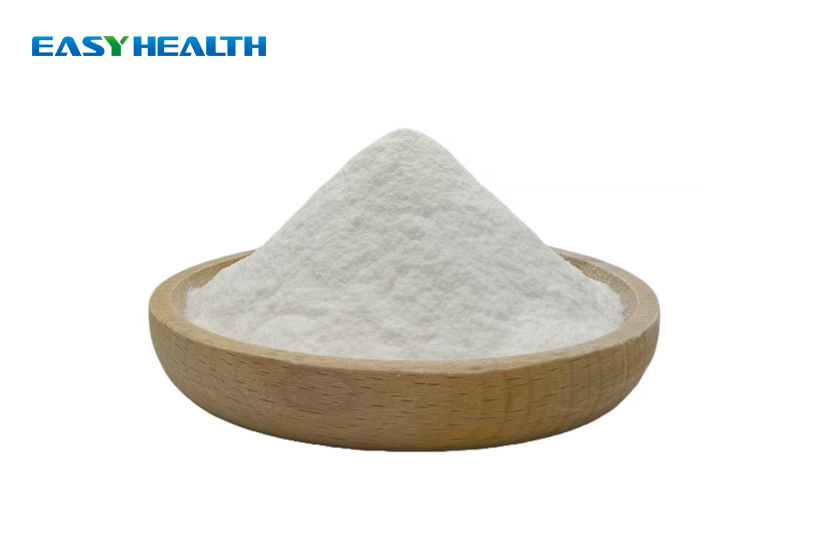
When we talk about advanced nutraceutical ingredients, understanding composition matters deeply. Liposomal Reduced Glutathione Powder consists of high-purity reduced glutathione (GSH ≥98%) obtained through microbial fermentation, encapsulated within phospholipid vesicles typically derived from non-GMO sunflower or soy lecithin. This nano-sized encapsulation system, measuring ≤120nm, protects the tripeptide structure from gastric degradation and enzymatic breakdown, solving the bioavailability crisis that plagues standard glutathione supplements. The powder form combines stability with convenience, making it an ideal raw material for diverse applications in dietary supplements, functional beverages, and skin-brightening formulations.
Understanding Liposomal Reduced Glutathione Powder
What Makes This Formulation Unique
This combination contains biochemistry and nanotechnology. Its primary component is reduced L-glutathione, which contains glutamic acid, cysteine, and glycine. This reduced version retains the antioxidant-boosting sulfhydryl group (-SH). Standard glutathione powders include a key flaw: stomach acid and digestive enzymes like gamma-glutamyl transpeptidase break down the tripeptide into amino acids. This renders the powder useless before entering the circulation. Dental glutathione seldom absorbs more than 10% of its dosage, wasting a lot and making its efficacy unpredictable.
By mimicking human cell membranes, liposomal technology alters this. Phospholipids may preserve glutathione molecules in circular bilayers. Liposomes safeguard the active chemical in the stomach and let cells absorb it directly by fusing their membranes. Absorption rates are many times higher than with non-encapsulated versions, increasing bioavailability.
Core Ingredients and Their Roles
Knowing the ingredient matrix helps procurement professionals evaluate product quality and maker expertise. The primary ingredient, reduced glutathione, is sourced via microbial fermentation and confirmed for purity using HPLC (≥98% pure). Since oxidized glutathione (GSSG) has little biological value, testing each batch's GSH/GSSG ratio ensures the reduced form is prevalent. Despite seeming chemically similar, many products on the market are largely oxidized and harmful.
Packaging uses pharmaceutical-grade phosphatidylcholine with 70–95% phospholipids. Particle size distribution matters. Vesicles ≤120nm are better for intestinal absorption, but bigger particles struggle with lymphatic transfer. How effectively capsules seal (preferably above 85%) determines how much active substance is coated. Flow agents and natural vitamins such as mixed tocopherols may help preserve the powder's characteristics throughout storage. The product's purity and quality are shown by its lack of fillers, colors, and chemicals.
Differentiating From Regular Glutathione Powders
Liposomal Reduced Glutathione Powder differs from glutathione beyond marketing claims. It functions differently in the body. Despite adequate fermentation, regular glutathione granules can't pass biological barriers. The digestive system digests proteins and peptides. This implies that entire glutathione molecules seldom pass through the intestines. Early glutathione supplement trials showed inconsistent outcomes because of the molecule's delivery.
Liposomal compositions avoid this breakdown. The enterocytes get intact molecules since enzymes can't break down the lipid barrier. Glutathione enters gastrointestinal cells when liposomes mix directly with cell membranes. This mechanism bypasses liver metabolism, making oral versions much less accessible. This bioavailability variation impacts consumer satisfaction and product distinctiveness for B2B customers seeking components for high-end product lines, including skin-brightening supplements, liver support formulae, and healing aids after aesthetic treatments.
Scientific Insights and Benefits of Liposomal Reduced Glutathione Powder
The Master Antioxidant in Cellular Function
Glutathione, the body's main antioxidant, is distinctively located. Glutathione works inside cells, where oxidative stress hits hardest, unlike nutritional antioxidants that cells must ingest and change. Glutathione peroxidase neutralizes reactive oxygen species in the reduced form, reducing hydrogen peroxide to water. GSSG, converted from GSH, is repaired by glutathione reductase. The protective cycle needs enough GSH.
In addition to removing radicals, glutathione repairs oxidized vitamins C and E. It expands their job. The healing ability enhances antioxidant network efficiency. Phase II liver detoxification needs glutathione. Toxins are bound and eliminated by it. Lower glutathione levels cause oxidative stress, cellular aging, and immunological failure. These effects matter more in developed countries where older people demand nutraceuticals.
Clinical Applications and Health Benefits
Glutathione's role in several physiological systems offers business opportunities. Glutathione blocks tyrosinase, which makes melanin, to lighten skin in dermatology. Combined with vitamin C, continual supplementation may lower melanin index scores and lighten skin, according to a clinical study. Its process makes glutathione a scientifically valid alternative to skin-lightening therapies under regulatory review.
Another data-driven use is hepatic defense. The liver has the greatest glutathione, indicating its detoxifying role. Supplementation improves liver enzymes and oxidative stress in liver-damaged individuals. These data suggest placing hangover recovery, liver detox, and metabolic health items for heavy drinkers and those with environmentally hazardous exposure.
As brain health supplements become more popular, glutathione's neuroprotective benefits are being explored. High metabolism and lipid composition may cause brain oxidative injury. The presence of glutathione in neurons and glial cells suggests protection. Research suggests it may slow cognitive decline with aging. This utilization is still being investigated, but future-focused firms may benefit.
Safety Profile and Tolerability
Years of clinical safety data demonstrate that oral glutathione is safe. Studies show relatively mild gastrointestinal discomfort at large doses. Liposomal encapsulation's enhanced absorption reduces adverse effects by lowering doses. Body-made glutathione is safer than manufactured antioxidants. Supplementing boosts performance without chemicals.
Key national agencies recognize this safety record. Glutathione is GRAS in the US and on several positive lists elsewhere. This regulation streamlines product development and market entry. It simplifies compliance for B2B buyers entering new markets. With this safety grade, procurement professionals may make more label claims and decrease risk than with tighter items.
Comparison of Liposomal Reduced Glutathione Powder with Other Forms
Bioavailability and Absorption Dynamics
How glutathione is provided impacts healing. Absorption rates for conventional glutathione capsules are <10%, indicating degradation. Enzymatic saturation effects separate dosing and absorption; thus, even huge dosages don't increase plasma concentrations.
Absorption curves for Liposomal Reduced Glutathione Powder formulations vary widely. Liposomal delivery experts said plasma and intracellular glutathione levels are rising, which is the fundamental measure of a product's effectiveness. Powder may be put under the tongue to assess effectiveness or added to liquids to simplify administration. This flexibility appeals to individuals seeking non-drug therapies.
IV glutathione is 100% bioavailable but expensive, laborious, and unlawful; therefore, it can only be used in therapeutic settings. Plasma concentrations increase immediately after IV delivery but only last if the medicine is not administered again. Liposomal oral delivery allows for smaller peak amounts but high levels during regular doses, improving long-term tissue saturation at a cheaper cost than IV treatment.
Supply Chain and Storage Considerations
Powder stability considerably affects supply chain costs. Liquid liposomal suspensions are easy to use, but they need a cold chain, large packaging, and a limited shelf life, making exporting problematic. Landing costs and distribution issues rise, especially for international business-to-business transactions.
Microencapsulating Nitrogen-protected Liposomal Reduced Glutathione Powder may fix these difficulties. No water activity breaks down chemicals and develops microorganisms in the dry approach. When correctly prepared, powder holds its reduced glutathione level above 85% for six months in a warehouse without refrigeration. Stability advantages include extended product life, less spoilage, and greater zone temperature compliance.
Powder provides an accurate dose. Manufacturers use 10% to 50% glutathione depending on product use. Lower concentrations promote functional drinks with larger serving sizes, whereas greater concentrations benefit potency-focused capsules. Brand owners may optimize product economics and market distinction with this personalization.
Key Considerations for Procuring Liposomal Reduced Glutathione Powder
Quality Assurance and Supplier Credentials
What to buy relies on quality and supplier reliability. GMP accreditation organizes manufacturing quality management. Smart buyers should verify details: Does the facility utilize food-grade or pharmaceutical-grade standards? Is workplace air conditioning controlled? Nitrogen-protected microencapsulation for condensation?
Certificates of Analysis should include non-identity information. HPLC should show GSH purity of at least 98% and a GSH/GSSG ratio below 90% for each batch. A dynamic light scattering study should show 90% of vesicles within the ≤120nm range, ensuring optimum absorption. Liposomal glutathione should be 85% encapsulated to avoid breakdown.
Heavy metal testing is essential due to the complicated global supply chain and localized contamination risks. Arsenic, cadmium, and mercury should be medical-grade, not food-grade. Yeast and mold levels were much below regulatory guidelines, and E. coli and Salmonella must be excluded. These stringent requirements separate top sellers from price-focused commodity dealers.
Procurement Strategy and Partnership Models
Volume needs to considerably affect negotiations. Vitamin companies that make skin-brightening or liver-health supplements want to sell 500 kg to several tonnes per year; thus, they should contact manufacturers. These levels make it economically viable to modify particle size parameters, glutathione content, or add synergistic compounds like vitamin C for increased results.
Firms without manufacturing capacity benefit from OEM and private label partnerships. Formulation, target claim dosage, and market legal requirements may be managed by professional vendors. Expert help lowers development risks and speeds product launch. To protect brand value and product quality, buyers should establish specific intellectual property agreements and keep the supply chain transparent.
Minimum order quantities and payment conditions are important. Higher commitments usually indicate higher prices, but they also raise inventory costs and the risk of market missteps. Progressive procurement may start with small purchases to gauge market support. Sales volume may allow larger negotiated pricing commitments. Letters of credit or other secure payment mechanisms protect parties abroad and build trust, simplifying long-term agreements.
How to Maximize the Value of Liposomal Reduced Glutathione Powder in Your Supply Chain
Storage and Handling Best Practices
Outside elements must be monitored from delivery to use. To preserve product quality, outside factors must be monitored from delivery to use. Despite being more stable than liquid, liposomal reduced glutathione powder oxidizes. Keep storage temperatures between 15°C and 25°C and relative humidity below 60%. Even without cooling, removing food from direct sunlight and temperature swings slows oxidation.
Package selection is critical for safety. Aluminum shields in multi-layer laminate bags prevent oxygen and moisture from entering the bulk. Amber glass bottles with induction-sealed caps preserve smaller retail packages best and suit customer demand for eco-friendly, non-plastic packaging. Nitrogen inertifies packaging, extending shelf life. Products seeking long distribution channels have advantages.
To promptly address quality concerns, inventory rotation operations should incorporate first-in, first-out and batch monitoring. Regular sample stability testing verifies shelf life and alerts to recipe changes. These actions establish quality for potential customers and aid regulatory paperwork in supplement marketplaces under inspection.
Technical Support and Customer Education
Commercialization requires more than excellent parts. Tech support must finish. Customers seeking scientific product claims benefit from instructional material vendors. Absorption studies, mechanism-of-action explanations, and data may help brand marketers communicate legally and engagingly.
Advice on dosage is vital. Therapy is limited despite the supplier's advice. Daily 250–1000 mg glutathione with meals improves selenium, vitamin C, and alpha-lipoic acid absorption. This data may help companies set proof-based product standards and boost consumer satisfaction.
Global brands profit from regulation. Different countries regulate health claims, testing, labeling, and import. Supplies that know the rules may verify conformity, adjust marketing claims, and pass customs. Consulting salesmen seek team success and retained product quality. Liposomal reduced glutathione powder oxidizes but stabilizes. Storage temperatures should be 15–25°C and humidity below 60%. Avoiding direct sunlight and temperature changes helps prevent food from spoiling without refrigeration.
Package choice is crucial for safety. Cheap aluminum-protected multi-layer laminate bags limit oxygen and moisture. Amber glass bottles with induction-sealed lids keep small retail products fresh and meet consumer desire for non-plastic packaging. Nitrification prolongs packing. Product distribution improves.
Batch monitoring and FIFO may increase inventory turnover. Recipe and shelf-life stability testing continues. These solutions improve regulatory paperwork in examined markets and demonstrate quality.
Technical Support and Customer Education
Commercializing a product takes more than high-quality ingredients. It also needs full tech support. More customers desire scientific proof of product claims, which helps instructional material and suppliers. Brand marketers may employ published statistics, absorption studies, and mechanism-of-action explanations to generate legal, compelling messaging that stands out in competitive areas.
Also important are dosage recommendations. Although vendors may provide professional advice, regulations limit treatment choices. To maximise absorption, glutathione may be taken at 250 mg to 1000 mg per day with meals and synergized with selenium, vitamin C, or alpha-lipoic acid. Companies may develop proof-based product standards and improve customer satisfaction using this data.
Assistance with regulatory navigation benefits global brands. Different places have different health claims, testing evidence, labelling, and importing regulations. Suppliers that understand regulations may spot compliance issues early, suggest claim adjustments that meet marketing goals while complying, and provide customs clearance papers. Consultative selling turns salespeople into strategic partners who want both parties to succeed.
Conclusion
Liposomal Reduced Glutathione Powder is a big step forward in the science of nutrition ingredients. It solves the absorption problems that used to make it hard to take glutathione supplements. Its structure—high-purity reduced glutathione enclosed in nano-sized phospholipid vesicles—holds medicinal value for a wide range of uses, from improving the look of skin to helping the liver. For B2B procurement professionals to be successful, they need to look at more than just the product specifications. They need to look at the supplier's technical skills, manufacturing rigor, and stability data. The best supplier partnership includes certified quality assurance, clear documentation, flexible customization, and ongoing technical support. These are all things that help brands make unique products that meet the complex needs of customers in global markets that are very competitive.
FAQ
1. How does liposomal delivery improve glutathione absorption compared to standard supplements?
When taken by mouth, standard glutathione is quickly broken down by enzymes in the digestive tract. The tripeptide structure breaks down into its individual amino acids before it can be absorbed by the body. Bioavailability is less than 10% because of this degradation. Liposome encapsulation keeps glutathione safe inside phospholipid vesicles that are resistant to enzyme attack. This keeps the molecule structure while the food moves through the stomach. These very small liposomes make it easier for cells to take them in directly by fusing their membranes. This skips breakdown processes and raises the amount of glutathione in both the plasma and the cells themselves.
2. What quality parameters distinguish premium liposomal glutathione powder?
Premium goods have a reduced glutathione purity of at least 98%, which can be proven by HPLC testing. Batch-specific GSH/GSSG ratio testing also shows a reduced form of at least 90%. Dynamic Light Scattering should show that the particle size distribution is centered around 120nm, and encapsulation should work better than 85% of the time. Stability testing shows that ≥85% of the glutathione content is still present after six months of normal storage conditions when the product is made under nitrogen protection. In addition to basic food-grade standards, pharmaceutical-grade heavy metal and microbial specifications give you extra peace of mind about the quality.
3. What is the typical shelf life and storage requirement?
Liposomal Reduced Glutathione Powder that was made correctly stays effective for 24 to 36 months when kept at 15 to 25°C and below 60% relative humidity. Unlike liquid liposomal versions that need to be kept cold, the powder shape stays stable in a normal warehouse, so there is no need for cold chain supplies. The shelf life is extended by using materials that keep out air and wetness and flushing them with nitrogen. Reduced glutathione content can be kept for as long as the product is stored by keeping it out of direct sunlight and keeping the temperature stable.
Partner with Easy Health for Premium Liposomal Reduced Glutathione Powder Supply
Easy Health is a reliable company that makes Liposomal Reduced Glutathione Powder. They have been making plant extracts for over 11 years and use the latest capsule technology. We solve the most important problems in the industry: our formulations guarantee reduced GSH purity of at least 98% with batch-specific GSH/GSSG ratio testing; liposomal particles of less than 120nm ensure optimal absorption; and nitrogen-protected microencapsulation keeps at least 90% of the reduced form during processing. Our pharmaceutical-grade factories keep their ISO, Halal, Kosher, and HACCP certifications up to date. They also provide consistent quality backed by full COA documentation. Our OEM/ODM services let you change the glutathione amounts from 10 to 50% to fit the needs of your specific formulations, whether you're making supplements to brighten the skin, help the liver, or fight aging. Get in touch with our technical team at devin@easyhealthbio.com to talk about bulk purchasing options, private label partnerships, and how our liposomal glutathione powder source can help you speed up the development of your product while still making sure it meets the standards for foreign markets.
References
1. Richie, J.P., et al. (2015). "Randomized controlled trial of oral glutathione supplementation on body stores of glutathione." European Journal of Nutrition, 54(2), 251-263.
2. Sinha, R., et al. (2018). "Oral supplementation with liposomal glutathione elevates body stores of glutathione and markers of immune function." Journal of Clinical and Diagnostic Research, 12(8), BC11-BC15.
3. Witschi, A., et al. (1992). "The systemic availability of oral glutathione." European Journal of Clinical Pharmacology, 43(6), 667-669.
4. Allen, J. and Bradley, R.D. (2011). "Effects of oral glutathione supplementation on systemic oxidative stress biomarkers in human volunteers." Journal of Alternative and Complementary Medicine, 17(9), 827-833.
5. Schmitt, B., et al. (2015). "Effects of N-acetylcysteine, oral glutathione, and a novel sublingual form of glutathione delivery on oxidative stress markers." Redox Biology, 6, 198-205.
6. Watanabe, F., et al. (2014). "Glutathione as an oral whitening agent: a randomized, double-blind, placebo-controlled study." Journal of Dermatological Treatment, 25(4), 317-321.

powder_1786350421227.webp)
_1784173402819.webp)