What Is Microencapsulated Astaxanthin Powder?
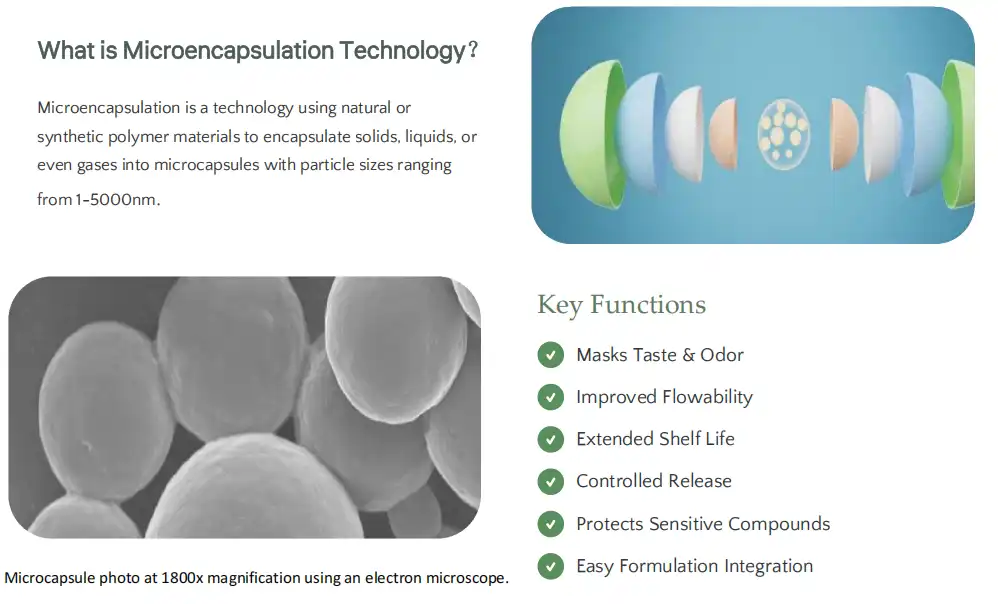
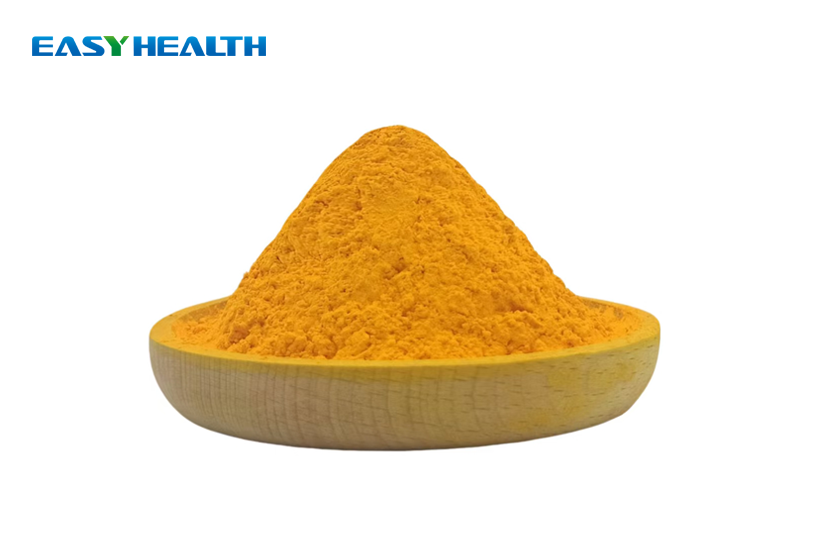
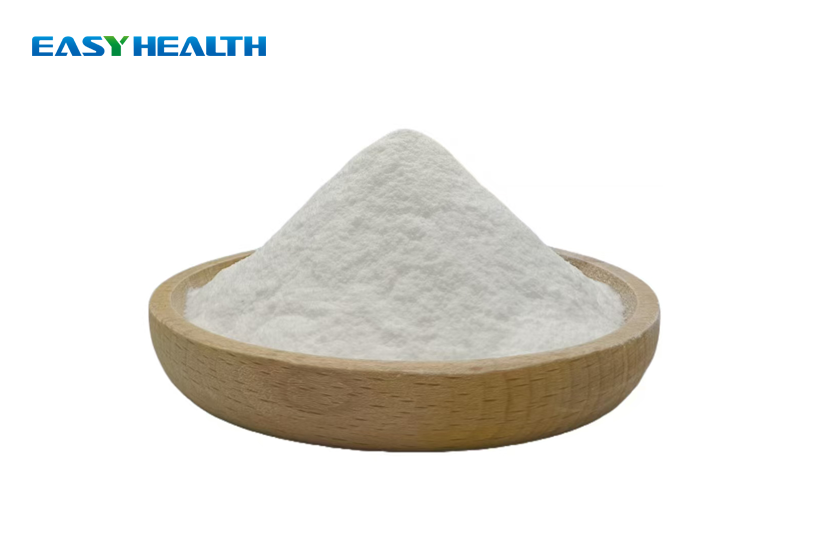
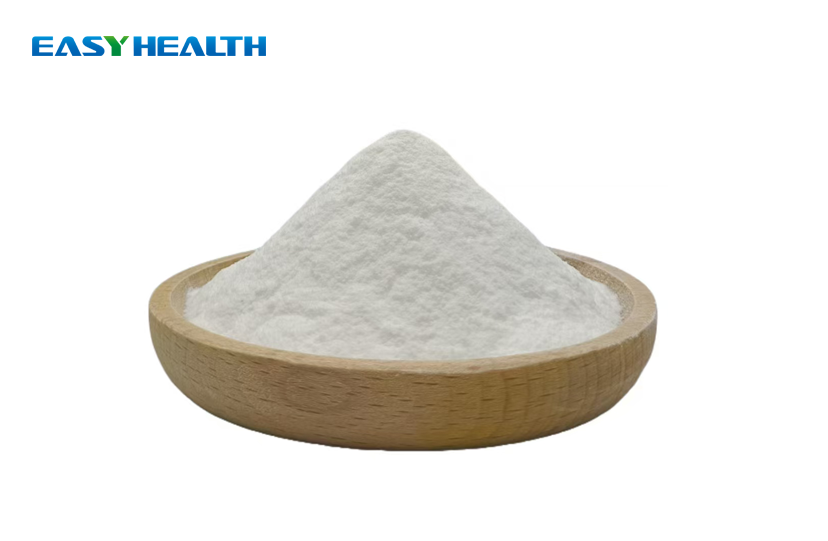
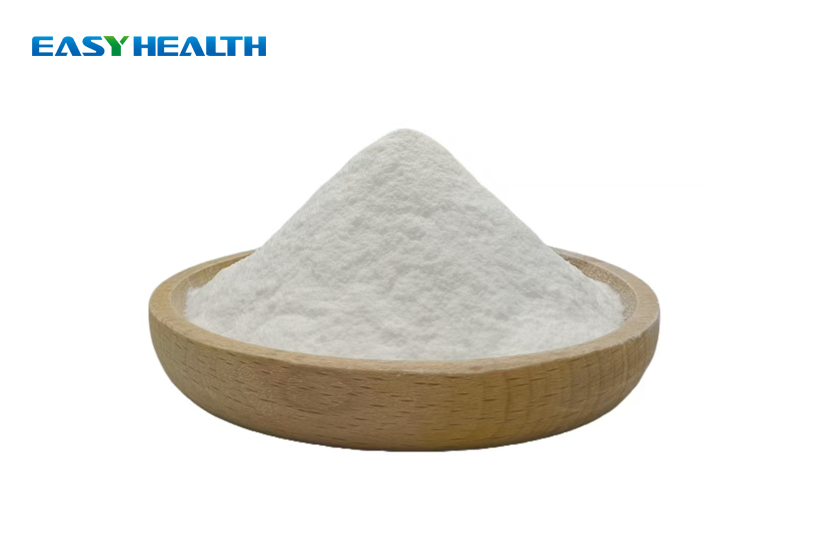
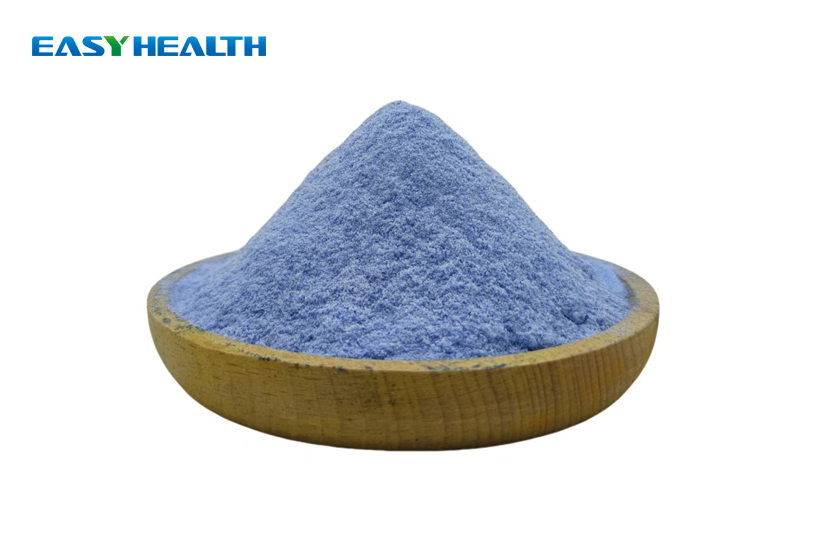
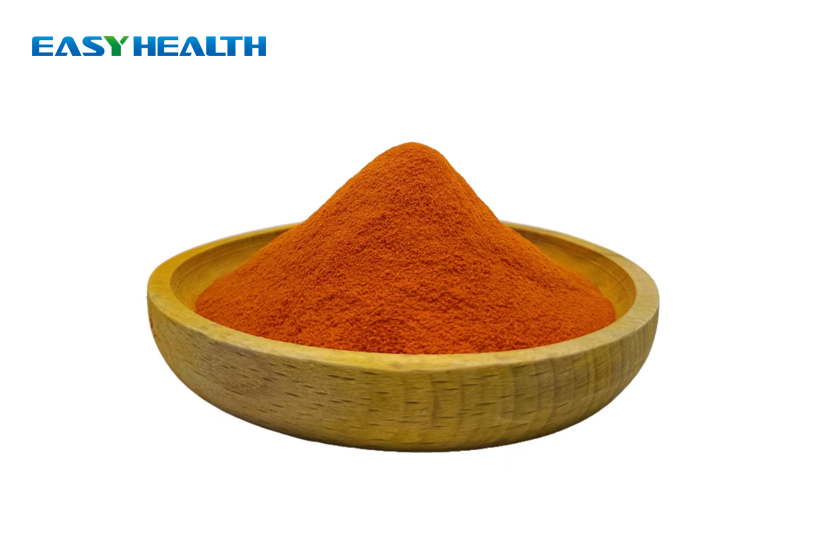
Microencapsulated astaxanthin powder is a processed form of natural astaxanthin where the active carotenoid is enclosed within a protective wall material—typically modified starch or a multi-layer matrix—to shield it from oxidation, light, and heat. Sourced from Haematococcus pluvialis microalgae, this delivery format preserves the esterified astaxanthin structure while making it compatible with solid-dose and water-based applications. At Easy Health, our triple-wall microencapsulated astaxanthin powder achieves over 70% bioavailability and disperses fully in cold water within seconds, making it a technically superior ingredient for functional beverages, softgels, tablets, and oral beauty products.
Understanding Microencapsulated Astaxanthin Powder
Before you commit to a sourcing decision, it helps to understand what microencapsulation actually does to astaxanthin—and why it matters for product performance.
What Microencapsulation Does to Astaxanthin
Astaxanthin is a lipophilic carotenoid. In its raw state, it degrades quickly when exposed to oxygen, UV light, or elevated temperature. Microencapsulation wraps the active compound in a wall material that blocks these degradation pathways. The result is a free-flowing powder that retains antioxidant potency through manufacturing, shipping, and shelf storage.
Natural Sources: Why Haematococcus pluvialis Matters?
Astaxanthin is found in microalgae, krill, salmon, and yeast. However, Haematococcus pluvialis algae produces the highest natural concentration of esterified astaxanthin. The esterified form—mono- and diesters in approximately a 7:3 ratio—is structurally more stable and absorbs better in the human gut compared to the free-form astaxanthin found in synthetic or yeast-derived products.
Why the Encapsulated Powder Format Wins in Commercial Applications?
Astaxanthin oil is difficult to scale in solid-dose manufacturing. Regular non-encapsulated powder oxidizes rapidly and stains equipment. The encapsulated powder format solves both problems. It flows well on tablet presses, disperses evenly in beverage matrices, and maintains a consistent reddish-orange color across the entire shelf life—a detail that directly affects repeat purchase rates for premium consumer brands.
Comparing Microencapsulated Astaxanthin Powder to Other Forms
In B2B construction, not all forms of astaxanthin work the same. This is how the compressed powder stacks up against the main options on the market.
Encapsulated Powder vs. Raw Powder and Oil
There is no barrier around raw astaxanthin powder to keep it safe. Surface oxidation starts almost right away after being exposed to air. This raises the peroxide value and lowers the quality of the color. Astaxanthin oil is very strong, but it doesn't work with tablet compression or powdered beverage forms. Our tiny powder keeps the amount of oil on the surface at ≤1.0% and the amount of peroxide at ≤2.5 mmol/kg. These levels stay within the acceptable range for 24 months when kept below 15°C.
Spray Drying vs. Coacervation: Encapsulation Method Comparison
Spray drying is the most popular method used in business. It makes microencapsulated astaxanthin powder particles that are small, regular, and easy to flow (95% through 40 mesh in our case). Coacervation makes the wall thicker, but the particles are usually bigger and less likely to spread. Our triple-wall spray-dry process is set up with the right hydrophilic-lipophilic balance (HLB) number. This is what lets cold water mix the ingredients without any sediment or flying particles.
Liposomal Astaxanthin vs. Microencapsulated Powder
It is possible for liposomal forms to absorb a lot of fluids, but they are hard to make and cost a lot when mixed with dry materials. If a company wants to make a line of different products, like capsules and quick drink sachets, microencapsulated powder is a cheaper option that has the same or better solubility data in solid-dose situations.
Technical Insights: How Microencapsulation Enhances Astaxanthin Stability and Performance?
The science behind the defense is simple, but it needs to be carried out with great care. The numbers show the following:
Triple-Wall Barrier and Oxidative Stability
The walls of our product are made of three layers. Each layer protects against a different type of degradation: the deepest layer holds the lipid-soluble active, the middle layer controls wetness, and the outer layer keeps the surface from flaking. This design keeps the peroxide level at or below 2.5 mmol/kg, which is a direct measure of oxidative stability and well within the range that is good for two years of shelf storage.
Bioavailability: Esterified Natural Form vs. Synthetic Free Form
According to published pharmacokinetic data, plasma amounts of esterified astaxanthin from Haematococcus pluvialis are much higher than those of manufactured free-form astaxanthin. Our naturally esterified product stays an antioxidant for more than 12 hours after it hits its highest plasma level, which happens in about 2 hours. Bioavailability is more than 70%, while manufactured free-form astaxanthin is less than 10%. This is a difference of about 10 times, which your formulation team can talk about directly in marketing materials.
Cold-Water Dispersibility as a Formulation Performance Metric
When used in drinks, dispersibility is a "pass" or "fail" test. People will complain on social media about a powder that floats, clumps, or leaves a ring on the wall of the container. This hurts the brand's reputation. When mixed with cold water, our HLB-optimized matrix dissolves completely in seconds, leaving behind a clear, evenly colored solution with no residue. We include dispersibility test data with every Certificate of Analysis, so you can see that this claim can be backed up.
Procurement Guide: Sourcing High-Quality Microencapsulated Astaxanthin Powder
Choosing a microencapsulated astaxanthin powder supplier involves more than comparing price per kilogram. The following criteria define a reliable long-term partner.
Certification and Regulatory Alignment
The certification matrix is important for brands that want to sell in North America, Europe, and Asia all at the same time. Easy Health is registered with the FDA, ISO, Halal, Kosher, the USDA NOP, the EU Organic, and HACCP. China's food safety rules say that artificial astaxanthin can't be in food, so the only way to get into that market is to use material that comes from algae. Your whole line of products is safe when you check your supplier's algae-source paperwork before you place an order.
COA Transparency, Heavy Metal Data, and Lot Traceability
A full Certificate of Analysis is included with every package from Easy Health. It shows the amount of astaxanthin, heavy metals (Pb ≤2.0 mg/kg, As ≤1.0 mg/kg), microbes (E. coli negative, Salmonella negative/25g), and oxidative stability markers. Full lot traceability from growing algae to final packaging means you can show proof in response to any government request or customer complaint.
Concentration Options and MOQ Flexibility
The same quality-controlled production line makes all four percentage grades: 1%, 2%, 3%, and 5%. The 1% grade is good for functional drink packets. For softgels and gummies, the 2% grade works well. Tablet reduction works with the 3% grade. The 5% grade is made for high-strength softgels and high-end oral beauty products. All grades have the same quality standards, which makes your quality management system easier to use when you have a lot of different SKUs.
Usage, Dosage, and Safety Considerations
Recommended Dosage for Supplement Applications
Astaxanthin doses ranging from 4 mg to 12 mg per day have been used in clinical studies. It has been used in studies to protect the eyes and face from UV light (4–8 mg per day). At a 5% quantity, one gram of our powder has 50 mg of astaxanthin in it. This lets formulators precisely control the amount of medicine that goes into each pill, tablet, or drink.
Safety Profile and Regulatory Status
A lot of people in the US think that astaxanthin from Haematococcus pluvialis is safe (GRAS). It doesn't have any meat or shrimp in it, so it can be used in Halal and Kosher recipes. No major side effects have been seen at the doses that are recommended for supplements. People who are pregnant or nursing should be careful with this vitamin as well as most strong antioxidants.
Storage and Handling to Preserve Active Potency
Covered things should be kept below 15°C and away from water and direct sunlight. Once the lid is open, quickly close it again and use within the time limit given. The item can be kept for 24 months because of these reasons. The item should be kept in its original box until it is added to the batch of formulation.
Conclusion
For brands in oral beauty, eye health, and functional beverages, microencapsulated astaxanthin powder from Haematococcus pluvialis is a technically sound and commercially appealing ingredient. The triple-wall encapsulation keeps the oxidative stability, the natural esterified form makes it more bioavailable, and the ability to dissolve in cold water gets rid of the most common formulation failure point. When you need to get certified for both Western and Asian markets, you have to show proof that your algae came from natural sources. Everything that Easy Health sells comes in four different concentrations and is fully traceable. Each shipment is backed by a batch COA and over 11 years of production experience.
FAQ
How long is the shelf life of this encapsulated astaxanthin powder?
The shelf life is 24 months when stored in sealed containers below 15°C, away from light and moisture. Every batch is tested for peroxide value and oxidative stability before shipment.
Does microencapsulation really improve absorption compared to astaxanthin oil?
Yes. The esterified natural form in our product achieves over 70% bioavailability, compared to less than 10% for synthetic free-form astaxanthin. The encapsulation matrix also improves dispersion in the gut, which supports consistent absorption across solid-dose and beverage formats.
Is this product suitable for vegan and Halal-certified formulations?
Yes. Our microencapsulated astaxanthin powder is certified Halal, Kosher, and USDA NOP Organic. It is shellfish-free and vegan-compatible, with allergen declarations included in each shipment's documentation.
Can the 1% grade be used in cold-water beverage applications?
Yes. All four concentration grades use the same HLB-optimized encapsulation matrix, so the 1% grade disperses in cold water within seconds without sediment or container-wall adhesion.
What testing documentation comes with each order?
Each batch ships with a full Certificate of Analysis covering HPLC astaxanthin content, heavy metal limits, microbial results, peroxide value, surface oil percentage, and moisture content.
Request a Sample from Easy Health — Your Trusted Microencapsulated Astaxanthin Powder Supplier
Easy Health has spent more than 11 years getting better at making natural plant extracts that meet the needs of B2B brands. When you order our microencapsulated astaxanthin powder, it comes with full certification paperwork, batch COA, and stability data. This gives your formulation team all the information they need to confidently move from samples to production. Please email Devin at devin@easyhealthbio.com or visit easyhealthinc.com to ask for a sample or talk about your unique needs.
References
1. Ambati, R. R., Phang, S. M., Ravi, S., & Aswathanarayana, R. G. (2014). Astaxanthin: Sources, extraction, stability, biological activities, and its commercial applications. Marine Drugs, 12(1), 128–152.
2. Coral-Hinostroza, G. N., Ytrestøyl, T., Ruyter, B., & Bjerkeng, B. (2004). Plasma appearance of unesterified astaxanthin geometrical E/Z and optical R/S isomers in male volunteers administered single doses of a mixture of optical 3 and 3′R/S isomers of astaxanthin fatty acyl diesters. Comparative Biochemistry and Physiology Part C, 139(1–3), 99–110.
3. Odeberg, J. M., Lignell, Å., Pettersson, A., & Höglund, P. (2003). Oral bioavailability of the antioxidant astaxanthin in humans is enhanced by incorporation of lipid-based formulations. European Journal of Pharmaceutical Sciences, 19(4), 299–304.
4. Yuan, J. P., Peng, J., Yin, K., & Wang, J. H. (2011). Potential health-promoting effects of astaxanthin: A high-value carotenoid mostly from microalgae. Molecular Nutrition & Food Research, 55(1), 150–165.
5. Fassett, R. G., & Coombes, J. S. (2011). Astaxanthin: A potential therapeutic agent in cardiovascular disease. Marine Drugs, 9(3), 447–465.
6. Rao, A. R., Sindhuja, H. N., Dharmesh, S. M., Sankar, K. U., Sarada, R., & Ravishankar, G. A. (2013). Effective inhibition of skin cancer, tyrosinase, and antioxidative properties by astaxanthin and astaxanthin esters from the green alga Haematococcus pluvialis. Journal of Agricultural and Food Chemistry, 61(16), 3842–3851.

_1784173402819.webp)