How to Choose Marigold Extract Lutein for Dietary Supplement Formulations
You need to know what a good and bad ingredient is before you can choose the right marigold extract lutein for your supplement recipes. Lutein comes from the petals of the Tagetes erecta L. plant. It is considered good if it has at least 82% trans-lutein, can handle industrial stress like pellet extrusion, and comes with a full Certificate of Analysis that checks for heavy metals, microbiology, and solvent residues. What kind of supplier you choose will affect how well your product works, how it is controlled, and how competitive it will be in the long run. This is true whether you are making eye-healthy softgels or functional premixes.

Understanding Marigold Extract Lutein and Its Benefits
For business, flower marigolds are the best natural source of lutein in the world. Like spinach and kale, their flowers have a lot more xanthophyll than their leaves. To make a lot of different vitamins, they are the best thing to use.
What Makes Marigold Lutein Unique?
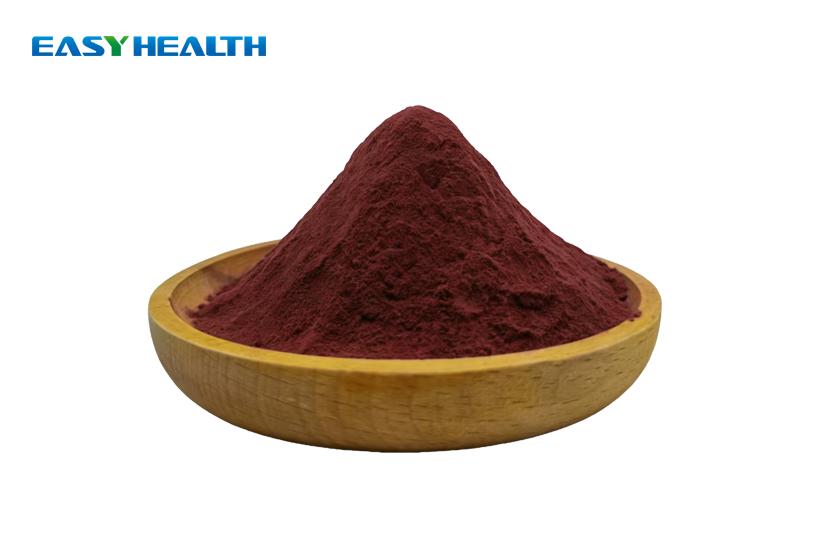
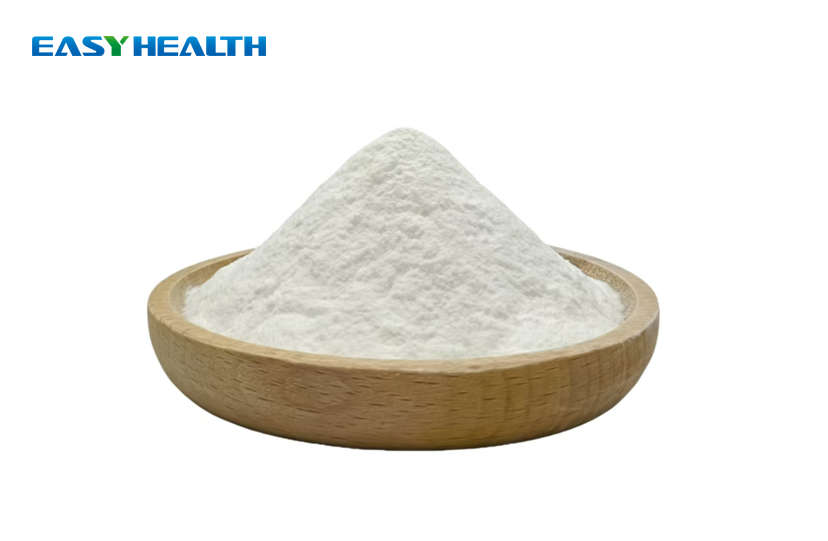
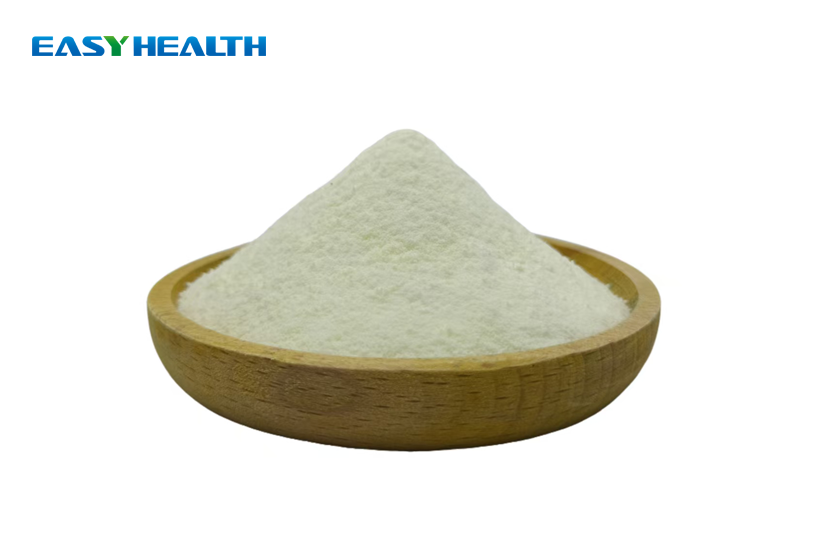
This orange to orange-yellow powder is made up of the chemicals C₄₀H₅₆O₂. It has 568.87 g/mol (USP 127-40-2). Trans-lutein is the molecule's main shape. There are some of the same carotenoids in it that are in our retinas. This is the main reason why they look for this shape instead of cis-isomers, which are not as bioavailable.
Eye Health and Macular Protection
That's where lutein grows, which is why that colour is there. AREDS2 and many other studies have shown that daily lutein intake blocks high-energy blue light and lowers the stress that oxidative stress causes in cells that sense light. In the US, this makes it the most common ingredient in products meant to stop age-related macular degeneration (AMD).
Zeaxanthin and the Carotenoid Synergy
Lutein, zeaxanthin, and β-carotene are all vitamins that are found naturally in good marigold extract. This mix of 10:2 lutein to zeaxanthin is used a lot in research on eye health since it is the most like how macular pigment is made. The service company you choose should use HPLC to measure both types of carotenoids in each batch, not just the total amount of carotenoids.
Essential Criteria for Choosing Marigold Extract Lutein for Formulations
Not every lutein extract works the same way when it is made in the real world. Before you place your order, make sure you read all of the legal and technical parts. In the long run, things that you fix will cost you a lot less.
Purity, Assay, and Test Method
It is common for the test range to be between 2% and 6% lutein standardisation. The trans-lutein must be at least 82% pure to pass. Don't trust sites that only list "total carotenoids" without also saying how much trans-lutein they have. Label claims don't make sense in this case. You should get proof from a third-party lab along with the COA from the supplier. Each number should be 5% different from the other.
Natural vs. Synthetic Lutein
Marigold extract has natural lutein, and marigold extract lutein is made up of the same three building blocks that are found in eye cells. Artificial lutein, on the other hand, might have racemic blends that aren't as good for you, and it costs less. At the moment, the US and EU will only accept lutein that comes from foods and medicines. Making sure that your product comes from plants will protect it from going against the rules.
Certifications That Matter for B2B Buyers
A certification doesn't just let people buy something; it can also keep them from doing so. You can trust a global source if they have at least ISO 9001, ISO 22000, HACCP, FAMI-QS (to check big feed groups), Halal (to sell to the Middle East), and Kosher. Each licence is bought by a different person or group of people. A business deal might not work out if you don't have even one.
Comparing Marigold Extract Lutein Products in the Market
You can buy a lot of different types of cooking books. It's simple to make a big mistake that costs a lot of money: go with the wrong one.
Micro-Encapsulated Powder vs. Oil Suspension
To make feed pellets and pills with the microencapsulated powder with an antioxidant layer, you can still heat it to 85°C to 90°C. This will not lose much of its isomerisation. When used in softgel fills, oil solutions work well, but they can go bad if you don't watch the temperature of the fill. Scientists have found that the sealed powder structure is the best way to make plant powders, pills, and premixes for animal feed.
Cold Water Soluble (CWS) Grade for Beverage Applications
Because lutein is a colour that breaks down in fat, it can make clear drinks look like they have a "oil ring." Nano-emulsion technology works well with a certain type of CWS and water. It stays the same pH level and doesn't settle over time, so it's safe to drink. Do that if you want to make a clear shot or a useful drink.
Supplier Reliability Indicators
You should look at three other things besides specs to help you choose the right supplier: batch-to-batch HPLC consistency shown across at least three consecutive COAs; a minimum order quantity (MOQ) that fits your production scale (25 kg is the standard MOQ for quality producers); and 25 kg nitrogen-flushed packaging with a confirmed 12-month shelf life. When a service does these things, it means they won't be ready to help you for a long time.
Procurement Best Practices for Bulk Purchasing and Supply Chain Management
If you buy food in bulk the right way, it will stay fresh from the plant to the table. These are the main things I tell people who buy from businesses.
- Cross-check assay values, heavy metals (Pb ≤3 mg/kg, As ≤3 mg/kg, Cd ≤1 mg/kg, Hg ≤1 mg/kg), microbial counts (TPC ≤1,000 CFU/g), and ethanol residuals (≤50 ppm) by asking for three straight batch COAs. A stronger sign of quality than a single great result is consistency across batches.
- Talk about price-index linkage clauses. The prices of marigold flower harvests change with the growing seasons in Mexico and India. A long-term supply agreement that bases prices on a public index of raw materials protects both the buyer and the seller from the ups and downs of the spot market. This keeps your cost model stable over the course of an annual planning cycle.
- Check the guidelines for the cold chain and packaging. Lutein breaks down in heat, light, and humidity. Store food in nitrogen-flushed, double-walled paper bags or aluminum-lined fibre drums at controlled temperatures (below 25°C, RH ≤65%) to make it last longer. Make sure that your transportation partner takes care of these issues at all transit points, not just the beginning and end points.
Please ask to see more than one batch of COA side by side. Get three batch COAs in a row and look at the test results for bacteria counts (TPC ≤1,000 CFU/g), heavy metals (Pb ≤3 mg/kg, As ≤3 mg/kg, Cd ≤1 mg/kg, Hg ≤1 mg/kg), and ethanol residuals (≤50 ppm). Things are good if they don't change between runs, not just if they do great once. - Let's talk about how price indices are linked. Mexican and Indian rates for marigold extract lutein change when the marigold flower harvest comes around. People who buy and sell goods can avoid the ups and downs of the spot market if they agree on prices that are based on a public measure of raw materials. This keeps your cost model steady as you make plans for the next year.

Formulating with Marigold Extract Lutein: Practical Insights
Figuring out how lutein acts in different delivery methods stops formulation problems before they happen on a large scale.
Delivery Format Selection
The softgel is still the standard for eye health supplements because fat-soluble carotenoids are better absorbed when they are given with a lipid carrier. Direct-compression-grade powder works well in tablet and capsule forms as long as the right emulsifier is added. Since depositing temperatures can reach 80–85°C, gummy forms need to be tested for thermal stability.
Stability and Shelf Life Management
When sun, oxygen, and high humidity hit lutein, it breaks down. When used with nitrogen flushing and desiccant inserts, amber glass or opaque blister packaging keeps active ingredients fresh for a much longer time. The ICH Q1A standards say that formulators should do accelerated stability studies at 40°C/75% RH before putting a shelf-life claim on the label.
US and EU Regulatory Compliance
In the US, lutein that comes from marigold extract is considered GRAS (FDA 21 CFR) and can be used in regular foods. It is also widely used in dietary supplements under DSHEA. The EU considers it an ingredient in food supplements, and there are set maximum levels. Label claims in both markets need to be backed up by ingredient-level proof, like a plant source declaration, an HPLC assay, or an allergen statement. Your product registration timeline will be sped up if your supplier provides this documentation package on their own.
Conclusion
You can choose the best lutein ingredient if it has clear trans-lutein data from HPLC, stable temperatures for your production process, the right certifications for your target markets, reliable batch-to-batch COA data, and a provider with real technical support for marigold extract lutein. It makes the goods, the rules, or the business more dangerous if you skimp on any of these things. Before you place a big order, find out more about the product, read the rules, and try it out for yourself. This is the best way to finish something that works.
FAQ
How much lutein should you take in eye health supplements?
10 mg of lutein and 2 mg of zeaxanthin were taken every day in clinical studies like the AREDS2 study. This is the range of ingredients used in most commercial eye health supplements. Always make sure that the claim on the label matches the clinical evidence that the lawmakers in your target market accept.
What makes wild marigold lutein different from man-made lutein?
The natural lutein from Tagetes erecta still has the same 3R,3'R,6'R structure as human macular pigment. Synthetic forms might have stereoisomers that aren't active. Bioavailability and legal acceptance are not always the same. In some places, only natural-source lutein is allowed in certain types of products.
How can I be sure that the certifications a supplier shows are real?
Ask for certificate numbers and check them directly on the public registry of the organization that issued the certificates. For instance, you can search for FAMI-QS certificates on the official FAMI-QS website. Ask for the most recent date of the audit report and make sure it doesn't expire before you place an order.
What kind of packaging keeps food fresh the longest?
When stored below 25°C with relative humidity below 65% and nitrogen-flushed, light-barrier packaging (aluminum-lined drums or kraft bags) is used, quality micro-encapsulated lutein powder can last for 12 months.
Partner with Easy Health for Your Lutein Supply
Easy Health Inc. is a trustworthy business that has been making plant extracts for over 11 years. They get lutein from marigolds to produce marigold extract lutein. HPLC has been used on each batch of our extract to make sure it has at least 82% trans-lutein. It has also been approved by FAMI-QS, HACCP, ISO 9001, ISO 22000, and Kosher. It takes us 3–5 days to ship most orders when they are OEM or ODM jobs. We give you full technical info too. To get a sample or COA right away, email devin@easyhealthbio.com or go to easyhealthinc.com.

References
1. Age-Related Eye Disease Study 2 Research Group. AREDS2 Report No. 3. JAMA Ophthalmology, 2013.
2. Bernstein, P. S., et al. "Lutein, Zeaxanthin, and meso-Zeaxanthin: The Basic and Clinical Science Underlying Carotenoid-based Nutritional Interventions against Ocular Disease." Progress in Retinal and Eye Research, 2016.
3. Nolan, J. M., et al. "The Relationships between Macular Pigment Optical Density and its Constituent Carotenoids in Diet and Serum." Investigative Ophthalmology & Visual Science, 2014.
4. Rao, A. V., & Rao, L. G. "Carotenoids and Human Health." Pharmacological Research, 2007.
5. Ribaya-Mercado, J. D., & Blumberg, J. B. "Lutein and Zeaxanthin and Their Potential Roles in Disease Prevention." Journal of the American College of Nutrition, 2004.
6. Higuera-Ciapara, I., et al. "Carotenoids and Their Anti-oxidant Function: A Review." Food Reviews International, 2006.