How Is Microencapsulated DHA Powder Made?
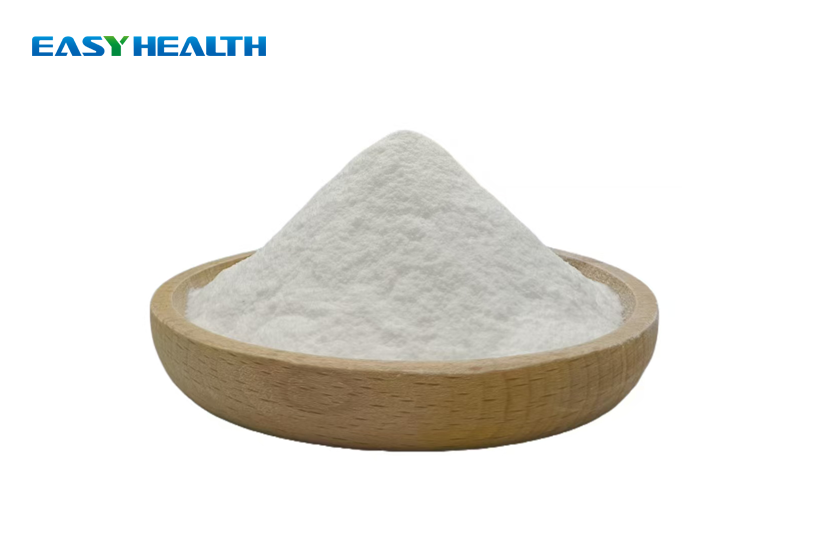
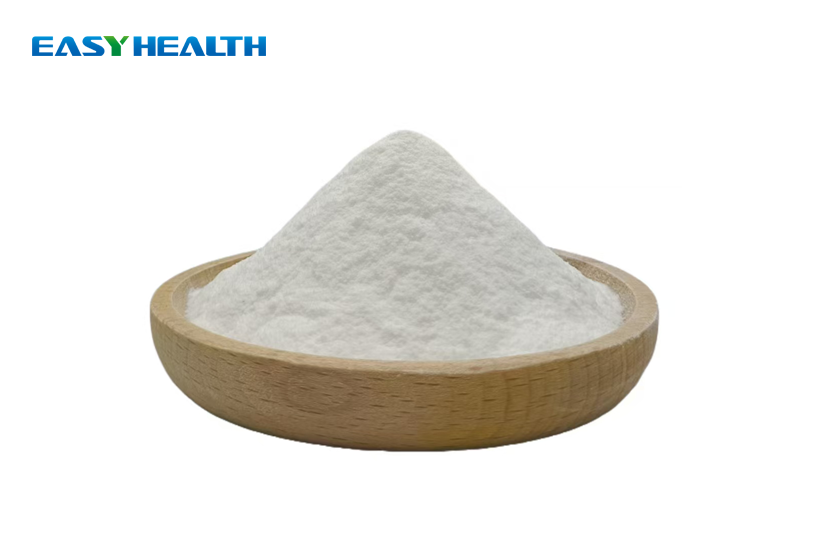
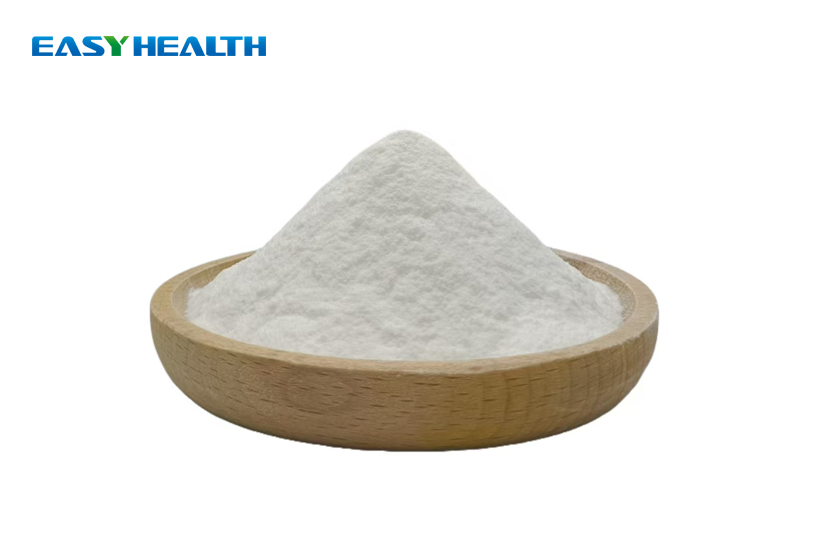
Microencapsulated DHA algal oil powder is made by spray drying or coacervation technology to surround pure DHA oil—obtained from Schizochytrium sp. microalgae—with a protected wall matrix made of modified starch or glucose syrup. There is a DHA assay (as TG) of ≥10%, surface oil of ≤1.0%, and a peroxide value of ≤2.5 mmol/kg in the steady, free-flowing powder that is made by this process. B2B buyers no longer have to worry about oxidation, fishy smells, bad dry-blend compatibility, or short shelf lives because of this manufacturing method.

What Is Microencapsulated DHA Algal Oil Powder?
Before going over the steps of making it, it's helpful to know what makes this ingredient different from other forms of DHA.
Definition and Source
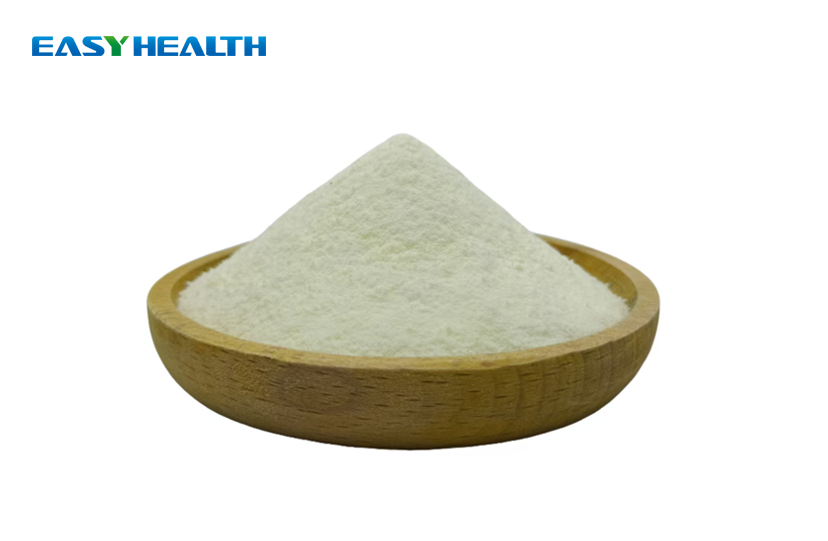
This part is a light yellow powder that comes from Schizochytrium sp. microalgae (CAS No. 6217-54-5). The algae are grown in closed fermentation tanks that are not connected to the ocean. This means that there are no PCBs, dioxins, or heavy metals that come from the ocean.
How It Differs From Regular DHA Powder
A lot of standard DHA powders have more than 3% oil on the surface, which forms an oily film when mixed with water. The encapsulated grades keep the amount of oil on the surface to less than 1% and dissolve completely in 30 seconds of cold water. The difference is clear in the quality of the finished product: it reconstitutes cleaner, has no oily ring, and doesn't have any off-notes.
Why the Powder Form Matters for B2B Buyers
When liquid DHA oil comes in contact with air, it quickly turns rancid, and it's technically hard to mix it evenly into dry mixtures like baby formula. Both problems are solved at once when it is turned into a powder. This gives formulators an ingredient they can store, weigh, and blend without any special tools.
Step-by-Step Manufacturing Process of Microencapsulated DHA Powder
There are strict rules about how things were made. Here's how each step works and why it's important for the whole.
Stage 1 — Raw Material Preparation
From Schizochytrium biomass, good DHA algae oil can be obtained in one of two ways: supercritical CO2 extraction or solvent extraction. It's no longer smelly after the oil has been cleaned. As the natural oil is being packed, gas chromatography (GC) is used to check how much DHA it has and what kinds of fatty acids are in it. Oil can only go through if it follows the rules for coming in.
Stage 2 — Emulsification and Wall-Material Coating
Sugar syrup, sodium caseinate, or modified starch are wall ingredients that are mixed with refined oil to make an emulsion. This method of mixing is known as high-shear mixing. How much core oil we use to make the walls affects the DHA level at the end (which can be anywhere from 7% to 20%) and how well the pills seal. The amount of oil that stays on top after it dries will depend on how well this step makes the mixture.
Stage 3 — Spray Drying or Coacervation
Either a cross-linking agent is added to the microencapsulated DHA algal oil powder emulsion or it is sprayed into a hot room to dry. It's not expensive, can be moved up or down, and makes particles that are simple to move around. In this way, the polymer shell gets stronger. It works best for things that need to be very resistant to oxidation, like foods that are useful and last longer.
Stage 4 — Quality Control and Release Testing
Before it's sold to the public, every production batch goes through a set of structured tests. Buying teams often look for these numbers on a COA, so those are the ones that were checked first:
- DHA Assay (TG form): ≥10%, verified by GC
- Moisture: ≤5.0%
- Surface oil: ≤1.0% (primary encapsulation efficiency indicator)
- Peroxide value: ≤2.5 mmol/kg
- Acid value: ≤1.0 mg KOH/g
- Heavy metals: Pb ≤2.0 mg/kg, As ≤1.0 mg/kg, Cd ≤1.0 mg/kg, Hg ≤0.1 mg/kg
- Microbiological: E. coli negative, Salmonella negative/25g, total plate count ≤1,000 cfu/g
These numbers are in line with the tightest rules for the ingredients that are used to make baby formula. The best way to be sure that food is safe is to follow these rules.

Microencapsulated DHA Algal Oil Powder vs. Other DHA Forms
Comparing formats is often a part of making choices about what to buy. When you're sourcing for business-to-business, these are the criteria that mean the most.
vs. Liquid Algal Oil
It is important to store liquid oil in a cold chain because it goes bad quickly and can't be dry-blended without extra steps of processing. The enclosed powder has a shelf life that is up to 150% longer than liquid oil when stored at room temperature below 25°C. For most uses, it also doesn't need to be kept in a cold chain.
vs. Fish Oil Powder
Fish oil powder comes with some risks, such as possible PCBs and dioxins from marine environments, a strong fishy smell that needs to be covered up, and allergen worries for some customers. Algal-sourced DHA powder comes from only plants, passes blind taste tests with a score of at least 90%, and doesn't contain any marine contaminants. This is a key difference for clean-label and vegan product lines.
vs. Krill Oil
Krill oil has a lot of phospholipid-form DHA, which some research links to good absorption. However, it includes allergens from shellfish, so it can't be used in vegan products. Algal DHA in triglyceride (TG) form is just as bioavailable as TG forms of fish oil and doesn't cause any allergies.
Practical Applications and Usage Guidelines
The teams that buy things will be able to better match needs with the right product if they know where and how this ingredient works best.
Infant Formula and Early Childhood Nutrition
This is the most-used app for businesses to businesses. It doesn't matter how quickly you mix the microencapsulated DHA algal oil powder; it will still be stable against oxidation. It won't smell like fish either, which is important for baby items. The amount of DHA in each batch should be the same or less than 1% less. You have to show proof that the ingredients stay the same in order to register this baby formula. This is very important.
Dietary Supplements and Functional Foods
The microcapsule shell keeps the oil inside the capsules, pills, or chewy vitamins from leaking out when they are pressed together. The vitamins and elements that were added at the same time don't mix with the oil either. The powder is gone after 30 seconds of mixing with cold water. It doesn't make protein shakes or dairy powders with vitamins and minerals stick together in an oily way. The people who make drinks will find this useful.
Pet Food and Emerging Applications
This powder is used by some great pet food brands because it's easy to add to both dry and wet food. DHA is added to cat and dog food to help them see and think better. R&D teams in makeup and drugs that want to make drugs that are applied to the skin or taken by mouth have to follow strict batch rules and keep a lot of paperwork that shows where the ingredients came from.
Procurement Insights: Evaluating DHA Powder Suppliers
That's not all you need to do to find a safe item that can be used in large amounts.
Certifications and Documentation
For each batch, a good provider should be able to give you full COAs and MSDSs. On top of that, they should be certified by GMP, HACCP, and ISO 22000. Babies who buy formula should be able to get test results for Cronobacter sakazakii and other science information.

Production Capacity and Lead Times
When you work with big manufacturers, the lead time is usually 15 days, and each year they can make 50 metric tonnes of goods. Ask the seller if they have extras of things that are selling well. It will be less likely that you'll have trouble getting what you need.
R&D and Custom Formulation Support
Providers with their own R&D departments can change the wall material's make-up, the particle size, and the amount of DHA added (from 7% to 20%). You can do this to fit your process. We have more choices, which cuts down on the time it takes to go from the first question to agreed-upon specs that can be used for production.

Conclusion
There are several steps to making algal DHA powder, including microencapsulated DHA algal oil powder production. Along with spray drying, microalgae fermentation and multi-parameter release tests are all parts of the process. At the end, each step changes the powder's safety profile, its ability to mix, its oxidative stability, and its level of taste. You can ask better questions, be more specific about what you need, and find sellers who can consistently send you things of the quality you need if you know how this process works. This is very important if you are buying supplements, healthy foods, baby formula, or food for your dogs.
FAQ
What is the typical shelf life of this powder?
When stored sealed in a cool, dry environment below 25°C, the powder maintains a shelf life of 12 to 24 months. Nitrogen-flush packaging during production significantly slows post-packaging oxidation.
Does microencapsulation reduce DHA bioavailability?
No. The wall materials break down under digestive enzymes in the small intestine, releasing the DHA core for absorption. Studies show bioavailability of TG-form algal DHA is comparable to fish oil TG forms.
Is it suitable for vegan and allergen-free product labels?
Yes. Formulations using modified starch as the wall material are free from gluten, soy, and shellfish allergens. Buyers requiring a dairy-free version should specify a sodium caseinate-free grade.
Can it withstand high-temperature processing?
Specialized grades with high-stability wall matrices tolerate UHT and pasteurization temperatures, making them compatible with retort or extrusion processes.
What certifications should a supplier provide?
At minimum: GMP, HACCP, ISO 22000, and FDA registration. Halal and Kosher certifications are added value for international market access.
Request a Sample or Bulk Quote From Easy Health — Trusted Microencapsulated DHA Algal Oil Powder Supplier
Easy Health has been making natural goods for over 11 years. The FDA, ISO, GMP, and HACCP have all approved the way they make their products. We offer a full COA/MSDS sheet for our microencapsulated dha algal oil powder. You can keep track of your batches and get help with specific needs (7%–20% DHA). Straight stock is ready to go right away. You can get a sample or talk about what you need made by emailing devin@easyhealthbio.com or going to easyhealthinc.com.
References
1. Barclay, W., & Zeller, S. Nutritional Enhancement of n-3 Fatty Acids Using Microalgal Oils. Journal of the American Oil Chemists' Society, 1996.
2. Kolanowski, W., & Laufenberg, G. Enrichment of Food Products With Polyunsaturated Fatty Acids by Fish Oil Addition. European Food Research and Technology, 2006.
3. Drusch, S., & Mannino, S. Patent-Based Review on Industrial Approaches for the Microencapsulation of Oils Rich in Polyunsaturated Fatty Acids. Trends in Food Science & Technology, 2009.
4. Jacobsen, C. Oxidative Stability and Shelf Life of Foods Containing Oils and Fats. AOCS Press, 2016.
5. Ryckebosch, E., Muylaert, K., & Foubert, I. Optimization of an Analytical Procedure for Extraction of Lipids From Microalgae. Journal of the American Oil Chemists' Society, 2012.
6. FAO/WHO. Fats and Fatty Acids in Human Nutrition: Report of an Expert Consultation. Food and Agriculture Organization of the United Nations, 2010.