Can Liposomal Vitamin C Be A Powder?
Yes, liposomal vitamin C absolutely exists in a powder format, and it represents a breakthrough in nutrient delivery technology for industrial applications. At Easy Health, we produce authentic Liposomal Vitamin C Powder using advanced high-pressure homogenization, which encapsulates ascorbic acid within phospholipid bilayers to create particles ≤150nm with encapsulation efficiency exceeding 90%. Unlike many products in the marketplace that merely blend lecithin with ascorbic acid, our powder maintains the structural integrity of genuine liposomes through specialized spray-drying processes, offering procurement managers improved shelf stability, simplified logistics, and superior bioavailability compared to traditional ascorbic acid formulations.
Understanding Liposomal Vitamin C Powder
The science behind liposomal encapsulation solves three major problems that have traditionally made vitamin C pills less useful: the body can't absorb large amounts of vitamin C, it breaks down quickly in stomachs that are acidic, and it's quickly flushed out of the body through the kidneys.
What Defines Authentic Liposomal Technology
To make true liposomal products, you need to do more than just mix ingredients. The phospholipid bilayer structure looks like the walls of cells, which lets the nutrients get past normal digestive hurdles. Dynamic Light Scattering analysis tells us that the particles we make are always between 100 and 150nm in size, which is the best range for lymphatic absorption and cellular uptake. Each production batch goes through HPLC testing to check the amount of ascorbic acid and measure the effectiveness of the capsule. This makes sure that more than 90% of the active ingredient stays safe inside the lipid sphere. This level of technical accuracy directly leads to measured performance benefits for finished goods that are meant to boost immune health, make teeth look better, and be advanced dietary supplements.
Why Powder Format Matters for Industrial Procurement
Our specialized drying technology solves the engineering problems that come up when trying to turn liposomal structures into stable powder. The free-flowing powder that is made has a moisture content of less than 5% and a peroxide value of less than 2.5mmol/kg. It stays stable for 24 months when stored normally at 25°C and 60% relative humidity. When mixed with water, the powder quickly spreads out to make uniform liposomal droplets again, without settling or sticking together. For procurement managers in charge of foreign supply chains, these qualities get rid of the need for cold-chain operations, lower shipping volume by getting rid of water weight, and make inventory management easier compared to liquid liposomal formats. The powder form also lets you precisely control the dose in a wide range of products, from fizzing pills to ready-to-drink functional drinks.
Chemical and Physical Specifications That Matter
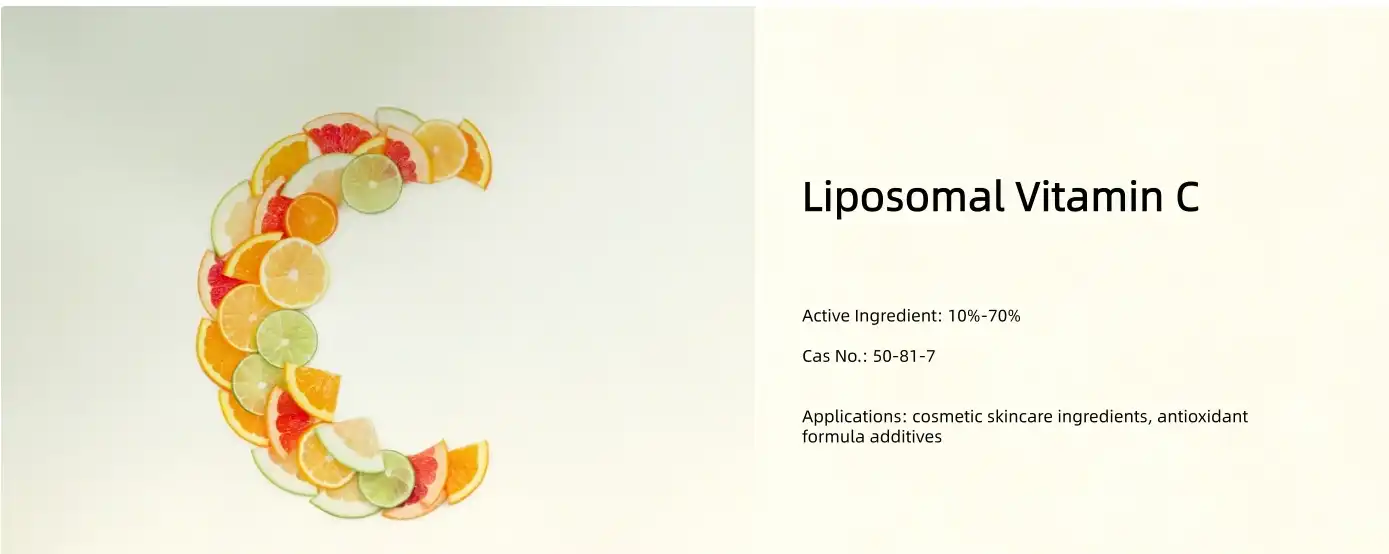
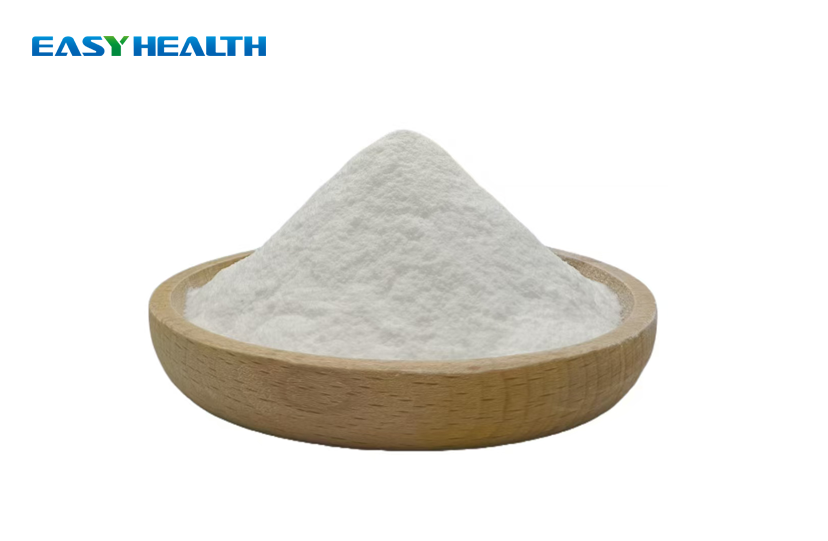
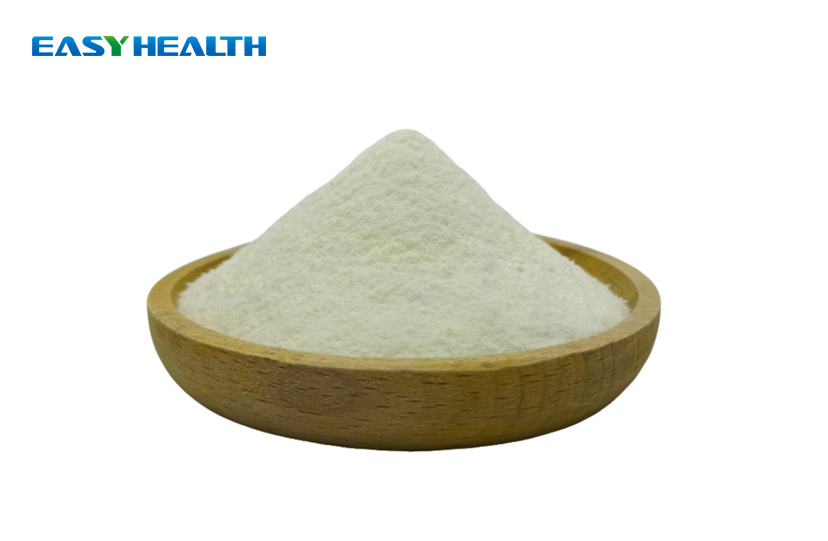
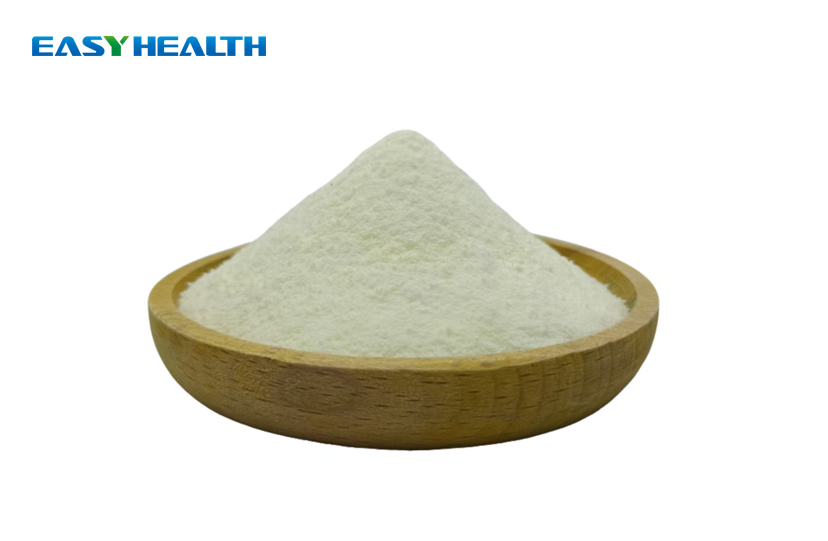
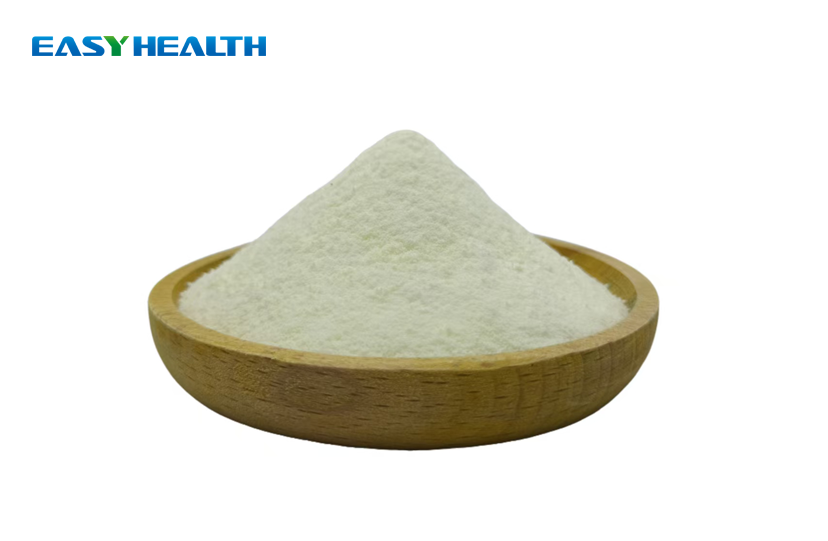
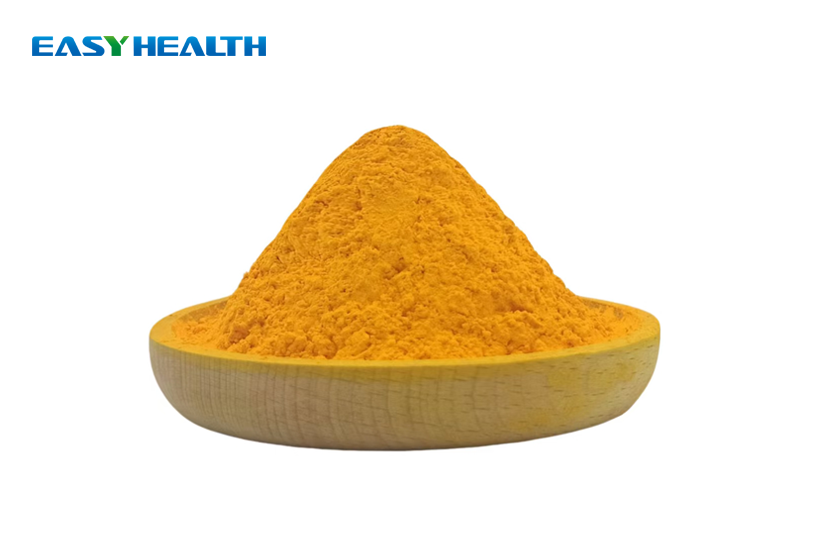
Our Liposomal Vitamin C Powder is light yellow and clear, with 95% of it going through 40-mesh screens without any visible impurities. The formula keeps acid levels below 1.0mgKOH/g, which makes the harsh taste of regular ascorbic acid much less noticeable and increases consumer compliance. The amount of heavy metals in the food is still well below the safe levels set by the international community. There is less than 2 mg/kg of lead, 1 mg/kg of arsenic, 1 mg/kg of cadmium, and 0.1 mg/kg of mercury. Microbiological tests show that the sample is very pure, with yeast and mold counts below 50cfu/g, total plate counts below 1000cfu/g, and negative results for E.coli and Salmonella in 25g samples. Our clients can meet strict regulatory requirements in North America, Europe, and the Asia-Pacific markets without having to do any extra processing thanks to these detailed specifications.
Liposomal Vitamin C Powder vs Other Forms: A Rational Choice for Procurement
When looking at vitamin C ingredients for making products, it's important to know how the different delivery systems work so that you can stay competitive and make the supply chain run smoothly.
Bioavailability Advantages Over Standard Ascorbic Acid
Traditional vitamin C pills have trouble being absorbed because of vitamin C transporter proteins in the gut wall that depend on salt. When the dose goes above 200 mg, absorption rates drop dramatically, and most of the vitamin C that is taken in is flushed out of the body unchanged. This pharmacokinetic profile is fundamentally changed by liposome encapsulation, which makes passive passage across intestinal walls and direct lymphatic pickup easier. Clinical research shows that liposomal delivery can increase the amount of vitamin C in cells by 5 to 7 times compared to standard ascorbic acid doses of the same amount. This bioavailability difference gives brands that are making high-end immune support or nutricosmetic formulations a scientifically sound reason to position their products as high-end and make claims about their therapeutic effectiveness.
Operational Advantages Compared to Liquid Liposomal Products
Some market niches are dominated by liquid liposomal forms, but they can be hard to get, which can be solved by powder formats. Liquid products need to be kept in the fridge, have short shelf lives (12 to 18 months), and cost more to ship because they are heavier and take up more space. This powder option that we make has the same liposomal functions but is stable at room temperature, has a longer shelf life than two years, and lowers freight costs by being more concentrated. OEM makers and contract packagers who deal with a lot of different SKUs can easily add powder ingredients to the equipment they already have for encapsulation, tableting, or pouch filling, so they don't need to buy new equipment just to handle liquids. This operating flexibility speeds up production cycles and lowers the amount of capital equipment that new liposomal supplement brands need.
Key Evaluation Criteria for Supplier Selection
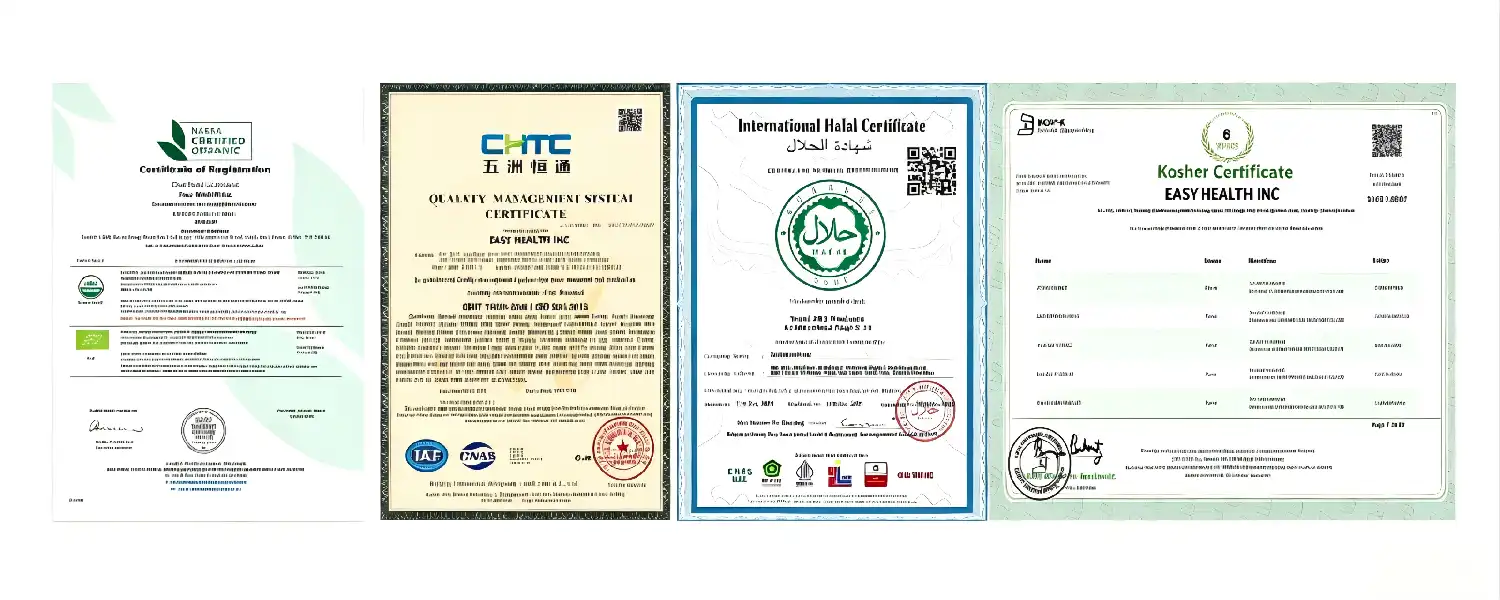
Liposomal Vitamin C Powders operate differently, so check vendors before buying. The important items to look at are independent DLS particle size distribution, centrifugation or dialysis encapsulation efficiency, and certificate of analysis archives batch-to-batch consistency. Manufacturing certifications include ISO standards, Halal and Kosher compliance, FDA facility registration, and organic certifications (USDA NOP, EU Organic), which ensure product quality in regulated markets. Easy Health tracks raw ingredients and provides scientific documentation, including manufacturing process descriptions, analytical method approval, and stability study results. These documentation methods assist our businesses satisfy legal due diligence requirements and supporting marketing claims with science.
How to Use and Dose Liposomal Vitamin C Powder in Industrial and Formulation Settings
Understanding the best incorporation techniques and dose factors across various application categories is essential for successful product development with Liposomal Vitamin C Powder.
Dosage Guidelines Across Application Categories
Most immune health supplements have between 500 and 1500 mg of ascorbic acid equivalent per serving, and the Liposomal Vitamin C Powder concentration is chosen from a range of 10 to 70% active content. Oral skin care and beauty items that work on collagen production usually use 1000 mg to 2000 mg doses to get therapeutic benefits on the skin through the bloodstream. Functional beverages usually use 250 to 1000 mg per dose in ready-to-drink forms or single-serve sachets, balancing how well they work with how they taste. The powder's neutral pH profile and low acidity allow higher-dose formulations without the stomach irritation that comes with regular vitamin C. This makes it easier for people to stick with long-term dosage programs. Formulators should take into account the total lipid content from phospholipid carriers when making product specifications. This will help make sure that nutritional labels are correct and that serving sizes are right.
Storage and Handling Protocols
To keep the integrity of liposomes throughout the supply chain, certain handling rules must be followed. The powder should be kept in cases that can't be opened and are shielded from direct light, moisture, and temperature changes that are higher than normal. We use moisture barrier materials with desiccants in our packaging to keep the low moisture content that is needed for long-term stability. When making something, keep it out of humid places as much as possible and don't use too much mechanical shear, as this could damage the structures of liposomes. When the powder needs to be reconstituted for use in liquids, it works best to slowly mix it with water or beverage bases while gently stirring it. This lets the phospholipid matrix fully absorb water. The powder doesn't need any anti-caking agents or other ingredients to go through normal dosing tools when it's being put into vegetable or gelatin capsules.
Maximizing Absorption in Finished Product Formulations
Liposomal bioavailability may be improved in many ways. Combining Liposomal Vitamin C Powder with fat-soluble nutrients or MCT oil in softgels improves lymphatic absorption. Low processing temperatures preserve ascorbic acid and liposomal structure in beverages. Zinc, collagen peptides, hyaluronic acid, and plant extracts complement the powder. These are prevalent in beauty and immunity goods. Liposomal Vitamin C Powder's enhanced cell distribution may help formulators make partner components operate better by protecting cells and generating collagen. A product should undergo quality control testing, including reconstitution trials, dissolution studies, and accelerated stability procedures, throughout development to ensure it performs properly in the ultimate product matrix.
Safety, Side Effects, and Quality Assurance of Liposomal Vitamin C Powder
Consumer safety and following the rules are two important things that can't be ignored when buying healthy ingredients responsibly.
Safety Profile and Side Effect Considerations
As a water-soluble nutrient with well-established safe higher intake levels, vitamin C has a great safety record. Liposomal delivery doesn't really change the safety profile, but it does make absorption more efficient, which could mean that the dosage needs to be changed from how supplements are usually taken. Constipation is the most common side effect of taking high doses of vitamin C. Liposomal encapsulation greatly reduces this effect by balancing the pH and reducing direct mucosal contact. Our recipe doesn't contain any common allergens, like gluten, lactose, or fake ingredients. This means that it can be used by a wide range of people and reduces the risk of intolerance. We provide proof that products are allergen-free and follow different nutritional principles, such as vegan and organic certifications, for brands that are making products for people with allergies or special dietary needs.
Quality Assurance Through Certification and Testing
In the B2B ingredient market, solid supply relationships are based on thorough quality processes. Easy Health's manufacturing processes are ISO-certified, and HACCP rules are built into all production steps. Our facility is registered with the FDA and is regularly checked by a third party to make sure it follows Good Manufacturing Practices for making dietary ingredients. Each production lot goes through several stages of testing, which include identifying the raw materials, checking the quality of the product as it is being made, and checking the identity, purity, potency, and microbiological safety of the finished product. We include full certificates of analysis with every shipment. These include HPLC chromatograms that show the amount of ascorbic acid, particle size distribution graphs, and data on how well the capsules are sealed. Because the paperwork is clear, our clients can keep strong ingredient qualification files and easily answer regulatory questions or customer due diligence requests.
Batch Consistency and Supplier Verification Methods
Instead of sample assessments, use previous performance data to assess a supplier's reliability. We save analytical data from years of manufacturing. Quality has been maintained during hundreds of production runs. This history offers procurement managers confidence in supply and product reliability, which protects a brand's reputation. Third-party laboratories that do independent tests provide you with peace of mind, and we encourage client-initiated testing procedures as part of the licensing process. Our technical staff provides customers with detailed SOPs for our analyses. Clients may get checks using similar mechanisms. We provide vendor-managed inventory with scheduled compliance testing and automated documentation delivery in accordance with client quality management systems for brands that must constantly monitor quality.
Procurement Insights: Buying Liposomal Vitamin C Powder in Bulk
To strategically source specific products like Liposomal Vitamin C Powder, you need to know how the market works, how to get them, and what affects the total cost of ownership.
Global Sourcing Landscape and Supplier Channels
The Liposomal Vitamin C Powder market targets pharmaceutical and nutritional hubs. Luxury brands used to buy from European and North American specialists. Manufacturers elsewhere have obtained the same technological expertise at lower prices. Easy Health uses high-pressure homogenisation and vertically integrated manufacturing to ensure their liposomal products are authentic and inexpensive. When comparing location purchasing options, procurement managers should consider unit prices and total landed costs, including freight, customs fees, and quality compliance. Our long-term logistics partnerships with FedEx, DHL, UPS, and specialised freight forwarders allow us to reliably deliver packages worldwide, choosing the best mode of transport based on the number of packages, delivery speed, and destination.
Pricing Factors and Contract Negotiation Strategies
Liposomal Vitamin C Powder prices depend on more than ascorbic acid. Our criteria call for 10–70% active ingredient, which affects manufacturing difficulty and material expense. Organic, kosher, halal, and specialty test certifications impact price structures. Order volume affects unit economics, and bulk purchases simplify production planning and raw material delivery. Due to volume-tiered schedules and long-term supply relationships, Easy Health's costs are straightforward and help consumers budget for annual purchases. We have essential specifications to swiftly complete smaller orders. Companies with diverse component profiles may use our bespoke formulation services to fulfil concentration or testing requirements.
Customization Options for Brand Differentiation
Besides our regular goods, we provide OEM and ODM services to customise our products to your market positioning strategy. Options include bespoke mixing with complimentary nutrients, particle size optimisation for particular delivery forms, organic or non-GMO source materials, and private labelling with client branding. Our R&D team works with brands producing their own formulations to enhance them, develop testing methodologies, and ensure stability. This technical collaboration strategy may reduce the 12–18-month development cycle to 6–9 months for motivated projects. The period from concept to company launch is shortened. We ensure quality and consistency from raw materials to packaging as a vertically integrated Liposomal Vitamin C Powder producer. This eliminates markups and supply chain complexity that might compromise product quality or delivery time.
Conclusion
Scientifically enhanced Liposomal Vitamin C Powder solves the challenges with normal ascorbic acid administration and helps business-to-business buying and product creation. Measurable bioavailability improves with the technology. This makes premium supplements stand out in the supplement market since lower dosages may provide therapeutic results. Powder is simpler to transport, lasts longer on the shelf, and may be utilised in more formulas than liquid for procurement staff. You must carefully pick a service that employs genuine production procedures, maintains tight quality records, and ensures each batch works the same. Liposomal delivery methods will become more important in immune health, nutricosmetic, and functional wellness categories as the nutritional supplement industry prioritises bioavailability and consumer effects over ingredient cost.
FAQ
1. What is the difference between liposomal vitamin C powder and regular vitamin C?
The most important difference is not the vitamin C molecule itself, but how it is delivered. Ascorbic acid works through active transport proteins in the lining of the intestines. These proteins get full at low doses, which stops the absorption of ascorbic acid. Liposomal versions put the vitamin inside phospholipid spheres that look like cell walls. This lets the vitamin be absorbed passively and through the lymphatic system. This structural difference makes it much easier for cells to take it in and for the drug to concentrate in the blood. Studies have shown that it is 5-7 times more bioavailable. The powder form keeps these containment benefits while being more stable and easier to handle than liquid liposomal goods.
2. How should liposomal vitamin C powder be stored during shipping and warehousing?
When stored properly, the ascorbic acid's effectiveness and the liposomal structure stay intact throughout the distribution channels. The powder needs to be kept from getting wet, because that can damage the dry matrix and start rusting. Temperatures for storage should stay between 15°C and 30°C. Avoid extreme heat that could make phospholipids less stable. Ascorbic acid doesn't break down in light because it's protected by opaque packaging materials. While liquid liposomal goods need to be kept cold, the powder format can be shipped and stored at room temperature, which makes transportation much easier and cheaper. Our wrapping uses materials that keep dampness out and desiccants to keep the moisture level below 5% for the normal amount of time that packages are sent out.
3. How can I verify that a supplier provides authentic liposomal vitamin C rather than simple lecithin mixtures?
To verify a supplier, you need to look at specific scientific documents that easy mixtures can't give you. Ask for particle size distribution data that was produced by Dynamic Light Scattering analysis. This should show that the particles are all the same size, which is between 100 and 150 nm for real liposomes. Demand that testing of encapsulation efficiency show the amount of vitamin C that is actually contained within lipid structures instead of existing as free ascorbic acid; real products get rates higher than 90%. Ask for pictures taken with a transmission electron microscope that show the real bilayer vesicle shapes. Read through descriptions of the manufacturing process. To make real liposomes, you need to use high-pressure homogenization or other advanced methods, not just mix the ingredients together. At Easy Health, we back up our claims that our liposomal technology is real with full technical documentation that includes analytical methods, batch testing records, and validation of the manufacturing process.
Partner with Easy Health for Premium Liposomal Vitamin C Powder Supply
Easy Health is ready to help you reach your goals for new products by providing you with real, high-performance Liposomal Vitamin C Powder that is made to the highest quality standards. We have been a supplier of Liposomal Vitamin C Powder for over 11 years and have a lot of experience with plant extracts and advanced delivery systems. We offer bulk buying options, flexible OEM/ODM services, and full technical support from formula development to commercial production. Our ISO-certified plant stays Halal, Kosher, USDA Organic, and FDA-registered, making sure that all global markets are met. For each batch, the particle sizes are checked to be less than 150nm, the encapsulation efficiency is at least 90%, and there is full analytical documentation to support your marketing and regulatory needs. Get in touch with our team at devin@easyhealthbio.com to talk about your specific buying needs, get technical specs and samples, or look into custom recipe options that will help your brand stand out in the crowded health supplement market.
References
1. Davis, J.L., Paris, H.L., Beals, J.W., et al. (2016). "Liposomal-encapsulated Ascorbic Acid: Influence on Vitamin C Bioavailability and Capacity to Protect Against Ischemia-Reperfusion Injury." Nutrition and Metabolic Insights, 9, 25-30.
2. Gopi, S., & Balakrishnan, P. (2021). "Evaluation and Clinical Comparison Studies on Liposomal and Non-Liposomal Ascorbic Acid (Vitamin C) and Their Enhanced Bioavailability." Journal of Liposome Research, 31(4), 356-364.
3. Hickey, S., Roberts, H.J., & Miller, N.J. (2008). "Pharmacokinetics of Oral Vitamin C." Journal of Nutritional & Environmental Medicine, 17(3), 169-177.
4. Łukawski, M., Dałek, P., Borowik, T., et al. (2020). "New Oral Liposomal Vitamin C Formulation: Properties and Bioavailability." Journal of Liposome Research, 30(3), 227-234.
5. Padayatty, S.J., & Levine, M. (2016). "Vitamin C: The Known and the Unknown and Goldilocks." Oral Diseases, 22(6), 463-493.
6. Zhao, Y., & Zhang, T. (2019). "Liposomal Delivery Systems for Enhanced Bioavailability of Water-Soluble Vitamins: Design Principles and Manufacturing Technologies." Pharmaceutical Development and Technology, 24(9), 1043-1057.

_1784173402819.webp)