Sophora Japonica Extract Quercetin: Benefits, Uses and Key Properties
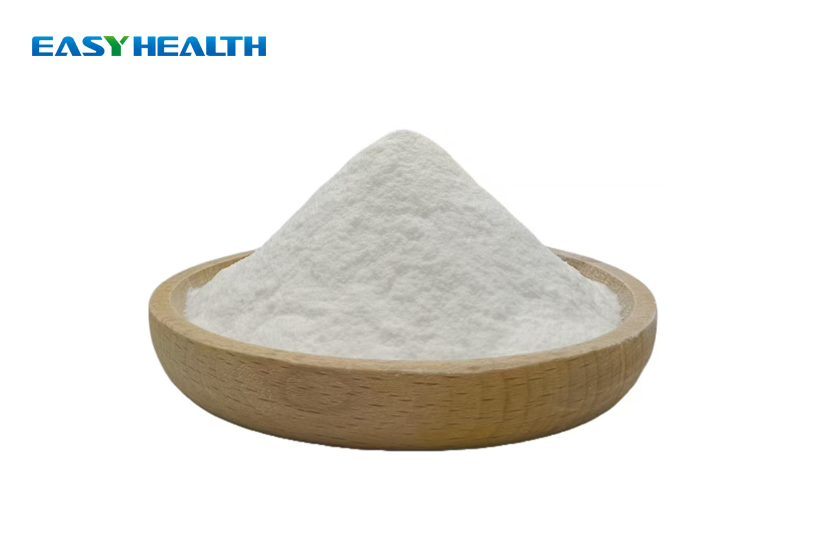
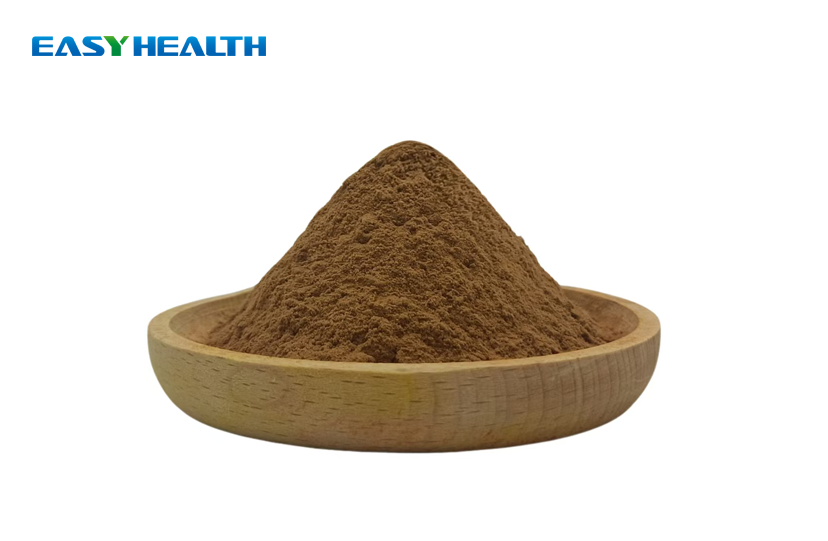
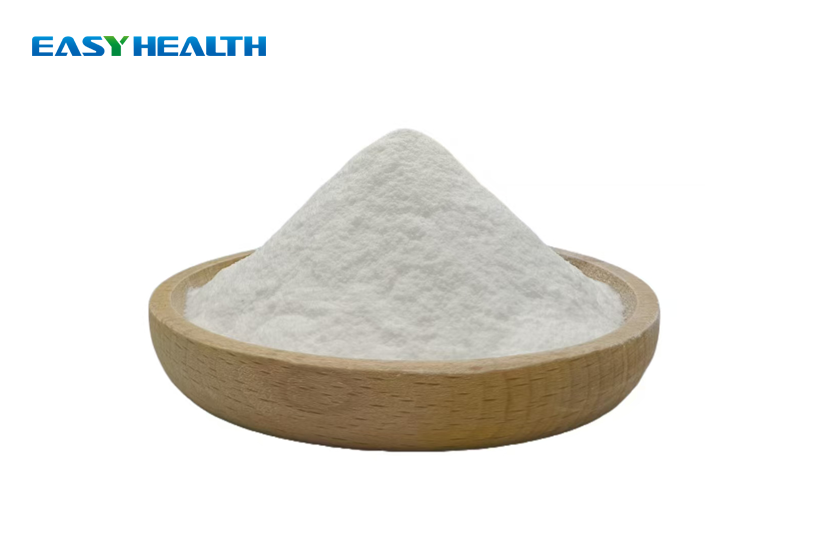
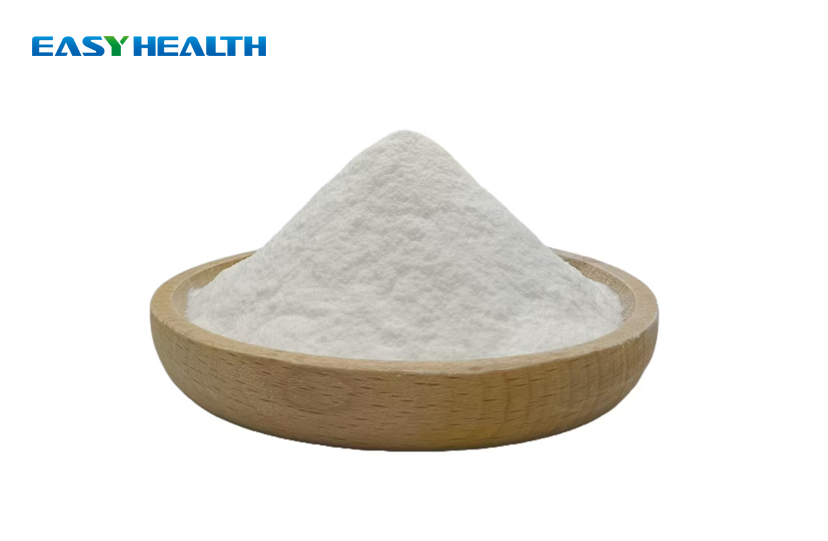
Sophora japonica extract quercetin is a naturally derived flavonoid obtained from the flower buds of the Japanese Pagoda Tree (Sophora japonica L.), standardized to 98% quercetin dihydrate (CAS 117-39-5) by HPLC. It stands apart from generic flavonoid powders through its sub-5μm particle size, 24-month stable dihydrate form, and full-spectrum compliance documentation. For B2B buyers in nutraceuticals, cosmetics, and functional foods, this ingredient offers four validated bioactivities—antioxidant protection, tyrosinase inhibition, zinc ionophore activity, and gut microbiota regulation—backed by traceable supply and international certifications.

Understanding Sophora Japonica Extract Quercetin
Botanical Background and Source Authenticity
Flower buds of the Sophora japonica L. plant were collected in China's Qinling Mountains and used as the raw material. It is well known that this is a good place to farm at a high level with little garbage. These buds have around 20% rutin on their own, which is the organic building block for quercetin. In lower-grade supplies, mixed-origin farm garbage is often used. This controlled sourcing makes sure that the starting material's quality stays the same from season to season.
Extraction Method and Chemical Identity
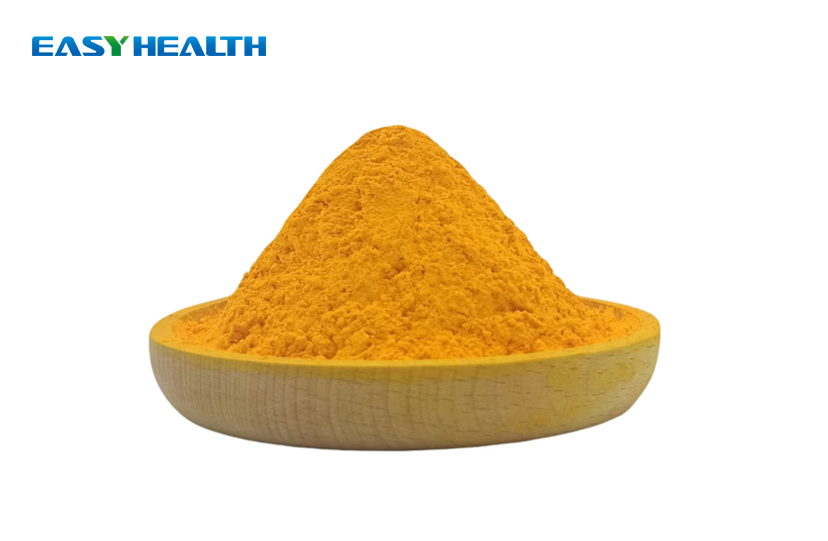
Easy Health Inc. uses a natural hydrolysis method to separate rutin from quercetin. This makes a solid powder that is yellow-green and has the formula C₁H₁O₇. The CAS number for the dihydrate form is 117-39-5. It has two water molecules inside its crystal cell. While it is being stored, this keeps the molecule stable against oxidation and water absorption. HPLC is used to check the identity and purity of each batch. Solvent levels that are still present are kept below USP <467> levels, and heavy metals are confirmed by ICP-MS.
Why the Dihydrate Form Matters for Manufacturers?
This type of quercetin powder often comes in a dry form, which is more likely to clump when pills and capsules are filled with water. The dihydrate crystal structure will stay 98% active for 24 months if you store it the normal way. What this means is that companies that make clean-label, BHT-free products don't have to add any artificial antioxidant stabilizers to the finished product. This is good for business in the North American supplement market.
Health Benefits and Functional Uses
Antioxidant and Anti-Inflammatory Activity
One of the food antioxidants that has been studied the most for getting rid of free radicals is sophora japonica extract quercetin. The claim that it stops NF-κB signaling pathways and lipid peroxidation is backed up by peer-reviewed research. These pathways control the release of inflammatory cytokines. It was written in 2021 in the journal Antioxidants that quercetin from plants of uniform purity reduced oxidative stress markers in cell-based models in a way that depends on the amount. This gives supplement companies a good scientific reason to say that antioxidants work the way they say they do, which is allowed by FDA rules for dietary supplements.
Immune Support via Zinc Ionophore Mechanism
Zinc ions help quercetin get through cell membranes and into the cytoplasm, where they fight viruses and keep the immune system in check. Because of this, the immunity formulation idea of "Quercetin + Zinc" is one of the ones that is growing the fastest in the US over-the-counter vitamin space. This need is met by putting zinc bisglycinate and 98% quercetin dihydrate in one capsule, which doesn't need any complicated technology to dissolve them.
Skin Brightening Through Tyrosinase Inhibition
In the area of beauty science, tyrosinase is the enzyme that stops melanin from being made as quickly. With an IC number that can be measured, quercetin stops tyrosinase from working. Because of this, it can be used instead of manufactured brighteners like hydroquinone. The people who make cosmetic ODMs mix it with different forms of ascorbic acid and niacinamide to create serums for sensitive skin that shine in more than one way. Due to its small particle size (≤5μm), Easy Health's extract is better for getting into the skin than industrial-grade powders that are rougher and bigger.
Comparison with Other Quercetin Sources and Flavonoids
Sophora-Derived vs. Food-Sourced Quercetin
A lot of people say that apples and onions have quercetin in them, but these foods only have very small amounts of it—about 0.03 to 0.05% dry weight. 1 kg of standardized quercetin from food would need a lot of raw plant material and glycoside impurities that make the test less accurate. Sophora japonica buds, on the other hand, have more than 20% rutin, which makes them the best plant source for making a big amount of 98% standardized extract.
Quercetin Dihydrate vs. Anhydrous Quercetin
If you need to work with wet things, like lyophilized powders or makeup concentrates made with solvents, the anhydrous form is better. It has less than 0.5% water. If you want to take a medicine by mouth, the dihydrate form is the standard. It has about 10–12% bound water and is in line with USP and EP monograph references. A Supplement Facts panel does say that most supplement capsules and pressed tablets come in the dihydrate form. This is true.
Quercetin vs. Rutin: Structural Differences That Affect Bioavailability
Rutin is quercetin-3-rutinoside. A disaccharide is linked to position 3 of quercetin, making it unique. This form of glycoside needs to be broken down by bacteria in the gut before it can be taken in. Free aglycone quercetin is more stable and available to cells, while this one is not as stable. There is public information about pharmacokinetics that shows that free quercetin gets to its highest level in the blood faster than rutin. For B2B clients who want to back up claims about immunity or antioxidants, saying that the sophora japonica extract quercetin dihydrate is free and the particles are less than 5μm in size makes the absorption profile more accurate, which is what is needed to support the label claim.
Procurement and Sourcing Guide
Key Quality Checkpoints Before Placing an Order
The teams that are buying should ask for full COA paperwork that includes five sections: the heavy metals test (Pb ≤2.0, As ≤2.0, Cd ≤1.0, Hg ≤0.1 mg/kg), the bacteria test (TPC ≤1000 CFU/g, E. coli and Salmonella negative), and the particle size distribution test (d90 ≤5μm). An easy way to start the qualification process is to compare the supplier's own COA with proof from a third party, like SGS or Eurofins.
This is what a US market provider must do to show that they are following the rules:
This shows that the factory is listed with the US Food and Drug Administration (FDA) as a maker of food and supplement products, which is needed to bring goods into the country under HS Code 130219.

Finish products with clean labels and organic certification will stand out in stores in North America and Europe if they are USDA NOP/EU Organic.Halal & Kosher: More and more contract manufacturers who work with brands from more than one market need this kind of certification because it has value for both Muslim and Jewish customers.
- FDA Registration: Confirms the facility is registered as a food/supplement ingredient manufacturer with the US FDA, required for import under HS Code 130219.
- USDA NOP / EU Organic: Supports clean-label and organic-certified finished product positioning in North American and European retail channels.
- Halal & Kosher: Dual certification addresses both Muslim and Jewish consumer markets and is increasingly required by contract manufacturers serving multi-market brands.
- HACCP / ISO 9001: Documents production-level hazard control and quality management systems, satisfying audit requirements from institutional buyers and third-party certifiers.
All of these certifications make it safer for brands to buy from China and sell in FDA-controlled markets. Easy Health Inc. has all of these licenses.
MOQ, Lead Time, and Supply Continuity
Most of the time, the MOQ for sophora japonica extract quercetin is 25 kg, and ready-stock items can be sent out in 3–5 business days. It takes four to six weeks to make private-label packaging, particles with specific sizes, or pure grades (95%, 97%, or 98%). Gas-flushed metal foil bags protect the dihydrate form from water and oxygen while it's being shipped by ocean. Easy Health keeps stock in the warehouse to meet buffer stock agreements and lower the risk of running out of stock for brands that ship every 6 to 8 weeks.

Practical Applications and Incorporation in B2B Products
Dietary Supplement Formulations
Because the particles in quercetin dihydrate are less than 5μm, the body can process and absorb about 30% more of it than with regular 80-mesh plant powders when it is put into pills and tablets. Every dose of vitamin should have between 250 mg and 1000 mg. The dihydrate form doesn't need any extra flow agents to work well in rotary tablet presses and capsule fillers. This makes it easy for contract makers to make the formula because they don't have to follow clean-label rules.
Cosmetic and Skincare Applications
You can put 0.1% to 1% of quercetin in makeup to make serums that brighten and fight aging. It works best in water-in-oil or oil-in-water emulsions. It keeps its activity at high temperatures (melting point >300°C), so it can be used for emulsification in a hot process. Labels that follow INCI rules list it as "Quercetin" on the list of ingredients. It also protects emulsions by stopping the breakdown of lipids in mixtures with plant-based oils, which makes them last longer.
Functional Food and Feed Applications
Nanoemulsion or cyclodextrin inclusion complex technology makes it easier for quercetin, which doesn't like water, to mix with other things in functional drinks that do. When quercetin is added to animal feed at the right amount, it helps keep the balance of gut bacteria and makes it easier for chickens and pigs to absorb nutrients. Published research has shown that this is good for the structure of the intestines and the activity of enzymes that fight free radicals.
Conclusion
You can get sophora japonica extract quercetin dihydrate from the buds of the Sophora japonica plant. It is one of the most scientifically proven natural ingredients that supplement, cosmetic, and functional food companies can use today. As a steady dihydrate solid, it has four bioactivities that have been shown to work. It also has particles smaller than 5µm and full compliance certification, making it a good choice for brands that want to make unique products based on science. The key to building a strong product line is to get 98% HPLC-verified material from a traceable, FDA-registered facility. This is true whether you are making an immune formula, a whitening serum, or a useful feed addition.
FAQ
What is the difference between quercetin dihydrate and anhydrous quercetin?
Quercetin dihydrate contains two bound water molecules within its crystal structure, representing approximately 10–12% water by weight. Anhydrous quercetin contains less than 0.5% moisture and is preferred for moisture-sensitive applications. For oral dietary supplements, the dihydrate form is the pharmacopeial standard and is suitable for capsule, tablet, and powder sachet formats.
How do I verify purity before committing to a bulk order?
Request a retained sample from the production batch along with the in-house COA. Send both to an accredited third-party laboratory (SGS, Eurofins, or Intertek) for independent HPLC assay, ICP-MS heavy metals panel, and residual solvent screening. Easy Health provides retained samples and full documentation to support third-party verification at the qualification stage.
Does the ≤5μm particle size affect tablet compression performance?
Ultra-fine particles can reduce flowability in some formulations. Easy Health's bulk density of 45–55 g/100mL is within the acceptable range for direct compression. Adding a standard flow agent such as silicon dioxide at 0.5% resolves any flow issues without affecting the clean-label profile.
Can I request a signed NDA before sharing my formula?
Yes. Easy Health signs mutual NDAs and formula confidentiality agreements before any formulation consultation or custom development work begins.
What is the shelf life under standard storage conditions?
The quercetin dihydrate form maintains ≥98% potency for 24 months when stored below 25°C in sealed nitrogen-flushed aluminum foil packaging, away from direct light.
Partner with Easy Health Inc. for Your Sophora Japonica Extract Quercetin Supply
It is known that Easy Health Inc. sells sophora japonica substance quercetin. They have been harvesting plants for 11 years, are listed with the FDA, and can use HPLC to keep track of each batch. We can help you make anything from pills to serums according to your OEM/ODM specifications, and we can send out normal orders of 25 kg in 3–5 days. Get in touch with our technical team right away to get a sample, a COA package, or a quote for a large order. Send us an email at devin@easyhealthbio.com or visit easyhealthinc.com to begin the qualification process.
References
1. Boots, A. W., Haenen, G. R. M. M., & Bast, A. (2008). Health effects of quercetin: From antioxidant to nutraceutical. European Journal of Pharmacology, 585(2–3), 325–337.
2. Lesjak, M., & Simin, N. (2021). Quercetin as an antiviral agent: Inhibitory effects of quercetin on SARS-CoV-2 and related viruses. Antioxidants, 10(1), 114.
3. Harwood, M., Danielewska-Nikiel, B., Borzelleca, J. F., Flamm, G. W., Williams, G. M., & Lines, T. C. (2007). A critical review of the data related to the safety of quercetin and lack of evidence of in vivo toxicity. Food and Chemical Toxicology, 45(11), 2179–2205.
4. Chua, L. S. (2013). A review on plant-based rutin extraction methods and its pharmacological activities. Journal of Ethnopharmacology, 150(3), 805–817.
5. Manach, C., Williamson, G., Morand, C., Scalbert, A., & Rémésy, C. (2005). Bioavailability and bioefficacy of polyphenols in humans. I. Review of 97 bioavailability studies. The American Journal of Clinical Nutrition, 81(1 Suppl), 230S–242S.
6. Li, Y., Yao, J., Han, C., Yang, J., Chaudhry, M. T., Wang, S., Liu, H., & Yin, Y. (2016). Quercetin, inflammation and immunity. Nutrients, 8(3), 167.