What Should You Look for in a Microencapsulated DHA Powder?
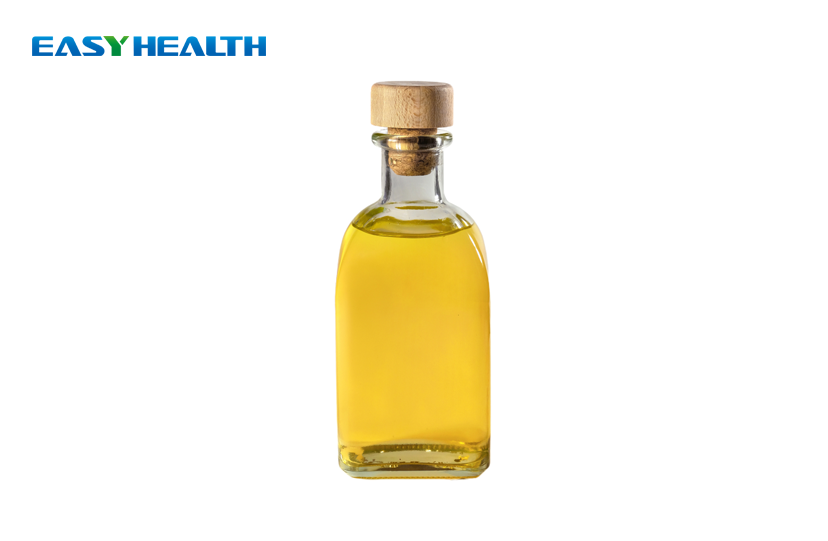
When sourcing a DHA ingredient for infant formula, dietary supplements, or functional food applications, not all powders perform equally. Microencapsulated DHA algal oil powder—derived from Schizochytrium sp. microalgae and standardized at ≥10% DHA (as triglycerides)—offers oxidative stability, zero fishiness, and dry-blend compatibility that liquid oils simply cannot match. Choosing the right grade requires evaluating purity, encapsulation efficiency, sensory performance, supplier certifications, and batch consistency. This guide walks you through every factor that matters before you place a bulk order.

Understanding Microencapsulated DHA Algal Oil Powder
What Microencapsulation Actually Does?
Microencapsulation is the encapsulation of tiny oil droplets in a protective wall matrix to safeguard DHA-rich algal oil. Common encapsulation procedures include spray drying and complicated coacervation. Modified starch, glucose syrup solids and appropriate plant proteins might be used as wall materials. This protective layer helps minimise DHA’s exposure to oxygen and light, which slows oxidation and assists in preserving the oil’s quality throughout storage. The resultant powder is usually free-flowing and may be added to dry-blend formulations, however the colour, flowability and stability of the powder depends on the formulation and manufacturing method.
The Nutritional Case for Algal DHA
DHA (docosahexaenoic acid) is a long chain omega 3 polyunsaturated fatty acid present in the human body, notably in the brain and retina. It is a significant nutritional component in baby feeding products, dietary supplements and functional meals. Some microalgae, such as species of Schizochytrium, may generate DHA-rich oil, offering an alternative to fish-based DHA. For producers seeking ingredients not sourced from fish and plant-based formulations, algal DHA may give benefits relative to fish oil, providing the oil, encapsulants, and manufacturing method match the necessary standards. Choose suppliers based on DHA content, fatty acid composition, oxidation stability, and contaminant testing.
Why Algal Oil Outperforms Fish and Krill Oil?
Algal oil is a direct supply of DHA from a plant based source without the need for fish or krill as raw material. It is appropriate for vegan formulations if the ingredients and the production method are compliant with vegan guidelines. Algal oil does not come from shellfish, making it a substitute for krill oil for producers that are trying to appeal to customers with shellfish sensitivities. Buyers should check supplier traceability, contaminant testing, and appropriate certifications to ensure consistency of quality.
Key Quality Indicators to Evaluate When Selecting Microencapsulated DHA Powder
DHA Concentration and Batch Consistency
Gas chromatography (GC) is the standard test method for confirming fatty acid profile. For most B2B applications, a DHA assay of ≥10% (as triglycerides/TG) is the baseline specification. More important than the headline number is batch-to-batch stability: procurement teams for infant formula manufacturers typically require inter-batch variance of ≤±1%. Request Certificates of Analysis (COA) from multiple production lots before committing to a supplier.
Oxidation Markers and Surface Oil Content
Two numbers reveal encapsulation quality more clearly than any marketing claim for microencapsulated DHA algal oil powder. The peroxide value (PV) should be ≤2.5 mmol/kg, confirming the oil has not degraded during manufacturing. Surface oil content—the fraction of unprotected oil on the powder exterior—should be ≤1.0%. A high surface oil ratio means the wall has failed in places, accelerating rancidity and releasing off-odors during storage.
Sensory Performance and Dispersibility
For products targeting infants, pregnant women, or children, odor is a non-negotiable parameter. A well-encapsulated DHA powder should carry only a light DHA oil odor with no detectable fishiness—blind panel acceptance rates of ≥90% are a practical benchmark. Dispersibility matters equally in manufacturing: the powder should fully disperse in cold water within 30 seconds with no oily film, enabling "mix-and-go" integration into dry-blend formulations.

Comparing Microencapsulated DHA Powder with Alternatives
Powder vs. Liquid Algal Oil
It is important to keep liquid algae oil in a nitrogen-blanked area and keep a close eye on its temperature. Instead, encapsulated DHA powder stays stable at room temperature, can be mixed with dry ingredients, and can be kept for up to 150% longer than the same type of liquid oil. Firms that make a lot of goods and use continuous mixing lines can save a lot of time and money by moving things around and getting rid of trash.
Algal Powder vs. Fish Oil Capsules
Most people take vitamins in the form of fish oil pills, but these capsules have a lot of problems. They don't taste good, could be contaminated, and have allergens from the sea in them. Clean label and vegan-certified goods are being used as an excuse by more and more dietary supplement brands and OEM contract makers to charge more in shops. You can help them do this with algae DHA powder.
Cost and Value Analysis for Bulk Procurement
When you add up all the costs, powder that is sealed up costs more per kilogram than liquid oil that isn't sealed up. Fewer batches that are turned down, fewer returns of spoiled goods, and easier recipes all add up to the same cost of the materials. This is what the people who make baby formula have to do to make sure that all of their ingredients are the same. This means that a powder grade that is stable and meets requirements is very valuable.
Navigating the Procurement Process for Microencapsulated DHA Powder
Certifications and Supplier Qualifications
At the very least, any provider you're thinking about should be certified in GMP, HACCP, and ISO 22000. That is, baby food shouldn't have more than the following amounts of heavy metals: Pb ≤2.0 mg/kg, As ≤1.0 mg/kg, Cd ≤1.0 mg/kg, and Hg ≤0.1 mg/kg. Make sure that the facility's bacterial tests look for E. coli (negative/25 g) and Salmonella (negative). For each lot of goods being shipped, sellers should give full COA and MSDS forms.

Sample Testing and Order Management
Get lab samples of microencapsulated DHA algal oil powder before you place a big order. Use GC to check them, do your own oxidation tests, and use a taste panel to rate them. You should make sure that the supplier can produce the amount of goods that you need every year. To make sure of a steady supply over the long run, 50 metric tons per year is a good starting point. You should get written proof that the items are in stock and that they will arrive in about 15 days.
Logistics and Packaging Standards
You shouldn't let water, heat, or light touch DHA powder. When sending fragile items, make sure the supplier uses multi-layer laminated bags with oxygen filters and that the items can be sent by cold-chain or temperature-controlled freight. When you buy something, make sure that the package meets certain standards. That way, the quality won't suffer while it's being shipped across countries.
Practical Recommendations for Using Microencapsulated DHA Powder in Your Products
Formulation Tips for Infant Formula and Supplements
Adding the DHA powder at the end of the dry-blending process will lower the amount of shear that happens. A 40-mesh sieve is usually needed to make sure that the powder mixes well and doesn't separate. There is a shell around chewy vitamins or pills that you press or squeeze. This shell stops oil from moving inside and mixing with the vitamins and minerals that were already mixed.
Addressing Common Processing Challenges
Off-flavors are usually caused by ingredients that have too much surface oil or oxygen value. These two problems can be stopped by strict quality control at the beginning. Make sure you look at your supplier's cold-water dispersibility data before you go big if there are problems with solubility in ready-to-mix drinks. Every delivery should have less than 5% moisture and look like it doesn't stick together or flow. This is something that your quality team should check. At input, we can see that this is true.
Regulatory Compliance in the U.S. Market
Adding DHA to baby formula is illegal in the US (21 CFR Part 107). The GMP rules in 21 CFR Part 111 must be followed by anyone who wants to make dietary supplements. The company you hire should be able to show that the wall products they use are GRAS, which stands for "food additive compliant."" This is because labeling and allergy rules for modified starch and sodium caseinate formulas are not the same.
Conclusion
There are several things you should think about in order to choose the right grade of microencapsulated DHA algal oil powder. All of these things should be checked at the same time: the DHA assay consistency, the stability of oxidation, the amount of oil on the surface, the performance of the senses, compliance with heavy metal rules, and the state of the supplier's approval.
FAQ
Is microencapsulated DHA algal oil powder safe for infants?
It doesn't have a lot of heavy metals, Salmonella, or E. coli. It is used in a lot of the best baby formula brands in the world. The FDA and EFSA have looked into this.
Can algal DHA powder replace fish oil in supplement formulations?
Most of the time, algae DHA powder can be used instead of fish oil in supplements. It has the same amount of DHA, backs up the same health claims, and you don't have to worry about allergens or garbage in the ocean. GC testing should be done to make sure that the profile of fatty acids meets the goals listed on the label before the move is finalized.
How do I verify DHA content in a powder sample?
Gas chromatography (GC) is used to find out how many fatty acids are in sealed DHA powders these days. If you want your source to give you GC-based COA data, you should get it from a different lab. The shielding should still be there, and the oxidation state should be right. Check the level of peroxide and the oil on the surface.
What storage conditions preserve powder quality?
Keep the items in box lids that are below 25°C, out of direct sunlight, and dry. This is how to store it so that it lasts 18 to 24 months. Ozone absorbers should be used to close the bag again after it has been opened, and the food should be eaten within 30 days.
Partner with Easy Health for Certified DHA Algal Oil Powder
Easy Health sells microencapsulated dha algal oil powder. A process called GMP, HACCP, and ISO 22000 is used to make it. You can keep track of it from the raw materials to the shipping because it comes with full COA and MSDS papers. We've been selling ingredients for over 11 years. Big companies that make baby formula, supplements, and useful foods can get help from us through our OEM/ODM choices. You can count on us to give you dha algal oil powder with microcapsules. We have low bulk prices, fast wait times, and free sample checks. To get your sample, email devin@easyhealthbio.com or go to easyhealthinc.com right now.
References
1. Arterburn, L. M., Hall, E. B., & Oken, H. (2006). Distribution, interconversion, and dose response of n-3 fatty acids in humans. The American Journal of Clinical Nutrition, 83(6), 1467S–1476S.
2. Koletzko, B., et al. (2008). The roles of long-chain polyunsaturated fatty acids in pregnancy, lactation, and infancy. Journal of Perinatal Medicine, 36(1), 5–14.
3. Ryckebosch, E., Bruneel, C., Termote-Verhalle, R., Muylaert, K., & Foubert, I. (2014). Nutritional evaluation of microalgae oils rich in omega-3 long chain polyunsaturated fatty acids as an alternative for fish oil. Food Chemistry, 160, 393–400.
4. Bustamante, M., et al. (2016). Microencapsulation of omega-3 fatty acids: A review of microencapsulation and storage stability parameters affecting oxidation. Molecules, 21(4), 483.
5. Doughman, S. D., Krupanidhi, S., & Sanjeevi, C. B. (2007). Omega-3 fatty acids for nutrition and medicine: Considering microalgae oil as a vegetarian source of EPA and DHA. Current Diabetes Reviews, 3(3), 198–203.
6. U.S. Food and Drug Administration. (2020). Substances Generally Recognized as Safe (GRAS): Docosahexaenoic Acid. FDA GRAS Notice Inventory. U.S. Department of Health and Human Services.