What Is Arachidonic Acid Oil Powder Used For?
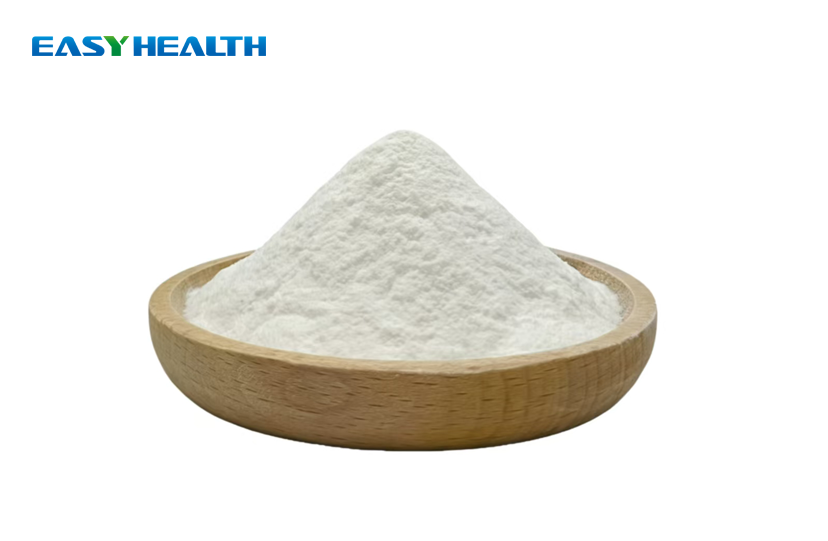
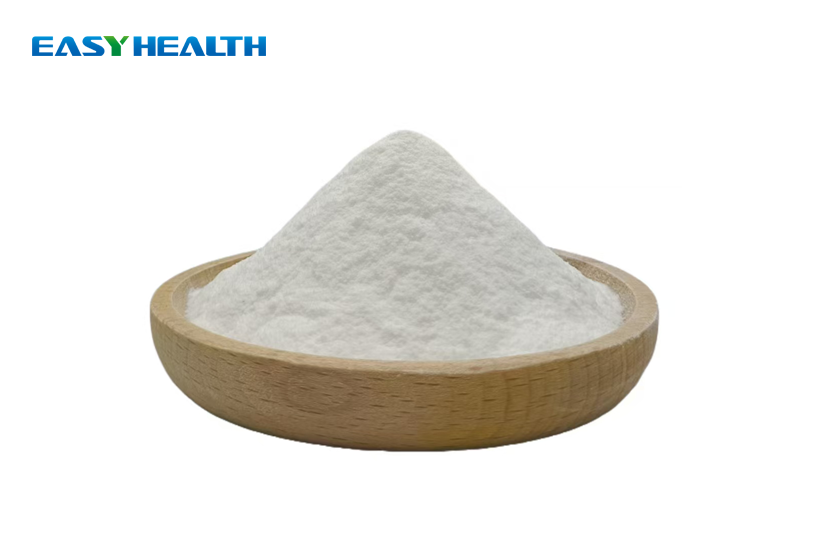
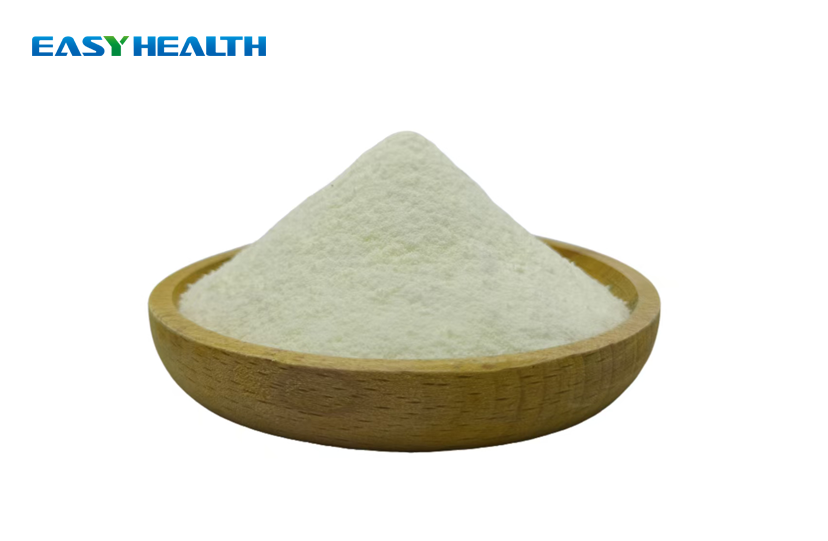
Arachidonic acid (ARA) oil powder is a concentrated omega-6 long-chain polyunsaturated fatty acid ingredient used across infant formula, clinical nutrition, functional food, and premium pet nutrition. Specifically, microencapsulated arachidonic acid oil powder converts unstable liquid ARA oil into a stable, free-flowing powder through spray-drying technology, making it compatible with dry-blend manufacturing processes. This form protects ARA from oxidative degradation, masks raw fungal odor, and ensures precise dosing — all critical requirements for manufacturers operating under strict formula registration and regulatory compliance frameworks.

Introduction to Arachidonic Acid Oil Powder
Arachidonic acid (CAS No. 506-32-1) is a C20:4 omega-6 fatty acid that is naturally found in human breast milk. It has a direct effect on how babies' brains grow, how their retinas form, and how their immune systems work. For many years, manufacturers got ARA as a liquid oil that was made from fermentation of Mortierella alpina. This worked, but it was hard to use.
Why Liquid ARA Oil Creates Manufacturing Headaches?
Raw ARA oil smells strongly of metals or fungi, oxidizes quickly when exposed to air, and needs to be mixed with liquid during processing. This exposes the delicate polyunsaturated fatty acid to high temperatures and catalytic reactions with minerals and vitamins in the formula matrix. Formulators are moving toward a stronger delivery format because of these problems.
The powder form immediately solves these problems. By putting ARA oil inside a protective food-grade matrix, manufacturers get an ingredient that can be used in dry-blend lines without any special tools, can be stored for a long time, and has clean sensory properties. This switch from liquid to encapsulated powder is now normal practice among the world's biggest makers of baby formula.
Why Microencapsulation Matters for Arachidonic Acid?
Not every encapsulation method works as well as the others. How well a powder is encapsulated, how good the protective shell is, and how much oil is on the surface all affect how long it lasts during production, distribution, and storage.
Spray-Drying vs. Coacervation: What the Data Shows
Spray-drying is still the most common way for businesses to make ARA powder. An oil-in-water emulsion is broken up into tiny drops and put into a heated room, where they dry quickly into separate powder particles. Spray-drying creates particles between 150 and 400 microns in size with a surface oil content below 1.0 % when done correctly with nitrogen-blanketed drying and optimized carrier matrices. This is the limit between good encapsulation and the risk of premature oxidation.
Coacervation uses phase separation chemistry to add a double-wall layer, which provides extra security in places with a lot of moisture. Both methods can be used for good reasons, but which carrier is used—modified starch, gum arabic, or sodium caseinate—affects who can get a vegan certification and who has to declare allergens.
A well-encapsulated ARA powder is very different from raw liquid oil in terms of how it works. A peroxide level below 0.5 meq/kg, compared to the 2.0–4.0 meq/kg level that is typical of aged liquid oils, shows a fivefold rise in the oxidative status. For products meant for babies, that range can't be changed.
Key Uses and Benefits of ARA Oil Powder
Multiple controlled groups can use microencapsulated arachidonic acid oil powder for different purposes. These are the main areas where this chemical makes a difference:
- Infant Formula (Stage 1–3): In China, the EU, and the US, regulations require or suggest that ARA be added to infant formula along with DHA. The powder can be used in dry-blend production lines, can handle high-shear mixing, and stays effective for 18 to 24 months after being stored. For formula registration compliance, the ARA difference between batches must be less than 1%.
- Clinical and Medical Nutrition (FSMP): LCPUFAs with neutral taste profiles are needed in enteral feeding solutions and other specialized medical nutrition products. Encapsulated ARA powder dissolves fully in water-based systems without blocking delivery tubes or leaving oily waste, which is something that liquid oil can't always do.
- Functional Foods and Meal Replacements: Encapsulated particles show good mechanical resistance during extrusion, high-speed mixing, and variable humidity storage, which is useful for fortified cereals, nutrition bars, and meal replacement packs. The truth of the label claim depends on the ARA staying whole during processing.
- Premium Pet Nutrition: More and more, ARA is being used in formulas for cognitive function and joint health in pets. Digestive enzymes easily break down food-grade wall materials in the digestive tract, so encapsulated ARA powder is just as bioavailable as raw oil.
Collectively, these uses show why ARA powder that has been enclosed has replaced liquid oil in most important B2B formulation work.
How Microencapsulated ARA Oil Powder Is Made?
Deep-liquid fermentation of Mortierella alpina is the first step in making Easy Health products. This is the same strain of fungus that is used in clinically proven ARA oils. There is no mixing of cheap vegetable oils at any point, so the fatty acid profile is not changed, which causes problems with labeling later on.
Quality Control Steps That Define Infant-Grade Standards
After getting the oil out of the plant, the ARA oil is mixed with food-safe fillers and then put into a spray-drying room with a nitrogen blanket. During every production run, three readings of the surface oil are made. Any batch with more than 1.0% surface oil is thrown out before it is packed, not after.
GC fatty acid profiling is done on every production lot to make sure that the ARA content stays within the range of 10–20% and that no trans-fats are formed during processing. There is a COA with a batch number, a peroxide value report, heavy metal analysis (Pb ≤2.0 mg/kg, As ≤1.0 mg/kg, Cd ≤1.0 mg/kg, Hg ≤0.1 mg/kg), OSI accelerated oxidation data, and Cronobacter sakazakii negative proof for 30g samples in every shipment. Samples that are kept can be tracked for two years.

Comparing Encapsulated ARA Powder with Alternatives
When formulators look at ARA sources, they usually compare microencapsulated arachidonic acid oil powder to liquid ARA oil and LCPUFAs, which work with ARA in the same way that DHA and EPA [eicosapentaenoic acid] can. The choice structure is used in different ways.
Liquid ARA oil has a slightly lower cost per unit as a raw material, but it is harder to process, has a shorter shelf life, and can be unpleasant to taste, all of which raise the total cost of ownership. Encapsulated powder costs a little more, but it pays for itself in lower trash rates, easier operations, and not needing special equipment to handle liquids.
DHA and ARA have different cellular functions. DHA is mostly found in the eye and the hippocampus, while ARA controls signals across cell membranes and the inflammatory response. Most standards for baby formula need both. ARA's specific biochemical function can't be duplicated by EPA or other omega-6 sources. This is why governing bodies see them as separate needed nutrients and not as interchangeable substitutes.
Procurement Guide for ARA Oil Powder
To find infant-grade ARA powder, you have to look at more than just price when comparing providers. When formula registration deadlines are taken into account, the qualification process usually takes three to six months. Once a batch is approved, moving suppliers is very expensive.
Procurement teams look at proven ISO, Halal, and Kosher certifications, access to GMP audits, recorded batch-to-batch variance data across multiple production lots, and the supplier's ability to provide peak-season volume guarantees as some of the most important things they look at. It is possible to tell the difference between suppliers who understand shelf life performance and those who only test for compliance by asking for OSI accelerated oxidation data along with standard COAs.
Standard sample sizes of 500g to 1 kg let internal quality assurance teams check the stability of the product before committing to trial production at the ton level. Locking in yearly volume deals with confirmed suppliers gets rid of the risk of reformulating and re-registering, which is what makes changing suppliers in the middle of a cycle so disruptive.

Conclusion
ARA oil powder is a precise ingredient used in infant formula, clinical nutrition, functional foods, and pet nutrition. It is used in these areas because stability, bioavailability, and accurate documentation are very important. The microencapsulated arachidonic acid oil powder version fixes the main problems with liquid ARA oil, which are that it can oxidize easily, interact with sensory perception, not work well with certain processing methods, and give uneven doses. When manufacturers check the credentials of their suppliers carefully at the start, they build supply chains that are strong enough to meet deadlines for formula registration and protect brand equity throughout every production cycle.
FAQ
Is ARA powder safe for newborn infants?
Yes, ARA made from Mortierella alpina fermentation has been used in baby formula sold in stores around the world since the late 1990s. In the US, it is recognized as GRAS, and in the EU, it is allowed by rules about infant formula. For every batch of production, there should be full microbiological paperwork and Cronobacter sakazakii negative approval for 30g samples.
How long does encapsulated ARA powder remain stable?
When kept in its original nitrogen-flushed, vacuum-sealed packaging at room temperature, encapsulated ARA powder stays in an oxidative state that meets specifications for 18–24 months. This is a lot longer than the 3–6 month window that raw liquid ARA oil usually has.
What documents should I request before approving a supplier?
Ask for a Certificate of Analysis (COA) that includes GC fatty acid profile, a peroxide value report, OSI accelerated oxidation data, heavy metal analysis, bacteria certification (including Cronobacter sakazakii), an allergen declaration, a non-GMO statement, and up-to-date ISO, Halal, and Kosher certificates. Records of batch traceability for at least two previous production lots help prove promises of stability.
Can encapsulated ARA powder be used in vegan-certified products?
Yes, as long as the materials used to make the enclosure walls come from plants (like modified starch or gum arabic) and not animals (like sodium caseinate). Before you start applying for vegan certification, check with your supplier to see what the wall material is made of.
Partner with Easy Health — Your Trusted Microencapsulated Arachidonic Acid Oil Powder Supplier
Easy Health has been fermenting and encapsulating microencapsulated arachidonic acid oil powder for over 11 years and now offers infant-grade ARA powder. Our production is ISO/Halal/Kosher-certified, we guarantee a ≤1% batch variance, and we provide a full paperwork package. These features are designed to work with formula registration processes. You can email our expert team at devin@easyhealthbio.com or go to easyhealthinc.com to ask for a sample, look over our full specs sheet, and talk about how much you need each year.
References
1. Koletzko, B., et al. "The Roles of Long-Chain Polyunsaturated Fatty Acids in Pregnancy, Lactation and Infancy." Journal of Perinatology, 2008.
2. Hadley, K.B., et al. "The Essentiality of Arachidonic Acid in Infant Development." Nutrients, 2016.
3. European Food Safety Authority (EFSA). "Scientific Opinion on the Essential Composition of Infant and Follow-on Formulae." EFSA Journal, 2014.
4. Yaqoob, P., et al. "Arachidonic Acid and the Immune System." Proceedings of the Nutrition Society, 2004.
5. Brenna, J.T., et al. "Arachidonic Acid Needed in Infant Formula When DHA Is Present." Nutrients, 2019.
6. Kyle, D.J. "The Large-Scale Production and Use of a Single-Cell Oil Highly Enriched in Arachidonic Acid." ACS Symposium Series, 1997.