How Is Coconut Oil Powder Made?
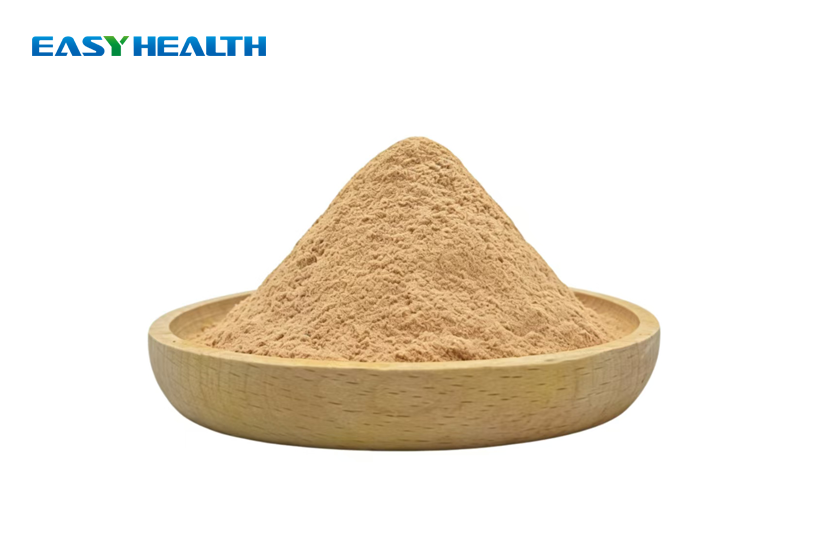
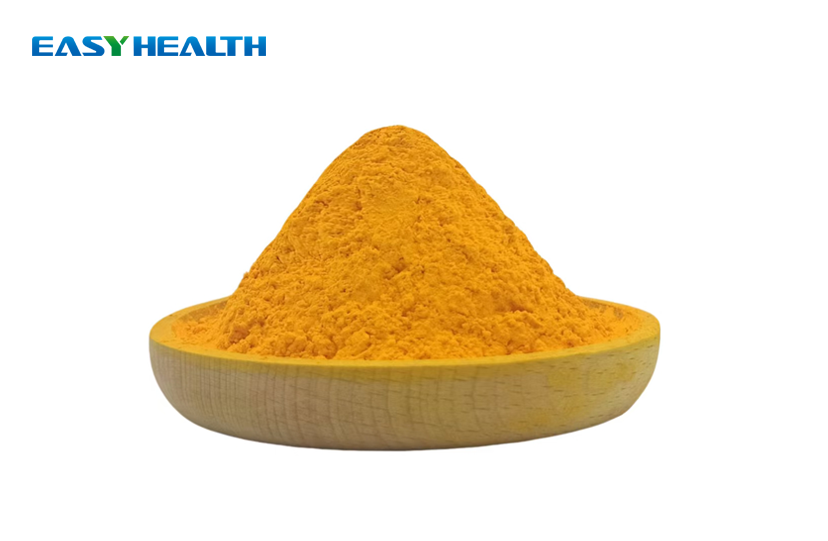
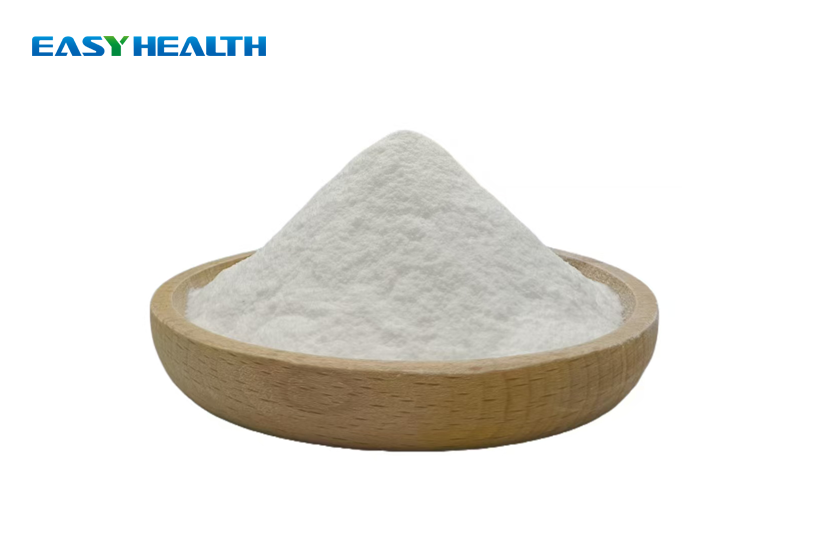
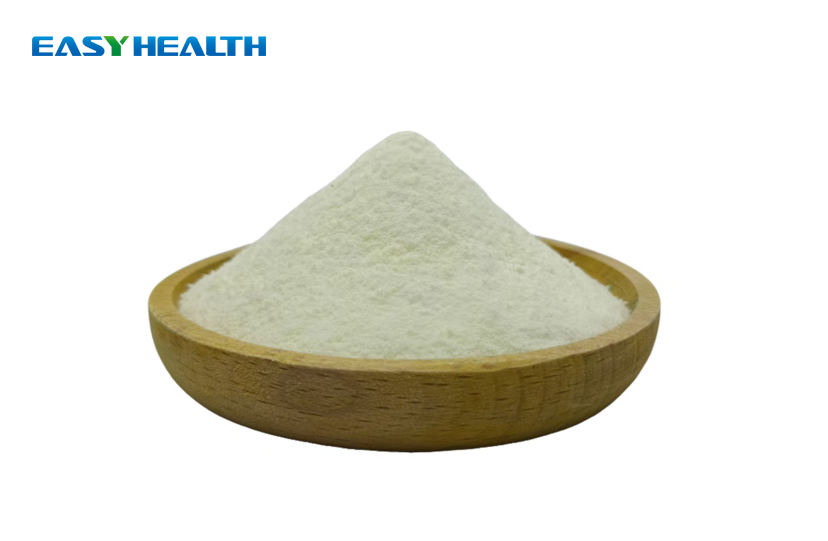
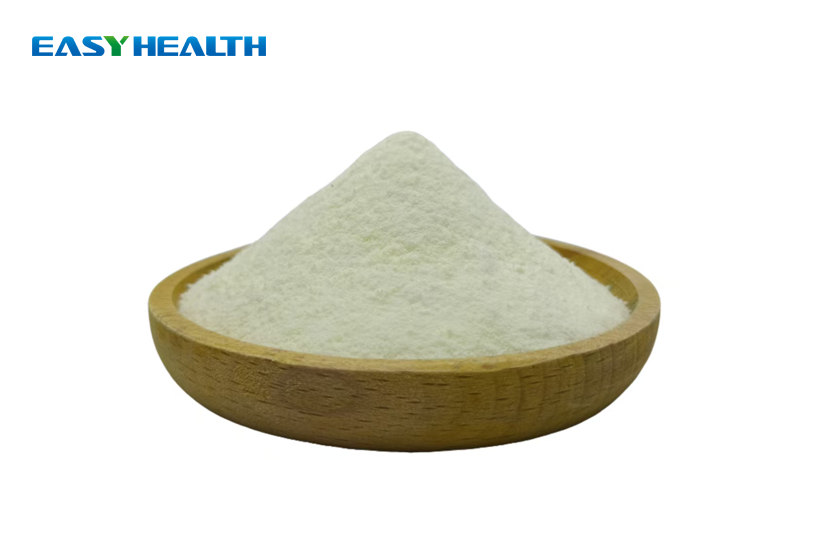
Coconut oil powder manufacturing begins with extracting high-purity medium-chain triglycerides from coconut oil (Cocos nucifera L.), followed by an advanced microencapsulation process. Through spray-drying technology, liquid MCT oil combines with protective wall materials—such as acacia fiber or plant-based starches—forming a stable, free-flowing powder. This process transforms liquid oil into MCT Microencapsulated Coconut Oil Powder, ensuring cold-water dispersibility within 30 seconds, minimal surface oil content (≤1.0%), and extended shelf stability up to 24 months. The result is a white to off-white powder ideal for instant beverages, meal replacements, and functional foods.
Introduction
Mct Microencapsulated Coconut Oil Powder represents a breakthrough in functional lipid ingredients, merging the metabolic benefits of medium-chain triglycerides with the most cutting-edge microencapsulation technology. Global B2B sourcing experts who work in the fields of sports nutrition, making ketogenic foods, making baby formula, and making functional drinks need to know how this ingredient is made. The level of control over each step of the production process affects quality control, the security of the plan, and following the rules. In this guide, you'll learn how to make this useful ingredient from start to finish, including the technical details, where to buy it, and what to keep in mind.
Understanding MCT Microencapsulated Coconut Oil Powder
What Makes This Powder Different from Liquid MCT Oil
MCT Microencapsulated Coconut Oil Powder is a unique type of vitamin. Because it is made from 100% coconut oil, the liquid MCT oil inside is protected by a wall. When it comes to production, the powdered form of MCT oil is much better than the liquid form, which is hard to mix with dry ingredients and can become unstable when exposed to oxygen. The oil doesn't separate or break down during the microencapsulation process, which makes it easy to add to protein powders, meal replacement shakes, and instant coffee blends. Raw MCT oil can sometimes make your mouth feel oily or make your stomach hurt.
Core Composition and Functionality
The main ingredient is made up of caprylic acid (C8) and capric acid (C10). These are two medium-chain fatty acids that are known to be taken up quickly and turn into ketones. There are two different MCT load standards for the powder: 50% and 70%. The quality stays the same at both concentrations because the materials used for the walls and the way they are sealed are consistent. The 50% version works well for formulas that need to be as cheap as possible. The 70% version, on the other hand, is best for high-performance drinks for sports recovery and therapy nutrition. It works well with mild flavorings in baby food and high-end coffee creamers since it doesn't smell or taste like much.
Industrial Applications Across Multiple Sectors
This part of the recipe works with many different B2B companies. Sports nutrition companies put it in keto energy bars and pre-workout shakes because it turns into ATP so fast. This makes you stronger right away. MCT helps metabolism, which is why weight-loss companies put it in meal shakes to make people feel full. The people who make infant formula make it from 100% coconut oil and include controlled amounts of C8 and C10 to help babies who are just born and babies who have trouble absorbing nutrients. You can use the 30-second cold-water distribution tool on functional beverage makers to make bulletproof coffee mixes and ready-to-drink drinks with MCTs, which are added. Some new uses for MCTs are making formulas that help senior pets' brain health and adding them to yogurt for dairy farmers.
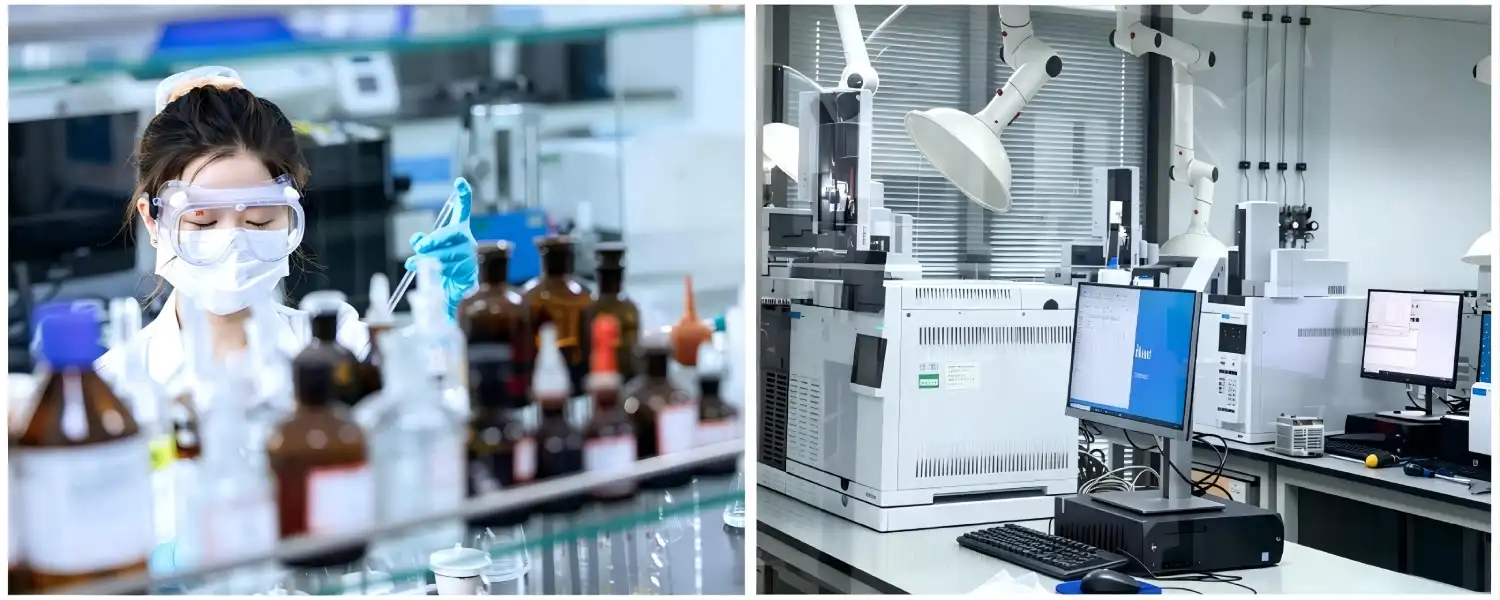
The Microencapsulation Technology Behind Coconut Oil Powder
Core and Wall Material Selection
In order to protect the MCT Microencapsulated Coconut Oil Powder from outside stresses, the first thing that needs to be done is to choose the right wall materials. Products that are high in fiber often use acacia fiber as a binder. Products that don't have a flavor are more likely to use glucose syrup, and products that are vegan-certified will use plant-based carbs. High-GI maltodextrin is not used by high-end brands. They use low-GI foods instead, which still work with ketones. To make a good wall, the material must be able to emulsify well, cover well during spray drying, and reform easily in cold water without sticking or clumping.
Spray Drying Encapsulation Process
Spray drying is the most important step in the process because it's where the MCT oil and wall material mix and are quickly processed at high temperatures. Nuts that are designed to atomize make tiny drops that dry out quickly in a hot air room that can be controlled. This dries quickly and locks MCT oil molecules inside tiny spheres, creating a dry powder that can flow freely and has less than 5% water content. The process needs to carefully control the temperatures coming in and going out, the air flow rates, and the feed viscosity in order to get the best particle size distribution (95% through 40 mesh) and keep the surface oil content below 1.0%. This is important to keep the product from going bad and to make it last longer.
Quality Control and Certification Standards
For large-scale production, you need strict quality control rules that are the same as those used in other countries. HACCP systems are used by ISO-certified facilities to keep an eye on key control points from the time they get the raw materials to the time they are packed. Heavy metal levels are checked (Lead ≤2.0 mg/kg, Arsenic ≤1.0 mg/kg, Cadmium ≤1.0 mg/kg, and Mercury ≤0.1 mg/kg), as well as peroxide levels (≤2.5 mmol/kg) and acid levels (≤1.0 mgKOH/g). The total plate numbers must be less than 1000 cfu/g, and the E.coli and Salmonella results must be negative in order to follow microbiological safety rules. Businesses can get more customers with the help of certifications like Halal, Kosher, and organic (USDA NOP, EU Organic).
How MCT Coconut Oil Powder Is Made: From Raw Oil to Finished Product
Sourcing and Refining High-Purity Coconut Oil
Coconut oil from Cocos nucifera L. is the first thing that needs to be done to make something. It looks different from other oils like palm oil or mixed oils because the label is clean. The longer-chain lipids are separated from the medium-chain triglycerides using fractionation. This makes the C8 and C10 fatty acids separate. The natural balance of Caprylic and Capric acids is maintained when modern methods of processing get rid of impurities. The main thing in it is this concentrated MCT oil. Gas chromatography was used to check its quality and make sure that the fatty acid profiles meet the needs for use in baby food and medicines.
Emulsification and Homogenization
In a high-shear mixed setting, wall materials that have been broken down mix with refined MCT oil. The process of homogenization reduces oil droplets to a few micrometers in size. This makes an oil-in-water emulsion that is stable and prevents the phases from separating during further processing. A lot of work goes into changing the emulsion's texture, pH, and solid content so that spray drying works best. Emulsifiers or supports may be added, depending on the needs of the end product. But high-end formulas use as few fillers as possible to keep the clean-label appeal. How easy it is to mix the finished product and how fast it can be dissolved in cold liquids depend on this step of the process.
Post-Processing and Packaging
The powder is sprayed to dry it, and then it is sieved to get rid of any big clumps and make everything the same size. When it cools to room temperature, moisture can't condense, and metal detection checks are made to make sure there are no outside particles that could be a problem. Powder is moved to the filling lines by automatic systems that have to follow strict rules about cleanliness. The powder doesn't bunch up or stick together. To keep oxygen contact as low as possible, packing is often done with multi-layer metal foil bags or HDPE cases that have nitrogen flushing. Each batch of production gets full paperwork that can be used to track it back to the coconut farm all the way to the lot number of the end ingredient.
Addressing Manufacturing Challenges
Two issues that come up a lot in production are oxidative stability and taste balance. These issues need new solutions all the time. Adding oxygen during cooking can raise the amount of peroxide, which can make food taste bad and shorten its shelf life. Two things that makers do to fight this are blanketing with inert gas during emulsification and quickly getting rid of wetness during spray drying. It's a sign of a bad source oil or bad packaging when notes smell like soap or are going bad. Because micro-matrix design has gotten better, oil is now better controlled. Products that aren't as good have oil levels above 2.0%, but these products have oil levels below 1%. Keeping the product at the right temperature and shielding it from light helps it stay fresh as it moves through the supply chain.
Comparing MCT Microencapsulated Coconut Oil Powder to Other Forms
Powder Versus Liquid MCT Oil
Liquid MCT oil needs to be handled carefully when it is being mixed. For example, when used for drinks, hot-fill mixing or special emulsification equipment is often needed. It's hard to package in single-serve sizes because the liquid form separates in dry blends and leaves an oily film on mixing tools. It's easy to make these things when you mix MCT Microencapsulated Coconut Oil Powder with protein isolates, vitamin premixes, and taste systems. The powder has lower logistics costs because it stays stable at room temperature. It also has a longer shelf life than liquid oil, which is two years, which lowers the risk of running out of stock.
Microencapsulated MCT Powder Versus Standard Coconut Oil Powder
Many types of fatty acids are found in regular coconut oil mixes. For example, long-chain saturated fats break down slowly and don't have MCT's unique biological route. You can get a rough idea of how many calories these everyday items have, but they don't have the fast ketone exchange that is important for sports nutrition and ketogenic uses. Taking out the C8 and C10 from microencapsulated MCT powder helps your mind stay clear, your energy last longer, and your body heal faster. It also makes the powder mix better with cold water thanks to microencapsulation technology. Regular coconut products can't be used to make quick drinks because they need warm water or a lot of mixing.
Evaluating Organic, Source, and Quality Variations
Business-to-business buyers can pick between regular MCT powders and ones that have been approved as organic. Organic powders are more expensive, but natural goods stores should be able to sell them. It's very important that sources are open. Making things with only coconut oil tastes better and doesn't hurt the environment like making things with palm oil does. You can tell the quality by how much oil is on the surface, how the particles move, and how neutral the taste is. Things that aren't as good tend to bunch up when they're kept, make drinks feel oily, and don't last as long. Buyers should get certificates of analysis, test formulations on a small scale, and make sure that suppliers are certified before they place large orders.
Procurement Considerations for MCT Microencapsulated Coconut Oil Powder
Key Specifications and Certification Requirements
Make your requirements explicit and non-negotiable before buying. Use 100% coconut oil, not coconut oil plus palm oil. Check the MCT content (at least 50% or 70%, as mentioned). Make sure the product dissolves thoroughly in cold water in 30 seconds. Keep the oil on the surface below 1% to prevent oxidation and ensure easy flow. Wetness must be less than 5%, and heavy metal and microbiological levels must be food-grade. Right certificates depend on the market. Middle Eastern clients who observe kosher norms require Halal and Kosher certificates. Organic certifications and FDA registration are required for natural products shops to sell in the U.S.
Evaluating Supplier Reliability and Capabilities
Suppliers should be assessed for profitability, quality, and technical support. Working with a reputable partner keeps production constant so you can fulfil your numerical demands. They also accommodate special requests. Ask the supplier's R&D staff for recipe improvements. This includes modifying texture or masking flavour. Sustainability is growing in importance. Check where the coconut oil originates from, how it helps the environment, and any social responsibility initiatives. Suppliers that provide comprehensive professional services, such as testing and usage advice, are worth more than merely providing supplies.
Pricing, MOQ, and Logistics Optimization
How much MCT you purchase, how it is checked, and how many orders you make affect Mct Microencapsulated Coconut Oil Powder costs. For budget-conscious formulas, the 50% standard saves money. However, 70% high-load powders cost more but are worth it since they're used less. Smaller companies may purchase less than 500 kg of this material, so they don't have to buy much. Typical standards have 15-day lead periods, making rapid items easy to sell. Logistics partners that handle temperature-sensitive substances keep the product fresh across borders. They employ FedEx, DHL, or UPS for samples and air or sea freight for major goods. Private label packaging using well-known manufacturing expertise may help brands stand out.
Conclusion
Advanced microencapsulation technology is needed to turn liquid MCT oil into a steady, useful powder for making MCT Microencapsulated Coconut Oil Powder. This fixes some big problems with the way healthy drinks, sports nutrition, and meal replacements are made. Getting the coconut oil and MCT, spray-drying it, and making sure it's of good quality are the steps that make the product. These steps determine how well it works in cold water, how long it lasts, and how neutral its taste is. People who work in business-to-business buying have to look at things like the amount of MCT, the amount of surface oil, how open the source is, and how well the seller meets certification requirements. You can make better decisions about where to get supplies if you know these things about manufacturing and quality. This leads to new goods and more competition in the market.
FAQ
1. What is the difference between C8 and C10 in MCT powder?
It turns ATP into ketones more quickly, which gives you mental energy right away. Caprylic Acid (C8) is great for pre-workout mixes because it does both of these things. Capric Acid (C10) is released a little more slowly than other acids. It helps keep the metabolism going, which means that meal replacements help you feel full longer. Premium MCT Microencapsulated Coconut Oil Powder keeps these fatty acids in balance in a way that is similar to how they are found in coconut oil. This gives you energy right away and for a long time.
2. How should I interpret surface oil content specifications?
If there is more than 2.0% surface oil, it means that the encapsulation isn't very good. This means that the product will oxidize quickly, have a shorter shelf life, and clump while it's being stored. When you use good MCT powder, the oil on the surface stays below 1%. This is important for automatic production lines because it gives the powder the best stability and flow. This number has a direct link to how well your ideas work with the item.
3. Does the powder remain stable in hot liquids like coffee?
In hot coffee or tea, the micro-matrix structure won't break as long as the temperature stays between 80°C and 90°C. The oil inside will also stay put. It's great for bulletproof coffee mixes and hot beverage creamers because it stays stable at high temperatures. This keeps the smooth, creamy texture without oil separating, which would be bad to look at or feel.
Partner with Easy Health for Premium MCT Solutions
Easy Health, a company that makes high-performance MCT Microencapsulated Coconut Oil Powder derived from coconuts, has been in business for more than 11 years. This powder solves the main issues that sports nutrition, ketogenic food, and functional drink makers are having. One big plus is that we only use coconut oil, not palm oil, so you don't have to worry about that. It also means the sign is clear and the food tastes better. The walls of our 50% and 70% specifications are made of the same materials and are sealed in the same way, so there are no differences in stability that other products have. The 30-second cold-water dispersion feature makes it easier to make quick drinks that are still good. We work with brands from the time they make samples until they sell a lot of their goods. The smallest amount you can buy from us is 500 kg, and we're certified as organic, Halal, Kosher, and ISO. Email us at devin@easyhealthbio.com to talk about your MCT powder needs and find out how our technical know-how can help you make new products more quickly.
References
1. St-Onge, M.P., & Jones, P.J. (2002). Physiological effects of medium-chain triglycerides: potential agents in the prevention of obesity. Journal of Nutrition, 132(3), 329-332.
2. Ghosh, S., & Rousseau, D. (2011). Fat crystals and emulsion stability—A review. Food & Function, 2(12), 742-748.
3. Desai, K.G., & Park, H.J. (2005). Recent developments in microencapsulation of food ingredients. Drying Technology, 23(7), 1361-1394.
4. Fave, G., Coste, T.C., & Armand, M. (2004). Physicochemical properties of lipids: new strategies to manage fatty acid bioavailability. Cellular and Molecular Biology, 50(7), 815-831.
5. Augustin, M.A., & Hemar, Y. (2009). Nano- and micro-structured assemblies for encapsulation of food ingredients. Chemical Society Reviews, 38(4), 902-912.
6. Papamandjaris, A.A., MacDougall, D.E., & Jones, P.J. (1998). Medium-chain fatty acid metabolism and energy expenditure: obesity treatment implications. Life Sciences, 62(14), 1203-1215.

_1784173402819.webp)