How To Use Coconut Oil Powder In Food And Beverage Applications
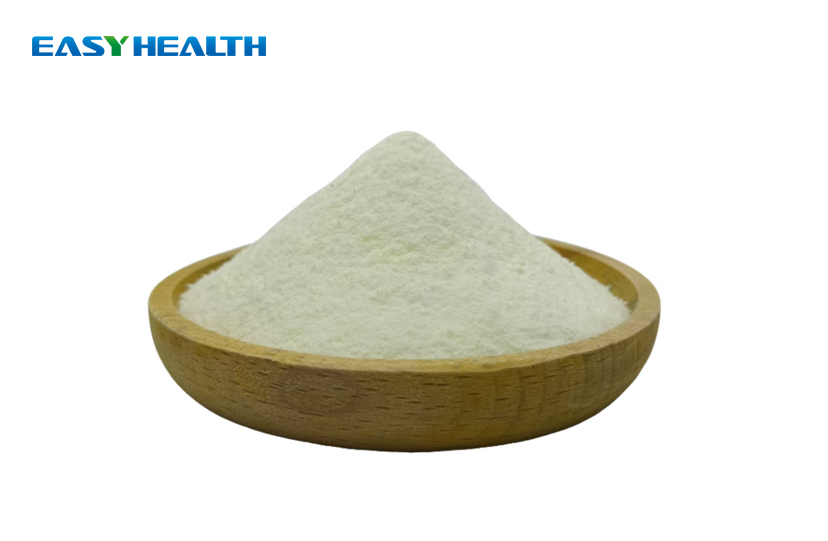
Coconut oil powder has become a formulation staple across the food and beverage industry — and for good reason. When manufacturers need a fat source that blends cleanly, absorbs rapidly, and delivers functional nutrition, MCT microencapsulated coconut oil powder stands out from the crowd. Derived from 100% coconut oil (Cocos nucifera L.) and spray-dried into a free-flowing white powder, it dissolves fully in cold water within 30 seconds, eliminates blending headaches on automated production lines, and carries a CAS No. of 73398-61-5. Whether you're developing keto energy bars, instant meal replacements, or infant specialty nutrition, this guide covers exactly how to put it to work.
Understanding MCT Microencapsulated Coconut Oil Powder
What Sets It Apart from Liquid MCT Oil and Regular Coconut Powder?
When used in small amounts in the kitchen, liquid MCT oil works well, but when used on a large scale in production, it can oxidize, separate into different phases in dry mixes, and cause digestive problems for customers because it absorbs too quickly and without control. Regular coconut oil powder solves the liquid problem, but it doesn't always have clear C8/C10 amounts and doesn't mix well with cold water.
MCT microencapsulated coconut oil powder solves all three problems at once. Through advanced spray drying, the encapsulation process embeds pure medium-chain triglycerides within a protected wall structure, which is usually made of acacia fiber or starch. It keeps the active MCTs away from oxygen, water, and reactive ingredients like minerals and vitamins in complicated dry mixes. So, the product can stay fresh for up to 24 months, have a surface oil content of ≤1.0%, and a moisture level of no more than ≤5.0%. All of these things protect your finished product.
When it comes to metabolism, MCTs skip the lymphatic system and go straight to the liver, where they are changed into ATP or ketone bodies much more quickly than long-chain fatty acids. Because of this, the packed powder is very useful in ketogenic, sports, and clinical nutrition formulas that claim to give you energy quickly.
Practical Applications in Food and Beverage Manufacturing
Functional Beverages and Instant Drink Mixes
The most important technical benefit this item brings to making drinks is that it can be mixed with cold water. Most of the powders on the market can't be used in single-serve stick packs or ready-to-mix sachets because they need warm water or a high-shear mixer to make an even mixture. Within 30 seconds, our improved containment system spreads evenly in cold water, leaving behind a smooth, oil-free surface with no greasy film. Because of this, it works well with bulletproof coffee powders, sports drinks with MCTs, and ketogenic latte mixes.
Sports Nutrition, Meal Replacements, and Keto Bars
It is necessary for Mct microencapsulated coconut oil powder powdered protein shakes and meal replacement blends to have stable fats and reactive micronutrients. The enclosed matrix protects the MCT center from oxidative causes while the product is still in the store. The 70% specification gives a lot of energy per gram, which makes it perfect for weight loss products and keto bars that need to be calorically efficient. Since the wall materials and encapsulation protocols are the same for both concentrations, the 50% specification is a cost-effective way to make products that are sensitive to volume without sacrificing process consistency.
Here are the primary application categories where this ingredient creates measurable product value:
- Keto and sports beverages: they can be mixed with cold water to make single-serve instant forms work, and the clean, neutral flavor profile doesn't hide expensive taste systems.
- Meal replacement shakes and diet powders: The 70% high-load specification increases the amount of MCTs in each serving, which supports claims about satiety and metabolism.
- Infant formula and specialty clinical nutrition: using pure coconut oil with confirmed C8+C10 ratios meets the strict source openness standards of nutrition programs for babies and people who are having trouble absorbing food.
- Functional dairy and fortified yogurt: The powder doesn't stick together and spreads out evenly in wet dairy mixtures without changing the texture or activity of the cultures.
- Premium pet nutrition: A new use for MCT bioavailability is to help older dogs and cats with their cognitive health, which is similar to the benefits seen in human brain studies.
All of these use cases have one thing in common: they all need a fat ingredient that is stable physically, clear about its source, and easy to process on automatic production lines. A surface oil content of less than 1% stops powder from caking and sticking together while it is being handled. This is an important operational feature that saves line throughput.
Comparing MCT Microencapsulated Coconut Oil Powder with Alternatives
Coconut Oil Origin vs. Palm-Derived Blends
A lot of the Mct microencapsulated coconut oil powder products on the market are made with palm oil or a mix of oils. Palm-derived MCT has a less desirable C8/C10 profile and, more importantly, it makes it harder to follow clean-label rules in markets where customers and retailers carefully check where ingredients come from. A source of 100% coconut oil naturally balances the amount of caprylic (C8) and capric (C10) acids in the oil. This helps with the "clean label" positioning that gets products top shelf space in natural and specialty stores in the U.S.
Concentration, Stability, and Cost Architecture
The 50%/70% dual-specification structure solves a real problem in the purchasing process: high-load formulas need concentrated MCT delivery, but 70% powders from some providers don't behave as stablely as their 50% peers because of different encapsulation methods. Stability curves line up when both concentrations use the same wall material and spray-drying method. The procurement teams can choose the specification that meets their cost-per-serving goal without having to do separate stability studies. This cuts the time it takes to develop a product by a large amount.
Procurement Insights: How to Source MCT Microencapsulated Coconut Oil Powder?
Supplier Evaluation Criteria and Certifications
The technical standard sheet should show that the surface oil level is less than 1%, the moisture level is less than 5%, the peroxide value is less than 2.5 mmol/kg, the acid value is less than 1 mgKOH/g, and there is a full heavy metals panel with Pb less than 2.0 mg/kg, As less than 1 mg/kg, Cd less than 1 mg/kg, and Hg less than 0.1 mg/kg. For infant and clinical nutrition uses, microbiological safety markers like Total Plate Count ≤1,000 cfu/g, Yeast & Mold ≤50 cfu/g, and E. coli and Salmonella both negative are very important.
You should ask for ISO, HACCP, Halal, Kosher, FDA Registration, and, if available, USDA NOP Organic certifications. A MOQ of 500 kg or less and a lead time of less than 15 days keep development cycles flexible, especially when formulas are being changed early on.

Key Considerations for B2B Clients When Implementing This Ingredient
Regulatory Compliance, Quality Traceability, and Formulation Support
U.S. companies need to make sure that the raw materials they receive meet FDA 21 CFR standards for food-grade lipids and that the supplier paperwork backs up the claims on their product labels, especially those that say "100% coconut oil" or have a certain amount of MCT. A supplier that can fully track each batch from where the raw materials come from to the final delivery and quality check takes away a big compliance burden.
As important as the product specs are, technical help is just as important. When formulators add this ingredient to complicated mixtures, they need help with dosage ranges, pH compatibility, and heat treatment thresholds. The microencapsulated matrix can handle heat up to 80–90°C, which is hot enough for most hot-fill and scalding tasks without harming the oil inside.
Conclusion
MCT microencapsulated coconut oil powder has real benefits for making healthy drinks, sports nutrition, meal replacements, baby formula, dairy products, and pet food. Cold-water dispersibility, a 100% coconut oil origin, two 50%/70% specs with uniform encapsulation chemistry, and a strict safety profile all solve the problems that most buying teams have when they try to buy rival goods. Shortening development times and lowering formulation risk can be achieved by choosing a provider with fully traceable quality systems that have been approved.
FAQ
What is the difference between the 50% and 70% specifications?
Since the wall materials and encapsulation methods are the same for both concentrations, their stability behavior is also the same. The 50% specification is good for recipes that need to be as cheap as possible, while the 70% specification is made for high-load situations where MCT supply per gram is the most important thing.
Why does coconut oil origin matter for clean-label products?
When MCT powders are made from palm oil, they cause problems with openness in sources that go against the clean-label stance. A source of 100% coconut oil naturally balances the ratio of C8 to C10 fatty acids and backs up clear, believable label claims.
How does cold-water dispersibility work in practice?
When mixed with cold water, the optimized encapsulation matrix breaks down evenly. This allows for full distribution in 30 seconds without the need for a high-shear mixer or warm liquid, which is important for single-serve instant beverage forms.
Is this ingredient suitable for infant formula applications?
Yes. The pure coconut oil source and confirmed C8/C10 ratio meet the strict standards for clinical nutrition and infant formula when it comes to openness. Each batch goes through a full microbial test that includes Salmonella and E. coli.
What documentation should I request from a supplier?
You should ask for the full analysis certificate, a heavy metals panel, a microbiological report, encapsulation efficiency data (surface oil result), and any relevant ISO, HACCP, Halal, Kosher, or FDA registration certificates.
Partner with Easy Health for Reliable MCT Powder Supply
Easy Health offers MCT microencapsulated coconut oil powder supplier solutions built for U.S. manufacturers who cannot afford ingredient inconsistency. With 11+ years of plant extract manufacturing experience, ISO/HACCP/Halal/Kosher-certified production, and dedicated technical formulation support, we help brands move from concept to launch faster. Reach out directly at devin@easyhealthbio.com or visit easyhealthinc.com to request a sample or discuss your specification requirements.
References
1. St-Onge, M. P., & Jones, P. J. H. (2002). Physiological effects of medium-chain triglycerides. Journal of Nutrition, 132(3), 329–332.
2. Augustin, M. A., & Hemar, Y. (2009). Nano- and micro-structured assemblies for encapsulation of food ingredients. Chemical Society Reviews, 38(4), 902–912.
3. McClements, D. J. (2015). Food Emulsions: Principles, Practices, and Techniques (3rd ed.). CRC Press.
4. Papamandjaris, A. A., MacDougall, D. E., & Jones, P. J. H. (1998). Medium chain fatty acid metabolism and energy expenditure. Life Sciences, 62(14), 1203–1215.
5. Martini, S., & Herrera, M. L. (2008). Physical properties of shortenings with different fatty acid compositions. Journal of the American Oil Chemists' Society, 85(10), 885–897.
6. U.S. Food and Drug Administration. (2023). Guidance for Industry: Frequently Asked Questions About GRAS. FDA.

_1784173402819.webp)