What Is Curcumin Powder?
Curcumin powder is a concentrated extract of turmeric rhizomes (Curcuma longa) that contains bioactive curcuminoids responsible for significant anti-inflammatory and antioxidant activity. Standard turmeric powder contains just 2-5% curcuminoids. Pharmaceutical-grade curcumin extracts contain 10-95% active chemicals, as confirmed by HPLC testing. The latest breakthrough in this sector is Microencapsulated Curcumin Powder. This utilises protective coating technology to tackle the main issues of traditional curcumin, such as poor water solubility, quick degradation, and absorption rates below 1%. This novel formulation has become a staple for B2B producers creating joint health supplements, functional drinks, and anti-inflammatory products where bioavailability and stability significantly influence therapeutic effects.
Understanding Curcumin Powder: Basics and Benefits
There is a group of polyphenolic chemicals called curcuminoids, and curcumin is a part of it. These include demethoxycurcumin C2, bisdemethoxycurcumin C3, and diferuloylmethane (Curcumin C1). The pharmaceutical, nutraceutical, and cosmetic businesses are all interested in these chemicals because they have amazing biological functions.
The Core Therapeutic Properties
Researchers have found that curcumin changes several biological processes at the same time. It stops pro-inflammatory enzymes like COX-2 and 5-LOX from working, which makes it useful for formulating joint health products for sports and older people. At the molecular level, the substance neutralizes reactive oxygen species, which helps liver detoxification procedures and produces products that make cells live longer. Curcumin has been shown in clinical studies to support healthy inflammatory responses, making it a natural alternative to synthetic NSAIDs that can be used in sports nutrition.
Industry Applications Across Sectors
Manufacturers of supplements add curcumin to recipes for liver health, joint support, and antioxidant mixes. For turmeric lattes, recovery drinks, and anti-inflammatory shots, functional beverage developers use forms that can dissolve in water. Pharmaceutical businesses are looking into curcumin for controlled-release dosage forms, and beauty companies use its antioxidant qualities in serums that fight aging. There are a lot of different uses for curcumin, and the global market buys anywhere from 1 to 20 tons of it every year, depending on the type of product.
The Critical Bioavailability Challenge
Oral absorption below 1% is one of the biggest problems with traditional curcumin powder. Because the compound is lipophilic, it doesn't dissolve well in digestive fluids. Also, curcumin is quickly broken down by the body's first-pass metabolism, turning it into inactive glucuronide conjugates within minutes. Also, about 60% of it breaks down in the stomach's acidic environment before it gets to the places where it can be absorbed in the intestines. Because of these problems, transport systems have become more advanced, especially microencapsulation methods that deal with each problem in a planned way.
Introduction to Microencapsulated Curcumin Powder
The microencapsulation technique coats every curcuminoid particle with protective tiny capsules. This technology represents a revolutionary advance for the use of curcumin in medicine. In this procedure, wall materials such as plant-based polysaccharides, proteins, or lipid structures are employed to enclose the active ingredient. This is accomplished by spray drying, fluid bed coating, or molecular inclusion.
The Science Behind Enhanced Stability
The encapsulating matrix shields the curcumin molecules from environmental factors that can degrade them. The shielded core is no longer exposed to light that promotes photoisomerization and oxidative degradation. Much less is the breakdown due to heat during handling and preservation. Even when the powder is created in a manner that you would expect the colour to shift about, the orange-red pigment remains consistent. Our Microencapsulated Curcumin Powder has less than 5% colour change after 72 hours of light and heat exposure, resulting in a product that appears the same throughout its shelf life.
Achieving 15x Bioavailability Enhancement
The conventional microencapsulation is three to five times better absorbed than the native curcumin because the particle size is reduced and dispersion is increased. Our solution goes one step further and includes natural piperine at 5mg/g. Piperine, from black pepper (Piper nigrum), inhibits glucuronidation in the liver and intestines, the main metabolic pathway for the removal of curcumin. Pharmacokinetic studies in comparison reveal that this two-step procedure enhances bioavailability 15 times and delivers plasma concentrations that normal formulations cannot provide.
Enteric Protection for Intestinal Targeting
Sixty percent of normal curcumin is broken down by stomach acid before it can be absorbed. Our enteric coating technique creates a pH-sensitive barrier. It is stable in stomach acid (pH 1.5-3.5) but rapidly degrades in the intestinal environment (pH > 6.5). This regulated release ensures that at least 85% of the curcuminoids are delivered intact to the small intestine. This time is extended for the chemical to be taken up and absorbed into the bloodstream by the enterocytes. Such protection is particularly beneficial to gut health, since distribution throughout the intestines enhances the anti-inflammatory benefits in the region.
Comparing Microencapsulated Curcumin Powder with Other Forms
When procurement experts look at curcumin sources, they come across different formulation methods. Each one has its own pros and cons when it comes to stability, effectiveness, and cost.
Standard Curcumin Extract vs. Microencapsulated Forms
Basic curcumin products (95% curcuminoids) have a lot of active ingredients but are hard to mix. Because they are hydrophobic, cold water can't spread them out, so they can only be used in capsules and tablets. To keep bulk stable, you need to be careful about how you package and store it. When making something, the manufacturing process has to take into account how strongly it stains and how the color might move into other parts of the formula.
These traits are completely changed in microencapsulated forms. The technology makes powders that can be mixed with cold water and used in drinks, protein shakes, and quick drink mixes. Controlling the particle size (95% through 40 mesh) makes sure that powder formulas mix evenly without any separation. The protective layer keeps the product stable on the shelf for longer while keeping its free-flowing qualities, which keep it from caking while it's being stored and handled.
Liposomal and Nano-Formulated Alternatives
Liposomal curcumin encapsulates curcuminoids in phospholipid droplets, permeabilizing membranes. Liposomal formulations have good absorption but are generally liquid or soft-gel capsules, limiting dry powder application. Making anything difficult is expensive.
Milling or precipitating nano-formulated curcumin reduces particle size to nanometres. Absorption surfaces and dissolution rates improve with this approach. Nanoparticles may be controlled, and their long-term stability depends on formulation matrices.
Our microencapsulation process balances efficiency and production demands. The powder format's flexibility, stability at room temperature, and simple regulatory categorisation as a botanical extract are maintained while the technology enhances bioavailability.
Quality Benchmarks and Certification Standards
For business-to-business purchases, quality control must be very strict. HPLC analysis shows the presence of curcuminoid (10–20% of the specified range), which gives confidence that the amounts of active ingredient on the label are what they say they are. As long as the heavy metal levels are less than 2.0 mg/kg for lead, 1.0 mg/kg for arsenic, 1.0 mg/kg for cadmium, and 0.1 mg/kg for mercury, the product meets the quality standards for pharmaceuticals.
Microbiological safety standards include a total plate count of less than 1000 cfu/g, yeast and mold counts of less than 50 cfu/g, and no E. in 25g samples of E. coli and Salmonella. These requirements are in line with international pharmacopeial standards and help with presenting products with clean labels. Each batch of output comes with a Certificate of Analysis (COA), which makes quality control procedures completely clear.
Buying Guide for Microencapsulated Curcumin Powder: Sourcing and Procurement Considerations
To successfully buy advanced curcumin formulations, you need to know how the supplier's skills, technical requirements, and the processes of the supply chain affect the time it takes to make products and the cost of making them.
Identifying Qualified Suppliers
Reputable manufacturers show that they can do everything from sourcing raw materials to encapsulating the final product and checking its quality. Find providers whose buildings are GMP-certified and have ISO 9001 quality management systems. FDA approval adds to the confidence that products will be legal in the U.S. market. Organic certifications (USDA NOP, EU Organic) help natural products stand out, and Halal and Kosher certifications make more products available to more people. Suppliers who provide full technical dossiers with stable studies, bioavailability data, and application guides make it easier to build formulas and send them to regulators more quickly.
Critical Specification Checklist
When looking at Microencapsulated Curcumin Powder suppliers, make sure they meet these requirements:
- Encapsulation Efficiency: Ask for proof that the capsules will not break down in the stomach and will release the capsules slowly into the intestines (at least 85% release at pH> 6.5). The dissolution profiles should show that the mixture can be mixed in cold water without any visible precipitation or phase separation.
- Full-Spectrum Composition: Most curcumin powders only have pure curcuminoids (C1/C2/C3 mixes) and no other chemicals that work together. Our recipe keeps the full profile of turmeric root extract, including the turmerones and volatile oils that naturally boost benefits. This whole-spectrum method has health benefits that separate curcuminoids can't match.
- Bioenhancer Integration: Make sure that the 5 mg/g concentration of natural piperine comes from black pepper extract and not synthetic sources. Natural piperine stays in line with clean labels and improves absorption through processes that stop enzymes from working.
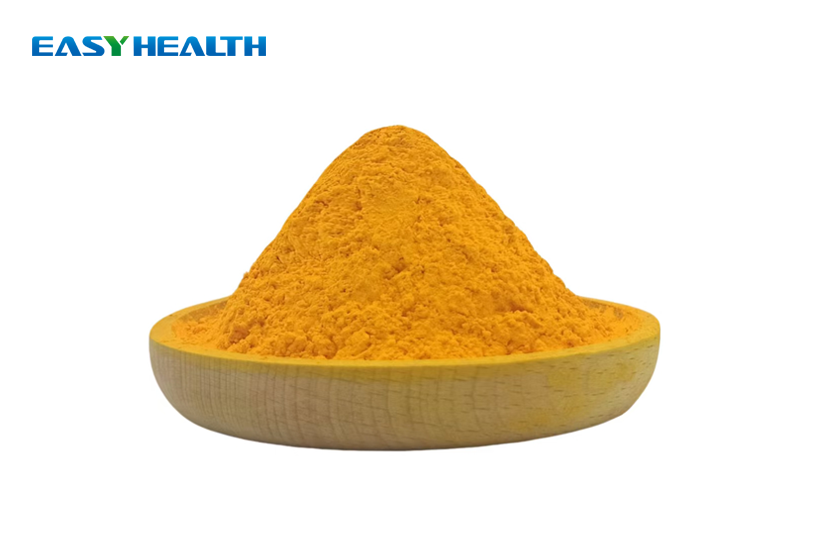
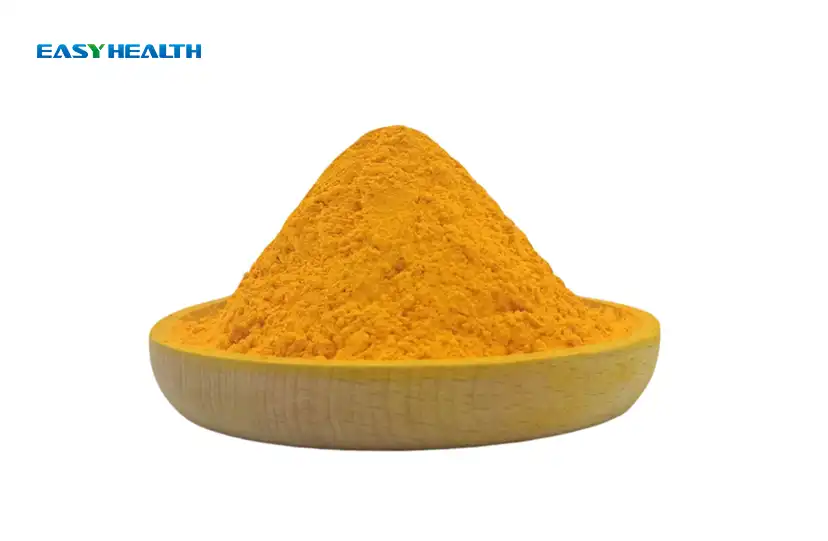
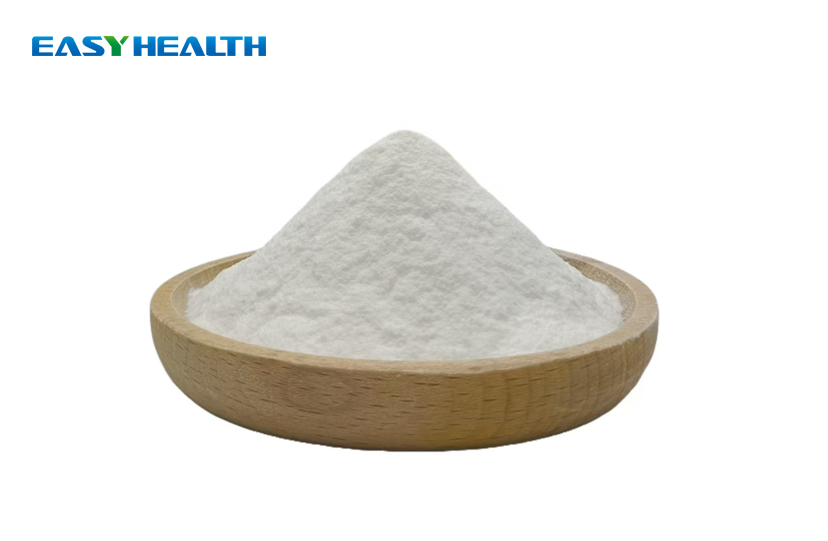
- Physical Characteristics: The substance should look like an orange-red powder that flows freely and doesn't stick or cake together. The range of particle sizes (95% to 40 mesh) makes sure that the material can be processed easily. Having a moisture content of ≤5.0% stops microbes from growing and keeps the powder stable. Surface oil levels below 1% show that the capsule is properly sealed and there are no leaks.
Procurement Parameters and Lead Times
Suppliers have varied minimum order amounts; however, special requirements normally need 25–100 kg. Standard formulas are also available in lesser amounts. In-stock items may be dispatched immediately, while customised formulas take 3–5 days to produce once requirements are approved. Shipping depends on where and how many products are sent. FedEx, DHL, and UPS may ship samples and small products in 3–7 days. Air freight can deliver 100–500 kg in 5–10 days. Ocean freight is cheaper for 500 kg+ cargoes with 20–40-day arrival windows. Experienced suppliers can aid with documentation, customs clearance, and packing items for international delivery.
OEM and Private Label Capabilities
By customizing formulations, specs, and packing, manufacturers who offer OEM services help brands stand out. This adaptability is very important when making products for specific market positioning, like high-end clinical-grade supplements, everyday wellness products, or functional food uses. Private label options include custom mixing with complementary ingredients, secret ratios, and labeled packaging options that help you get into the market faster without having to invest in your own production.
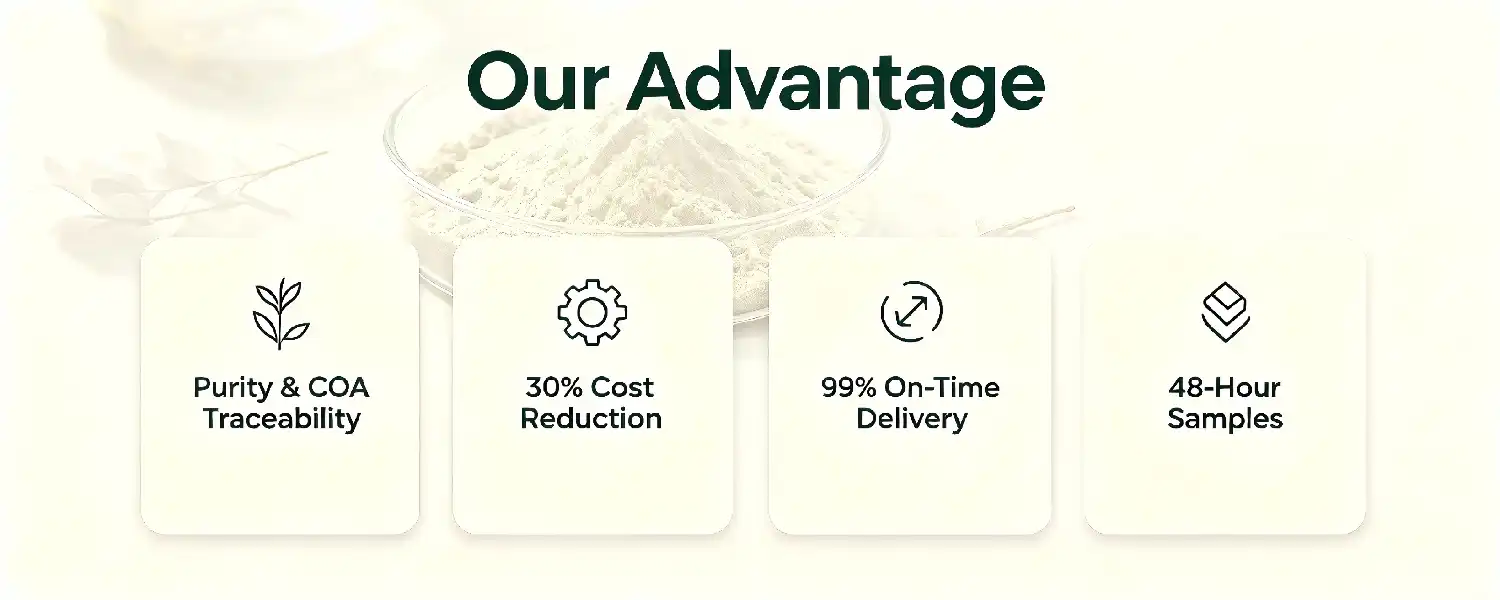
Applications and Use Cases of Microencapsulated Curcumin Powder in B2B Industries
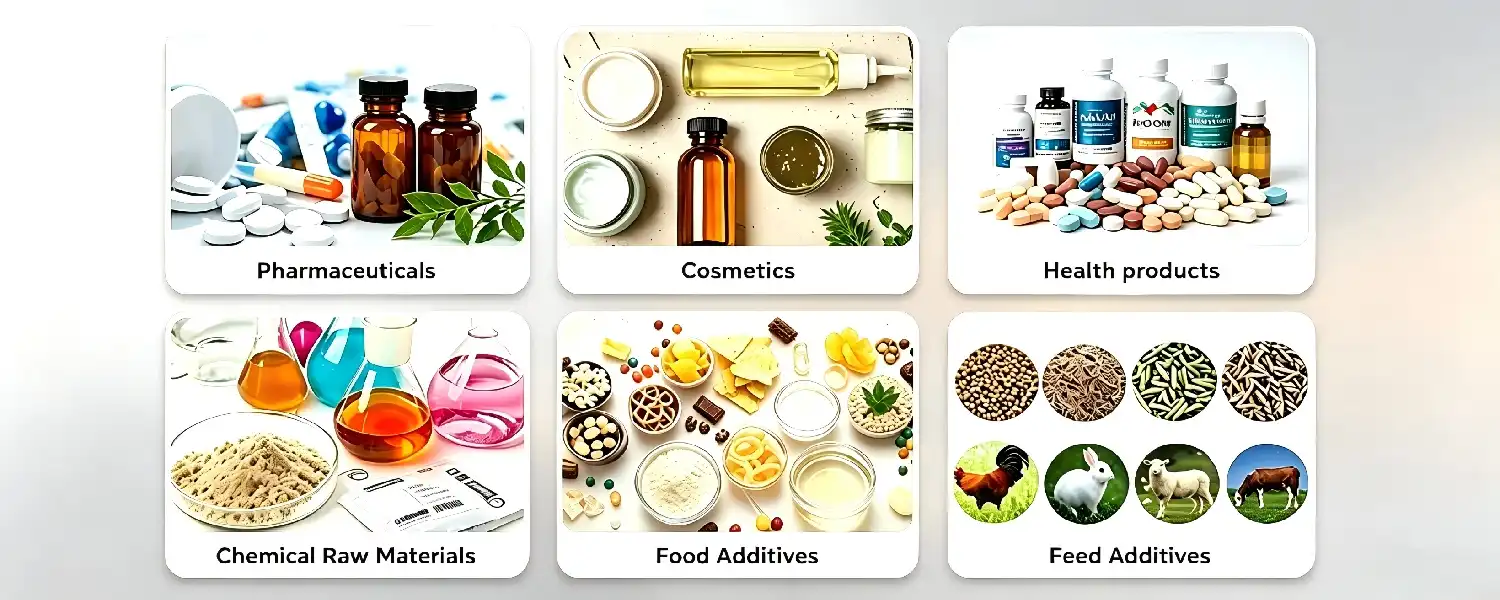
Curcumin that is microencapsulated is useful in many different industries because it is more stable and bioavailable, which makes it easier to make certain products.
Joint Health and Sports Nutrition Supplements
Curcumin is mostly used in joint support products. Manufacturers provide goods for athletes who need help recovering, for ageing individuals who want to walk comfortably, and for busy people who want healthy joints. Clients choose plant-based therapies because of their anti-inflammatory characteristics, providing natural alternatives to synthetic chemicals. Our Microencapsulated Curcumin Powder is consistently absorbed for proven therapeutic advantages. The bioavailability is increased 15-fold; therefore, lesser doses are needed to obtain plasma levels. The capsules are smaller and lighter, so you save room and money. Joint support formulas contain curcumin, glucosamine, chondroitin, MSM, and boswellia. More difficult to produce is the homogenous powder mix in capsule fillers and tablet presses that does not discolour like standard extracts.
Functional Beverages and Ready-to-Mix Products
Turmeric-based beverages are gaining traction in the beverage sector, but formulation issues have delayed these drinks from reaching more consumers. Standard curcumin does not dissolve in water; therefore, it will immediately fall out of solution and requires regular agitation or mixing with complicated emulsion systems. The colour shift throughout the shelf life results in an ugly brown stain. These challenges can be immediately overcome by microencapsulation technology. The powder may be blended with cold water to form stable suspensions in beverages such as turmeric lattes, golden milk mixtures, healing drinks, and anti-inflammatory shots. Beverage developers are able to generate clear labels without synthetic emulsifiers or stabilisers. The protected curcumin preserves its vivid colour even in the fridge, giving the product a high-end appearance that tempts buyers to purchase it.
Liver Support and Detoxification Formulas
The protective effects of curcumin on the liver are mediated by many mechanisms such as antioxidant defence, phase II enzyme activation, and regulation of inflammatory mediators. Curcumin is utilised by supplement producers in detoxification regimens, liver support formulas for alcohol use, and total cleanse programs to promote liver function. The technology of the intestinal covering is extremely good for the liver. The formula allows for the delivery of curcumin to the liver via the intestines so that curcumin may have the most direct protective effects on the hepatocytes. This focused distribution helps the drug operate better than degraded curcumin, which never reaches the correct levels in liver tissue.
Anti-Aging and Antioxidant Nutrition
The antioxidant properties of curcumin are used in the cosmeceutical and nutricosmetic sectors to enhance skin health and extend the cellular lifespan. Beauty-from-within tablets include curcumin, resveratrol, astaxanthin, and vitamin C to assist the body in fighting oxidative stress in a comprehensive approach. The potential of the chemical to modulate inflammatory pathways promotes healthy ageing on a cellular level. Product developers prefer the broad-spectrum composition that preserves the turmerones and aromatic chemicals. These volatile oils operate together in synergy, something pure curcuminoid isolates can't do. They increase the overall therapeutic efficacy, adding the botanical richness characteristic of ancient medicinal formulations.
Pharmaceutical and Clinical Nutrition Applications
Curcumin is used by healthcare product manufacturers in therapeutic regimens, enteral nutrition formulas, medicinal meals, and other formulations that need to be as pure as medicines. The high-quality criteria, such as heavy metal limitations, microbial restrictions, and testing for pesticide residues, fulfil the requirements of the government for medicinal use. Controlled-release properties provide sustained plasma concentrations, which are beneficial in chronic inflammatory situations. The collected stability statistics support the claims of shelf life required for institutional purchasing and hospital pharmacy formularies. Good technical documentation supports regulatory filings and formulary inclusion.
Conclusion
In its original form, it is a plant substance, and today, Microencapsulated Curcumin Powder is driving innovations in several B2B industries. Microencapsulated Curcumin Powder overcomes the primary problems with curcumin: low bioavailability, quick degradation, and poor solubility with other substances. New formulations give 15x higher absorption, ≥85% intestinal release, and stability in diverse product formats. This is achieved using encapsulation technology, natural bioenhancers, and enteric protection. Individuals looking for reliable sources of curcumin should choose providers that have proven standards of high quality, sufficient technical assistance, and the ability to manufacture things in many ways. Microencapsulated curcumin is a must-have for effective, innovative, and market-leading products. It meets the need for natural anti-inflammatory medications and advancements in delivery systems.
FAQ
1. What makes Microencapsulated Curcumin Powder different from regular curcumin extract?
Microencapsulation surrounds curcumin molecules with a barrier that keeps them from breaking down in light, heat, and stomach acid while allowing them to be dispersed in cold water. Standard extracts have a lot of curcuminoid substance, but they aren't well absorbed (below 1%), and they don't stay stable. Our formula uses enteric coating, microencapsulation, and natural piperine (5 mg/g) to improve bioavailability by 15 times and release ≥85% of the drug into the body. This is a performance that regular extracts can't match.
2. How quickly can I receive bulk orders for product development?
For sample amounts, stock formulas ship via express shippers within 24 to 48 hours. For normal specs, production orders of at least 25 to 100 kg are finished in three to five days. For custom formulas, you need to check the specifications and allow 3–5 days for production. How long it takes to ship depends on where it's going. Express delivery gets to most markets in 3–7 days, air freight in 5–10 days, and ocean freight in 20–40 days for large volumes.
3. Is microencapsulated curcumin safe for daily consumption?
Clinical safety data show that appropriate doses are well tolerated. Turmeric rhizomes (Curcuma longa), which are used in food and have been for hundreds of years, are where the natural curcumin product comes from. Plant polysaccharides and proteins with GRAS status are used in encapsulation products. Heavy metals, herbicides, and microbes can't get into our product because it meets pharmaceutical-grade purity standards. The recipe doesn't have any chemical preservatives or additives, which supports the clean-label stance for consumer goods.
Partner with Easy Health for Premium Microencapsulated Curcumin Solutions
Pharmaceutical-grade Microencapsulated Curcumin Powder made under ISO-certified quality systems is available from Easy Health to help you reach your product development goals. We have been a seller of curcumin powder for over 11 years and have a lot of experience with plant extracts. We offer full-spectrum formulations that have 15x bioavailability enhancement, enteric-protected intestinal targeting, and cold-water dispersibility that regular extracts can't offer. Our expert team provides full help with formula optimization, bioavailability paperwork, and adaptable OEM/ODM services for joint health supplements, functional drinks, and specialty nutrition uses. Email us at devin@easyhealthbio.com to get samples, technical specs, and unique quotes that meet your specific formulation needs. We'll get back to you within 24 hours to help you get your product to market faster.
References
1. Hewlings SJ, Kalman DS. Curcumin: A Review of Its Effects on Human Health. Foods, 2017; 6(10): 92.
2. Prasad S, Tyagi AK, Aggarwal BB. Recent developments in delivery, bioavailability, absorption, and metabolism of curcumin: the golden pigment from golden spice. Cancer Research and Treatment, 2014; 46(1): 2-18.
3. Shoba G, Joy D, Joseph T, et al. Influence of piperine on the pharmacokinetics of curcumin in animals and human volunteers. Planta Medica, 1998; 64(4): 353-356.
4. Anand P, Kunnumakkara AB, Newman RA, Aggarwal BB. Bioavailability of curcumin: problems and promises. Molecular Pharmaceutics, 2007; 4(6): 807-818.
5. Jamwal R. Bioavailable curcumin formulations: A review of pharmacokinetic studies in healthy volunteers. Journal of Integrative Medicine, 2018; 16(6): 367-374.
6. Kotha RR, Luthria DL. Curcumin: Biological, Pharmaceutical, Nutraceutical, and Analytical Aspects. Molecules, 2019; 24(16): 2930.

powder_1786350421227.webp)
_1784173402819.webp)