Microencapsulated Beta Carotene vs. Beta Carotene Oil
When formulators ask which form of beta carotene works best for their production line, the answer depends on one practical question: can your ingredient hold its color and potency through heat, acid, and time? Microencapsulated beta carotene powder—produced via Blakeslea trispora fermentation and protected by a double-wall coating—retains >90% color intensity at pH 2.5 and 130°C. Beta carotene oil, by contrast, is a lipid-suspended concentrate that performs well in fat-based systems but degrades quickly under acidic or high-temperature conditions. If your process involves gummies, acidic beverages, or baked goods, the powder form holds a clear technical advantage.
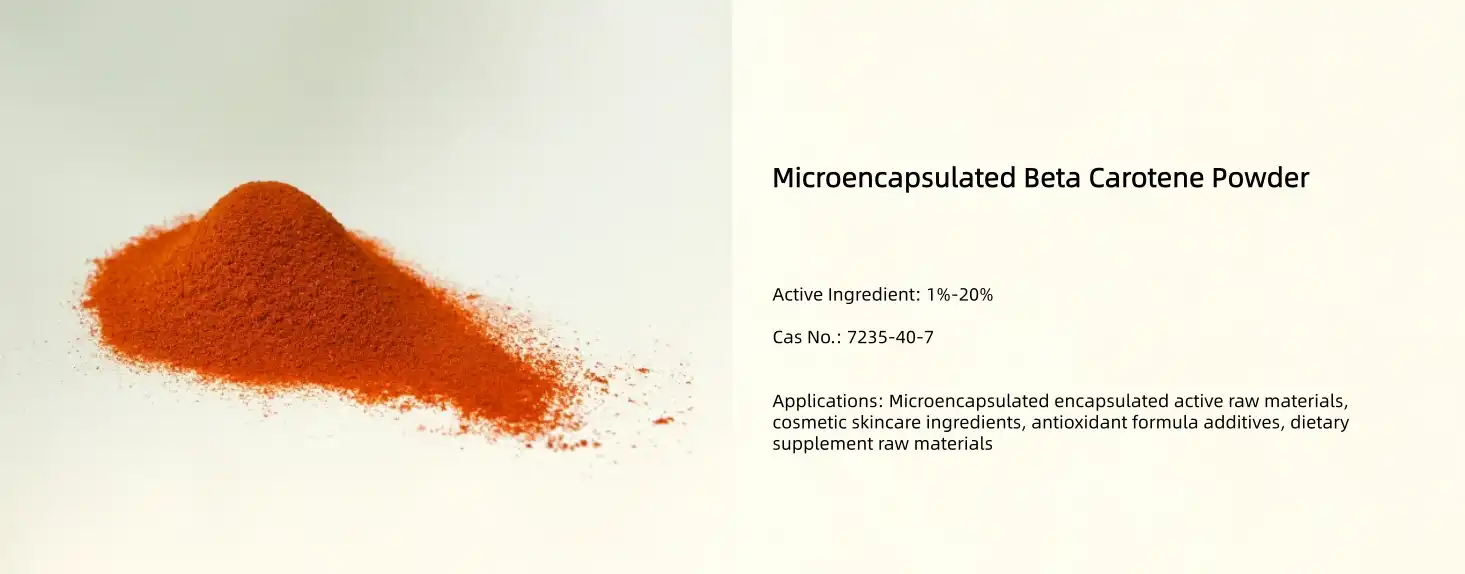
Understanding Beta Carotene Forms: Microencapsulated Powder vs. Oil
What Is Microencapsulated Beta Carotene Powder?
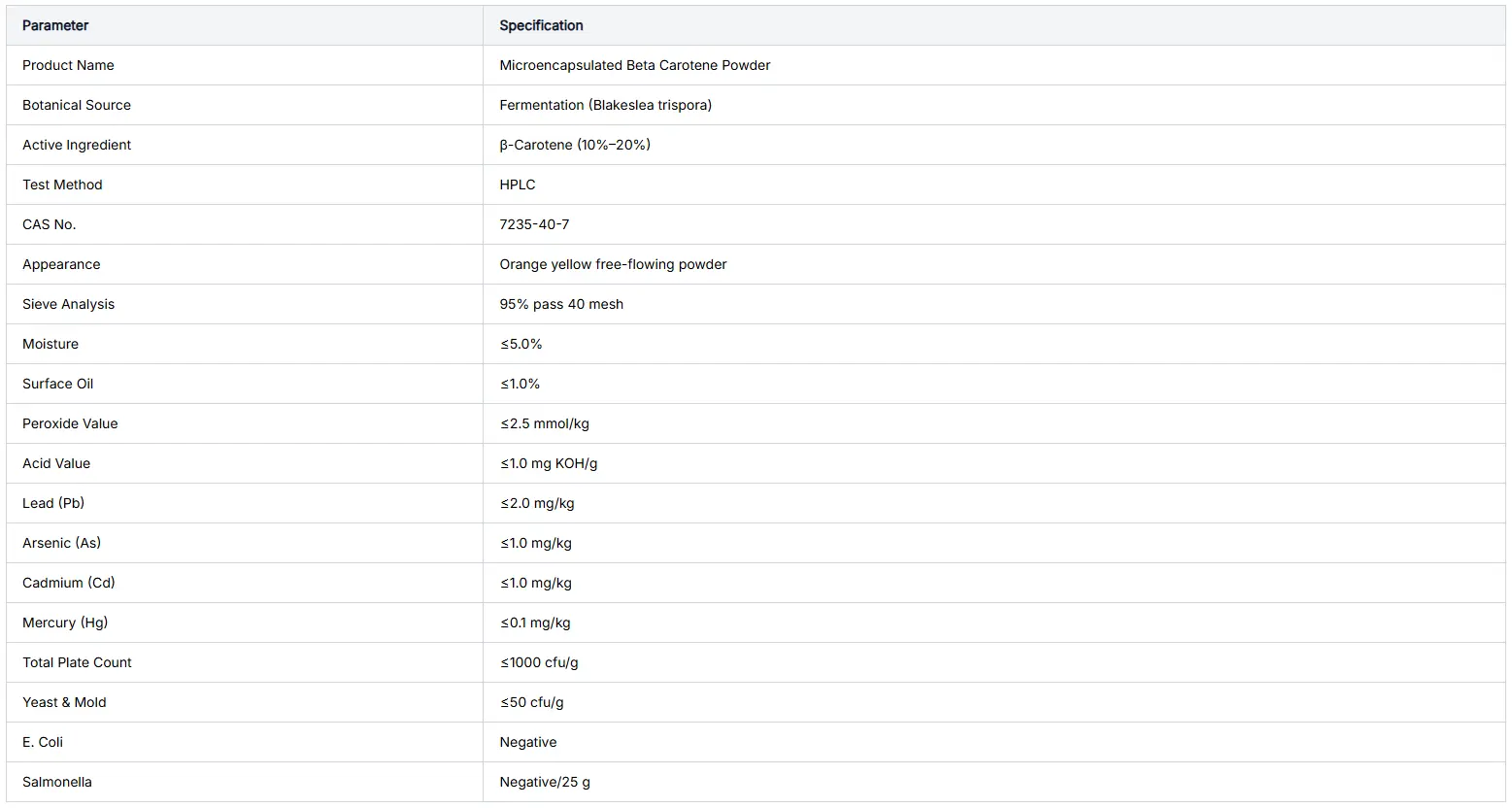
Microencapsulated beta carotene powder is a free-flowing orange-yellow ingredient made of pure beta-carotene contained in a protected matrix, usually modified starch or dextrin, by spray-drying or fluid-bed coating. The end result is a powder that can dissolve in water, stays solid on a shelf, and has controlled particle size (95% passing 40 mesh). Easy Health's version comes from fermentation, has 10% to 30% natural cis-isomers, and has been tested by HPLC to have 10% to 20% active beta-carotene.
What Is Beta Carotene Oil?
A lipid-based suspension of beta-carotene crystals in a carrier oil like sunflower or palm oil is called beta carotene oil. It has been popular for a long time because it is easy to handle and blends well into fat-rich foods like soft gels, dressings, and dairy. But the open oil matrix doesn't physically protect against rust, light, or heat. This means that as soon as the seal is broken or temperatures rise above 120°C, color and strength start to fade.
Physical and Processing Differences at a Glance
In almost every working variable, the two forms are different. Powder mixes with cold water without oil separation, but oil needs equipment to emulsify it. Powder can work in pH 2.5 settings, but oil breaks down quickly below pH 3.5. On dry-blending lines, powder always moves, but oil can coat equipment and make it stick. Powder lowers the chance of pollution between water-based and lipid-based lines for buying teams that handle a mix of products.
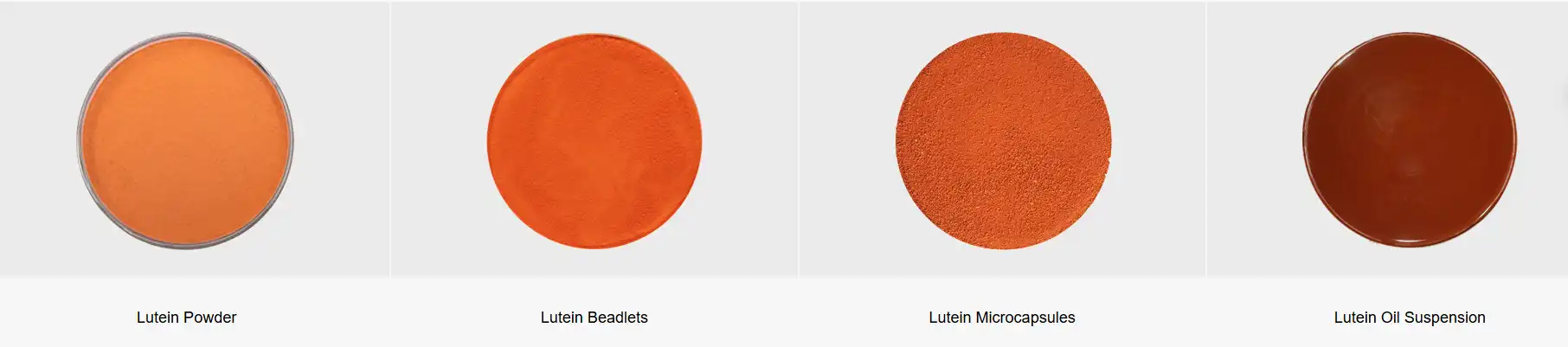
Performance and Stability: Why Microencapsulation Matters?
The Oxidation Problem With Oil
Carotenoids are made up of fatty molecules that easily break down in air, light, or iron ions. When the substance is in the form of oil, the beta-carotene load is in direct contact with the lipid carrier, which can also be peroxidized. A study published in 2015 in the journal Food Chemistry confirmed that oil emulsions with unprotected beta-carotene lost more than 40% of their color value in 12 weeks when stored at room temperature.
How Double-Wall Encapsulation Changes the Equation
With Easy Health's double-wall microencapsulation, the active carotenoid is protected from the outside world by two separate layers of polymer. This design makes it much harder for oxygen to get through and makes it take longer for moisture to get in. In real life, this means that the peroxide value stays at ≤2.5 mmol/kg and the surface oil stays at ≒1.0%. This means that the candy or bars don't "bleed" onto the molds and don't have a rancid smell.
Real-World Stability Data
Independent thermal stress tests show that Easy Health's microencapsulated beta carotene powder keeps more than 90% of its original color after being baked at 130°C for the normal amount of time and after being immersed in a pH 2.5 citric acid solution. These conditions are very similar to those used to make effervescent tablets and fruit juice. When tested under the same conditions, regular oil suspensions usually lose almost all of their color below pH 3.5 and only keep 50% to 65% of their color value at 120°C.
Application Differences Across Industries
Food, Beverage, and Gummy Manufacturing
In gummy casting lines, oil-form beta carotene causes two problems that keep happening: mold growth from oil bleeding on the surface, and color changes from batch to batch because the oil phase separates during mixing. The powder mixes evenly in the gelatin or pectin matrix, and since Easy Health offers proportionate 10% and 20% specs, changing the strength only needs a small dose change instead of a complete re-formulation. Functional drink brands can get orange drinks that are clear or cloudy and stay the same color at pH levels as low as 2.5.
Supplements and Infant Nutrition
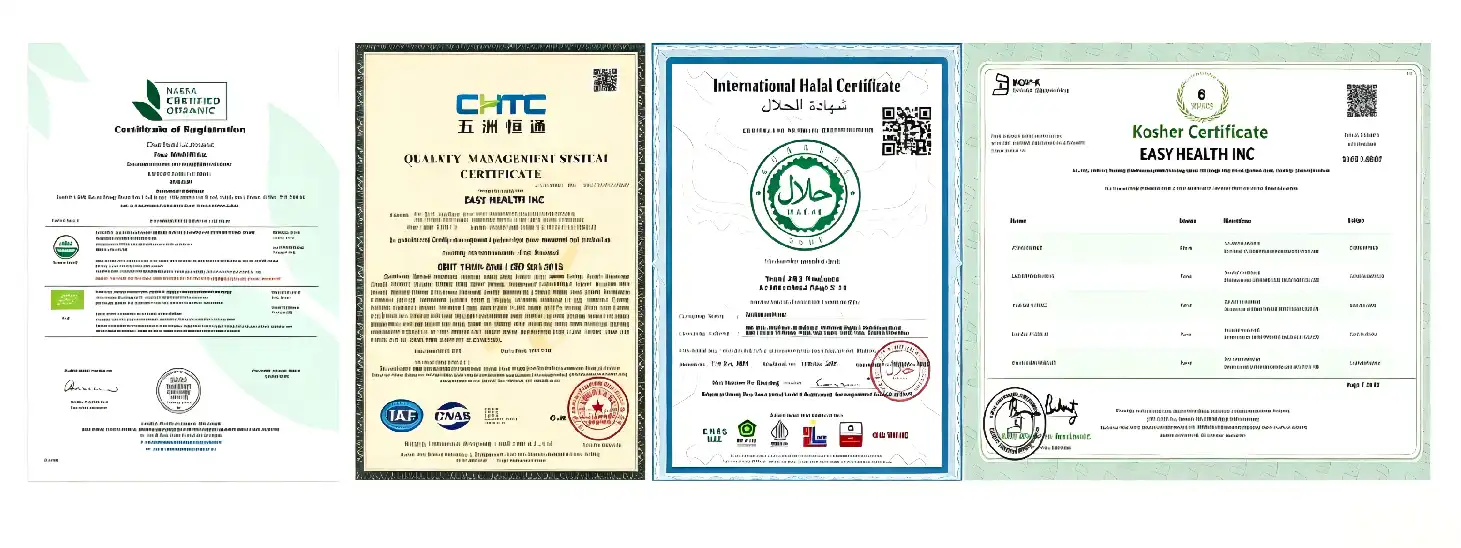
Manufacturers of tablets and capsules need ingredients that are dry, flow easily, and don't stick when pressed. Beta carotene that is based on oil makes lubricants not work well together and causes uneven spread in compressed pills. Encapsulated powder can be used in the same way as current premix processes. For baby formula, which is closely watched by regulators, Easy Health's powder has ISO, Halal, Kosher, FDA registration, USDA Organic, and HACCP certifications. It also has third-party Non-GMO verification and full heavy-metal compliance (Pb ≤2.0 mg/kg, As ≤1.0 mg/kg, Cd ≤1.0 mg/kg, Hg ≤0.1 mg/kg).
Cosmetics and Color Applications
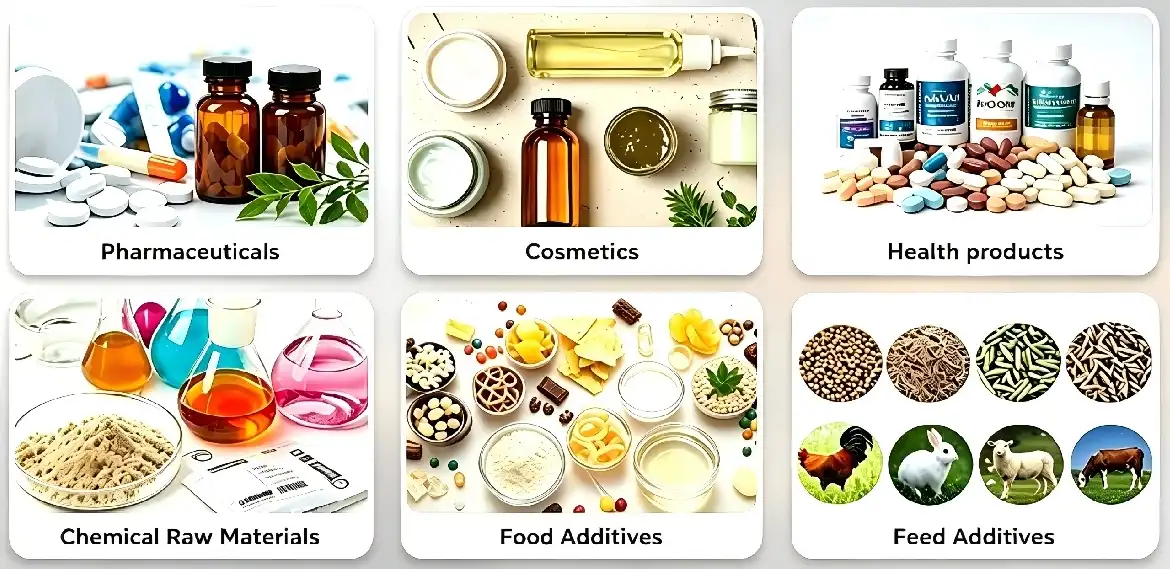
Beta carotene is a natural orange-yellow pigment that is used by color makeup makers in foundations and skin care products. Different types of oils can change how a formula feels on the skin and make water-in-oil emulsions less stable. Powder mixes in without changing the structure of the emulsion, and the stable enclosed form means that the color stays the same throughout the product's entire shelf life, which is very important for matching seasonal product runs.
Comparison in Procurement: Cost, Quality, and Supplier Selection
Upfront Cost vs. Total Cost of Ownership
The price per kilogram of beta carotene oil is usually cheaper. But buying teams that keep track of the total cost of ownership take into account things like yield losses from degradation, the cost of reformulating after stability failures, and the cost of customer complaints about color that isn't constant. When these numbers are taken into account, encapsulated powder usually gives better financial results over a production cycle of 12 to 24 months.
Certifications That Matter for Global Markets
Regulatory needs vary by region and type of product, but some certifications are found on almost all lists of approved vendors. The following qualifications for Easy Health's microencapsulated beta carotene powder have all been checked by a third party:
- ISO — Manufacturing quality system compliance for consistent process control.
- Halal & Kosher — Acceptable for markets with religious dietary requirements, including the Middle East, Southeast Asia, and North America.
- FDA Registration — Meets U.S. food ingredient identity and safety requirements.
- USDA Organic — Confirms no prohibited substances used in fermentation and processing.
- HACCP — Hazard analysis at every production stage, reducing contamination risk.
"FDA Registration" means that it meets the safety and identity requirements for U.S. food ingredients.
USDA Organic: Makes sure that no banned drugs were used in the processing and fermentation.
What to Ask Any Supplier Before Ordering?
Buyers make bad decisions about where to buy when they skip the expert proof step. Before you place your first order for any carotenoids, make sure you: Does the seller offer test data that has been checked by HPLC for each batch? Can they put out a Non-GMO study from a third party? What is their documented data on how long the color will last at the pH and temperature you need? On request, Easy Health gives R&D teams TDS sheets, HPLC batch reports, and pilot-scale stability data. This lets them do technical screening before committing to a trial order.
Why Choose Microencapsulated Beta Carotene Powder?
There are three good reasons to pick encapsulated powder over oil: it stays stable under process stress, the regulatory paperwork is complete, and the formulation can be changed easily.
The fermentation-based powder from Easy Health has 10% to 30% natural cis-isomers, which is not found in synthetic all-trans goods. This makes the claims about the vitamin A and antioxidants greater. The conditions that usually destroy oil-form rivals don't hurt the double-wall layer. Custom cis-isomer ratios can be made with a minimum order of 100 kg and a lead time of about one week. This gives brands the precision they need for targeted nutrition claims in the baby, sports, and wellness categories.
With more than 11 years of experience making products through fermentation and a full list of certifications, Easy Health has all the paperwork that purchasing managers, regulatory reviewers, and store buyers need at every stage of an ingredient evaluation.
Conclusion
It's not just a matter of cost when deciding between microencapsulated beta carotene powder and beta carotene oil. It's also a matter of how well the two work together in a mixture. It works in lipid systems that are cool and not too acidic. Powder keeps color, potency, and label claims safe in a wide range of tough situations, such as gummy bears, acidic drinks, baked goods, and baby food. The fermentation-sourced, double-wall capsule powder from Easy Health has been shown to be stable and has a natural cis-isomer profile. It also comes with a full certification package. The technical data is ready for R&D teams that are ready to switch from synthetic or oil-form ingredients, and it's easy to place the first trial order.
FAQ
Can encapsulated powder fully replace beta carotene oil in all applications?
Yes, for the most part. Powder works better in systems that are based on water, are acidic, or are very hot. When a fatty binder is strictly needed, oil is still the best choice for soft-gel capsules and some fat-rich food systems.
How does microencapsulation affect shelf life?
The protective coating keeps oxygen and water from coming into contact with the active carotene. The powder from Easy Health keeps its peroxide value at ≤2.5 mmol/kg and its surface oil at ≤1.0%, which means it can be stored safely for a long time. In the product TDS, you can find specific information about the shelf life.
How do I verify that a supplier's product is truly fermentation-derived?
Get an HPLC report from a third party that shows the cis-isomer ratio. Beta carotene that comes from fermentation naturally has 10% to 30% cis-isomers. Almost no cis is found in synthetic all-trans goods. A Non-GMO verification report from a reputable third party adds to the evidence.
What is the minimum order for a custom cis-isomer specification?
Custom cis-isomer ratio orders from Easy Health start at 100 kg, and take about a week to arrive after the order is confirmed.
Does the powder leave an odor in finished products?
When used normally, the enclosed form doesn't smell bad at all. The double-wall coating tightly holds the carotenoid, which greatly lowers the mild off-note that can happen when high doses of unprotected beta carotene are used.
Request a Sample From Easy Health — Your Trusted Microencapsulated Beta Carotene Powder Supplier
Since 2007, Easy Health has been selling carotenoid chemicals made from fermentation to companies in North America and other countries. These companies make food, supplements, and cosmetics. Our microencapsulated beta carotene powder comes in 25 kg drums and comes with full batch records. On request, you can get samples, TDS sheets, and expert advice. Talk to our staff at devin@easyhealthbio.com or go to easyhealthinc.com to begin your evaluation right away.
References
1. Boon, C. S., McClements, D. J., Weiss, J., & Decker, E. A. (2010). Factors influencing the chemical stability of carotenoids in foods. Critical Reviews in Food Science and Nutrition, 50(6), 515–532.
2. Ribeiro, H. S., Ax, K., & Schubert, H. (2003). Stability of lycopene emulsions in food systems. Journal of Food Science, 68(9), 2730–2734.
3. Zhu, Z., Luan, C., Zhao, X., & Huang, Y. (2015). Oxidative stability of beta-carotene emulsions as affected by antioxidant polarity and presence of iron. Food Chemistry, 174, 502–508.
4. Rao, A. V., & Rao, L. G. (2007). Carotenoids and human health. Pharmacological Research, 55(3), 207–216.
5. McClements, D. J., & Decker, E. A. (2000). Lipid oxidation in oil-in-water emulsions: Impact of molecular environment on chemical reactions in heterogeneous food systems. Journal of Food Science, 65(8), 1270–1282.
6. Craft, N. E., & Soares, J. H. (1992). Relative bioavailability of beta-carotene isomers and interaction with food matrix components. Journal of Nutrition, 122(12), 2379–2387.

_1784173402819.webp)