How Is Microencapsulated Sunflower Seed Oil Powder Made?
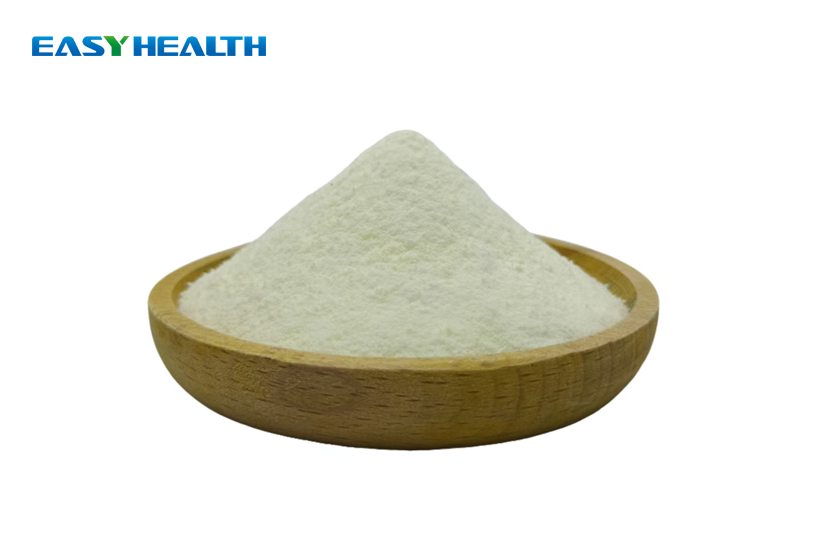
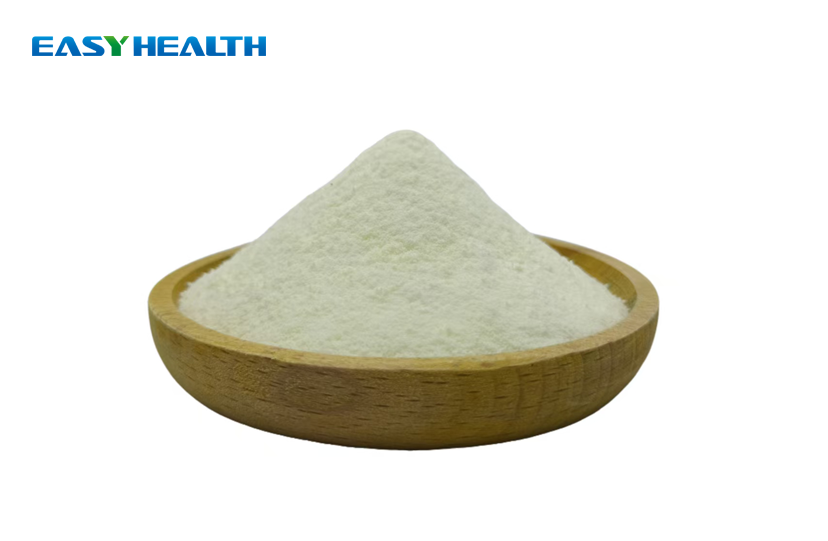
Microencapsulated sunflower seed oil powder is produced by enclosing high-oleic sunflower oil within a protective wall matrix through a process called spray drying. First, food-grade encapsulants—typically modified starch, maltodextrin, or proteins—are dissolved in water. The sunflower oil is then homogenized into this solution to form a stable oil-in-water emulsion. This emulsion is atomized through a high-pressure nozzle into a heated drying chamber, where water evaporates instantly, leaving behind dry microcapsules. Each capsule traps the oil core inside, shielding it from oxygen, light, and moisture. The result is a free-flowing, shelf-stable powder ready for industrial formulation.
Understanding Microencapsulation Technology for Sunflower Seed Oil
Before talking about the steps of making something, it's helpful to know what microencapsulation is and why it's important for teams that buy food ingredients.
What Is Microencapsulation?
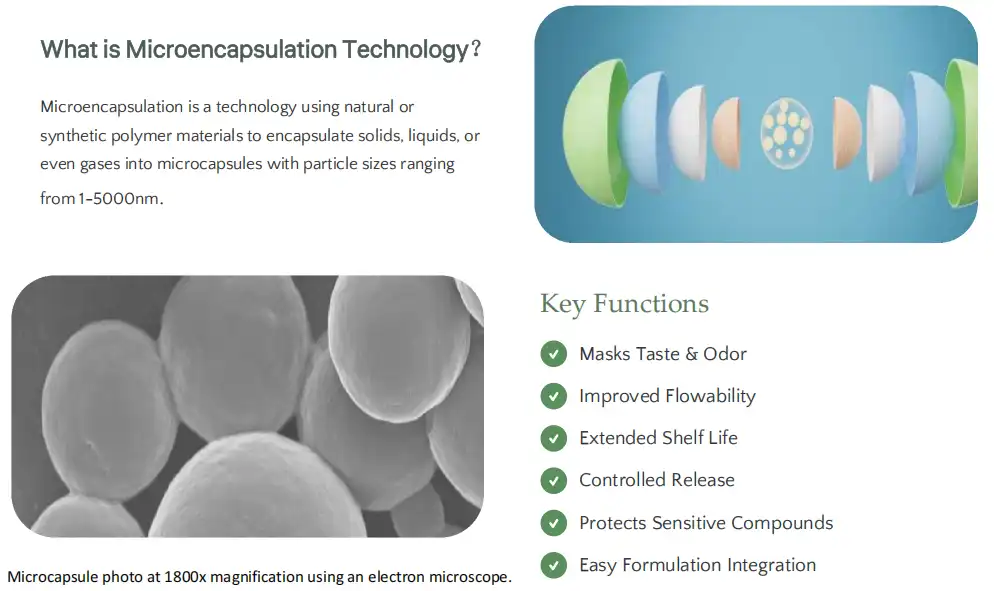
Putting solid shells around very small drops of a liquid, in this case sunflower oil, is called microencapsulation. Some of the biopolymers that make it up are safe for food, such as sodium caseinate, whey protein, modified starch, and maltodextrin. A wall matrix is another name for the shell. The structure keeps the oil literally separate from its surroundings. This stops the oxidation processes that would otherwise make the oil go bad.
Why Does This Matter for Liquid Oil?
You can still oxidise liquid sunflower oil even if it has a lot of oleic acid if you put it in air, heat, or light. It is hard for people who make finished things to follow the rules when they are rancid. This is because rancidity makes flavours and nutrients worse. The oil's shelf life goes from about 6 months to 18–24 months if stored properly after being turned into a powder. This makes it easier to handle and stops oil migration in dry blends.
What Role Do Wall Materials Play?
How well the powder works in the end and how well the oil is protected depend on what the wall is made of. Proteins help emulsification work better and modified starch is a cheap way to package things well. The amount of oil on the surface is a very important sign of quality, and the right wall-material ratio can change it. Easy Health's product has less than 1% surface oil, which helps it move and protects it against oxidation over time.
Step-by-Step Process of Making Microencapsulated Sunflower Seed Oil Powder
Knowing the steps in the production process helps purchasing managers judge the skills of suppliers and make sure that products are always the same.
Raw Material Selection and Preparation
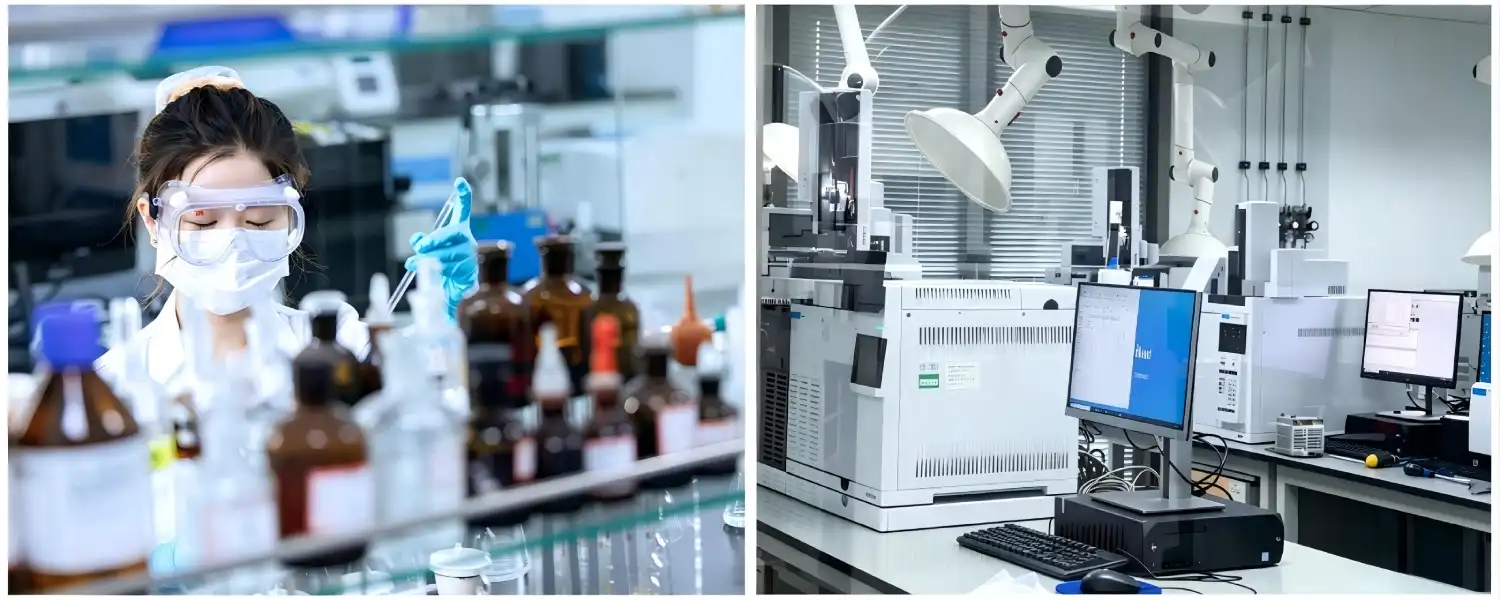
The first step is to find food-grade encapsulants and high-oleic sunflower oil (≥80% oleic acid, CAS No. 60-33-3) for microencapsulated sunflower seed oil powder. Gas chromatography (GC) checks the quality and fatty acid makeup of raw oil before it is processed. Natural vitamin E is kept at ≥600 ppm throughout the process at Easy Health. This means that synthetic antioxidants like TBHQ or BHA are not needed, which is great for clean-label product lines.
Emulsification and Homogenization
A high-shear homogenizer is used to mix the oil and the water-based wall-material solution and make a fine oil-in-water mixture. At this stage, the regularity of droplet size directly affects how well sealing works. A narrow range of particle sizes makes it less likely that free oil will form on the powder's surface as it dries. Usually, the emulsion aims for a 50% oil load, which strikes a balance between nutritional density and physical stability.
Spray Drying and Post-Processing
The stable mixture is put into a spray dryer with low temperatures. In seconds, hot air turns it into dry microcapsules. Low-temperature processing is done on purpose to protect chemicals like vitamin E that are sensitive to heat and to keep the oil's neutral taste profile. The powder is put through a 40-mesh sieve (95% pass rate) after it has dried to make sure that the particles are all the same size. After that, it is cooled, put in a package under nitrogen or vacuum, and sealed to be sent.
Quality Control and Stability of Microencapsulated Sunflower Seed Oil Powder
When it comes to buying things, quality assurance makes or breaks the deal. For a powder to look good on a spec sheet, it must work the same way in every output batch.
Key Testing Parameters
These are the main quality indicators that Easy Health checks for each batch:
- Peroxide Value: ≤2.5 mmol/kg, indicating minimal primary oxidation in the oil core
- Moisture Content: ≤5.0%, preventing microbial growth and caking during storage
- Surface Oil: ≤1.0%, confirming encapsulation integrity and powder flowability
- Particle Size: 95% through 40 mesh, supporting dry-blend compatibility
- Acid Value: ≤1.0 mg KOH/g, confirming oil freshness at dispatch
These numbers are confirmed by GC analysis and written down on the batch certificate of analysis that comes with every shipment.
Oxidative Stability Advantage
High-oleic sunflower oil has a higher oleic-to-linoleic ratio than regular sunflower oil. This makes it 3–5 times more resistant to oxidation. The wall matrix gives this oil even more protection when it is enclosed. Testing for accelerated stability at 40°C and 75% relative humidity consistently shows that the powder stays healthy and tasty for 18–24 months in a normal warehouse.
Heavy Metal and Microbiology Compliance
Each batch of microencapsulated sunflower seed oil powder is checked for bacteria (E. coli and Salmonella: Negative) and heavy metals (Pb ≤2.0, As ≤1.0, Cd ≤1.0, Hg ≤0.1 mg/kg). The total number of plates is still 1,000 cfu/g. These controls are in line with what is needed for FDA, HACCP, ISO, Halal, and Kosher certification, which makes it easier for our customers to do compliance audits.
Applications and Benefits of Encapsulated Sunflower Oil Powder in B2B Industries
The powder form lets you make things that liquid oil just can't do. In four well-known business uses, this ingredient has been shown to be useful:
- Bakery Premixes and Dry Dough Systems: The encapsulated format prevents premature oil migration into starch matrices. Fat stays bound within microcapsules until heat-triggered release during baking, improving crumb uniformity and extending product freshness in packaged goods.
- Beverage Powders and Meal Replacements: The powder disperses completely in cold water without leaving an oily film. This makes it compatible with shaker-bottle formats and instant beverage systems, where smooth mouthfeel and clean dissolution are non-negotiable.
- Infant Nutrition and Clinical Food Products: The encapsulated format provides precise essential fatty acid dosing with full documentation. The neutral odor profile is particularly valuable in baby cereal and teething biscuit formulations where flavor carry-over is unacceptable.
- Nutrition Bars and Grain Snacks: Fat migration causes surface grease and wrapper adhesion in bar products. Encapsulated oil eliminates this problem, improving texture and packaging performance simultaneously.
All of these uses lead to the same result: longer-lasting products and lower formulation risk, which means your production team will spend less on reformulating.
How to Choose the Right Microencapsulated Sunflower Seed Oil Powder Supplier?
All at once, the provider you pick affects your ability to keep making products, your standing with regulators, and the quality of your products.
Certifications and Compliance Documentation
A good company that makes microencapsulated sunflower seed oil powder should at least be registered with FDA, ISO, HACCP, Halal, and Kosher organizations. If you want to sell organic products to people in certain markets, getting USDA NOP and EU Organic certifications can help you make more money. Ask for up-to-date certificates, not just ones that are mentioned on a website.
Production Capacity and Lead Times
As important as product quality is a steady supply. Check with the supplier to see if they keep extra stock of standard specifications and how long it takes for them to make custom formulations. Standard goods at Easy Health ship right away from stock, and products made to order are usually ready in 3–5 days.
Sample Testing and Technical Support
Before signing a framework agreement, ask for a sample and put it through your actual production line. This could be a test run for baking bread, reconstituting drinks, or extruding bars. A good microencapsulated sunflower seed oil powder provider will also help you with manufacturing and application issues, which will shorten the time it takes to go from R&D to market.
Conclusion
Sunflower oil goes from being a fragile liquid ingredient to a shelf-stable, dry-blend-ready microencapsulated sunflower seed oil powder through microencapsulation. This gives the product measurable performance benefits. The steps, which include emulsification, low-temperature spray drying, and sieving, are meant to keep the purity of the fatty acids and get rid of the problems that come with dealing liquid fats. Food companies that make baked goods, baby food, sports nutrition, or drinks can use an enclosed oil powder with at least 80% oleic acid, no more than 1% surface oil, and a clean label to make their products work better and make managing compliance easier.
FAQ
Does microencapsulation actually extend shelf life significantly?
Yes. Raw high-oleic sunflower oil typically remains stable for about 6–12 months. When properly encapsulated and stored at ambient conditions, the powder maintains nutritional and sensory quality for 18–24 months. The wall matrix limits oxygen diffusion to the oil core, which is the primary mechanism behind this improvement.
Can the powder disperse in cold water without extra equipment?
Our encapsulated oil powder is engineered for instant cold-water dispersibility. It forms a stable emulsion without an oil ring or surface film, which makes it compatible with standard powder blending and shaker-bottle formats.
Is this product suitable for Halal and Kosher markets?
Yes. Easy Health holds both Halal and Kosher certifications. Full documentation is available upon request to support your compliance and labeling requirements.
Can wall materials be adjusted for vegan applications?
Yes. By replacing any dairy-derived proteins with plant-based alternatives such as modified starch or pea protein, the product can meet vegan formulation requirements. Contact our technical team to discuss specification adjustments.
What is the minimum order quantity for samples?
Contact us directly at devin@easyhealthbio.com to request a sample. Our team will confirm sample availability and arrange dispatch based on your application needs.
Request a Sample from Easy Health — Trusted Microencapsulated Sunflower Seed Oil Powder Supplier
For more than 11 years, Easy Health has worked with food and supplement companies around the world. There is full batch documentation, clean label certifications, and technical support from our R&D team when our microencapsulated sunflower seed oil powder is shipped. Contact us at devin@easyhealthbio.com or go to easyhealthinc.com to get started right away, whether you need a sample right away for a production trial or want to talk about a volume plan.
References
1. Gharsallaoui, A., Roudaut, G., Chambin, O., Voilley, A., & Saurel, R. (2007). Applications of spray-drying in microencapsulation of food ingredients. Food Research International.
2. Augustin, M. A., & Hemar, Y. (2009). Nano- and micro-structured assemblies for encapsulation of food ingredients. Chemical Society Reviews.
3. Frankel, E. N. (2005). Lipid Oxidation (2nd ed.). The Oily Press.
4. Kolanowski, W., Laufenberg, G., & Kunz, B. (2004). Fish oil stabilisation by microencapsulation with modified cellulose. European Food Research and Technology.
5. Che Man, Y. B., & Tan, C. P. (1999). Effects of natural and synthetic antioxidants on changes in refined, bleached, and deodorized palm olein during deep-fat frying. Journal of the American Oil Chemists' Society.
6. Shahidi, F., & Han, X. Q. (1993). Encapsulation of food ingredients. Critical Reviews in Food Science and Nutrition.

_1784173402819.webp)