What Are the Benefits of Microencapsulated Sunflower Seed Oil Powder?
Microencapsulated sunflower seed oil powder delivers measurable advantages that liquid oils simply cannot match in industrial food production. By encasing high-oleic sunflower oil within a protective micro-matrix, this functional lipid ingredient resists oxidation, eliminates oil migration, and integrates cleanly into dry-blend systems. Manufacturers across bakery, sports nutrition, infant formula, and beverage powder sectors rely on it to achieve clean-label compliance, consistent batch quality, and extended shelf life — all without synthetic antioxidants like TBHQ or BHA.


Understanding Microencapsulated Sunflower Seed Oil Powder
What the Technology Actually Does?
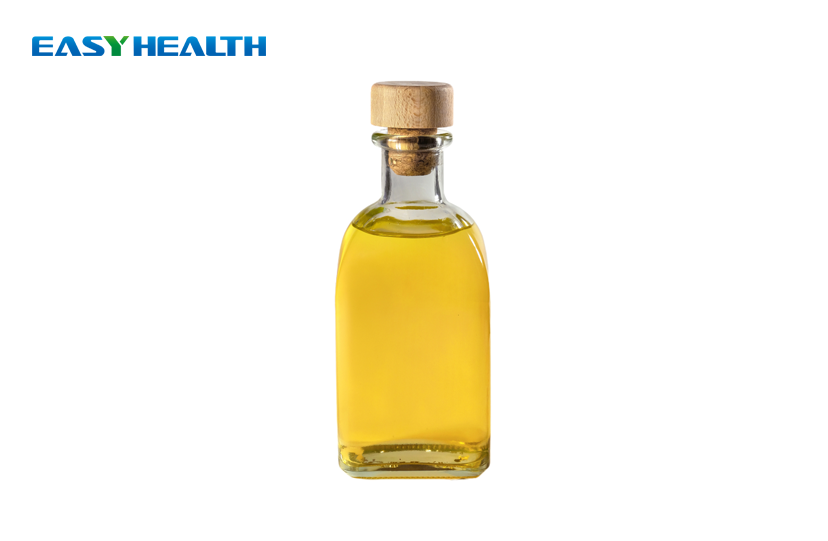
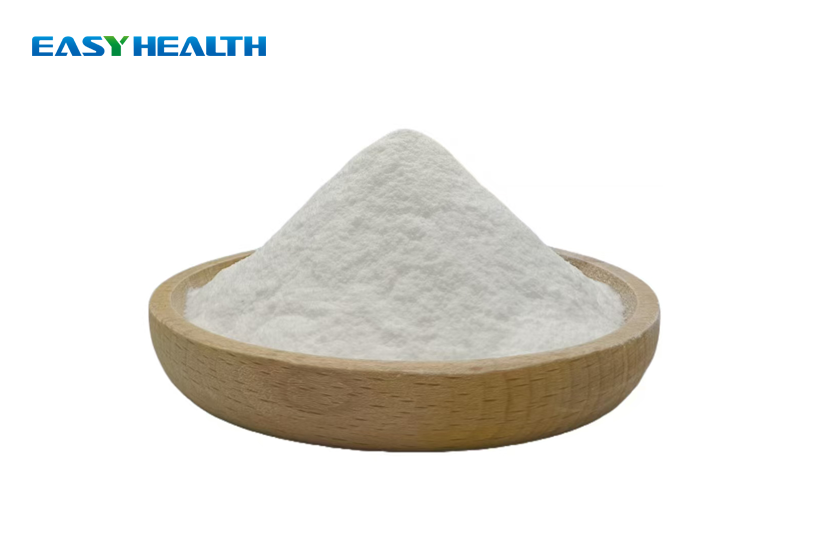
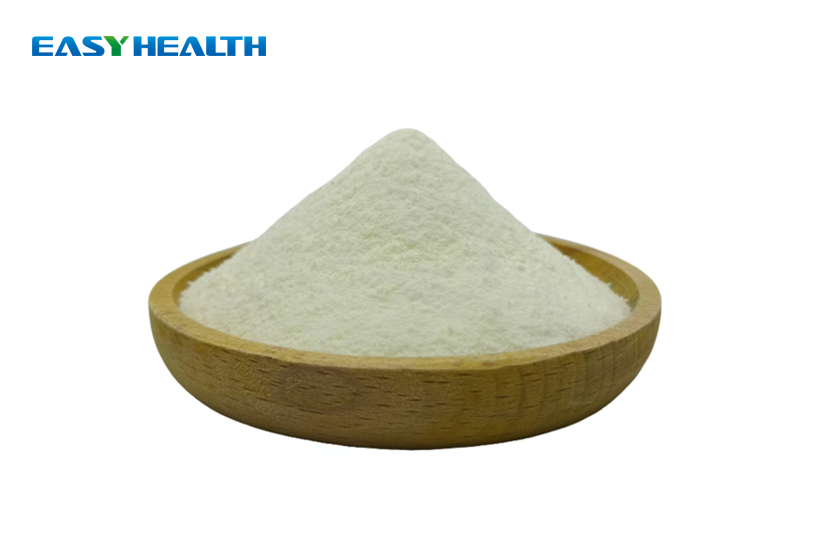
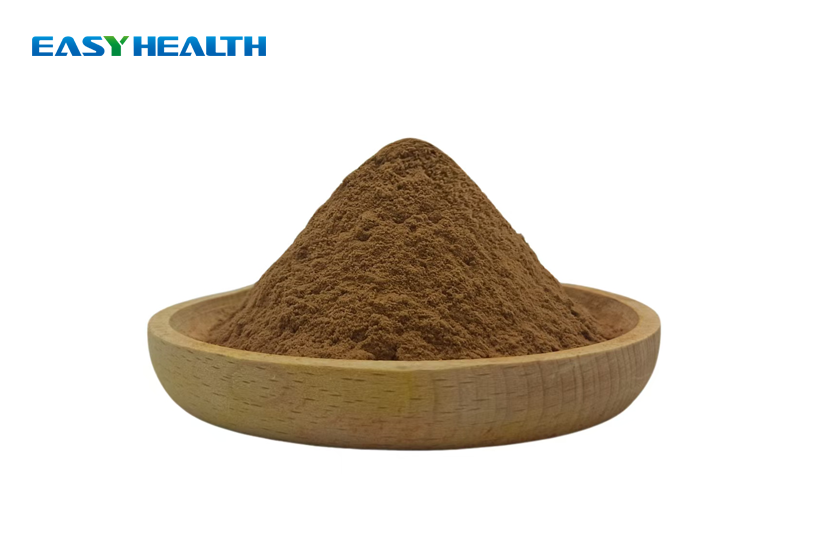
Spray drying at low temperatures turns liquid sunflower oil into a stable, off-white to light yellow powder that flows easily. Around each oil droplet, the wall material makes a dense micro-matrix that keeps oxygen, light, and heat away from the unsaturated fatty acids. Easy Health's recipe calls for a minimum of 80% oleic acid, no more than 1.0% surface oil, and a peroxide value of less than 2.5 mmol/kg. These conditions directly lead to longer shelf life and lower rancidity risk on the production floor.
Why the Oil Source Matters?
The fatty acid profile of high-oleic sunflower oil (Helianthus annuus L.) is very different from that of regular sunflower oil. Because it has more oleic acid, it is three to five times more resistant to oxidation than regular linoleic-rich types. Keeping natural vitamin E at ≥600 ppm without using artificial preservatives helps brands make clean-label claims, which are a must for brands in the U.S. market that want to attract health-conscious customers.
Key Benefits of Encapsulated Sunflower Oil Powder
Industrial procurement teams look at how well microencapsulated sunflower seed oil powder ingredients work, how well they work with other processes, and how well they are documented. These are the main technical benefits of this powder that make it a reliable workhorse for many product lines.
- Superior oxidative stability without synthetic antioxidants. The ≥80% oleic acid and ≥600 ppm natural vitamin E protect naturally against free radicals. Under the right storage conditions, finished goods keep their taste and nutritional value for 18 to 24 months. This is a shelf life that most liquid oils can't even come close to without chemical additives.
- Elimination of oil migration and greasy production conditions. It means that the powder doesn't leave any residue on processing equipment or packaging surfaces and flows freely through 40 mesh. It also means that the surface oil is less than 1.0%. Having consistent dough behavior and a more uniform crumb structure is especially helpful for bakery premix lines.
- Instant cold-water dispersibility with no oily film. The encapsulated structure breaks down evenly in both warm and cold water, creating a stable spread that doesn't stick to the surface. Manufacturers of meal replacements and beverage powders can get rid of workarounds that use a lot of emulsifiers from their recipes.
- Thermal stability for warm-climate logistics. If the freezing point is higher than 60°C, the substance won't harden when it's shipped by sea or stored in a building with a lot of moisture. This one requirement gets rid of a common problem that purchasing managers have with regular fat powders that are sent through tropical distribution routes.
All of these benefits lower the risk of composition, make it easier to record compliance, and cut waste throughout the production cycle. This mix is hard to get with in-house liquid oil systems for buying managers who have to weigh price sensitivity against ingredient performance.
How It Compares to Other Fat Powder Options?
Against Liquid Sunflower Oil
To keep it from getting contaminated, liquid sunflower oil needs to be stored at a controlled temperature and dosed with special equipment. When it comes in contact with air, it oxidizes quickly, making it hard to clean dry-blend lines. The powdered, compressed form gets rid of all three points of friction while keeping the same nutritional makeup for the fatty acids.
Against Other Vegetable Oil Powders
While flaxseed oil powder has more omega-3s, it breaks down faster and has a strong flavor that doesn't work well with neutral products like baby cereal or white-based drinks. Olive oil powder is much more expensive and only tastes good with certain foods. Microencapsulated sunflower seed oil powder is a good compromise because it has a neutral taste, is very stable against oxidation, and can be used in a wide range of industrial settings.
Production Standards and Quality Assurance
Certifications That Matter in B2B Procurement
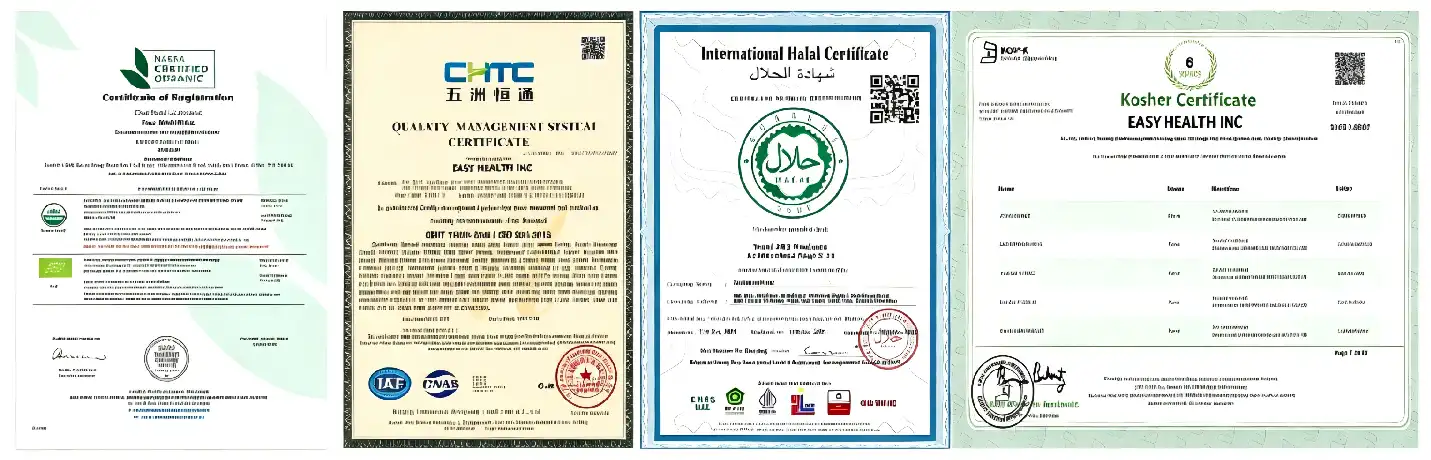
The factory where Easy Health makes their products is registered with the FDA and has ISO, HACCP, Halal, Kosher, and USDA NOP certifications. GC-method testing is done on every production batch, and full traceability documentation is kept from the time the raw materials are sourced until they are delivered. This paperwork package cuts the time it takes to qualify suppliers by a large amount for procurement teams that are in charge of compliance checks in multiple markets.
Batch Consistency You Can Plan Around
By design, specification control is very strict. The acid value stays at 1.0 mg KOH/g, the moisture level stays at ≤5.0%, and the heavy metal limits meet international standards (Pb ≤2.0 mg/kg, As ≤1.0 mg/kg, Cd ≤1.0 mg/kg, and Hg ≤0.1 mg/kg). Testing for pathogens confirms that E. coli and Salmonella did not grow. Standard inventory is kept in ready stock, and custom formulas ship within 3–5 days. This ensures a reliable supply that supports annual framework contracts without worrying about buffer stock.

How to Source This Ingredient for Your Operation?
When buying healthy fat powders, choices usually follow a set pattern: first, you look at a sample, then you do a pilot-scale trial on your real production line, and finally, you commit to buying a certain amount. Easy Health helps with the process at every step with technical support, such as formula improvement advice from an in-house R&D team with more than 11 years of experience making plant extracts.
When looking at microencapsulated sunflower seed oil powder suppliers, the paperwork they need to show should include proof of the oleic acid percentage, surface oil analysis results, peroxide and anisidine values, accelerated stability data, and certificates for any Halal, Kosher, or non-GMO requirements that are specific to the market. By asking for these up front, you can avoid expensive reformulations after scale-up.
Volume pricing depends on the size and details of the order, so providing suppliers with early information about yearly demand forecasts lets them make structured agreements that protect both supply continuity and cost predictability. This is the "volume for price" dynamic that makes B2B ingredient sourcing work well.
Conclusion
Three long-standing issues in manufacturing can be fixed at once with microencapsulated sunflower seed oil powder: oxidation instability, the difficulty of handling liquid oil, and clean label compliance. It is a reliable nutrient for use in bread, nutrition, beverage, and baby food because it meets strict quality standards, has a wide range of certifications, and is high in oleic acid. This functional lipid ingredient should be seriously considered as a long-term formulation standard by buying teams that want a stable supply, uniform batch quality, and paperwork that passes global compliance reviews.
FAQ
How does encapsulation extend shelf life compared to raw sunflower oil?
Once opened, raw sunflower oil usually goes bad within 6 months. The microencapsulated sunflower seed oil powder stays healthy and tasty for 18 to 24 months when stored properly. This is because the wall material protects the oil core from oxygen and light.
Is a plant-based wall material available for vegan certification?
Yes. Animal-based wall materials can be replaced with plant-based ones, like modified starch, which lets labels say that the product is vegan or vegetarian. Check with your supplier about the composition of the wall material when you ask for samples.
How does the powder behave during high-temperature baking processes?
Since the freezing point is above 60°C, the temperature stays stable during normal baking processes. The enclosed structure slowly releases the lipid into the dough matrix. This helps keep the crumb regular and stops it from sticking.
What certifications support U.S. and international market entry?
You can get ISO, HACCP, Halal, Kosher, FDA registration, and USDA NOP certifications. Full batch traceability documentation helps with compliance audits in regulated areas like clinical nutrition and infant food.
Can the powder be used in cold-process beverage formulations?
Yes. The product mixes fully with cold water and doesn't leave an oily film on the surface. This means it can be used right away with ready-to-mix protein shakes, nutritional drink powders, and quick meal replacements.
Request a Sample from Easy Health — Trusted Microencapsulated Sunflower Seed Oil Powder Supplier
Easy Health brings more than 11 years of experience making plant extracts directly to your formulation team. Our microencapsulated sunflower seed oil powder can be sent out as a sample right away, and comes with full certification paperwork and R&D technical support. Get in touch with us at devin@easyhealthbio.com or visit easyhealthinc.com to start your review right away, whether you need a standard design or a unique encapsulation ratio.
References
1. Drusch, S., & Mannino, S. (2009). Patent-based review on industrial approaches for the microencapsulation of oils rich in polyunsaturated fatty acids. Trends in Food Science & Technology, 20(6–7), 237–244.
2. Keogh, M. K., & O'Kennedy, B. T. (1999). Milk fat microencapsulation using whey proteins. International Dairy Journal, 9(9), 657–663.
3. Kolanowski, W., Laufenberg, G., & Kunz, B. (2004). Fish oil stabilisation by microencapsulation with modified cellulose. European Food Research and Technology, 218(4), 373–379.
4. Jiménez, M., García, H. S., & Beristain, C. I. (2004). Spray-drying microencapsulation and oxidative stability of conjugated linoleic acid. European Food Research and Technology, 219(6), 588–592.
5. Gharsallaoui, A., Roudaut, G., Chambin, O., Voilley, A., & Saurel, R. (2007). Applications of spray-drying in microencapsulation of food ingredients. Food Research International, 40(9), 1107–1121.
6. Augustin, M. A., & Hemar, Y. (2009). Nano- and micro-structured assemblies for encapsulation of food ingredients. Chemical Society Reviews, 38(4), 902–912.

_1784173402819.webp)