Why Is High Oleic Sunflower Oil Made Into Microencapsulated Powder?
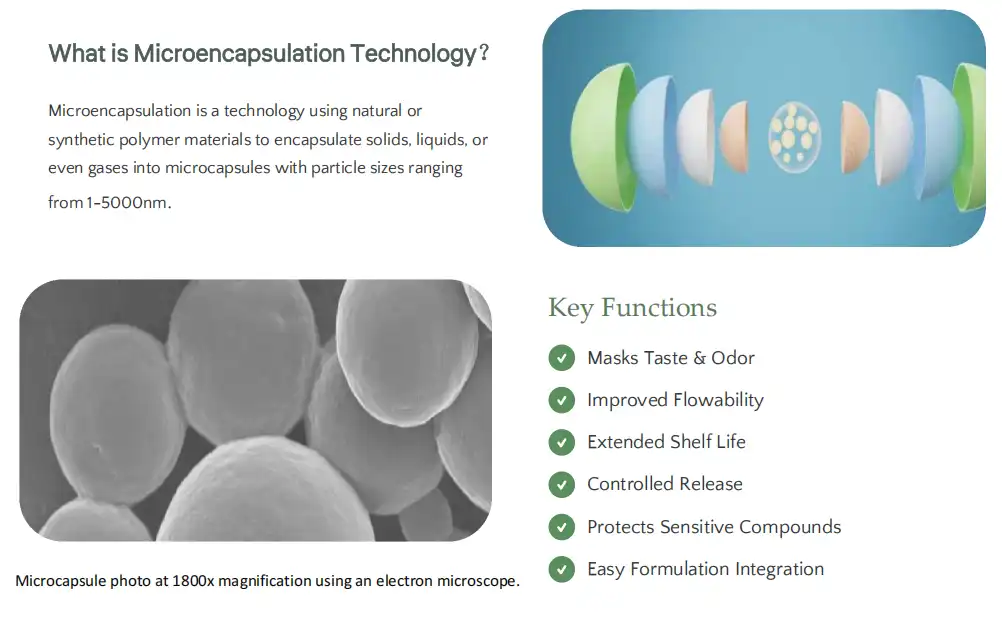
High oleic sunflower oil is converted into microencapsulated high oleic sunflower oil powder primarily to solve three problems that liquid oil cannot: rapid oxidation, poor handling in dry-mix manufacturing, and short shelf life. By enclosing the oil inside a protective wall matrix through spray drying, the powder shields monounsaturated fatty acids (MUFAs) from air, heat, and moisture. The result is an off-white, free-flowing ingredient that disperses cleanly in tablets, bars, and sachets — with an OSI of 25+ hours versus roughly 5 hours for conventional sunflower oil — while keeping the ingredient label clean and trans-fat free.
Understanding Microencapsulated High Oleic Sunflower Oil Powder
For better understanding of the "why," it's helpful to know what this ingredient is and how it's made.
What the Product Actually Is
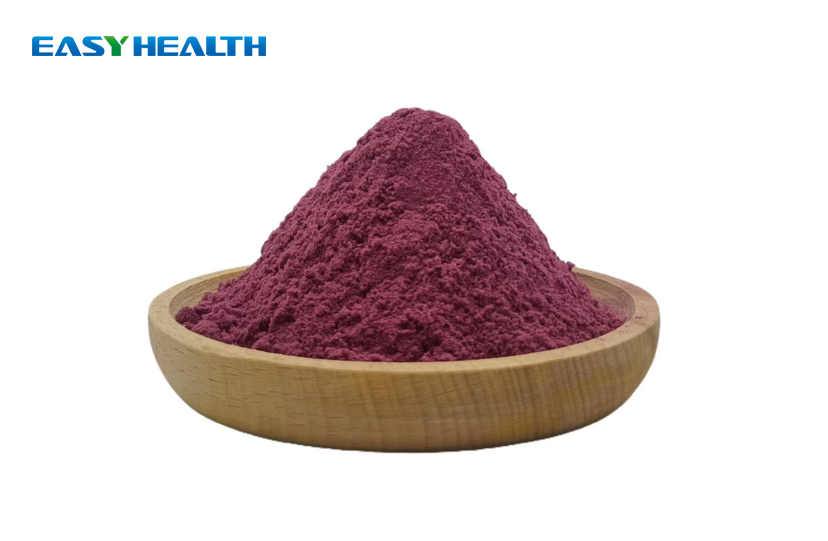
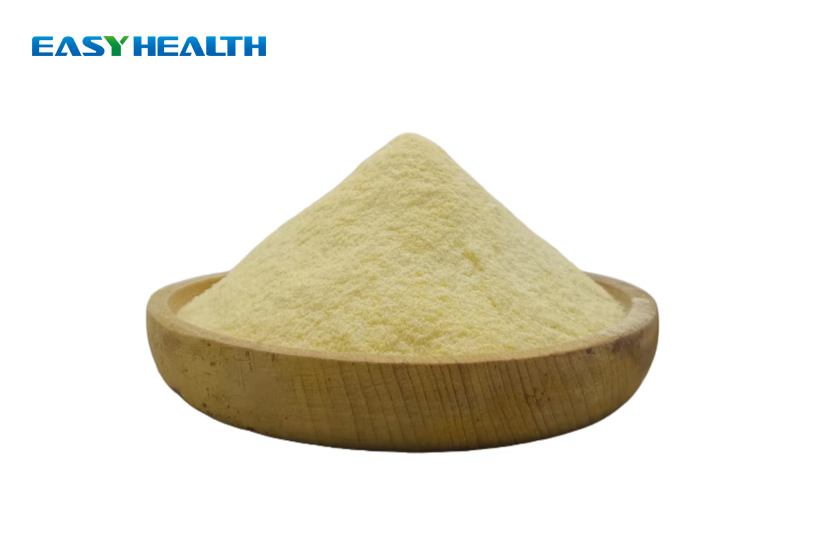
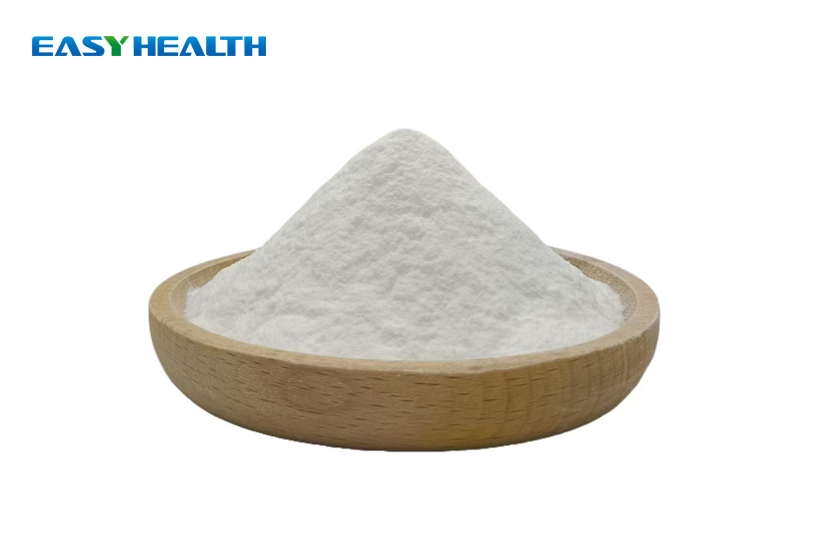
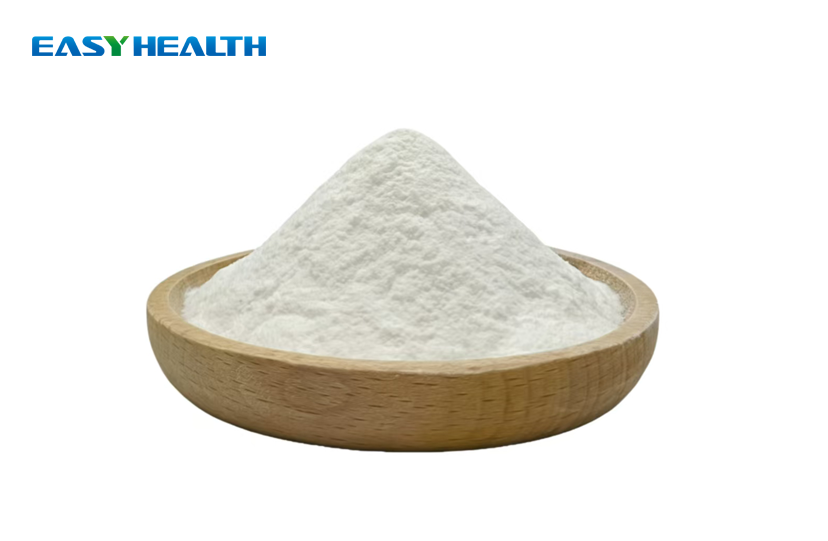
Non-GMO Helianthus annuus L. seeds are used to make Easy Health's microencapsulated high oleic sunflower oil powder. Spray drying breaks up the oil into tiny droplets that are surrounded by a wall made of carbohydrates or proteins. The oil contains at least 80% oleic acid (C18:1). The end powder is off-white to light yellow, flows easily, and goes through a 40-mesh sieve 95% of the time.
How Spray Drying Works
An oil-in-water mixture is sprayed into a hot-air room to dry it. Within milliseconds, the water evaporates, sealing the oil droplets inside solid microcapsules. The fatty acid profile, especially the oleic acid content at 50% to 70% of the total powder weight, is kept without trans fats being made because the oil core temperature stays low during this fast process.
Key Quality Parameters
Here are some strict rules from the technical specification: moisture must be less than 5%, surface oil must be less than 1%, peroxide must be less than 2.5 mmol/kg, and acid must be less than 1.0 mgKOH/g. Pathogen tests (Salmonella negative/25g, E. coli negative) and heavy metal standards (Pb ≤2.0 mg/kg, As ≤1.0 mg/kg) show that it is safe for controlled uses like baby formula and clinical nutrition.
Why Microencapsulation Solves Key Challenges of High Oleic Sunflower Oil?
Even though it has good fatty acid profiles, liquid high-oleic sunflower oil is a real pain on the plant floor. In this case, the powder form makes a real difference.
Oxidation and Rancidity Control
Standard sunflower oil has more than 60% linoleic acid, a polyunsaturated fat that breaks down quickly (about 5 hours). High-oleic types raise the level of oleic acid to at least 80%, and microencapsulation makes OSI last longer than 25 hours. That's a gain of about 5 in steadiness. This difference is what separates a protein bar with an 18-month shelf life from failing accelerated stability tests.
Converting Liquid to Dry-Blend Ready Powder
Using liquid oil to make tablets or bars leads to punch sticking, uneven fat distribution, and downtime on the line. Because the microencapsulated high oleic sunflower oil powder is enclosed, there is no surface oil contact (≤1.0% surface oil spec), so the element can go through hoppers, blenders, and tablet presses without coating the surfaces of the machines. When R&D teams replace TBHQ or BHA antioxidant systems, they get a cleaner list of ingredients without having to give up the ability to process.
Batch-to-Batch Consistency Across Oil Loads
The same spray tower is used by Easy Health to make 50%, 60%, and 70% oil-load versions. The same wall material and process parameters are used. With this single-tower control, changing the oil-load grades doesn't change how well the particles are encapsulated or how they look, which is very helpful when regulatory papers or label statements are already in place.
Core Applications of Microencapsulated High Oleic Sunflower Oil Powder
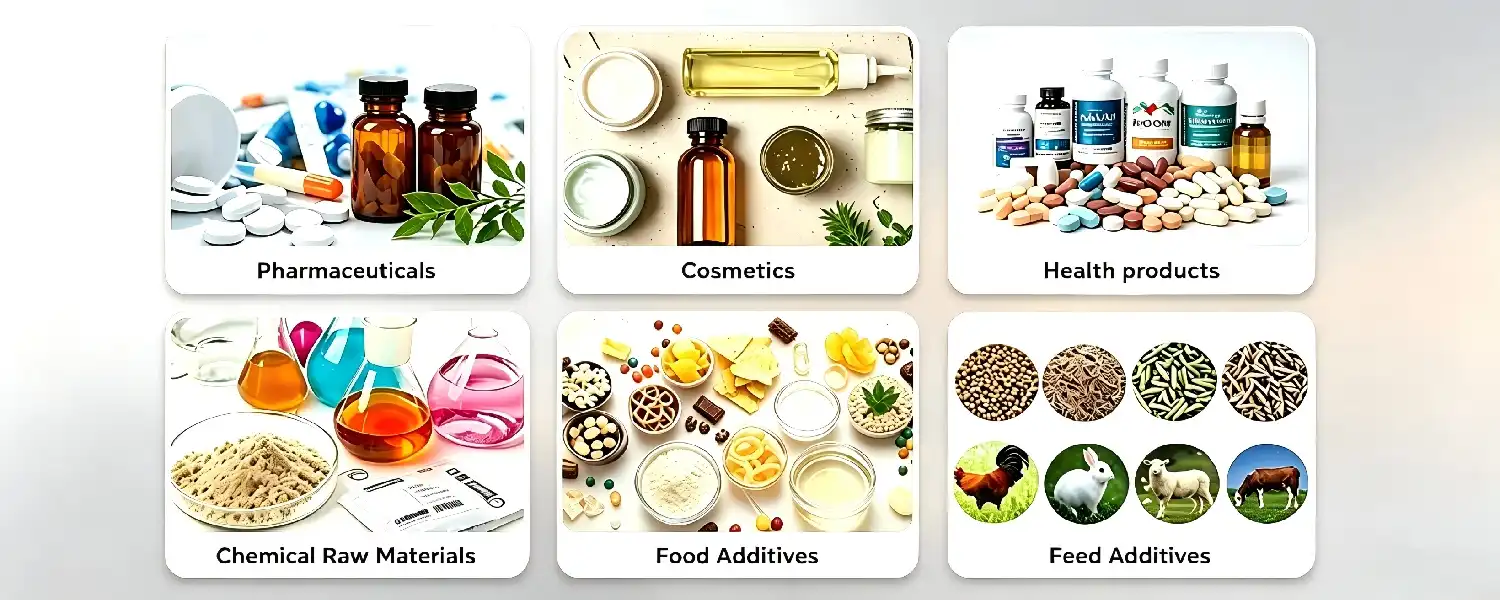
The powder can be used in many different ways because it works like a dry ingredient but gives you the fatty nutrition of a high-quality oil. Here are the areas where this is most important.
Meal Replacements, Keto Shakes, and Weight Management
When it comes to ketogenic and calorie-controlled forms, the amount of fat and how clean the label are both important. The 70% oil-load grade has the most calories per gram without having to take extra steps to handle liquids. When flowability is the most important thing, the 50% grade is best for pill filling and tablet compression. The 60% grade, on the other hand, is good for most mid-range uses. All three types mix well in cold water without oil rings rise on top, which is an important sensory requirement for ready-to-mix sachets.
Functional Foods, Protein Bars, and Instant Beverages
Protein bars, energy drinks, and quick coffee creamers can all use encapsulated oleic acid powder without any phase separation. The protected wall stops the fat from releasing until it is eaten, so it doesn't have the oxidized, off-flavor notes that people associate with bad fat. A study in the journal Food Chemistry (2019) confirmed that adding high-oleic oils in microcapsules makes baked matrices much more resistant to oxidation than adding oils without protection.
Infant Formula, Clinical Nutrition, and Pet Food
These categories have the strictest rules about quality. Heavy metal limits that have been confirmed, negative pathogen results, and trans fat levels that have not been found (<0.05%) are all in line with FDA registration standards and USDA NOP organic certification requirements. Pet food brands get the same stability and taste because the powder improves the supply of healthy fats to the coat without leaving a sticky film on the surfaces of the kibble.
Comparing Microencapsulated High Oleic Sunflower Oil Powder with Alternatives
There are three main types of lipid powders that buying teams usually look at: regular sunflower oil powder, palm-based fat powder, and MCT powder. To make better sourcing decisions, it's helpful to know the differences.
Oxidative Stability Comparison
Because it has a lot of linoleic acid, regular sunflower oil powder turns rancid very quickly. Palm-based powders are more stable when they are fully absorbed, but they come from sources that are bad for the environment and have a less healthy fatty acid profile for heart health. MCT powder is steady, but it has a different effect on the metabolism. Microencapsulated high oleic sunflower oil powder fills a unique need because it is plant-based, high in MUFAs, safe at high temperatures, and doesn't contain any trans fats. No other product can fully match these qualities.
Clean Label and Certification Advantage
Using a naturally steady oil powder instead of man-made antioxidants like TBHQ makes the list of ingredients easier to understand. Easy Health's product doesn't need extra antioxidants because the oil itself doesn't oxidize for 25 hours or more under OSI testing conditions because it has a high oleic acid content and is sealed in a barrier. Following certificates, like ISO, HACCP, FDA registration, and Halal/Kosher, meet the needs of markets in North America, Europe, and the Middle East.
Supplier Evaluation Criteria
When looking at different oleic acid powder providers, make sure you get batch-specific COAs that show the amount of oleic acid (confirmed by GC method; CAS No. 112-80-1), surface oil percentage, and peroxide value. Check to see if all three oil-load grades use the same production tower and wall material. Inconsistency in this area is the main reason why established brands run the risk of having to change their recipes.
Procurement Guide for Bulk Buyers and OEM Clients
Choosing a supplier for this category is not a commodity decision. The switching cost — restabilization studies, label amendments, regulatory notifications — makes the first selection highly consequential.
Sampling and Technical Evaluation
Easy Health supplies 500g–1kg samples for initial bench trials. The standard evaluation sequence runs: powder flowability and sieve check → cold-water dispersibility → small-batch press or extrusion trial → 4–8 week accelerated stability at 40°C/75% RH. This process fits the typical 10–16 week first-purchase decision cycle for mid-size nutrition brands.
Packaging and Logistics
Standard shipment format is 25kg fiber drums, suitable for mixed-container consolidation. Stock availability covers 50% and 60% oil-load grades for immediate dispatch. Custom grades (70% or alternative wall materials) carry a 3–5 day production lead time. Easy Health works with FedEx, DHL, UPS, air freight, and sea freight, selecting the right mode based on destination, volume, and timeline.
OEM and Private Label Support
OEM clients can request specification customization, private labeling, and documentation packages that include batch-specific COAs, TDS, allergen declarations, and country-of-origin certificates. Long-term supply contracts support production planning for brands running continuous product lines.
Conclusion
Changing high oleic sunflower oil into microencapsulated high oleic sunflower oil powder is not just a formality in the processing line; it is an intentional engineering choice that solves problems with oxidation, industrial handling, and label compliance all at the same time. The encapsulated format is 5 times more stable than regular sunflower oil. It also keeps production lines clean by eliminating oil contamination on the surface, and it allows for clean label positioning without synthetic antioxidants. When R&D teams are making the next generation of meal replacements, protein bars, or clinical nutrition products, this format for the ingredients meets the three most important needs: a clean recipe, uniform production, and a shelf life that lasts.
FAQ
What is the expected shelf life of the powder versus bulk liquid oil?
The encapsulated powder typically achieves an 18–24 month shelf life when stored in sealed drums below 25°C. Bulk liquid high-oleic sunflower oil generally ranges from 12–18 months under similar conditions. The difference reflects the protective wall matrix limiting oxygen contact with the oil core.
Does microencapsulation change the fatty acid profile?
No. The spray-drying process preserves the oleic acid content. GC testing (CAS No. 112-80-1) on finished powder confirms the oleic acid concentration matches the declared specification — 50%, 60%, or 70% of powder weight — with ≥80% oleic acid within the oil fraction itself.
Can the powder be used in hot-water applications?
Yes. The microcapsules disperse in both cold and hot water without forming surface oil films. This makes the ingredient compatible with instant beverages, hot creamers, and reconstituted clinical nutrition powders.
Will switching oil-load grades require a label change?
If the ingredient is declared generically as "high oleic sunflower oil powder" on the label, switching between the 50%, 60%, and 70% grades on the same production tower typically does not trigger a label amendment — though your regulatory team should confirm this against the specific market requirements.
Is the product suitable for infant formula applications?
Yes. The product meets heavy-metal limits (Pb ≤2.0 mg/kg, As ≤1.0 mg/kg), passes pathogen testing, and contains undetected trans fats (<0.05%), aligning with the safety requirements for infant and pediatric nutrition categories.
Request a Sample or Bulk Quote from Easy Health
Easy Health has been providing plant-based nutrition products for more than 11 years and has organic certifications from ISO, HACCP, FDA, Halal, Kosher, and USDA NOP. It will only take our microencapsulated high oleic sunflower oil powder supplier team one business day to send you samples, batch COAs, and TDS documents. Get in touch with us at devin@easyhealthbio.com or visit easyhealthinc.com to start your review right away, whether you need a small sample or a full production run.
References
1. Ruiz-Méndez, M. V., et al. "Oxidative stability of high-oleic sunflower oils." Food Chemistry, 2019.
2. Drusch, S., & Mannino, S. "Patent-based review on industrial approaches for the microencapsulation of oils rich in polyunsaturated fatty acids." Trends in Food Science & Technology, 2009.
3. Oehlke, K., et al. "Oxidative stability of encapsulated fish oil in powder matrices." Food Research International, 2014.
4. Talbot, G. "Specialty Oils and Fats in Food and Nutrition." Woodhead Publishing, 2015.
5. Augustin, M. A., & Hemar, Y. "Nano- and micro-structured assemblies for encapsulation of food ingredients." Chemical Society Reviews, 2009.
6. USDA Agricultural Research Service. "High Oleic Oilseed Varieties and Oxidative Stability Data." USDA ARS Technical Report, 2017.

_1784173402819.webp)