Is Curcumin In Turmeric Powder?
Yes, curcumin is naturally present in turmeric powder, derived from the dried rhizome of Curcuma longa L. It typically accounts for 2–5% of turmeric's dry weight and belongs to a group of polyphenolic compounds called curcuminoids. However, raw turmeric powder delivers curcumin at concentrations too low and too poorly absorbed for meaningful therapeutic use. That gap is precisely why microencapsulated curcumin powder has gained traction among B2B formulators — it concentrates the active curcuminoids to 10–20% and protects them through delivery, giving brands a genuinely functional ingredient to work with.
What Is Curcumin in Turmeric Powder?
The Chemistry Behind Curcumin
Curcumin (CAS No. 458-37-7) is the main curcuminoid found in turmeric root. It is what gives the spice its orange-red color. As a polyphenolic antioxidant, it stops enzymes like COX-2 and NF-κB from making inflammation worse. A study in 2007 in the journal Advances in Experimental Medicine and Biology showed that curcuminoids make up about 2–5% of the dry weight of turmeric, with curcumin I (diferuloylmethane) being the main active part.
Why Raw Turmeric Falls Short for Formulation?
Even though it has been shown to have health benefits, native curcumin is only bioavailable in small amounts when taken by mouth without any other ingredients. About 60% of the curcumin you eat is broken down by stomach acid before it gets to the small intestine. These problems are not small ones; they are major ones that make it impossible for finished health goods to contain a uniform, measurable amount of raw turmeric powder.
Full-Spectrum Extract vs. Isolated Curcuminoids
Most regular curcumin products only contain the C1/C2/C3 mix of curcuminoids. They don't contain the turmerones and volatile oils that are naturally found in turmeric root. These compounds that are found together seem to help with absorption and add to the plant's overall bioactivity. A full-spectrum turmeric root extract keeps this natural profile and gives formulators a fuller picture of the ingredient.
How Microencapsulated Curcumin Powder Works and Its Benefits
The Encapsulation Mechanism
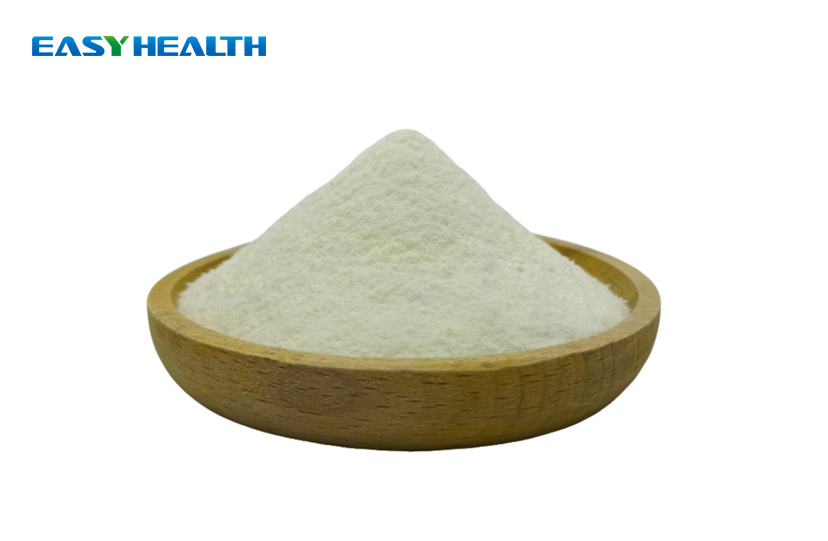
Using methods like spray drying or fluid-bed coating, microencapsulation puts curcuminoid particles inside a protected wall matrix. This wall matrix is usually made up of lipids, proteins, or food-grade carbohydrates. The end result is an orange-red dry powder that flows easily and doesn't settle in cold water. Controlling the amount of moisture to ≤5% and the amount of oil on the surface to ≤1% is done, and a 40-mesh sieve is used to make sure that 95% of the particles are the same size.
Solving the Bioavailability Problem
Adding natural piperine at 5 mg/g—which comes from black pepper and isn't made in a lab—makes curcumin 15 times more bioavailable in living things. This number comes from pharmacokinetic data that shows higher Cmax and AUC values when piperine stops the gut wall from glucuronidation. This one detail turns an ingredient that isn't well taken into a real useful compound for joint health and anti-inflammatory brands.
Enteric Coating for Targeted Intestinal Release
The enteric layer doesn't release active curcuminoids until the pH level goes above 6.5. This means that they don't get released in the stomach, which is very acidic. The rate of release in the intestines is ≥85%, which directly fixes the problem of 60% stomach breakdown. This focused delivery profile is especially useful for liver-protection formulas and digestive health products that want to reach the goal of intestine absorption.
Comparing Microencapsulated Curcumin with Other Delivery Forms
Microencapsulated vs. Standard Curcumin Extract
Standard 95% curcuminoid powders are cheap, but they don't dissolve well in water and break down quickly in light and heat. On the other hand, the microencapsulated curcumin powder only changes color by about 5% after being exposed to light and heat for 72 hours. This is helpful for powder and drink mixes where color stability affects how they look on the shelf.
Microencapsulated vs. Liposomal Curcumin
Liposomal formats are better at absorption by about 7–10 times compared to regular extracts, but they are more expensive to make and have trouble staying stable in acidic drinks. Microencapsulated curcumin powder with piperine increases bioavailability by 15 times while still dispersible in cold water. This is a feature that functional beverage companies making turmeric lattes or recovery drinks find very useful because it avoids the formulation complexity that liposomes need.
Procurement Quality Benchmarks
There's more to picking a curcumin ingredient supplier than just looking at a spec sheet. Before making large orders, buying teams should make sure that the following quality standards are met:
- Active content: 10–20% curcuminoids were found to be active, as proven by HPLC tests.
- Heavy metals: Pb ≤2.0 mg/kg, As ≤1.0 mg/kg, Cd ≤1.0 mg/kg, and Hg ≤0.1 mg/kg
- Microbiology: Total plate count ≤1,000 cfu/g; Salmonella negative/25g; E. coli negative
- Piperine source: The piperine comes from natural sources (5 mg/g), not man-made ones.
- Release profile: The release profile is as follows: enteric coating, pH>6.5, intestinal release ≥85%
The USP and pharmacopeial standards are met by these requirements. Each approved batch should come with a Certificate of Analysis (COA) and a study comparing the bioavailability in living organisms and in vitro organisms.
Making sure that these standards are met before choosing a microencapsulated curcumin powder supplier protects the claims on the label of your product and makes sure that your formulation follows FDA rules for dietary supplements.
How to Choose a Microencapsulated Curcumin Powder Supplier?
Certifications That Matter
For the U.S. market, look for providers that are registered with the FDA, have GMP certification, are in line with ISO standards, and, if necessary, have Halal or Kosher permission. Clean-label products are more valuable when they have USDA NOP organic and EU organic standards. With these credentials, you can be sure that the manufacturing processes meet widely recognized standards. This includes not only written paperwork, but also production practices that have been checked out.
Technical Support and Customization
A good supplier should give you advice on how to use the ingredient along with the ingredient itself. This includes changing the particle size, choosing the wall material for packaging (gum arabic, maltodextrin, or modified starch), and getting testing data that is specific to the application. Iterative formulation support is often needed by brands making functional drinks, sports recovery products, or enteric-coated pills. Supplier knowledge directly affects time-to-market during this technical back-and-forth.
Supply Reliability and Lead Time
Standard stock, custom batches that can be made in 3–5 days, and access to established global transportation networks like FedEx, DHL, UPS, sea freight, and air freight choices all help to keep buying teams from having to deal with supply disruptions. Full batch tracking from where the raw materials come from to where they are delivered at the end of the supply chain adds another level of trust.
Conclusion
Curcumin is actually in turmeric powder, but raw turmeric doesn't usually have the strength or consistency that modern health products need. Using full-spectrum turmeric root extraction, microencapsulation technology, natural piperine addition, and enteric coating together solves all of the main problems that have been identified, such as low solubility, poor absorption, breakdown in the stomach, and unstable ingredients. This microencapsulated curcumin powder delivery format is a technically sound choice for B2B buyers in the categories of joint health, liver support, sports nutrition, functional beverages, and antioxidants. It is backed by data that can be used to measure performance.
FAQ
How much curcumin is in standard turmeric powder?
By dry weight, about 2 to 5 percent of raw turmeric powder is made up of curcuminoids. In commercial extracts, this is usually 95% curcuminoids, but in microencapsulated forms, it's usually 10–20% curcuminoids inside the encapsulated matrix. This lower number is on purpose, since the protective coating makes up the rest of the weight.
Does microencapsulated curcumin require black pepper to work?
The microencapsulated curcumin powder matrix already contains 5 mg/g of natural piperine in our preparation. People who buy the product or make it won't have to add black pepper powder separately. For clean label positioning, it's important that the piperine comes from natural sources and not synthetic ones.
Is the enteric coating safe for dietary supplement use?
Yes. The pH-responsive enteric coating in this product only lets the active ingredients out when the pH level is above 6.5. This is the standard way for pharmaceutical enteric coatings to work. All of the products meet the legal standards for food and dietary supplements.
Can this ingredient be used in beverages?
Yes. The microencapsulated form can be dispersed in cold water without settling, which means it can be used in ready-to-mix powders, functional shots, and bottled drinks where regular curcumin extract would settle.
What documentation is available for procurement review?
Before making a purchase, you can ask for full COA, HPLC test reports, heavy metal screening results, bacterial testing data, and reports that compare bioavailability in living things and in vitro.

Request Your Sample of Microencapsulated Curcumin Powder from Easy Health
Every batch that Easy Health makes is based on our more than 11 years of experience making plant extracts. Our microencapsulated curcumin powder supplier team offers specs that have been checked by HPLC, full-batch traceability, and technical formulation support that is specific to your product category. If you're looking for functional drinks, liver-supporting recipes, or pills for joint health, please contact us to get a sample and COA. Our team can be reached at devin@easyhealthbio.com or easyhealthinc.com to begin your review.
References
1. Aggarwal, B. B., & Harikumar, K. B. — Advances in Experimental Medicine and Biology, 2009.
2. Anand, P., et al. — "Bioavailability of Curcumin: Problems and Promises." Molecular Pharmaceutics, 2007.
3. Shoba, G., et al. — "Influence of Piperine on the Pharmacokinetics of Curcumin." Planta Medica, 1998.
4. Prasad, S., et al. — "Recent Developments in Delivery, Bioavailability, Absorption and Metabolism of Curcumin." Cancer Research and Treatment, 2014.
5. Liu, W., et al. — "Preparation and Evaluation of Curcumin Proliposomes by a Simple Method." Journal of Controlled Release, 2006.
6. Hewlings, S. J., & Kalman, D. S. — "Curcumin: A Review of Its Effects on Human Health." Foods, 2017.


_1784173402819.webp)