Can DHA Algal Oil Powder Be Used in Supplements?
Yes — and it performs exceptionally well. Microencapsulated DHA algal oil powder is one of the most technically advanced omega-3 ingredients available for supplement manufacturing today. Derived from Schizochytrium sp. microalgae and standardized to a DHA assay of ≥10% (as triglycerides), it converts a highly unstable liquid oil into a free-flowing, shelf-stable powder. Unlike conventional fish oil, this algal-derived ingredient is 100% vegan, free from marine contaminants, and engineered for seamless integration into capsules, tablets, infant formula, and functional food matrices.
What Is Microencapsulated DHA Algal Oil Powder?
The Science Behind the Formulation
Using spray-drying or complex coacervation technology, microencapsulated DHA algal oil powder is made by encasing Schizochytrium-derived DHA oil in a protective micro-matrix, which is usually modified starch, glucose syrup, or plant protein. This wall material blocks air, light, and heat, which are the three main things that cause long-chain polyunsaturated fatty acids (LCPUFAs) to oxidize.
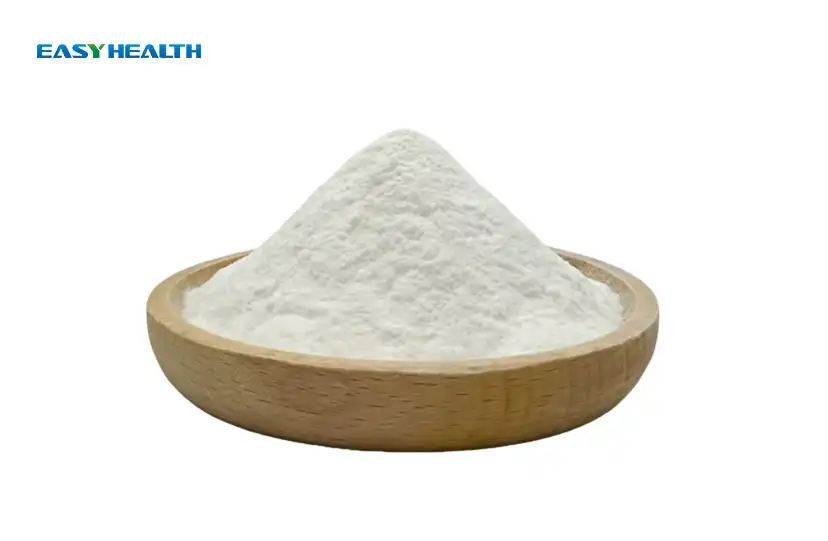
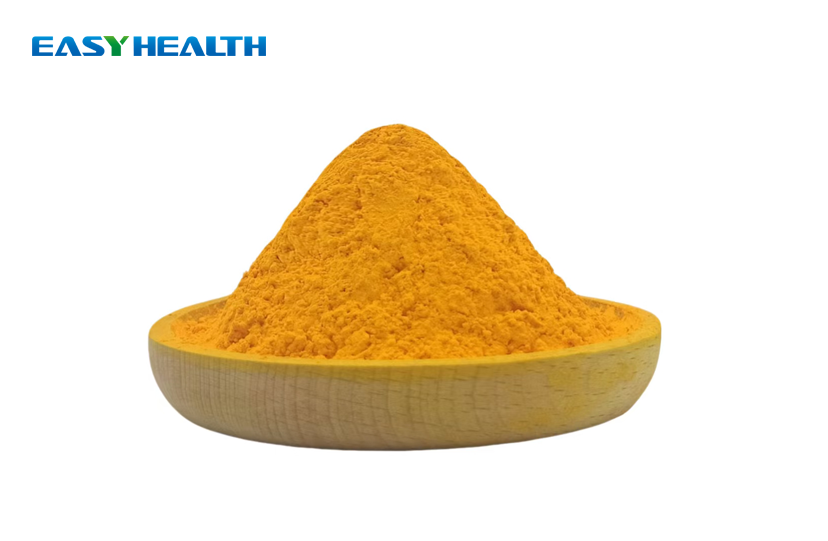
This makes a light yellow powder that flows easily and has a peroxide value of ≤2.5 mmol/kg and a surface oil content of ≤1.0%. These are two measurements that directly show how well the powder encapsulates and how well it resists oxidation. The powder fits easily into automatic mixing and filling lines because it has a moisture content of less than 5% and passes through a 40-mesh sieve 95% of the time. There are no problems with caking or sticking.
Key Technical Specifications at a Glance
When buying teams know this ingredient's analytical makeup, they can compare what suppliers say about it to real performance standards. The criteria that were used to give Easy Health its score are listed below:
- DHA Assay (TG form): ≥10%
- Peroxide Value: ≤2.5 mmol/kg
- Surface Oil: ≤1.0%
- Moisture: ≤5.0%
- Heavy Metals: Pb ≤2.0 mg/kg; As ≤1.0 mg/kg; Hg ≤0.1 mg/kg; Cd ≤1.0 mg/kg
- Microbiological: Salmonella negative/25g; E. coli negative
- Specifications available: 7%, 10%, 20% DHA
These numbers are in line with standards for baby formula-grade raw materials and FDA rules for dietary supplements. This is an important thing for producers who work in more than one regulatory market to keep in mind.
Why This Form Outperforms Liquid DHA in Supplement Production?
Liquid algae oil really causes problems in production. It quickly oxidizes during processing, creates unpleasant tastes that are hard to cover up, and doesn't distribute evenly in dry-blend mixtures. Microencapsulated DHA algal oil powder works on all of these pain points from the inside out, not just on the outside.
Here are the core performance advantages that distinguish encapsulated algal DHA powder from its liquid counterpart:
- Extended oxidative stability: The capsule matrix makes the shelf life up to 150% longer than regular liquid DHA oil. This makes it much less likely that finished goods will need to be returned for names with long distribution cycles.
- Zero fishiness in sensory evaluation: There is no fishiness in the sensory evaluation because the wall material stops the release of volatile compounds, getting blind-panel odor pass rates of ≥90%, which is a must for baby nutrition and children's supplements.
- Instant dry-blending capability: The powder can be put directly into tablet presses, capsule fillers, and powdered drink matrices, so there is no need for pre-emulsification steps or special tools.
- Cold-water dispersibility: High-quality grades dissolve fully in 30 seconds without leaving an oily film, so they can be used in ready-to-mix packets and beverage mixes with added vitamins.
- Bioavailability preservation: In the small intestine, enzymes cut through the wall materials, releasing DHA for absorption at the same rate as liquid oil that isn't encapsulated. The capsule protects, not limits.
All of these benefits work together to fix the formulation instability, sensory failure, and processing complexity issues that cost a lot of money and cause production interruptions in the omega-3 supplement industry.
How It Compares to Other DHA Sources?
Algal Powder vs. Fish Oil Powder
There are problems with the source of fish oil DHA powder that don't exist with powder made from algae. PCBs, dioxins, and heavy metals are taken up by marine-caught fish and pass through the food chain. Algal DHA completely avoids this problem; Schizochytrium is grown in controlled fermentation environments, making DHA without any way for it to get into the ocean. This difference is important for clean-label brands and allergen-sensitive product lines from a business point of view.
Algal Powder vs. Standard (Non-Encapsulated) Algal Oil Powder
The oxidation susceptibility of liquid oil is retained by non-encased algal oil powder. Without a protected matrix, exposing the fat on the surface speeds up the rancidity process while it is being stored and shipped. The encapsulated variant's ≤1.0% surface oil specification directly measures this protection; less surface fat means the product will stay stable longer and taste better throughout its entire shelf life.
Supplement Applications Where This Ingredient Delivers Results
Microencapsulated DHA algal oil powder can be used in a lot of different types of products because it is so flexible. Manufacturers in any of the following areas can add this material without having to change the way they make their products:
Infant Formula and Early Childhood Nutrition — The powder can be mixed quickly and dry while being heated without changing the flavor of the base milk. It meets the nutritional and sensory needs of infant-grade products that are subject to a review for formula registration.
Dietary Supplements (Capsules, Tablets, Gummies) — The microcapsule shell stops oil from leaking when tablets are compressed and stops cross-reactivity with co-formulated vitamins and minerals like iron and vitamin C, which is a problem that keeps coming up with liquid omega-3 additions.
Functional Foods and Fortified Beverages — The neutral organoleptic appearance of encapsulated DHA adds omega-3s to protein shakes, breakfast bars, and dairy powders while not changing the taste or smell over a shelf life of 12 to 24 months.
Pet Nutrition — High-end pet food companies that add DHA to help dogs and cats' brain and visual development get the same benefits in terms of antioxidant stability and taste.
Buying Guide: What Procurement Teams Must Evaluate?
To find the best microencapsulated DHA algal oil powder supplier, you need to look at more than just the catalog specifications. When buying omega-3s in bulk, batch-to-batch uniformity is the risk that isn't given enough attention. For example, baby formula registration and label claim compliance require a DHA assay variance of ±1% or less between lots.
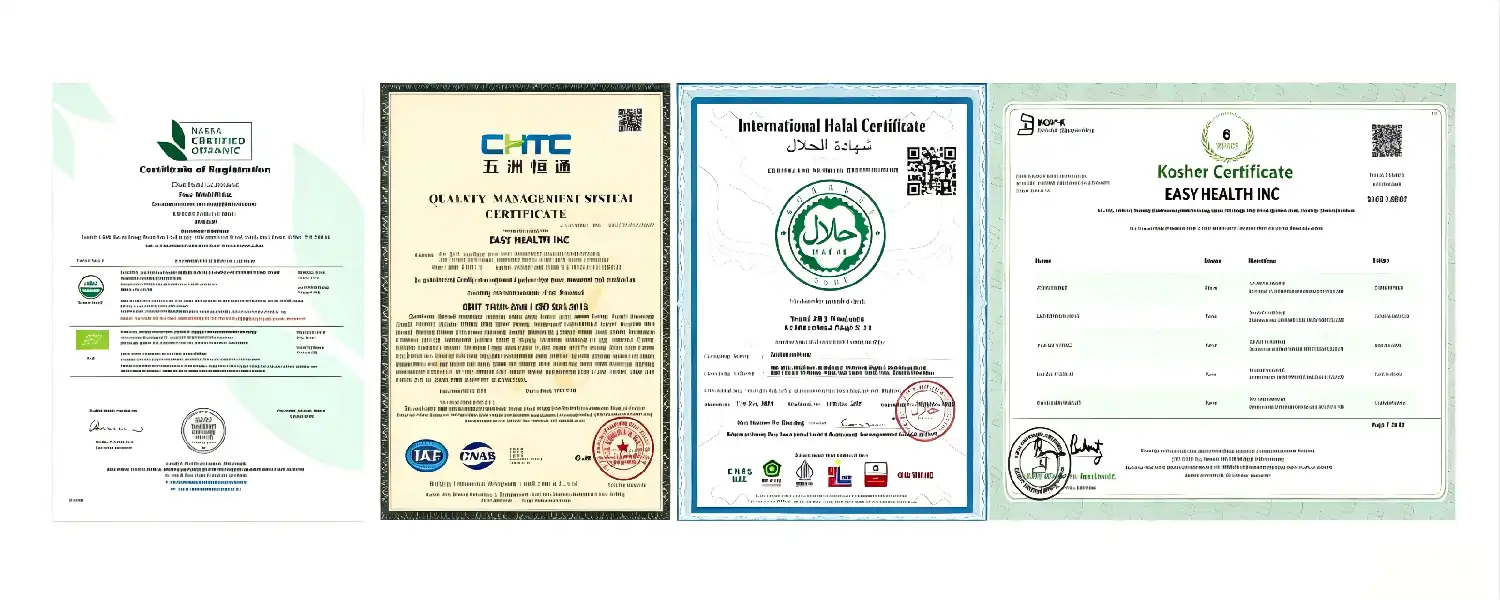
Purchasing teams should give more weight to suppliers who provide full CoA documentation for each batch. This should include GC-verified DHA potency, peroxide value, surface oil analysis, and heavy metal screening. Check for ISO 22000, GMP, HACCP, and Halal, Kosher, and Organic (USDA NOP or EU Organic) certifications if the market needs them. A production capacity of at least 50 metric tons per year and proven lead times of at least 15 days are useful standards for supplier security.
OEM and white-label customizing options are both useful for brands that are making their own formulas. Time-to-market value is increased by suppliers who offer formulation help in addition to raw material provision.
Conclusion
Microencapsulated DHA algal oil powder is not only a vegan alternative to fish oil, it is also a better way to make supplements technically. Its packed powder form solves the problems that liquid DHA can't with oxidation, taste, and processing compatibility. With purity levels high enough for infant formula, a source that is 100% plants, and no marine contaminants, it meets the strictest buying requirements for dietary supplements, functional foods, and specialized nutrition. Manufacturers looking for trustworthy omega-3 ingredients that are uniform from batch to batch and have quality references will find this format really worth looking into.
FAQ
Is DHA algal oil powder suitable for vegan-certified supplements?
Yes. Since it comes from Schizochytrium microalgae and not fish or krill, there are no worries about where the animal came from. If true vegan approval is needed, wall materials should be checked to make sure they don't contain dairy or sodium caseinate.
What shelf life can manufacturers expect?
When shut up and kept below 25°C in a cool, dry place, the powder usually stays stable for 12 to 24 months without going through a lot of reactive breakdown.
Does the encapsulation reduce DHA absorption?
In fact, digestive enzymes in the small intestine break down the wall matrix, releasing DHA that can be absorbed at about the same rate as liquid oil. The capsules protect the food while it is being stored and processed, but not when it is being digested.
Can this powder withstand high-temperature processing?
Specialized high-stability types are made to handle temperatures that are used for UHT, processing, and food extrusion. Buyers should be clear about the working conditions so that the right wall matrix grade is chosen.
What certifications should a supplier hold for infant formula applications?
At the very least, ISO 22000, GMP, and HACCP. Microbiological results per batch that are negative for Salmonella and E. coli are required, along with heavy metal levels that meet baby food grade standards.
Partner with Easy Health for Reliable DHA Algal Oil Powder Supply
Every bulk order from Easy Health comes from a company with more than 11 years of experience making ingredients and a production system that is fully certified by ISO, GMP, HACCP, Halal, Kosher, and the FDA. Our microencapsulated DHA algal oil powder provider can make changes to meet the needs of OEMs, provide batch-level CoA paperwork, and always deliver within 15 days. You can email our technical team at devin@easyhealthbio.com or go to easyhealthinc.com to ask for examples and specs.
References
1. Arterburn, L. M., Hall, E. B., & Oken, H. (2006). Distribution, interconversion, and dose response of n-3 fatty acids in humans. The American Journal of Clinical Nutrition, 83(6).
2. Barclay, W., Weaver, C., & Metz, J. (2010). Development of a docosahexaenoic acid production technology using Schizochytrium: Historical perspective and update. Single Cell Oils, AOCS Press.
3. Mozaffarian, D., & Wu, J. H. Y. (2011). Omega-3 fatty acids and cardiovascular disease: Effects on risk factors, molecular pathways, and clinical events. Journal of the American College of Cardiology, 58(20).
4. Koletzko, B., et al. (2008). The roles of long-chain polyunsaturated fatty acids in pregnancy, lactation, and infancy. Annals of Nutrition and Metabolism, 52(Suppl. 1).
5. Ryckebosch, E., Bruneel, C., Muylaert, K., & Foubert, I. (2012). Microalgae as an alternative source of omega-3 long chain polyunsaturated fatty acids. Lipid Technology, 24(6).
6. U.S. Food and Drug Administration. (2019). Dietary Supplements: New Dietary Ingredient Notifications and Related Issues — Guidance for Industry. FDA.

_1784173402819.webp)