What is microencapsulated beta carotene powder?
Microencapsulated beta carotene powder is a food-grade ingredient where pure beta-carotene molecules are enclosed within a protective wall matrix—typically modified starch or dextrin—using spray-drying or fluid-bed coating technology. This structure shields the active carotenoid from heat, oxygen, light, and acid degradation. The result is an orange-yellow, free-flowing powder that disperses readily in cold water, retains color across demanding processing conditions, and delivers provitamin A with measurably higher bioavailability than standard crystalline forms. For B2B manufacturers in food, nutraceuticals, and cosmetics, it is a technically superior alternative to both synthetic beta-carotene oils and unencapsulated powders.
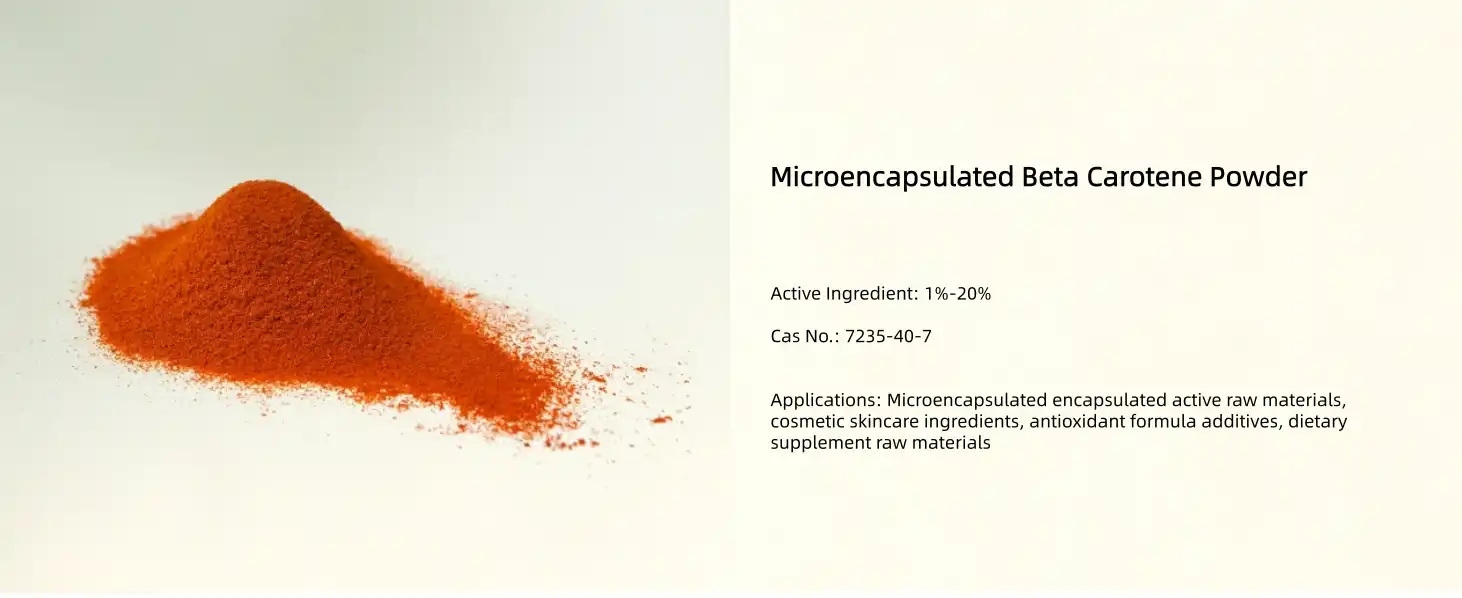
Understanding Microencapsulated Beta Carotene Powder
How Microencapsulation Works
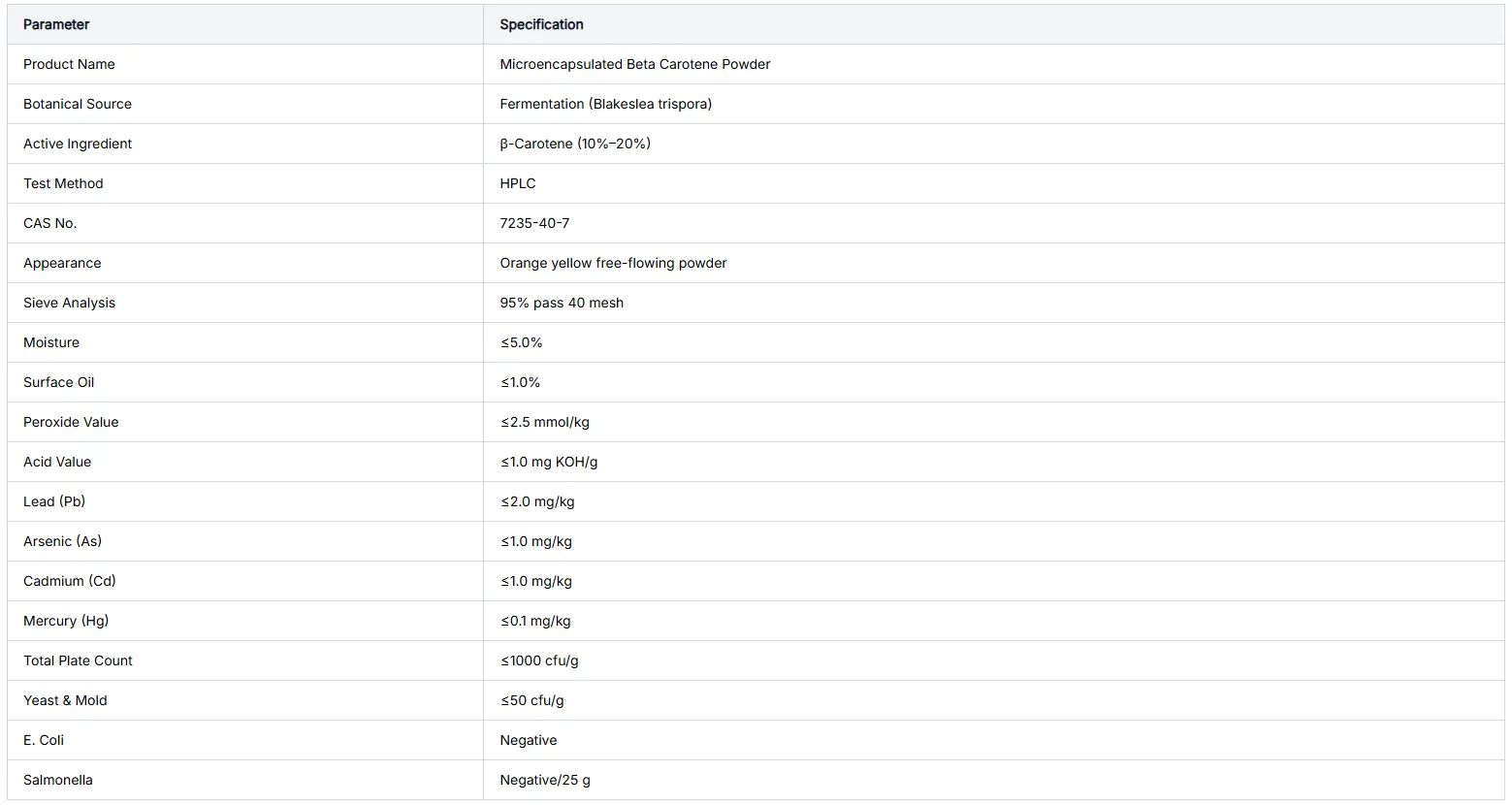
Every beta-carotene droplet is physically surrounded by a solid carrier wall by microencapsulation. Spray drying, which is the most common way to dry things in industry, turns a mixture of carotenoids and wall material into tiny atoms. The wetness is quickly removed, leaving the active core inside a dry, stable shell. With fluid-bed coating, repeated wall layers are added on top of existing particles. This makes it possible to build double-wall structures that protect against rusting even more. The particles are small enough to fit through a 40-mesh screen 95% of the time, which helps automated filling and blending lines work smoothly.
Double-Wall Technology and What It Changes
A single-wall enclose can handle some force pretty well. A double-wall design adds an extra layer of protection, which is why Easy Health's fermentation-derived product keeps more than 90% of its color at pH 2.5 and 130°C, which are temperatures that quickly break down regular beta-carotene. The amount of oil on the surface stays at or below 1.0%. This keeps soft-gummy molds and powder premixes from getting sour and moldy, which can happen when oil-based forms are not protected.
Fermentation Source vs. Synthetic All-Trans
The product made by Easy Health comes from fermentation of Blakeslea trispora (CAS 7235-40-7), not the production of petrochemicals. This biological route makes a natural mix of cis- and trans-isomers, with about 10–30% cis content in each batch. In controlled human studies published in The Journal of Nutrition (1996), it was shown that cis-isomers of beta-carotene are better absorbed after a meal than all-trans solid forms. This directly supports clean-label claims about bioavailability. Synthetic counterparts don't have many cis-isomers and can't tell the same biology story.
Benefits and Functional Mechanisms
Bioavailability and Provitamin A Conversion
The cis-isomer proportion in beta-carotene that comes from fermentation is not a small thing; it affects how well the body changes the carotene into retinol. More cis fraction means better micellarization in the small intestine, which means that each gram of the ingredient has more vitamin A activity. For makers of baby feeding and prenatal supplements, this difference allows them to charge more and backs up health claims allowed by US law.
Oxidation Resistance During Processing and Storage
When carotenoids are exposed to air, light, or an acidic pH, they break down quickly. Based on data from accelerated stability tests, the encapsulation matrix makes it more difficult for oxygen to get around each particle by more than 90% compared to free oil forms. As long as the peroxide value stays at or below 2.5 mmol/kg and the moisture level stays at or below 5.0 %, the rancidity markers stay within acceptable ranges for the standard 24-month shelf life of microencapsulated beta carotene powder.
Cold-Water Dispersibility Without Oil Bleeding
When making useful drinks, the balance of the batch depends on how well the ingredients work when they are mixed. The powder from Easy Health spreads out evenly in cold water and doesn't form oil rings or floating drops, which is a problem that happens when beta-carotene isn't properly enclosed. This property is just as important on gummy casting lines, where surface oil contaminates silicone molds and makes it hard for pieces to stick together.
These three properties—bioavailability, oxidation resistance, and clean dispersibility—affect the most common problems that R&D teams have when they try to change from manufactured colors to natural carotenoid colorants.
Comparing Microencapsulated Beta Carotene Powder with Alternatives
Encapsulated Powder vs. Liquid Oil Suspension
Liquid beta-carotene solutions are easy to dose in oil-based systems, but they don't work well in water-based systems and need to be shipped in a cold chain. Powders stay stable at room temperature, have less weight per unit of active ingredient, and can be mixed directly into dry premixes without having to go through extra steps to emulsify them. Powder is the only shape that works for companies that make tablets and capsules.
Encapsulated vs. Unencapsulated Powder
Standard beta-carotene powder that is not encapsulated breaks down when heated above 120°C and when the pH level drops below 3.5. In side-by-side stress tests, unencapsulated material loses its color quickly when cast in sticky conditions (usually 85–95°C with citric acid present), but grades that are double-wall encapsulated keep their color.
Natural Fermentation vs. Synthetic: What Certifications Signal
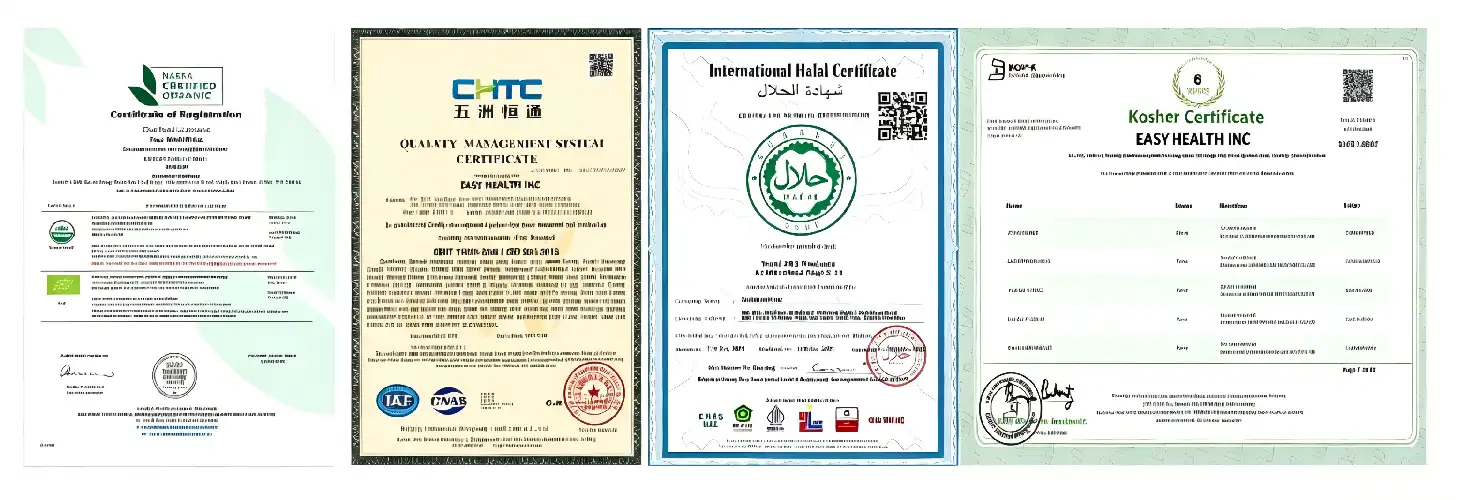
Synthetic beta-carotene can't have USDA Organic, Non-GMO Project Verified, or natural-source labeling because it doesn't follow FDA rules. The difference in lifecycle costs, which include labor for reformulation, batch rejections, and retail complaint rates, often makes encapsulated grades more cost-effective. The fermentation-based powder made by Easy Health is certified by ISO, Halal, Kosher, FDA, USDA Organic, and HACCP. You can also get a third-party Non-GMO report for each sale. These documents must be signed by brands that sell through natural retail channels or that target parents of young children. They are not optional.
Procurement Considerations for Global Clients
Certifications and Documentation Checklist
When purchasing beta-carotene, teams should make sure that the following are true: a current Certificate of Analysis with HPLC assay results; Non-GMO third-party test reports; heavy metal screening data (Pb ≤ 2.0, As ≤ 1.0, Cd ≤ 1.0, Hg ≤ 0.1 mg/kg); and microbiological status confirming Salmonella-negative per 25g and E. coli-negative. Applications for infant nutrition that are missing documents will cause delays in both regulatory review and product launch.
Minimum Order Quantities and Lead Times
Standard 10% and 20% microencapsulated beta carotene powder specifications are kept in stock in 25 kg drums so they can be shipped right away. Custom cis-isomer ratios, like a 25% cis specification for a baby formula application, need a minimum order of 100 kg and a production wait time of about one week. When buying teams know these limits early on, they can plan trial runs and volume ramp-ups without having to worry about supply gaps.
Supplier Evaluation and Post-Sale Support
If the provider is properly reputable, they will give you color-value curves for different pH and temperature ranges, not just one data point on a spec sheet. The R&D team at Easy Health supports every order with formulation advice, application testing data for the buyer's specific process conditions, and a full batch traceability record that shows where the raw materials came from and how they were packaged in the end. With that level of technical service, the average qualification time drops from 14 weeks to around eight weeks.
Industry Use Cases and Application Insights
Food and Functional Beverage Fortification
When gummy candy makers switch to double-wall enclosed beta-carotene, the orange color stays the same from batch to batch even when they use citric acid formulas at 85–95°C. When beverage makers make sports drinks with a pH of 3.0 to 3.5, the amount of vitamin A stays stable and the color doesn't fade, which is what customers complain about. The thermal stability range is the same for baked goods and snacks that are extruded at temperatures up to 130°C.
Infant Nutrition and Specialty Supplements
Infant formula brands in the US market have to go through the most thorough label checks. A fermentation-derived, non-GMO, organically certified beta-carotene with low heavy metal values and known cis-isomer content meets both FDA requirements and parent preferences. The same set of ingredients is used in both prenatal supplements and chewables for kids, where the clean source and activity as a vitamin A precursor are selling points.
Color Cosmetics and Skincare
Beta-carotene is a natural orange-yellow colorant that is used to make foundations and colored creams. The powder form that is enclosed keeps it from smearing and changing color when it comes into touch with other ingredients in the recipe. Furthermore, beta-carotene's antioxidant activity adds a useful feature to the list of ingredients that supports anti-aging positioning without the need for a separate antioxidant addition.
Conclusion
Microencapsulated beta carotene powder produced through fermentation is more than just a colorant; it is a steady, soluble, and certified ingredient that addresses actual production issues. Its double-wall design can handle pH 2.5 and 130°C, and it keeps surface oil below 1.0%. Its natural cis-isomer content backs up claims that it is bioavailable. Its full range of certifications, including ISO, Halal, Kosher, FDA, USDA Organic, and HACCP, gets rid of the paperwork problems that slow down product launches. This ingredient's technical description meets the needs of all of these categories without any problems, whether it's for a gummy, a drink, baby formula, or a makeup.
FAQ
What makes double-wall encapsulation better than single-wall?
A double-wall shell creates two sequential barriers against oxygen, moisture, and heat. This design retains greater than 90% color value at pH 2.5 and 130°C, where single-wall or unencapsulated grades lose color rapidly.
Can I switch between 10% and 20% specifications without major reformulation?
Yes. Color values scale proportionately between the two potencies, so switching typically requires only a minor dosage adjustment rather than a full formula rebuild.
How do I verify a supplier's fermentation claim?
Request third-party HPLC reports showing cis-isomer ratios. Synthetic all-trans beta-carotene contains almost no cis-isomers; fermentation-derived material shows 10%–30%. Non-GMO third-party verification also supports the authenticity of the natural-source claim.
What documents are required for infant nutrition use?
Procurement teams typically need a Certificate of Analysis, Non-GMO report, heavy metal test results, microbiological status, and relevant certifications (ISO, FDA, USDA Organic, HACCP) before regulatory submission.
Is this ingredient suitable for vegan and allergen-free formulations?
Easy Health's product uses a plant-based encapsulation matrix. It carries Halal and Kosher certifications and does not contain common allergens, making it compatible with vegan and allergen-free label declarations.
Request Samples from Easy Health — Trusted Microencapsulated Beta Carotene Powder Supplier
Easy Health brings over 11 years of experience with fermentation and a full list of certifications to every order. As a manufacturer of microencapsulated beta carotene powder, we keep standard specs of 10% and 20% in stock. We also make custom cis-isomer formulations starting at 100 kg and provide full scientific paperwork for regulatory applications around the world. Visit easyhealthinc.com or email devin@easyhealthbio.com to ask for a sample or a technical data sheet right now.
References
1. Stahl, W., & Sies, H. (1992). Uptake of lycopene and its geometrical isomers is greater from heat-processed than from unprocessed tomato juice in humans. The Journal of Nutrition, 122(11), 2161–2166.
2. van het Hof, K. H., West, C. E., Weststrate, J. A., & Hautvast, J. G. A. J. (1998). Dietary factors that affect the bioavailability of carotenoids. The Journal of Nutrition, 130(3), 503–506.
3. Ribeiro, H. S., & Chu, B. S. (2007). Encapsulation of carotenoids. Food Hydrocolloids, 21(7), 1100–1110.
4. Rao, A. V., & Rao, L. G. (2007). Carotenoids and human health. Pharmacological Research, 55(3), 207–216.
5. Boon, C. S., McClements, D. J., Weiss, J., & Decker, E. A. (2010). Factors influencing the chemical stability of carotenoids in foods. Critical Reviews in Food Science and Nutrition, 50(6), 515–532.
6. Chávarri, M., Marañón, I., & Villarán, M. C. (2012). Encapsulation technology to protect probiotic bacteria and carotenoids. Encapsulation Nanotechnologies, IntechOpen.

_1784173402819.webp)