Microencapsulated Lycopene Powder vs. Lycopene Oil: Key Differences
When formulators compare lycopene delivery formats, the choice between microencapsulated lycopene powder and lycopene oil shapes everything from shelf stability to label claims. Microencapsulated lycopene powder converts lipophilic lycopene into a free-flowing, water-dispersible solid through a protective encapsulation matrix, delivering over 85% cis-isomer retention and approximately three times the bioavailability of conventional all-trans lycopene. Lycopene oil, by contrast, remains a lipid-suspended concentrate suited to fat-based carriers. For B2B buyers in functional beverages, dietary supplements, and nutritional fortification, understanding these structural differences is the starting point for every sourcing decision.
Understanding Lycopene: Forms and Characteristics
What Is Lycopene and Why Does Form Matter?
Lycopene (CAS No. 502-65-8) is a colour that comes from carotene and is found naturally in tomatoes and other red fruits and vegetables. A study that was reviewed by experts in the field has tied it to strong hearts and less oxidative stress. People have learned a lot about this antioxidant in the carotenoid family. Lycopene naturally breaks down in fat and is very sensitive to air, light, and heat. How well it stays together depends on how it is packed and handled.
How Microencapsulation Works
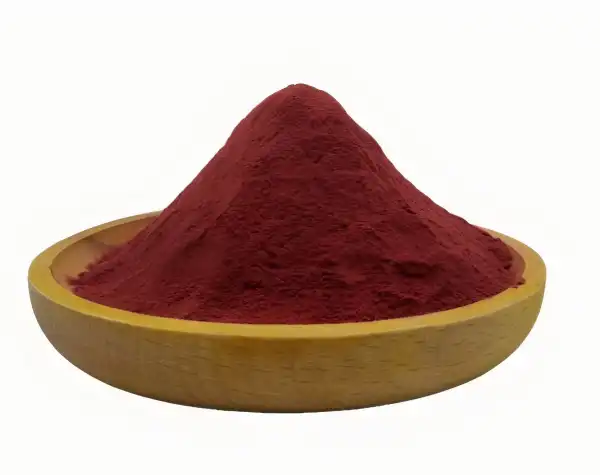
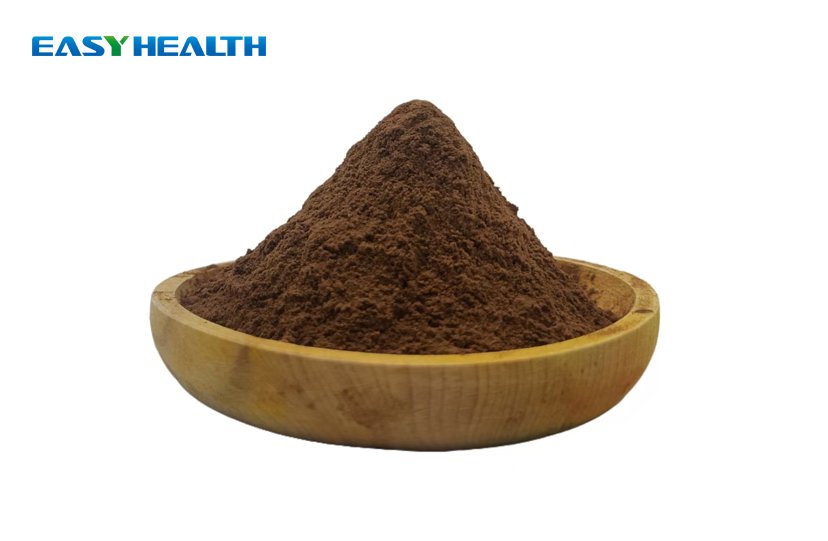
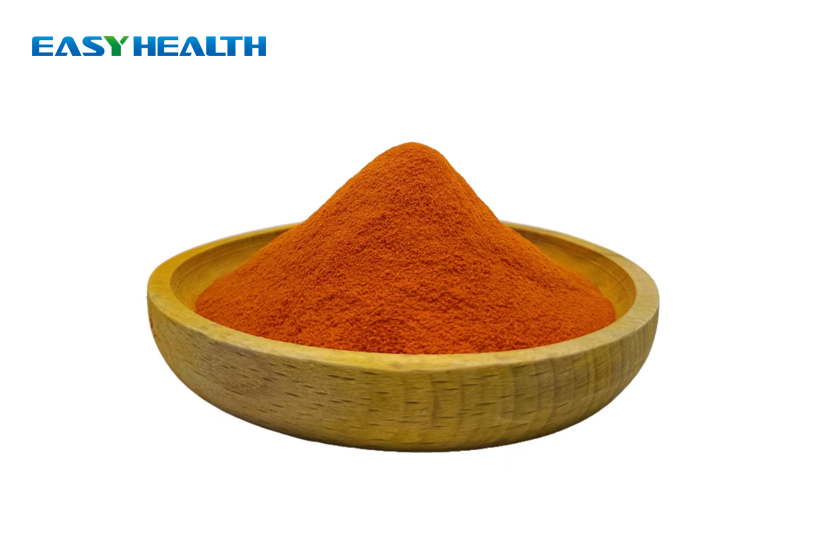
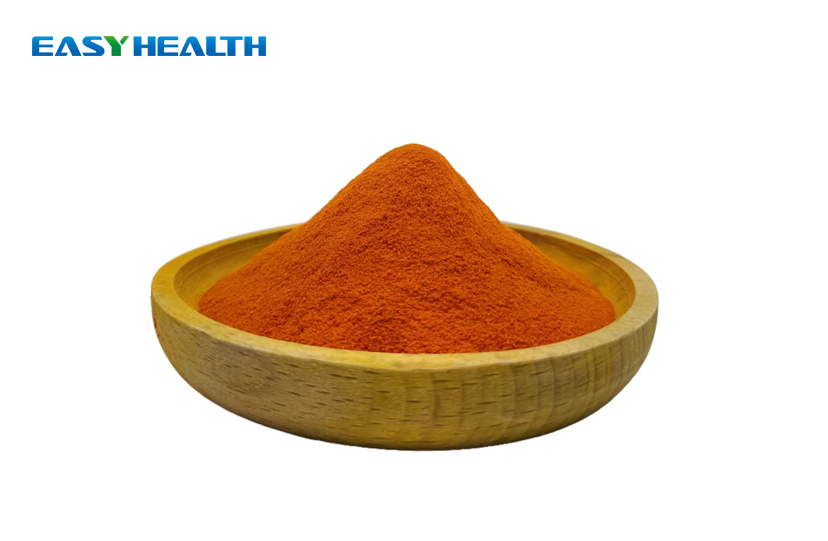
Low-temperature microencapsulation uses spray-drying or fluid-bed coating to put lycopene pieces inside a wall material. This wall material is usually modified food starch, maltodextrin, or gum arabic. The powder that is made is dark red to reddish brown, and the pieces are so small that 95% of them can get through a 40-mesh screen. The capsule matrix physically stops oxidation, which keeps the peroxide level at 2.5 mmol/kg and the oil level on the surface at ≤1.0%. At Easy Health Inc., fermentation with Blakeslea trispora is used instead of solvent extraction for everything. This gets rid of any hexane that is still there and backs up claims of clean labels.
How Lycopene Oil Is Produced
It is possible to make lycopene oil by mixing tomato oleoresin or solid lycopene with a carrier oil such as MCT oil or sunflower oil. This is often done after liquid or supercritical CO2 extraction. Between 1% and 10% of the juice that comes out is active lycopene, and it is a deep red to orange colour. The oil form mixes easily into lipid-based soft gels, but it needs to be kept in an inert gas blanket and can't be used with water-based systems without extra help to emulsify them.
Key Differences Between Microencapsulated Lycopene Powder and Lycopene Oil
Stability and Oxidation Resistance
It is easy to understand what the oxidative stability index (OSI) means: Easy Health's fermentation-derived microencapsulated lycopene powder has an OSI of at least 15 hours, while lycopene oil that isn't protected usually has an OSI of less than five hours in the same conditions. The packaging matrix protects the active molecule from oxygen and UV light, which means that the finished product can be stored at room temperature (below 25°C and out of the light) for an extra 24 months. Lycopene oil needs to be refrigerated or flushed with nitrogen to be as stable, which adds to the cost of the cold chain.
Bioavailability and Isomer Profile
Isomer composition is an important but often ignored variable. A lot of cis-lycopene isomers are found in human tissue and plasma. According to study, these isomers are easier to process than the all-trans form that is found in most tomato-based oils. The low-temperature process used by Easy Health keeps more than 85% of the cis-isomers, which makes the bioavailability about three times higher than with regular all-trans lycopene. A study released in 2021 in the journal Nutrients confirmed that cis-isomer-rich lycopene produces significantly higher plasma concentrations after oral dosing compared to all-trans preparations.
Handling, Dosing, and Formulation Compatibility
Powder format has useful benefits in production workflows. This is the difference in recipe that production teams care about the most:
- Cold water dispersibility: The powder disperses uniformly in liquids at ≤25°C without oil rings or sediment—a direct solution to the container staining complaint common with oil-based lycopene in beverage lines.
- Instant solubility in hot liquids: Full dissolution occurs in aqueous systems at ≥60°C, making it compatible with pasteurization and hot-fill processes.
- Dry-blend compatibility: Moisture ≤5.0% and free-flowing particle morphology allow direct blending with other dry ingredients for tablets and capsules without oil-bleeding defects.
- Lycopene oil suitability: Oil performs best in soft-gel encapsulation, lipid-based topical formulas, and fat-rich food matrices where water compatibility is not required.
These differences in handling directly affect how well the line works, how much waste it creates, and how consistent the product is from batch to batch.
Procurement Considerations for B2B Buyers
Supplier Credibility and Certification
When looking for lycopene ingredients, you should start by reading the documentation instead of comparing prices. When buying powders that are used in functional drinks or food supplements, buyers should make sure that they are ISO compliant, have GMP certification, are registered with the FDA, and, if necessary, are Halal, Kosher, or USDA Organic. All of these are held by Easy Health Inc., and every batch that is made comes with a full certificate of analysis (COA), food statement, and heavy-metal report. Pb ≤2.0 mg/kg, As ≤1.0 mg/kg, Cd ≤1.0 mg/kg, and Hg ≤0.1 mg/kg are all values that have been confirmed. They were measured by ICP-MS and compared to batch-specific HPLC test results.
Clean Label and Regulatory Positioning
Lycopene powder made from fermentation is better for keeping your label clean than oil removed with solvents. Since there are no hexane leftovers and the fermentation process can be fully tracked, the powder can be labeled as non-GMO and supports the "no artificial solvents" marketing language that stores in North America and Europe are asking for more and more. Easy Health offers specifications ranging from 5% to 30% active content for OEM and ODM clients who need custom lycopene concentrations. Development lead times are confirmed at the start of the project.
Cost-Per-Serving vs. Cost-Per-Kilogram
A lot of buying teams look at prices per kilogram, but cost per serving is a more useful measure. Effective dose targets can be reached at lower inclusion rates with the microencapsulated lycopene powder format because it has higher bioavailability and doesn't need any extra emulsification processing. Lycopene oil of the same purity level usually needs emulsification agents and special filling tools, both of which add to the cost in a roundabout way. Powder formats often have a lower net cost per functional unit when the total cost of formulation is spread out over a full production run.
Comparative Performance and Market Trends
Market Direction and Application Growth
It was worth about USD 140 million in 2022, according to Grand View Research (2023). The market is projected to grow at a rate of more than 5% per year until 2030. This is mostly because people want drinks and pills that are high in antioxidants to help them deal with getting older. More and more of this demand comes from powder forms, especially in the market for healthy drinks, where recipes must be able to dissolve in cold water. Wellness shots, antioxidant waters, and sports recovery drinks are the ones that are growing the fastest.
Where Each Format Leads
It can still be used in soft-gel vitamins, skin care serums, and fatty food mixes. But the move toward powder-based delivery is part of a larger trend in the industry toward ingredients that dissolve in water. These ingredients make production easier and can be used in more situations. Customers are less likely to complain about grit when brands use fermentation-derived powder, the colour stays the same across production runs, and the paperwork is easier to read, which speeds up regulatory clearance.
How to Choose Between Microencapsulated Lycopene Powder and Lycopene Oil?
Matching Format to Application
The decision structure is simple to understand when you link format properties to needs at the end use. A lot of thought goes into how well healthy drinks mix with cold water and how long the colour lasts. It's clear that powder shines in these places. They need to make sure that the dry powder works with the powder and that the powder can flow easily when they make pills or hard capsules. A company that makes soft gels or skin care products might discover that oil works better with the tools and methods they already have.
Evaluating Suppliers Against Business Risk
A procurement manager should look at three risk factors on the seller side in addition to the technical fit. The first thing to look at is traceability. Can the seller show proof for each batch, from where the raw materials came from to the testing at the end? Second, can the service provider make changes? One question is whether they meet OEM standards at the quantity and pack size you need. Third, can you trust the wait times? Can the seller give you delivery times that work with your schedule? Easy Health always has 10% and 20% powder types in stock in 25 kg drums that can be sent out right away. We can make concentrations just for you in 3–5 business days.
Decision Summary
Because it is steady, bioavailable, clean label-eligible, and works with water, microencapsulated lycopene powder is a good choice for use in drinks, supplements, and functional foods. Lycopene oil is still a good choice for forms that are based on fats and don't need to mix with water. You can choose any format, but the risk is lower if you choose the right provider. Look for one with certified paperwork, flexible customisation, and consistent batch quality.
Conclusion
Choosing between lycopene powder and lycopene oil as a medium is not just a matter of personal taste; it is also a business choice that has direct effects on how well the product works, how well it meets regulations, and how reliable the supply chain is. Traditional lycopene has three problems: it doesn't dissolve well in water, it oxidizes quickly, and it's not absorbed well. Fermentation-derived microencapsulated lycopene powder solves these problems. It meets the real formulation needs of functional beverage and supplement makers with an OSI of at least 15 hours, >85% cis-isomer retention, and confirmed cold-water dispersibility. Easy Health Inc. sells this ingredient with full approval and traceability paperwork to help with both the original creation of the product and the long-term scaling up of production.
FAQ
What is the recommended daily intake of lycopene in supplement formulations?
Most clinical studies supporting cardiovascular and antioxidant outcomes used daily doses between 7 mg and 30 mg of lycopene. At a 10% concentration, this corresponds to 70–300 mg of powder per serving. Formulators should verify regional dietary supplement regulations, as recommended intake guidance varies between the US, EU, and other markets.
How should bulk lycopene powder be stored to maintain potency?
Store sealed containers at temperatures below 25°C, away from direct light and moisture. Under these conditions, Easy Health's powder maintains potency for 24 months. After opening, reseal containers with inert gas or desiccant to prevent moisture uptake and surface oxidation.
Is fermentation-derived lycopene powder suitable for vegan products?
Yes. When encapsulated with plant-derived wall materials such as modified food starch or gum arabic, the powder is fully vegan-compatible. Easy Health's formulation uses no gelatin or animal-derived processing aids, supporting vegan and vegetarian label claims.
Can lycopene powder be used in high-acid beverages like fruit juices?
The encapsulation matrix is specifically engineered to remain structurally intact in low-pH environments, protecting lycopene from acid-induced degradation during the product's shelf life. Trial samples are available for pH-stability testing in your specific formulation.
Does the powder produce a tomato flavor in beverages?
At standard functional doses, the tomato flavor profile is negligible. Sensory panels at Easy Health consistently confirm no detectable off-notes at inclusion rates typical for antioxidant beverages.
Partner With Easy Health for Certified Lycopene Powder Supply
Easy Health Inc. is a reliable company that has been making microencapsulated lycopene powder for over 11 years. They have experience with plant extracts and are registered with the FDA, ISO, Halal, and Kosher organizations. They also offer full OEM/ODM customization from 5% to 30% active content. Standard grades are ready to ship right away, and special specs are confirmed in 3–5 business days. You can get your technical data sheet, COA sample, or trial quantity right now by emailing devin@easyhealthbio.com or going to easyhealthinc.com. Let us help you get the right item to the store on time.
References
1. Bramley, P. M. (2000). Is lycopene beneficial to human health? Phytochemistry, 54(3), 233–236.
2. Rao, A. V., & Rao, L. G. (2007). Carotenoids and human health. Pharmacological Research, 55(3), 207–216.
3. Cooperstone, J. L., et al. (2015). Enhanced bioavailability of lycopene when consumed as cis-isomers from tangerine compared to red tomato juice. Cancer Prevention Research, 8(6), 560–568.
4. Shi, J., & Le Maguer, M. (2000). Lycopene in tomatoes: Chemical and physical properties affected by food processing. Critical Reviews in Biotechnology, 20(4), 293–334.
5. Schieber, A., & Carle, R. (2005). Occurrence of carotenoid cis-isomers in food: Technological, analytical, and nutritional implications. Trends in Food Science & Technology, 16(9), 416–422.
6. Grand View Research. (2023). Lycopene Market Size, Share & Trends Analysis Report by Application, by Region, and Segment Forecasts, 2023–2030. Grand View Research.

_1784173402819.webp)