Marigold and Lutein: A Natural Approach to Eye Health
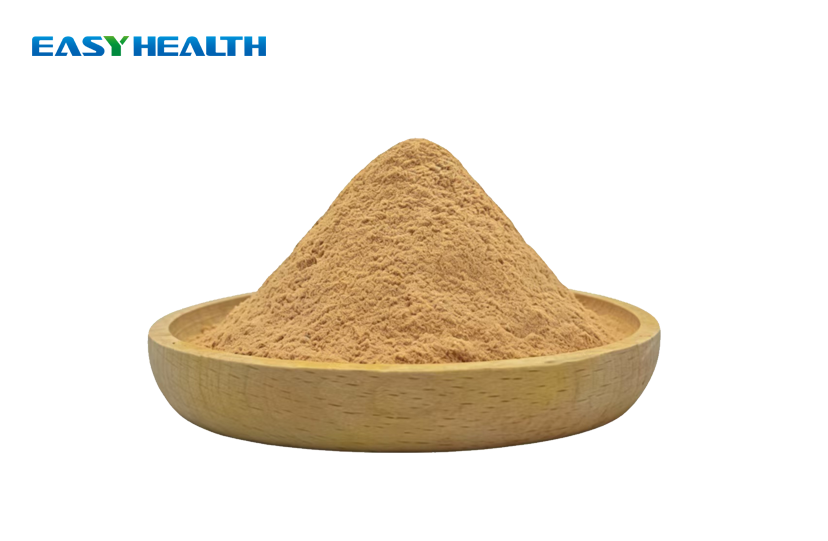
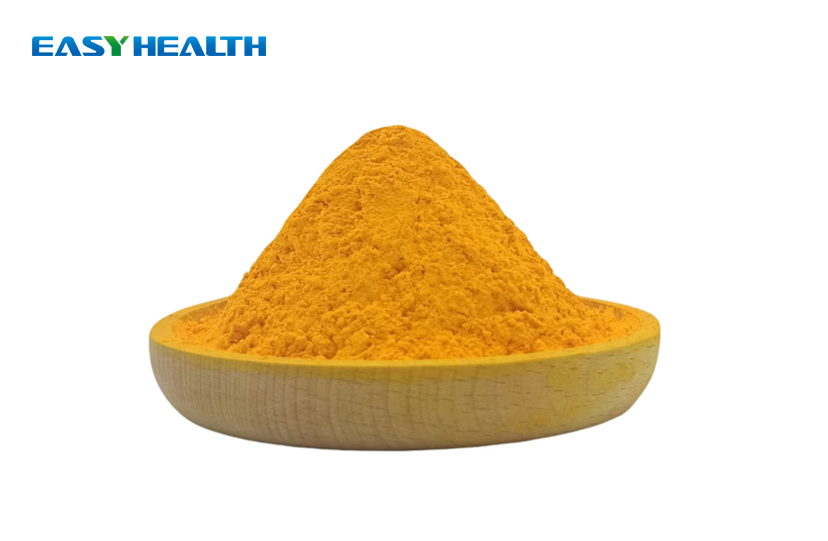
Marigold extract lutein, derived from the petals of Tagetes erecta L., is one of nature's most studied xanthophyll carotenoids for supporting vision health. Standardized to 2%–6% lutein with ≥82% trans-lutein (verified by HPLC), this orange-yellow powder contains active compounds including zeaxanthin and β-carotene. It works by accumulating in the macular region of the retina, where it filters high-energy blue light and neutralizes free radicals. At Easy Health Inc., we supply this ingredient to supplement brands, functional beverage developers, and animal nutrition producers across North America and beyond.

Understanding Marigold Extract Lutein and Its Health Benefits
Eye health is one of the most important issues in preventive nutrition right now. More than 11 million people in the US alone have age-related macular degeneration (AMD), according to the National Eye Institute. This problem can be fixed at the cellular level with lutein, which is found in marigold flowers. It has affects that go far beyond the eyes.
How Lutein Protects the Retina?
More trans-lutein builds up in the macula lutea and joins with zeaxanthin to make retinal pigment. This pigment soaks up blue light waves (400–500 nm) before they reach photoreceptor cells and acts as an internal screen for sight. According to a study published in 2017 in the journal Nutrients, having more macular pigment optical density makes it less likely that AMD will get worse.
Antioxidant Action and Oxidative Stress
Lutein can get rid of singlet oxygen and reactive oxygen species (ROS) inside cell membranes because it has hydroxyl groups. This system protects the retinal tissue from oxidative damage caused by UV light, too much screen time, and waste products of metabolism. A study published in 2019 in Free Radical Biology and Medicine found that taking lutein supplements regularly caused big drops in reactive markers in the eye.
Beyond Eye Health: Emerging Applications
Researchers in the early stages of a study think that lutein may help protect the skin from UV damage by reducing the redness that UV light causes. A study on the heart also shows that it helps lower LDL oxidation. Being able to help in more than one way means that B2B formulators can really market lutein-based products in health areas besides just eye care.
Comparing Marigold Extract Lutein to Other Lutein Sources
Not all marigold extract lutein ingredients perform equally on the manufacturing floor or in clinical outcomes. Understanding the differences helps procurement professionals make sound sourcing decisions.
Marigold Lutein vs. Synthetic Lutein
Synthetic lutein is produced through chemical pathways and may contain isomers that differ from the naturally occurring (3R,3'R,6'R) configuration found in human retinal tissue. Natural marigold-derived trans-lutein matches this biological profile precisely. For supplement brands targeting clean-label positioning, natural origin is also a labeling and marketing advantage that resonates with U.S. consumers.
Marigold Lutein vs. Dietary Spinach Extracts
Spinach and kale contain lutein at roughly 0.3–0.4 mg per gram fresh weight—far below the concentration achievable through marigold extraction. Industrial-scale standardization from vegetable sources is technically difficult and cost-inefficient. Marigold petals yield significantly higher carotenoid densities, making Tagetes erecta the commercially preferred botanical source for supplement-grade material.
Powder vs. Oil Suspension Formats
Marigold lutein is available in oil suspension and micro-encapsulated powder forms. The encapsulated powder format offers a decisive processing advantage: it withstands pelleting and extrusion at 85–90°C without significant carotenoid degradation. For functional beverages, our cold-water-soluble (CWS) version uses nano-emulsion technology to prevent oil-ring formation and sedimentation in acidic pH environments—a recurring technical challenge that standard oil-suspension formats cannot solve.

Procurement Guide: Sourcing Marigold Extract Lutein for B2B Clients
It takes more than just comparing prices to find botanical ingredients that can be used in business. Honesty in the supply chain, following the law, and dependability on a large scale are all very important. This is the first thing you need to do to build trust with a supplier: fill out the paperwork. To sell things in the U.S. and through controlled export routes, you must meet the following requirements:- ISO 9001/ISO 22000: following the rules for food safety and quality management
Certifications That Matter in Global Markets
Halal/Kosher—it's needed for Middle Eastern markets and high-end supplement brands that sell to a wide range of people
- ISO 9001 / ISO 22000 — quality management and food safety system compliance
- HACCP — hazard analysis controls throughout manufacturing
- FAMI-QS — the specific quality standard required by major European and international feed manufacturers
- Halal / Kosher — essential for Middle East export markets and premium supplement brands with diverse consumer bases
Easy Health Inc. has all of these certificates, and every batch of marigold extract lutein they make has a full Certificate of Analysis (CoA) that checks for bacteria, heavy metals, solvent residues, and pesticide residues.
These licensing standards are necessary for your finished product to get through customs, pass customer checks, and get to shops on time; they are not just nice-to-haves. After the source stage, the risks will get worse if you don't check them.

Evaluating Purity Claims and Third-Party Testing
Label pricing is a problem that comes up a lot when people are shopping in this area. One example is when a supplier says their lutein test is 4%, but a separate HPLC test only finds 2.5%. This difference has a direct impact on the RYCF score for egg yolk, the truth of the supplement label, and the customer's happiness. Before you place a big order, you should always get batch-level HPLC data and COA reports that have been confirmed by a third party.
Packaging, MOQ, and Lead Times
Our minimum order quantity (MOQ) is 25 kg, and the wait time for things that are in stock is 3–5 days. That which has been filled with nitrogen has a shelf life of ≥12 months. Most of the time, custom formulas and OEM setups take 4 to 6 weeks. With these due dates, buying teams can plan their yearly stock without spending too much money on it.
Why Choose Marigold Extract Lutein? Advantages for B2B Applications
What makes the right lutein ingredient is more than just a matter of technicalities. It changes how your business is seen in the market, how regulators treat it, and how stable your supply chain will be over time.
Because of these key points, our marigold extract lutein is better for business-to-business uses:
- Verified purity with ≥82% trans-lutein: Each batch is HPLC-confirmed, giving formulators and QC teams consistent, defensible data for product labels and regulatory filings.
- Thermal stability through micro-encapsulation: The antioxidant-coated encapsulation matrix retains carotenoid activity through feed pelleting at 85–90°C, pasteurization, and UHT processing—conditions that degrade unprotected oil suspensions.
- Multi-application adaptability: The same standardized extract supports eye health softgels, functional beverage premixes, poultry feed pigmentation, aquaculture, and personal care formulations—reducing SKU complexity for multi-category manufacturers.
- Animal nutrition performance: At 0.25–1.25 kg/MT in poultry diets, visible improvements in egg yolk color and broiler skin pigmentation appear within 10–15 days. Aquaculture applications at 0.5–2.5 kg/MT produce measurable color enhancement in shrimp and fish within the same window.
There are direct business benefits to these technical advantages. For example, brands that buy from us keep more customers and don't have to rewrite their products as often.
Conclusion
Tagetes erecta L. leaves contain lutein, which is one of the most researched natural carotenoids used for eye health, feeding animals, and making useful foods. The marigold extract lutein ability of trans-lutein to protect the macula and the stability that micro-encapsulation provides for processing make this ingredient very useful for industrial production on a big scale. The safest way for B2B buyers to get a product that can be defended is to work with a certified seller who gives batch-level HPLC data. This is because they care the most about documentation, stability in purity, and supply reliability.
FAQ
What is the recommended daily dosage of lutein for eye health?
There were a lot of clinical studies that used 10 mg of lutein every day. These studies helped make the AREDS2 formula. There isn't a set Daily Value (DV) from the U.S. Food and Drug Administration (FDA), but 10 mg is the number most often recommended by peer-reviewed study to stop AMD.
Can marigold lutein survive the heat of feed pelleting?
Sure, as long as it's in the form of powder that's been bubble-wrapped. It's not very useful to use normal oil solutions above 70°C. Our encapsulated format stays stable at 85–90°C, which is the temperature range used for making normal feed pellets and extrusions.
How do I verify that a supplier's lutein assay is accurate?
Get HPLC data that is unique to a batch and check it against a report from a different, independent lab. For the CoA, you should ask for papers that cover microbes, heavy metals, and ethanol leftovers (≤50 ppm). You shouldn't work with suppliers who can't show these papers when asked to in managed supply lines.
What is the minimum order quantity?
We need at least 25 kg of goods to ship an order, and most things in stock can be sent out within 3–5 business days. It takes 4 to 6 weeks to make custom formulations and OEM orders.
Is this product suitable for Halal-certified finished goods?
Yes. Our marigold extract lutein is confirmed as both Halal and Kosher. This means that it can be used in high-end multi-certified supplement brands and goods aimed at Middle Eastern markets.
Request a Sample from Easy Health — Your Marigold Extract Lutein Supplier
A lot of procurement managers, OEM brands, and nutritional supplement developers come to Easy Health Inc. when they need a reliable marigold extract lutein manufacturer who can do the job quickly and with good paperwork. If you buy more than 25 kg, our nitrogen-flushed packaging, full COA transparency, and FAMI-QS, Halal, and Kosher certifications will make sure that your supply chain is ready to go. To get samples, specs, or a formulation meeting right away, go to easyhealthinc.com or email devin@easyhealthbio.com.
References
1. Bernstein, P. S., et al. "Lutein, Zeaxanthin, and meso-Zeaxanthin: The Basic and Clinical Science Underlying Carotenoid-Based Nutritional Interventions against Ocular Disease." Progress in Retinal and Eye Research, 2016.
2. Stringham, J. M., & Hammond, B. R. "Macular Pigment and Visual Performance Under Glare Conditions." Optometry and Vision Science, 2008.
3. Ma, L., et al. "Lutein and Zeaxanthin Intake and the Risk of Age-Related Macular Degeneration: A Systematic Review and Meta-Analysis." British Journal of Nutrition, 2012.
4. Ranard, K. M., et al. "Dietary Guidance for Lutein: Consideration for Intake Recommendations Is Scientifically Supported." European Journal of Nutrition, 2017.
5. Age-Related Eye Disease Study 2 Research Group. "Lutein + Zeaxanthin and Omega-3 Fatty Acids for Age-Related Macular Degeneration: The AREDS2 Randomized Clinical Trial." JAMA, 2013.
6. Nishino, H., et al. "Cancer Prevention by Carotenoids." BioFactors, 2009.