What Makes Microencapsulated MCT Powder Different From Liquid MCT Oil?
If you are sourcing fat components for keto supplements, functional drinks or meal replacement formulae, you’ve probably been asked this same question. MCT microencapsulated palm oil powder and liquid MCT oil are both sources of medium chain triglycerides, but they act quite differently on the factory floor, in the supply chain, and within the finished product. Short answer: Microencapsulation transforms liquid oil into a free-flowing, shelf-stable powder via spray-drying, removing the danger of oxidation, phase separation in drinks, and shipping complexity – without affecting the C8/C10 metabolic activity your clients are looking for.
Understanding MCT Microencapsulated Palm Oil Powder vs Liquid MCT Oil
If a formulator wants to understand why the physical difference between forms is important, they should know what each form is.
What Is Liquid MCT Oil?
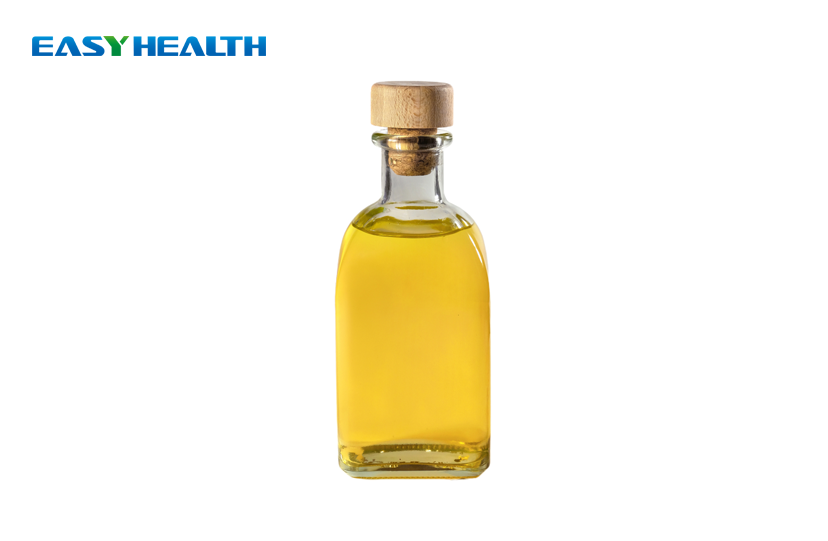
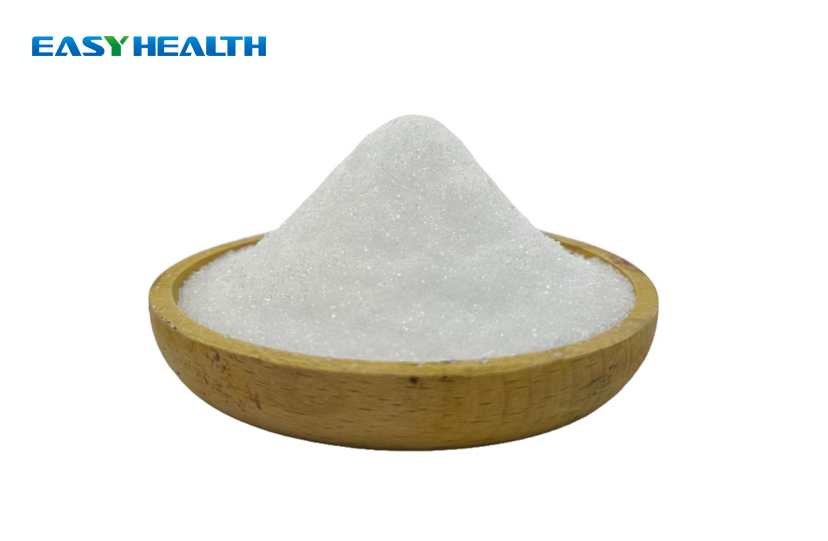
Liquid MCT oil is made up of two types of fatty acids, caprylic acid (C8) and capric acid (C10). Usually transparent, inodorous and absorbed quickly. But in liquid form, it is quick to transform into oxidation when heated, lighted or exposed to air. It’s also tricky to work with since it clumps up dry mixes, leaves an oily coating on liquids and requires special shipping packing to protect it from leaking.
What Is Microencapsulated MCT Powder?
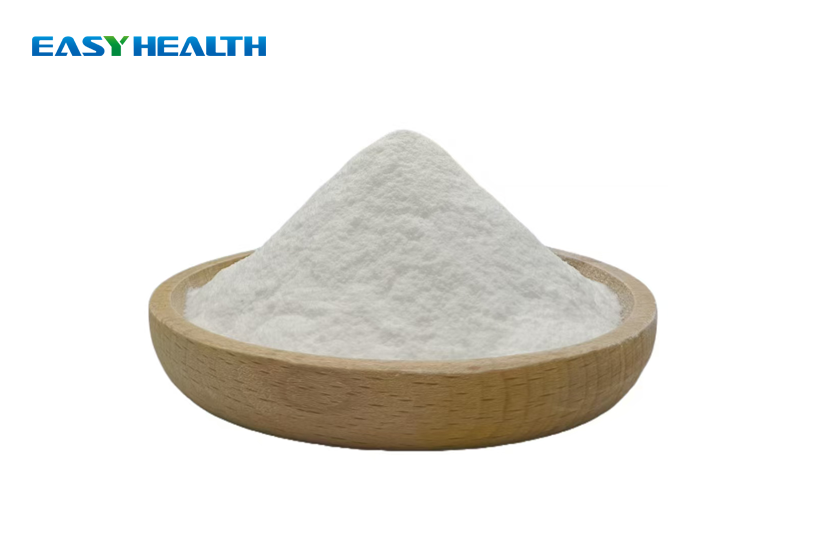
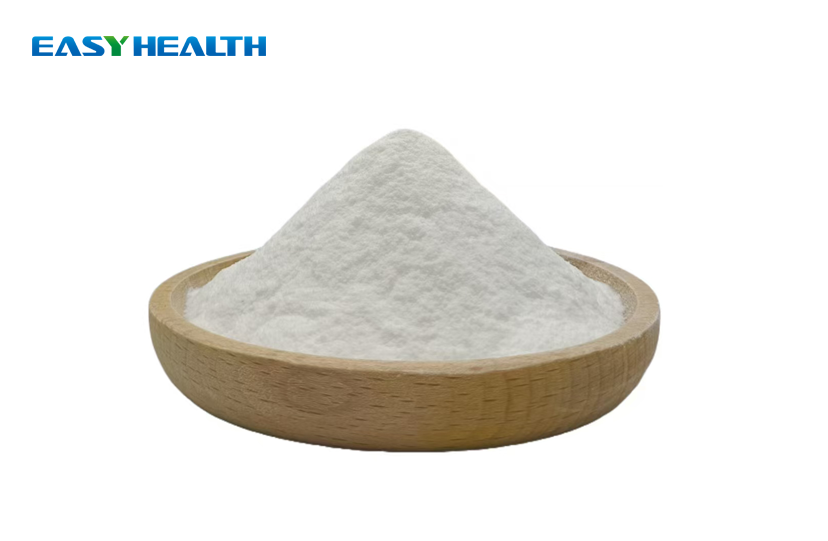
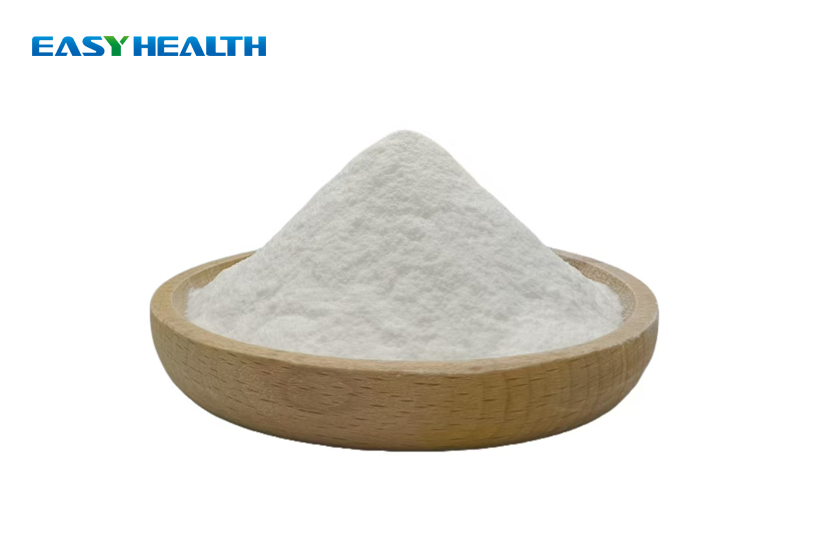
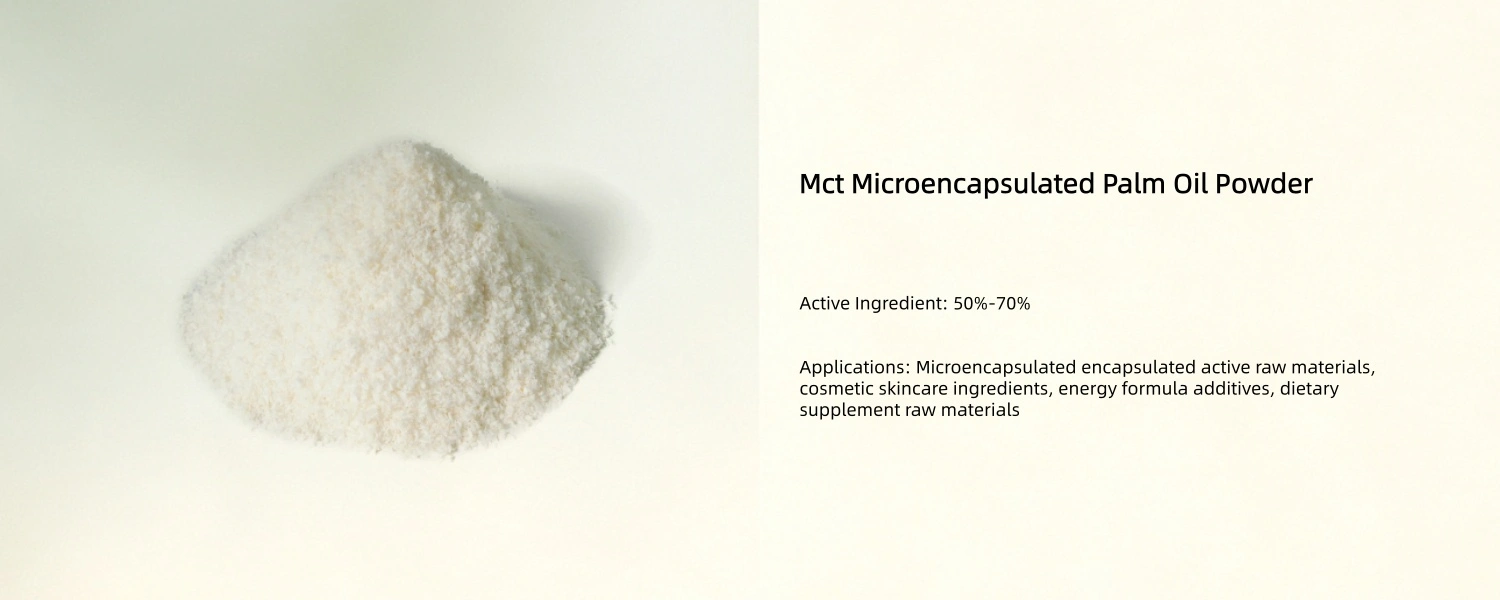
Spray-drying creates a wall around the liquid MCT oil droplets, a process known as microencapsulation. Most of the time, the wall is composed from starch, fiber or a plant-based carrier. This converts the milk into a white to off-white powder that flows readily and has a core-shell form. The technique protects the lipid core from oxygen and heat up to 80°C. The peroxide is kept at 2.5 mmol/kg and the oil on the surface is kept at ≤1.0%. “There is no doubt these numbers show how safe the oil is.
Physical and Shelf-Life Differences
The optimal period to keep liquid MCT oil is 18 months to 2 years. Stored cold and dry, the powder will last 18 to 24 months. “Because the oxygen can’t get to the fat because of the encasing matrix. "This distinction matters for enterprises who move their products across the globe in hot locations.
Functional and Nutritional Benefits of Microencapsulated MCT Powder
Some foods stay fresh longer because of a process called microencapsulation. This process also changes how the ingredient works nutritionally and functionally in the finished product.
Oxidation Resistance and Quality Retention
Going bad is one of the most common problems with foods that contain fat. Spray-dried MCT powder has a core-shell structure that keeps oxygen out in a big way that regular liquid packaging can't. When put through tests to see how solid they are, encapsulated fat powders always show less peroxide value buildup over time than raw oil stored in the same way. This oxidative stability advantage makes MCT microencapsulated palm oil powder a reliable ingredient for fat-containing food products.
Energy Metabolism Support
The 55:45 C8:C10 ratio that is kept by microencapsulation is done on purpose. More quickly than C10, caprylic acid (C8) turns into ketones. Because of this, this ratio is a good choice for weight loss and sports diet plans that want to make ATP fast. Gas Chromatography (GC) testing proves the ratio from one batch to the next. This means that the packaging process doesn't change the way the fatty acids are made.
Digestive Tolerance
It can hurt your stomach if you take more than 15 to 20 grams of liquid MCT oil. The emulsion gets smoother when you encapsulate something. This gives lipase enzymes more surface area to work with, which helps with slower absorption and better tolerance. This is very helpful for clinical nutrition and products for people who are sensitive.

Industrial and Commercial Applications: Powder vs Liquid MCT Oil
When it comes to making something, the format you choose changes the whole process. In some important fields, powder forms are useful in the following ways:
- Sports Nutrition & Keto Supplements: Powdered MCT blends directly into dry-mix protein shakes, meal replacement sachets, and pre-workout formulas without creating clumps or greasy separation. Liquid oil in the same application requires specialized emulsification equipment and often results in inconsistent texture between batches.
- Functional Beverages & Coffee Creamers: The powder disperses in both cold and hot water without phase separation. In RTD coffee applications, where acidic pH and high temperatures accelerate lipid destabilization, the encapsulated powder maintains a smooth, creamy mouthfeel through the entire product lifecycle. Liquid MCT oil, without high-shear homogenization, oils out visibly—a consumer-facing quality failure.
- Clinical & Geriatric Nutrition: Enteral feeding formulas and therapeutic meal replacements require precise, reproducible fat dosing. The powder form allows exact gram-level incorporation with no spillage, no container contamination, and predictable nutrient delivery per serving.
Because of these benefits for applications, there are fewer issues with reformulating, less trash, and more uniform reviews from customers. For names that sell more than one SKU in different areas, that consistency gets better over time.
Procurement Considerations for B2B Buyers
When you buy fat foods from other countries, there are things you need to know that aren't in the product specification sheet. There are a few practical things you should think about before you sign with a supplier.
Certification Coverage
Any business that wants to sell to Muslim-majority areas in Southeast Asia and the Middle East needs to get halal approval. For the natural route in the US, it's important to get FDA approval and follow USDA Organic rules. An MCT powder made from palm oil that is recognized as Halal, Vegan, Kosher, ISO, and HACCP can be used in almost all areas. This way, a brand that is growing doesn't have to find different suppliers for each area. These certifications make MCT microencapsulated palm oil powder a versatile choice for brands expanding across multiple regulated markets.
Purity and Batch Consistency
The majority of MCT products sold are 80-85% pure MCT. If you inform your suppliers that every batch needs to have at least 95% MCT, they will be held to a clear standard. This is shown by GC analysis and a validated 55:45 C8:C10 ratio. When you order for the first time, ask for the Certificate of Analysis and cross-check it with what the label states.
Sample Order Flexibility and Lead Times
The opportunity to buy 25 kilogram samples with a lead time of 3-5 days is a great aid for companies who are currently developing their goods. A sample order is being created and your start date will be pushed back four to six weeks. It's best to do business with providers that handle minor requests as fast as container loads.

Why Microencapsulated MCT Palm Oil Powder Is Preferred in B2B Sourcing?
OEM manufacturers, private label brands and direct to consumer supplement firms have all shifted from liquid MCT oil to powder, not only due to formulation preference, but also practical supply chain realities.
Shipping and Storage Economics
Liquid MCT oil ships in drums that require temperature monitoring, leak-proof packaging, and careful handling to avoid contamination. Powder ships in 25 kg bags, stacks efficiently, and requires no refrigeration. For brands importing from overseas suppliers, this reduces freight costs and simplifies warehouse management considerably. These logistical advantages make MCT microencapsulated palm oil powder a more cost-effective and easier-to-handle option than liquid MCT oil for international sourcing.
Supply Stability and Sourcing Diversification
The supply of palm kernel oil is wider and more regionally spread out than that of coconut oil. The result is more predictable pricing and fewer supply interruptions – a genuine benefit for firms who have been hit by price surges for coconut oil during times of strong demand. At comparable purity, Palm-sourced MCT powder often costs 20-30% less than its coconut-derived counterparts with no sacrifice to the fatty acid profile that important to formulators.
Long-Term Product Consistency
Powder form standardizes fat content per gram more precisely than liquid, where viscosity changes with temperature can introduce minor dosing variability at scale. For high-volume manufacturing, that consistency protects your supplement facts panel accuracy and reduces the risk of out-of-specification batches.
Conclusion
The stability, ease of processing, and supply chain performance of MCT microencapsulated palm oil powder are what set it apart from liquid MCT oil. It doesn't oxidize, mixes well with dry ingredients, doesn't get messy when shipped, and doesn't need to be handled with as much care as bulk oil. People who buy in bulk and make keto supplements, functional drinks, or clinical nutrition products can use these benefits. There are signs of them in how well the goods are made, how long they last, and how people feel about them. For technical and business reasons, the powder form is something you should really think about when you're looking for a new supplier or deciding if you want to switch formats.
FAQ
How does microencapsulated MCT powder differ from standard MCT powder?
Standard MCT powder may use lower-purity oil and simpler spray-drying without a defined core-shell structure. Microencapsulated powder specifically refers to a matrix where the oil is fully enclosed within a protective wall, resulting in lower surface fat (≤1.0%) and better oxidative stability. The difference shows up in shelf life, dispersibility, and flavor stability over time.
Does the powder work in cold-water applications?
Yes. A well-produced encapsulated MCT powder disperses in cold water without requiring high-shear mixing or heating. Look for a product with standardized wetting time testing to confirm this before scaling production.
How do I verify supplier quality before committing to bulk orders?
Request a Certificate of Analysis showing MCT purity by GC, C8:C10 ratio, peroxide value, acid value, surface fat percentage, and full microbiological screening. Also confirm certifications (Halal, ISO, HACCP) are current and issued by recognized third-party bodies, not self-declared.
What is the typical shelf life of encapsulated MCT powder?
When stored in cool, dry conditions below 25°C, a properly encapsulated MCT powder carries an 18–24 month shelf life. High surface fat or poor encapsulation efficiency significantly shortens this, which is why surface oil content ≤1.0% is a meaningful specification to review.
Request a Sample From Easy Health — Your MCT Microencapsulated Palm Oil Powder Supplier
Easy Health has been extracting plants for more than 11 years and is certified in FDA, ISO, HACCP, and Halal. All of their orders come from this company. We offer MCT microencapsulated palm oil powder in two different strengths: 50% and 70%. It takes 3–5 days to send out samples that weigh 25 kg. You can ask for a taste and tell our team about your cooking needs by emailing devin@easyhealthbio.com.
References
1. Babayan, V.K. (1987). Medium chain triglycerides and structured lipids. Lipids, 22(6), 417–420.
2. McClements, D.J. (2015). Food Emulsions: Principles, Practices, and Techniques (3rd ed.). CRC Press.
3. Drusch, S., & Mannino, S. (2009). Patent-based review on industrial approaches for the microencapsulation of oils rich in polyunsaturated fatty acids. Trends in Food Science & Technology, 20(6–7), 237–244.
4. St-Onge, M.P., & Jones, P.J.H. (2002). Physiological effects of medium-chain triglycerides: potential agents in the prevention of obesity. The Journal of Nutrition, 132(3), 329–332.
5. Kolanowski, W., Laufenberg, G., & Kunz, B. (2004). Fish oil stabilisation by microencapsulation with modified cellulose. International Journal of Food Sciences and Nutrition, 55(4), 333–343.
6. Gupta, S., & Bhatt, P. (2020). Microencapsulation of lipids: Techniques and applications in functional food development. Journal of Food Science and Technology, 57(12), 4250–4263.