What Is DHA Algal Oil Powder and Why Is It Vegan Friendly?
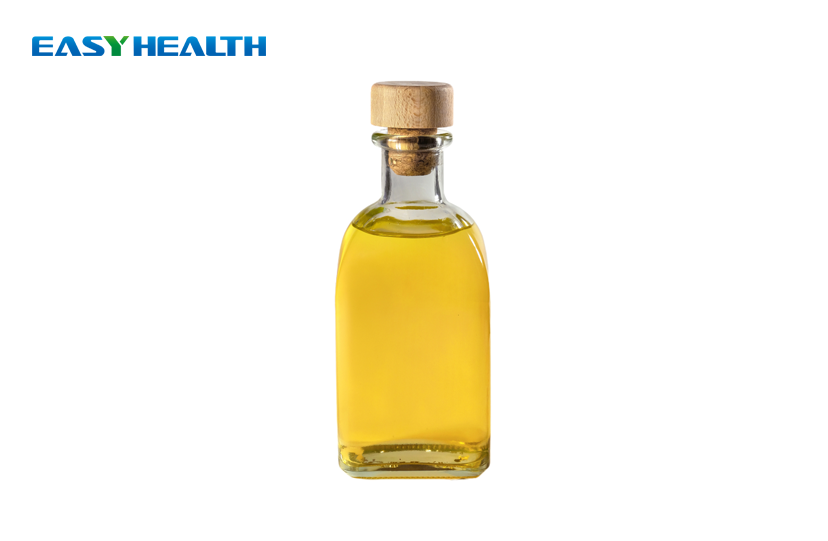
DHA algal oil powder, derived from microalgae like Schizochytrium sp., provides a steady supply of docosahexaenoic acid (DHA), which is essential for brain, heart, and eye health. Microencapsulated DHA Algal Oil Powder is a revolutionary fish oil alternative. Advanced spray-drying and encapsulating technologies turn liquid algal oil into a free-flowing powder that is shelf-stable, fishy-odor-free, oxidation-resistant, and simple to include in baby formula, nutritional supplements, and functional meals. Companies seeking clean-label, allergen-free, and regulatory-compliant omega-3 solutions use the format because it addresses formulation, sensory, and vegan customer requirements.
Understanding DHA Algal Oil Powder: Definition and Core Benefits
DHA is a long-chain polyunsaturated fatty acid, and nutritionists throughout the globe feel it is crucial for brain development, eye health, and heart health. Lately, DHA has been gaining more attention since it doesn't last, it may affect the ocean, and it doesn't work for vegan or allergy-friendly diets. Algal oil powder is a good option since microalgae are grown in closed, regulated tanks, and no heavy metals, PCBs, or dioxins are involved.
What Makes Microencapsulation Essential?
Raw state DHA oil is not stable, many people remark. Lipoperoxidation is a process where lipids are exposed to light, air, and heat, swiftly ruining the flavor of the food and making it less healthful. Microencapsulation may help overcome this issue by enclosing the oil droplets in a framework of sugar or protein to help protect them. This layer prevents rancidity of oils and prolongs their shelf life by up to 150%. It also masks odors that deter buyers (children and pregnant women).
The resultant powder may be used in numerous ways. It has less than 1.0% oil on the surface to stop it from sticking together and rapidly breaks down in cold water. Its peroxide value is similarly less than 2.5 mmol/kg, indicating a good resistance to oxidation. The texture and flavor don't change, so it may be dry-blended into infant formula, made into tablets, or incorporated into protein drinks.
Comparing Algal Oil Powder to Fish Oil and Liquid Formats
Many individuals take fish oil for their omegas; however, there are some huge concerns with it. DHA from the ocean may be contaminated with industrial pollutants, requires extensive purification, and is not in line with the ethical values of vegan customers. Liquid algal oils are plant-based yet challenging to manufacture, need refrigeration, and have a short shelf life.
Microencapsulated DHA Algal Oil Powder gets around these problems. It is plant-derived, and its powder form works well with dry goods, following the trend toward clear labeling. It also has a lot of stability during shipment and storage, which makes it easier for procurement teams to lose less, operate companies more smoothly, and gain more confidence from customers.
Why Is DHA Algal Oil Powder Considered Vegan-Friendly?
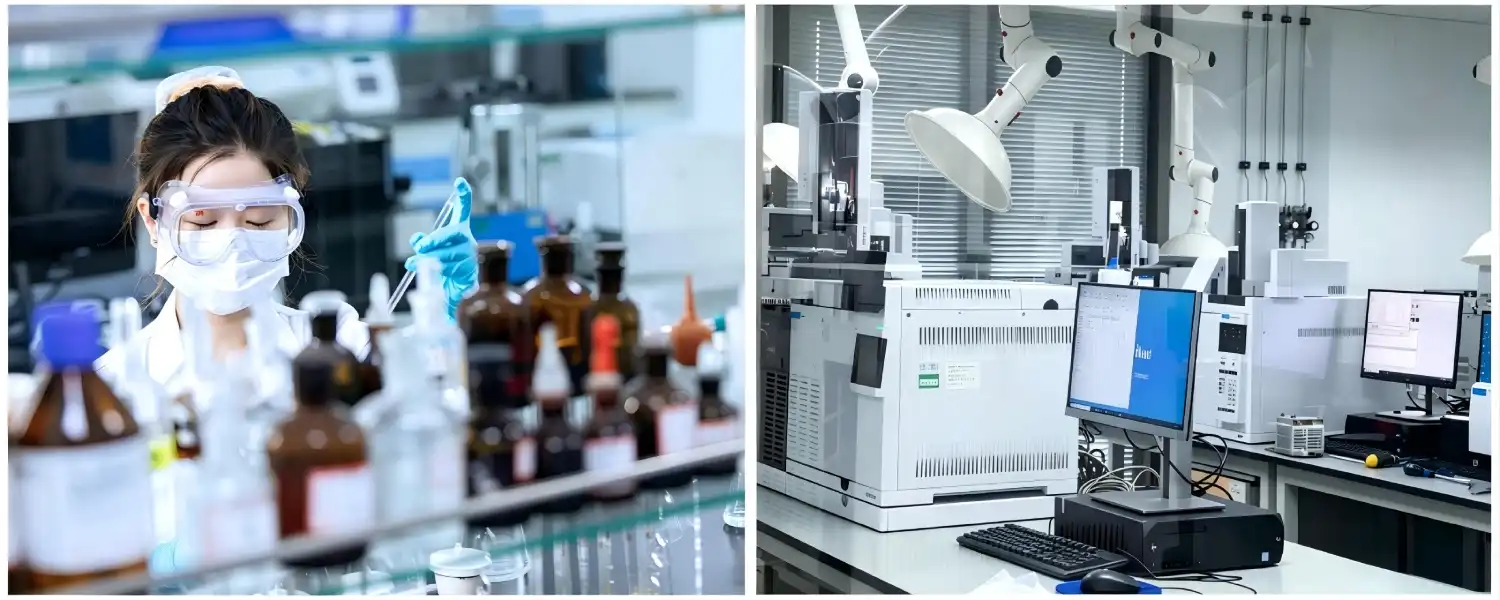
Algac DHA is animal-free; therefore, it may be used by animal-free individuals. Algae oil is produced in controlled fermentation tanks using strains of Schizochytrium. sp. Fish oil is now made from fish captured in the ocean. This closed-loop technique has no animal usage and prevents bycatch damage. If you are a staunch vegetarian, vegan, or religious eater, this is the plant-based option for you.
Sustainability and Ethical Advantages
Consumers are increasingly inquiring where their food originates from. Overfishing destroys marine ecosystems, and the manufacture of fish oil further depletes species. If you grow algae, these things will not happen. They grow swiftly, need minimal room and water, and may be gathered continuously without harming animals. This sustainability profile will be perfect for companies looking to be certified by the Vegan Society, Non-GMO Project Verified, and USDA Organic, as well as eco-conscious buyers.
Using microencapsulation technology on plant-based wall materials such as acacia gum, tapioca maltodextrin, or rice starch has much more apparent effects. The whole process is free from any animal-derived substances, ensuring 100% vegan purity to meet the needs of ethical customers and the regulatory bodies that demand the labelling of allergen-free products.
Certifications and Quality Assurance for Procurement Confidence
MSDS, COA, and third-party test results should be trusted. ISO 22000 in food safety, GMP in pharmaceutical-grade manufacturing, HACCP in hazard management, and Halal or Kosher in religious compliance are the primary certifications. These credentials show procurement managers that algae powder fulfills tight baby formula, clinical nutrition, and export restrictions for countries with strict import laws.
The limits of heavy metals are quite important. Premium algal powders have lead below 2.0 mg/kg, arsenic below 1.0 mg/kg, and mercury below 0.1 mg/kg, which are substantially within safety limits. Microbiological tests reveal no Salmonella and E. coli and overall plate counts of less than 1000 cfu/g. This makes it safe for newborns, pregnant ladies, and individuals with a not-so-strong immune system.
Microencapsulated DHA Algal Oil Powder: Technology and Applications
Microencapsulation turns unstable liquid oils into durable powders in many steps. Water-soluble wall materials such as modified starch or sodium caseinate are emulsified with DHA-rich algal oil first. Emulsion is atomized into tiny droplets and spray-dried at a specified temperature. Solid microcapsules with oil centers and protective shells remain after water evaporates fast.
Technical Performance and Quality Indicators
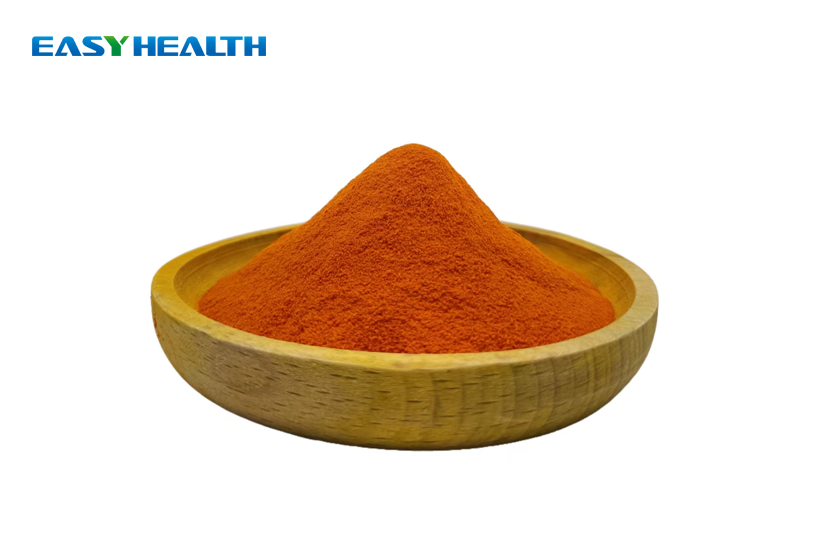
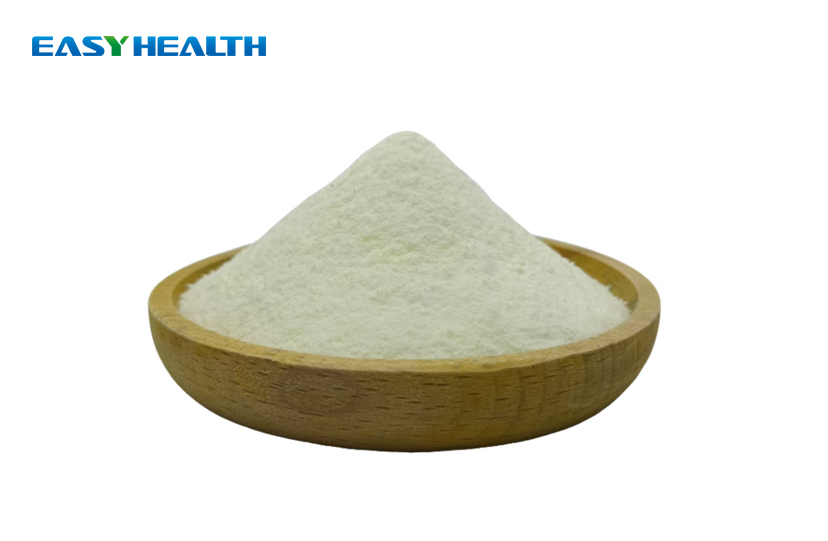
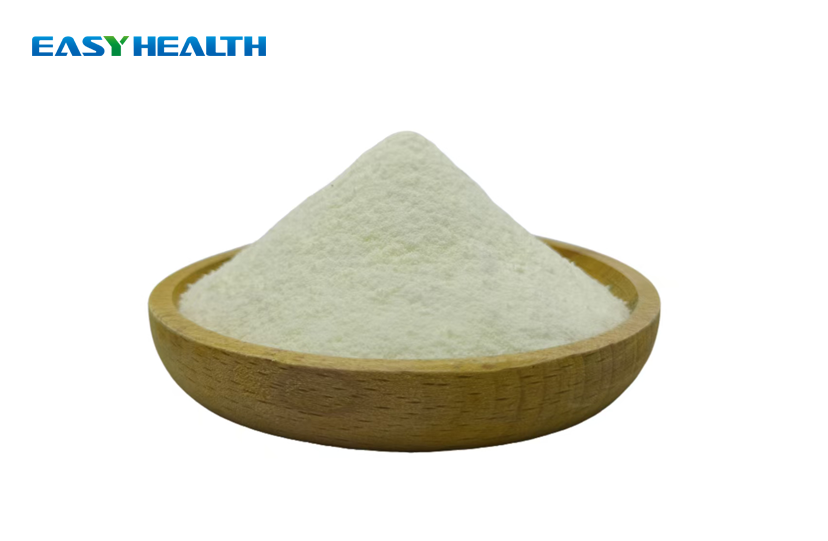
Particular technological features of high-quality algae powder TG form of Microencapsulated DHA Algal Oil Powder are usually standardized to 7%, 10%, or 20% and have greater bioavailability than ethyl ester versions. The powder is a light yellow, free-flowing material that does not cake and passes 40-mesh sieves with 95% efficiency. Moisture level is less than 5.0%, which eliminates bacterial growth and ensures flowability throughout automatic filling and mixing procedures.
The surface oil content is the key indicator of the quality of encapsulation. Values >1.0% indicate inadequate encapsulation and may lead to quick oxidation and short shelf life. Peroxide levels <2.5 mmol/kg and acid values <1.0 mgKOH/g demonstrate oxidative stability and lipid integrity, which are critical to preserving nutritional efficacy throughout the product life cycle.
Applications Across Industrial Sectors
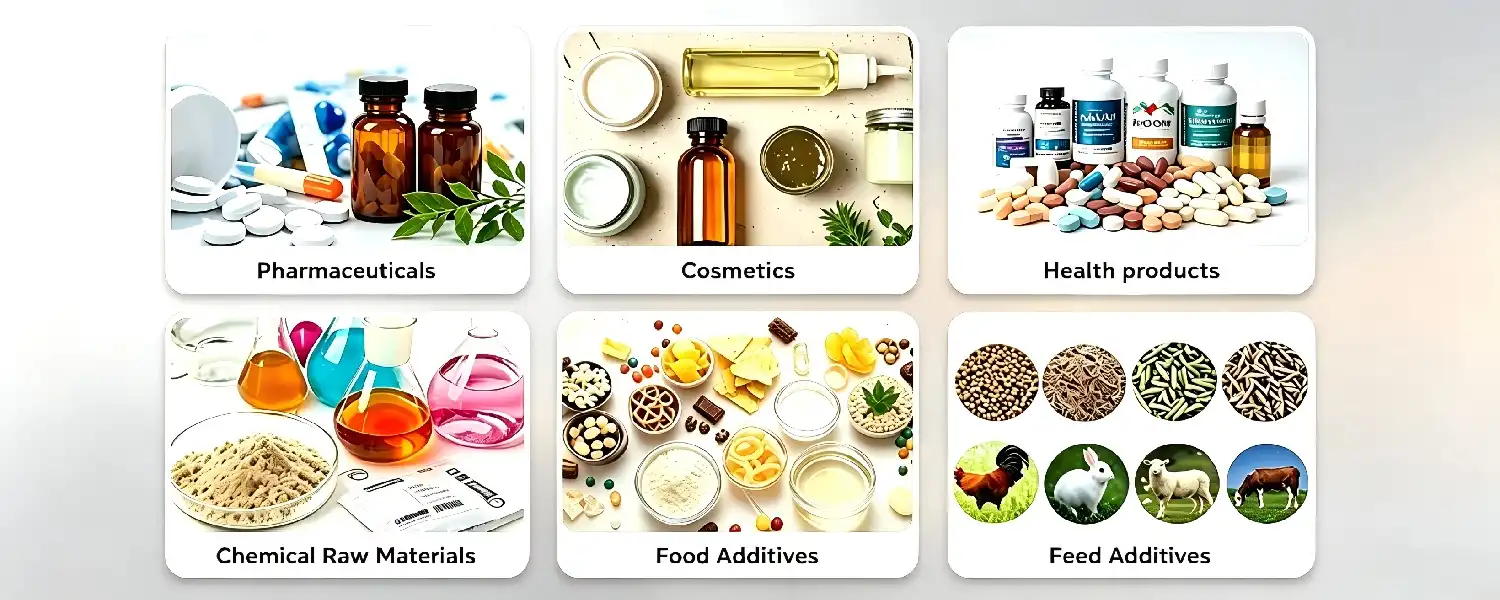
The microencapsulated algae powder is very versatile and may be used in many applications to suit the particular demands of many industries:
ECN/baby formula producers must provide DHA and quality. Powders dry-blend, protect DHA, and reduce oil rancidity. This product is pleasant, fulfills US, EU, and Chinese formula specifications, has ±1% batch variation, and has no fishy flavor.
Using algae powder, functional food and nutritional supplement companies manufacture cognitive, prenatal, and cardiovascular health capsules, pills, sweets, and ready-to-mix sachets. Instant beverage powder may be tableted without binding agents due to its dispersibility and compressibility. Promote “100% vegan” and “free from marine pollutants” items to stand out in competitive marketplaces.
Algal DHA in premium dog and cat food enhances vision and memory. Powdered DHA was preserved during kibble extrusion. Use is growing because pet owners want ethical, human-grade goods.
Cosmetics, Clinical Nutrition: Algal DHA-Based Anti-Aging and Therapeutic Dietary Regimens. It has anti-inflammatory effects that enhance cognition and wound healing. Pharmaceutical purity for enteral feeding and nutritional supplements.
Evaluating and Choosing the Right Microencapsulated DHA Algal Oil Powder for Your Business
Procurement success is more than just a price. The value of a long-term cooperation is based on quality, consistency, regulatory compliance, and supplier dependability.
Critical Selection Parameters
Prioritise DHA content accuracy and batch homogeneity. Ask providers for gas chromatography (GC) testing reports showing TG-form DHA levels within limits. A historical batch variation of less than ±1% is essential for formula consistency, preventing costly reformulation and consumer complaints.
Examine oxidative stability properties. To maintain shelf life, peroxide levels should be much below legal limits, ideally below 2.5 mmol/kg at shipment. Accelerated aging trials must prove stability under storage conditions for 18–24 months.
Sensory evaluation is important. Taste powder samples dissolved in water or milk blindly. Insufficient encapsulation or oxidative degradation may provide fishy or rotting overtones that impair brand image and client acceptance.
Supplier Qualification and Partnership Considerations
High-quality providers are equipped with quality management systems of an international level. GMP, ISO 22000, and HACCP audit reports must be checked. Evaluate production capability to ensure suppliers can ramp up production levels with increasing demand and maintain consistent lead times, typically 15 days or fewer for normal needs.
Open communication shows trust. Suppliers need to present Certificates of Origin, allergy statements, GMO status declarations, and heavy metal, pesticide, and microbiological pollution testing procedures. Visit production facilities or accept third-party audit reports to verify compliance.
Pricing & MOQ: We provide variable pricing and MOQ for various business sizes. Suppliers understand this and provide bulk discounts for large enterprises and smaller initial orders for startups. Negotiate settings that balance inventory management and cost-effectiveness.
Conclusion
Microencapsulated DHA Algal Oil Powder is a breakthrough ingredient for the sectors looking for sustainable, vegan-friendly omega-3s without compromising on quality or performance. It’s stable, zero-fishy, and formulation-friendly to support baby formula, supplement, and functional food makers. The plant-based supply prevents marine pollution and overfishing and is in line with ethical and religious dietary requirements. Quality criteria for vulnerable populations include limitations on surface oil, heavy metals, and low peroxide. Procurement teams may confidently include this new feature in goods that satisfy increasing customer expectations and regulatory requirements by sourcing from approved suppliers who give visibility of documents, flexible services, and dependable supply chains.
FAQ
1. How Does Microencapsulated DHA Powder Compare to Liquid Oil for Stability?
The microencapsulated powder shows considerably better stability. The encapsulating barrier protects DHA from the main catalysts of oxidation, oxygen, light, and moisture. Shelf life is as much as 150% longer than liquid oils, decreasing waste and allowing for longer distribution cycles. The powder may be stored at room temperature, meaning no refrigeration expenses and simplified logistics for the worldwide supply chain.
2. Is Algal DHA Safe for Infant Formula?
Regulatory agencies across the globe have specifically allowed the use of algal DHA in baby formula. Algal oil has received the designation of Generally Recognized As Safe (GRAS) from the U.S. FDA, and EFSA has issued good conclusions about its safety. Microbiological testing techniques verify the absence of pathogens like Salmonella and Escherichia coli, and heavy metal levels are consistent with or better than baby food regulations in all key markets.
3. What Certifications Verify Vegan DHA Authenticity?
True vegan DHA is certified by recognized entities like the Vegan Society, Vegetarian Society, or similar groups in your area. Review test data showing lack of fish-derived components as determined by DNA testing or fatty acid profile. USDA NOP or EU Organic certifications also verify that the farm follows sustainability and does not use synthetic pesticides or genetically modified organisms.
Partner with Easy Health for Certified Microencapsulated DHA Algal Oil Powder
Easy Health is a reliable provider of pharmaceutical-quality algal Microencapsulated DHA Algal Oil Powder for the demanding needs of baby formula producers, supplement brands, and functional food innovators throughout the globe. Our microencapsulated powder is standardized to 7% to 20% DHA in a highly bioavailable triglyceride form, with less than 1.0% surface oil and peroxide values consistently less than 2.5 mmol/kg, providing remarkable stability and minimal fishy flavor.
Our manufacturing facility maintains ISO 22000, GMP, HACCP, and Organic certifications, providing complete traceability from microalgae cultivation through final packaging. We offer flexible OEM and ODM services tailored to your specifications, competitive pricing models for volume orders, and reliable delivery within 15 days. Contact our team at devin@easyhealthbio.com to request samples, discuss custom formulations, or obtain detailed technical documentation supporting your product development and regulatory compliance needs.
References
1. Arterburn, L.M., Hall, E.B., & Oken, H. (2006). Distribution, interconversion, and dose response of n-3 fatty acids in humans. American Journal of Clinical Nutrition, 83(6), 1467S-1476S.
2. Bernstein, A.M., Ding, E.L., Willett, W.C., & Rimm, E.B. (2012). A meta-analysis shows that docosahexaenoic acid from algal oil reduces serum triglycerides and increases HDL-cholesterol and LDL-cholesterol in persons without coronary heart disease. Journal of Nutrition, 142(1), 99-104.
3. Colombo, J., Carlson, S.E., Cheatham, C.L., et al. (2013). Long-term effects of LCPUFA supplementation on childhood cognitive outcomes. American Journal of Clinical Nutrition, 98(2), 403-412.
4. Kuratko, C.N., Barrett, E.C., Nelson, E.B., & Salem, N. (2013). The relationship of docosahexaenoic acid (DHA) with learning and behavior in healthy children: a review. Nutrients, 5(7), 2777-2810.
5. Ryan, A.S., Astwood, J.D., Gautier, S., et al. (2010). Effects of long-chain polyunsaturated fatty acid supplementation on neurodevelopment in childhood: a review of human studies. Prostaglandins, Leukotrienes and Essential Fatty Acids, 82(4-6), 305-314.
6. Whelan, J. & Rust, C. (2006). Innovative dietary sources of n-3 fatty acids. Annual Review of Nutrition, 26, 75-103.

_1784173402819.webp)