How to Choose a Reliable Microencapsulated Evening Primrose Oil Powder Supplier?
Choosing the right microencapsulated evening primrose oil powder supplier is one of the most consequential decisions a women's health brand can make. The wrong call leads to GLA potency gaps, batch inconsistencies, and compliance headaches that erode consumer trust overnight. A dependable supplier verifies every batch via GC-MS, publishes the GLA:LA ratio as an adulteration marker, and offers formulation flexibility—custom oil loads, flexible MOQs, and documented certifications. This guide walks through every checkpoint you need before signing a supply agreement.
Understanding the Procurement Landscape for EPO Powder
The market for evening primrose oil is slowly growing because more and more people are interested in beauty-from-within nutrition, managing PMS, and inflammatory skin problems like acne and eczema. But switching from raw liquid oil to a stable microencapsulated evening primrose oil powder has added a new level of difficulty to buying that many brand owners don't realize.
Why Microencapsulation Changes the Sourcing Game?
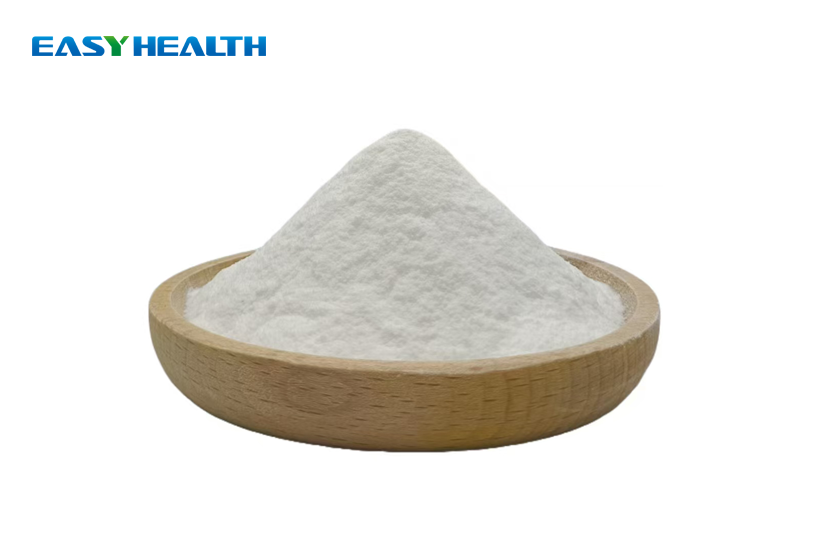
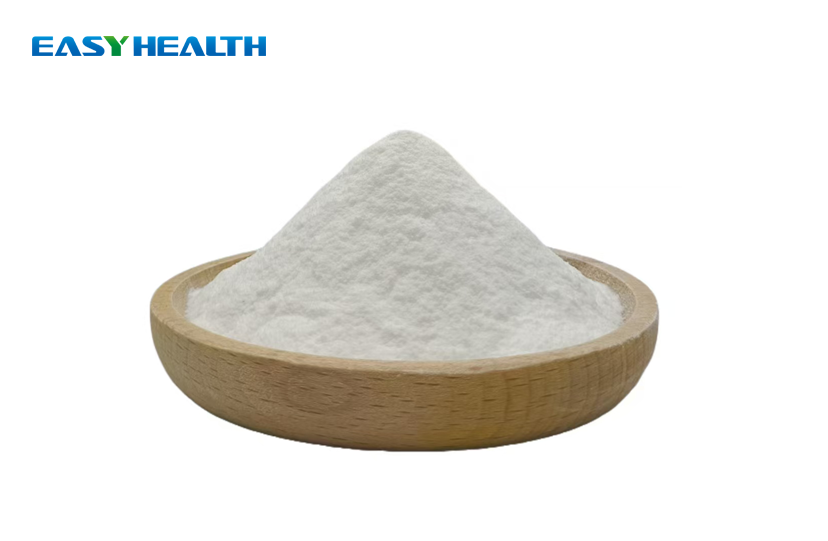
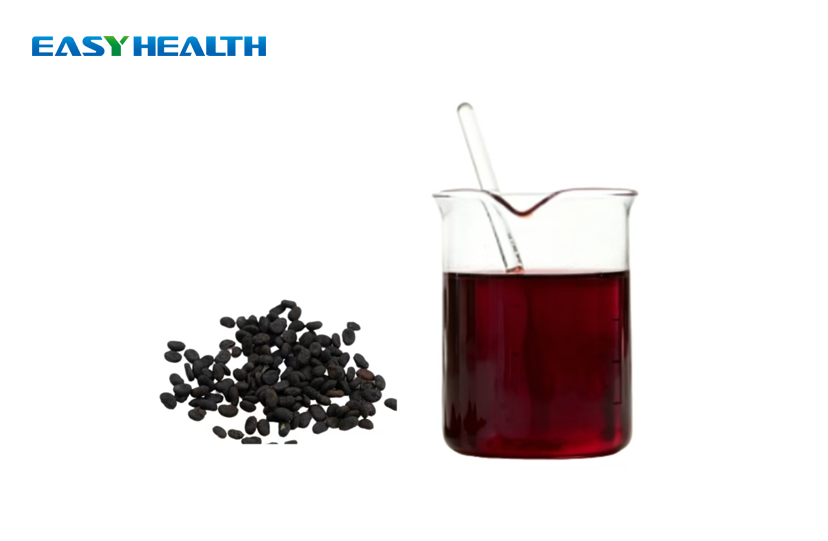
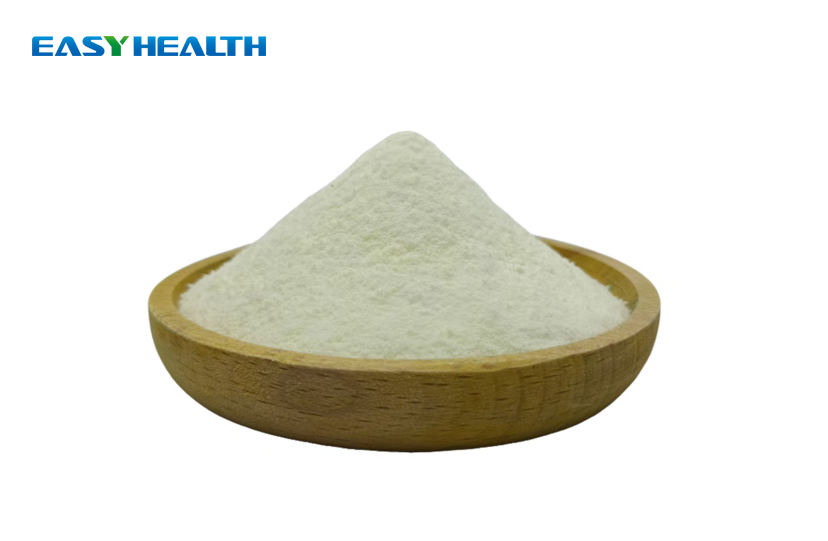
When exposed to air, light, or heat, raw Oenothera biennis seed oil quickly oxidizes. This breaks down its gamma-linolenic acid (GLA) content and gives it a fishy, grassy smell that makes it almost useless for stick packs or instant drinks. Advanced spray-drying microencapsulation turns the liquid oil into a light yellow to off-white microencapsulated evening primrose oil powder that flows freely and has a protected micro-matrix shell around it. When done right, the end result is a peroxide value of less than 2.5 mmol/kg, a surface oil level of less than 1%, and a moisture level of less than 5%. These levels directly affect whether the finished capsule or sachet gets to the consumer with all of its nutrients still intact.
Clean-label laws and FTC/EFSA scrutiny of PMS and skin-health claims in the U.S. and EU markets make it necessary to use provable, specification-backed base materials. When buying for the TikTok Shop, Amazon, or private-label lines in stores, procurement teams can't afford unclear ingredients.

Core Criteria to Evaluate When Choosing a Supplier
Not every catalog sheet that has "microencapsulated evening primrose oil powder" on it should get a buy order. When looking at a potential partner, you need to look at a lot of different quality layers at the same time.
Certification Stack and Third-Party Verification
A reliable provider makes sure their factories are ISO-certified, follow GMP guidelines, and, if possible, get Halal and Kosher certifications so their products can be sold in more than one market. Having USDA NOP Organic or EU Organic credentials on your label helps tell a bigger story. In addition to certificates, you should ask for batch-specific GC or GC-MS results that show the GLA content in the source oil (the standard in the industry is ≥10%), heavy metals compliance (Pb ≤2.0 mg/kg, As ≤1.0 mg/kg, Cd ≤1.0 mg/kg, Hg ≤0.1 mg/kg), and microbiological safety (E. coli and Salmonella negative).

Specification Depth and Formulation Fit
Uniform particle size is a pain point for silent formulators. If a microencapsulated evening primrose oil powder doesn't meet the 40-mesh standard, it can separate into different blends on high-speed tableting machines, which can lead to uneven GLA release per dose. On every certificate of analysis (COA), make sure the supplier writes down the particle size (95% through 40 mesh), acid value (≤1.0 mg KOH/g), and total plate count (TPC ≤1000 cfu/g). These numbers aren't just for looks; they tell you if your capsules pass tests for weight uniformity.
OEM Flexibility and MOQ Scalability
When they are first starting out, women's health brands don't usually need 5-ton minimums. Look for suppliers that let you order as little as 300 kg and have custom oil loads ready in 3–5 days. You can get the best cost-per-GLA-milligram without changing the whole capsule shell standard because you can order at 30%, 50%, or 70% oil load. These levels of evaluation work together. If a provider has ISO approval but can't give you per-batch GLA:LA ratios, it is a problem in regulated markets where full tracking is needed.
Comparing Encapsulation Methods and Supplier Tiers
When you know how different ways of making a product affect its quality, you can use that information to evaluate what a supplier says instead of taking their words at face value. Spray drying is the main way that microencapsulated evening primrose oil powder is dried for business purposes. It gives uniform particle shape, low oil on the surface, and scalable output. Complex coacervation is a more efficient way to encapsulate things, but it costs more to make and isn't used as much on a commercial scale. Liposome encapsulation improves cellular bioavailability, but it makes the formulation more complicated, which is something that most companies that make dietary supplements can't handle.
The most obvious difference between supplier levels is how they handle adulteration. To cut costs, a low-level supplier might mix Oenothera biennis oil with safflower or soybean oil, which are both high in linoleic acid (LA). The adulteration is detectable through the GLA:LA ratio: the ratio of pure evening primrose oil stays between 1:7 and 1:9. Any change that isn't in this window is a red flag. When suppliers make lot-specific GLA:LA data public, they show analytical openness that sets them apart from product vendors.
Pricing, Terms, and Contract Considerations for Bulk Purchasing
There are three things that affect the price of microencapsulated evening primrose oil powder: the quality and location of the raw oil, how hard it is to encapsulate, and how much the seller has to pay for certification. Dual-hemisphere sourcing, which includes harvests from both Australia and China (Heilongjiang), gives buyers a steady supply of raw materials all year long and keeps prices from fluctuating too much during the seasons, which happens with single-origin suppliers. When discussing terms, these parts of the deal should be more important than the unit price alone:
- Per-batch COA delivery tied to package release, including GC fatty acid profile and peroxide value
- Retest and dispute protocol with a clear time frame for responding (10–15 business days is common)
- Shelf-life guarantee that matches the 24-month stability requirement of your product, making sure that the powder arrives with enough shelf life left for production and distribution cycles
- Flexible volume tiers that let you buy at launch-scale amounts every three months without being charged extra
A lot of the time, buying teams don't pay attention to technical help after the sale until there is a problem with production. A seller with an in-house research and development team can fix problems with tableting flow, suggest antioxidant co-ingredients, and change oil load specs to fit your capsule fill weight. These are all things that a trading company cannot do.
How to Vet and Build a Long-Term Partnership with Your Supplier?
Factory audits, whether done in person or by a third party with written permission, are still the best way to make sure a supplier is qualified. Ask for production records for at least three batches in a row to see if the GLA content, particle size, and oxidation markers are all the same. Ask for client references from brands that work in regulatory environments that are similar to yours.
Check the supplier's R&D spending as a sign of how reliable they will be in the future. A company that creates new microencapsulated evening primrose oil powder load configurations and tests their products quickly and reliably (Rancimat method) will be able to keep up with your product line and not fall behind. Sustainability and a steady flow of goods are both important. Dual-hemisphere buying in Australia and China gets rid of the harvest-season gaps that usually cause OEM production plans to be pushed back. Being able to get standard specifications in ready stock lowers the lead time risk that brands usually take on when they buy through middlemen.
Conclusion
To find a reliable microencapsulated evening primrose oil powder provider, you need to be able to check the GLA level, see clear signs of adulteration, have the ability to change the recipe, and have a supply chain that is designed to keep going. When it comes to women's health, the most reputable brands use ingredients that can be tested by a third party, tracked back to their source, and changed to fit the needs of the recipe. These ingredients aren't just bought because they're cheap. The easiest way to make a product that stands out from the rest and makes people want to buy it again is to work with a manufacturer that releases per-batch GLA:LA ratios, has full certification coverage, and helps OEM development from sample to scale.
FAQ
1.What GLA content should I require from an EPO powder supplier?
Make sure the source oil has at least 10% GLA, which can be proven by GC or GC-MS for each batch. Standard liquid evening primrose oil usually has 9–10% GLA in it. A microencapsulated evening primrose oil powder format that keeps this level during the spray-drying process shows that the manufacturing process was done correctly.
2.How do I detect adulteration in encapsulated EPO powder?
Ask for the GLA:LA split for your particular lot. The ratio of pure Oenothera biennis oil stays between 1:7 and 1:9. If the ratio is outside of this range, it means that cheaper oils like soybean or safflower oil are being mixed in with the microencapsulated evening primrose oil powder.
3.What certifications are essential for U.S. and EU market entry?
GMP, ISO, Halal, Kosher, and a fully filled-out COA with heavy metals and bacterial data are the bare minimum. The USDA NOP Organic approval gives top retail outlets a clean label position.
4.What is the typical shelf life of a well-manufactured EPO powder?
If you store a microencapsulated evening primrose oil powder properly, with a peroxide value of less than 2.5 mmol/kg and a surface oil level of less than 1%, it will last for 24 months, while raw liquid oil will only last for 6 to 12 months.
5.Can oil load percentage be customized for different dosage forms?
Yes. Reliable makers let you change the amount of oil used—usually 30%, 50%, or 70%—to meet capsule fill weight goals and cost-per-dose needs without changing the GLA standard.
Request a Sample from Easy Health — Your Trusted Microencapsulated Evening Primrose Oil Powder Manufacturer
Every order from Easy Health comes with 11+ years of experience with plant extracts, the ability to source raw materials from both hemispheres, and GC-MS documentation for each batch. Our company is a verified microencapsulated evening primrose oil powder provider. We offer a 300 kg minimum order quantity, lead times of 3–5 days, full Halal, Kosher, and ISO certification, and custom oil loads made to fit your OEM formulation. To get a sample and COA right away, email devin@easyhealthbio.com or go to easyhealthinc.com.
References
1. Sergeant, S., et al. "Gamma-Linolenic Acid." Advances in Nutrition, 2016.
2. Timoszuk, M., et al. "Evening Primrose (Oenothera biennis) Biological Activity Dependent on Chemical Composition." Antioxidants, 2019.
3. McClements, D. J. "Encapsulation, Protection, and Release of Hydrophilic Active Components." Annual Review of Food Science and Technology, 2017.
4. Drusch, S., & Mannino, S. "Patent-Based Review on Industrial Approaches for the Microencapsulation of Oils Rich in Polyunsaturated Fatty Acids." Trends in Food Science & Technology, 2009.
5. Boon, C. S., et al. "Factors Affecting the Chemical Stability of Carotenoids in Foods." Critical Reviews in Food Science and Nutrition, 2010.
6. Comunian, T. A., & Favaro-Trindade, C. S. "Microencapsulation Using Biopolymers as Wall Materials." Food Hydrocolloids, 2016.

_1784173402819.webp)