Flaxseed Oil vs Flaxseed Oil Powder: Which One Is Right for You?
Choosing between traditional liquid flaxseed oil and Microencapsulated Flaxseed Oil Powder depends on your specific production requirements and application goals. For plant-based supplement brands, cardiovascular health products, and functional food manufacturers requiring extended shelf life, better sensory profiles, and simplified handling, the powder form offers significant operational advantages. Liquid oil suits small-batch formulations where immediate use is guaranteed, but powder encapsulation addresses the critical pain points of oxidative instability, unpleasant odor, and limited processing versatility that often challenge B2B procurement teams.
Introduction
As the best plant-based source of alpha-linolenic acid, flaxseed oil provides essential omega-3 fatty acids that are important for brain health, heart health, and managing inflammation. Still, the format you pick—liquid oil or Microencapsulated Flaxseed Oil Powder—has a direct effect on how stable the product is, how flexible the recipe can be, and how well the supply chain works. B2B buyers, original equipment makers (OEMs), and producers have to make a strategic choice. Traditional liquid oil is easy to use, but it needs to be stored carefully and used quickly. On the other hand, advanced powder encapsulation technology turns these problems into competitive benefits. Knowing the differences in reactive resistance, handling operations, and application flexibility helps you make smart choices that improve both the quality of the product and the costs of running the business. This comparison looks at how well each format does in terms of stability, nutritional retention, sensory properties, and real-world production situations. This will help you make sure that your source strategy fits with your business goals.
Understanding Flaxseed Oil and Microencapsulated Flaxseed Oil Powder
The Nature of Flaxseed Oil
Flaxseed oil comes from the seeds of the Linum usitatissimum plant and is normally made by cold pressing or solvent extraction. It has 50–55% alpha-linolenic acid, which is an omega-3 polyunsaturated fatty acid with three double bonds. This biochemical structure is very good for your health, but it also makes the oil very easy for oxygen to break down. When ALA comes in contact with air, light, or heat, it quickly turns into peroxides and aldehydes, which give food a sour smell and lower its nutritional value. To keep the quality of traditional liquid oil, it needs to be stored in a cool place, in clear containers, and flushed with nitrogen. This makes it hard to get in bulk and run manufacturing operations.
How Microencapsulation Technology Works
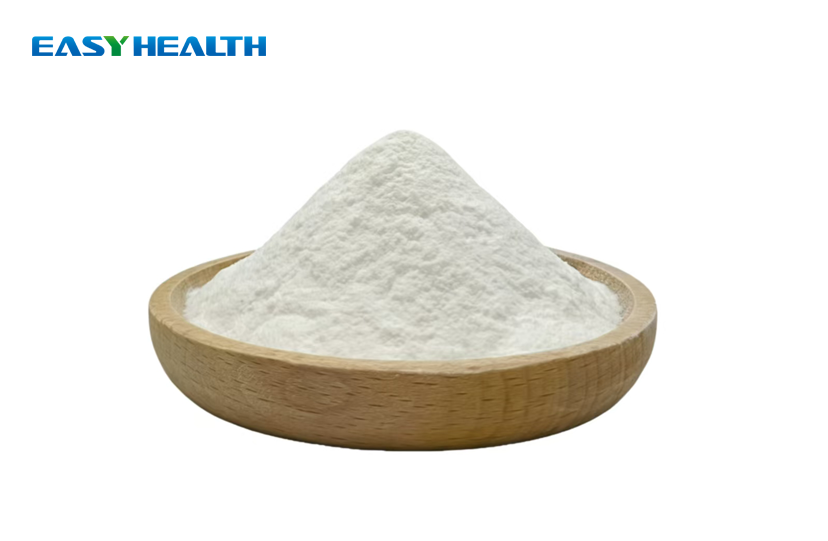
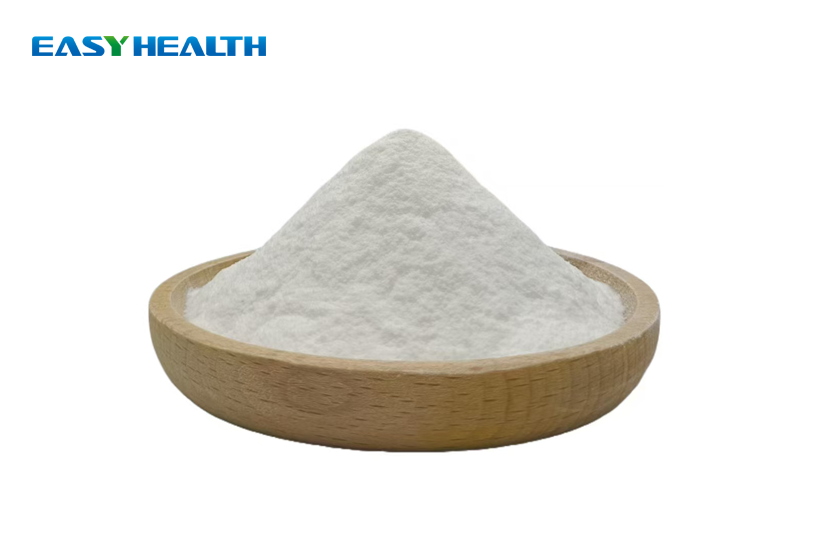
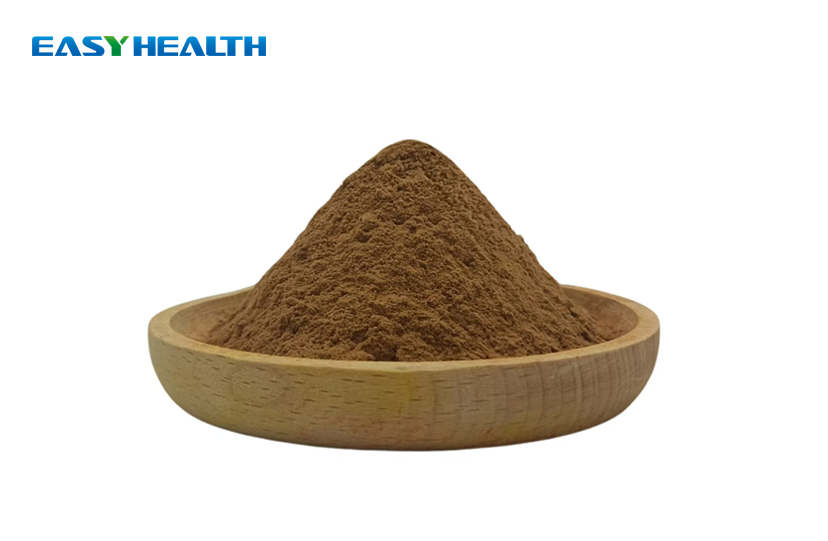
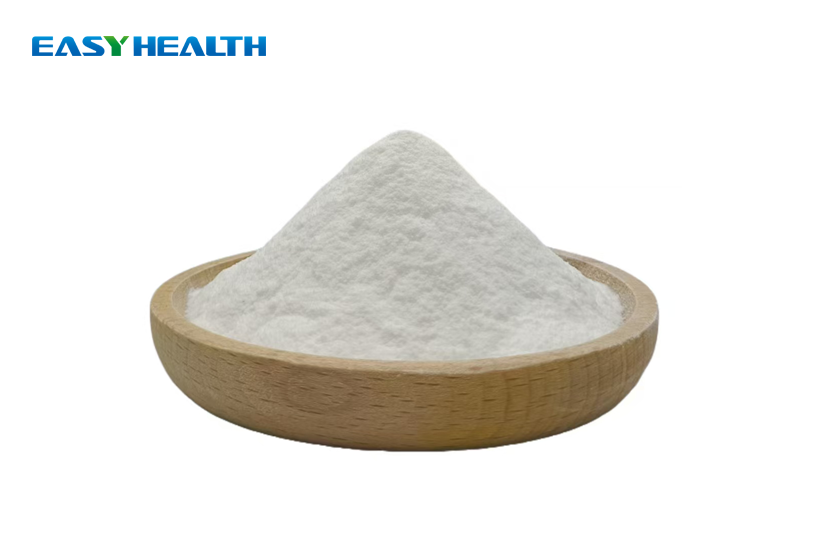
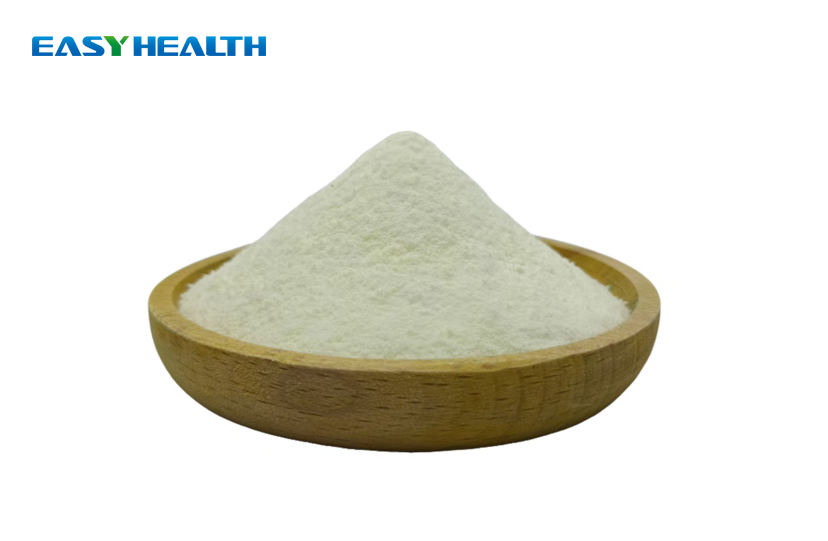
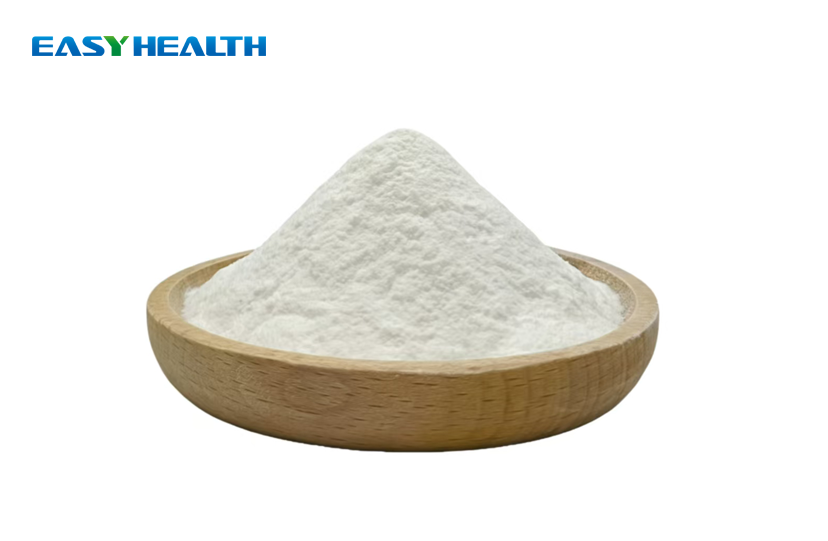
Using spray-drying technology and protected wall materials, Microencapsulated Flaxseed Oil Powder turns liquid flaxseed oil into an ingredient that flows easily and stays solid. Tiny oil drops are surrounded by three layers of modified starch, gum arabic, and cyclodextrin in this process. It blocks air from getting in and hides the oil's naturally fishy and bitter notes with this building design. It turns into a powder that is off-white to light yellow, has less than 1% oil on the surface, and has particles bigger than 40 mesh. This format keeps the purity of ALA while allowing it to be dispersed in cold water and work with dry-blend formulations. It gets around the main problems that stop liquid oils from being used in food making and supplement production.
Comparing Flaxseed Oil and Microencapsulated Flaxseed Oil Powder: Key Differences
Oxidative Stability and Shelf Life
Under rapid testing conditions, liquid flaxseed oil usually has an oxidation stability index of 3 to 6 hours. This means that even in the best conditions for refrigeration storage, it can only be kept for 6 to 9 months. Peroxide formation is sped up by exposure to room temperature during transport or by bad handling, which lowers the safety and effectiveness of the product. Standard single-wall microencapsulation increases OSI to 8–12 hours. Triple-wall systems, on the other hand, achieve over 16 hours, which is the same as twice the oxidation resistance. This means that the shelf life is longer than 18 to 24 months at room temperature, which means that there is a lot less need for a cold chain and a lot less waste from old stock. The protective matrix keeps oxygen from coming into direct contact with ALA molecules. This keeps the peroxide levels below 2.5 mmol/kg for the whole lifecycle of the product.
Sensory Profile and Formulation Versatility
Flaxseed oil is good for you because it has a lot of ALA, but it also has strong fishy, grassy, and bitter tastes that people don't like in supplements and functional foods. Adding liquid oil to flavored drinks or nutrition bars usually needs strong masking agents that raise the cost of the recipe and the number of ingredients it needs. By combining physical refinement and chemical treatment, advanced deodorization cuts off notes in Microencapsulated Flaxseed Oil Powder by 80%. This creates a neutral taste baseline that works with vanilla, chocolate, berry, and other popular flavor profiles. In addition to taste, powder form makes it possible to use it in ways that wouldn't work with liquid oil. For example, dry shake mixes stay homogeneous without oil separation, molded snacks don't get greasy, and tablet compression can happen without lubrication problems.
Logistics and Handling Efficiency
Specialized tools, like food-grade trucks, cold warehouses, and inert gas blanketing systems, are needed to move and store liquid oil. Spilling threats, the need to clean containers, and accurate volumetric measurements all make operations more difficult and expensive. Powder format makes the whole supply chain easier because it ships in standard multi-wall paper bags or fiber drums, doesn't need to be kept at a certain temperature, and can be easily dosed using standard powder handling equipment. Manufacturing teams like that have fewer risks of cross-contamination, line changes are faster, and the system works with the infrastructure they already have for dry ingredients. These logistical benefits are especially important for contract makers who work with many clients or for brands that are growing into foreign markets where the cold chain reliability can vary.
Selecting the Right Product for Your Business Needs
Application-Specific Considerations
Microencapsulated Flaxseed Oil Powder plant-based supplement brands that focus on vegan certification and clean labels benefit from the powder's long-lasting stability, which means they don't need to use artificial antioxidants. Cardiovascular health goods that make ALA content claims need batch-tested materials that are guaranteed to have ALA amounts of at least 55%. This is easier to keep up with when the ingredients are in capsule form. When functional food companies add extra omega-3s to baked goods, cereals, and nutrition bars, they find that powder can handle high temperatures (up to 140°C for extrusion) that would destroy liquid oil. Deodorized powder is necessary for beauty and women's health products that use flaxseed's phytoestrogen content to keep the products looking good. Powder is great for pet food uses that need to stay stable for a long time while being shipped through non-climate-controlled retail routes. This is especially true for premium dog and horse nutrition.
Evaluating Supplier Quality Indicators
Purchasing managers should give more weight to sellers who offer batch-specific gas chromatography testing that confirms the ALA concentration and certificates of analysis that show agreement with ≥55% standards. A surface oil content of less than 1% means that the encapsulation is working well, which stops powder from caking and protects against oxidation. When taken in, the amount of peroxide should be well below the 2.5 mmol/kg limit, and data on predicted stability show that there will be little to no growth over the shelf life. The composition of the wall material is important. Triple-layer systems that use modified starch, gum arabic, and cyclodextrin provide better protection than single-component maltodextrin carriers. Certifications like USDA Organic, EU Organic, Kosher, Halal, and vegan declarations make it easier to get into markets and make label claims that are important for positioning a brand. Lastly, wholesalers who give samples ranging from 500g to 1 kg encourage full formulation testing before committing to bulk orders of 5 to 40 tons, which is what industrial production usually does.
Practical Use Cases and Application Scenarios
Functional Foods and Nutritional Fortification
Microencapsulated Flaxseed Oil Powder mixes easily into breakfast cereals, whereas liquid oil would make them too greasy and quickly go bad when stored at room temperature. Manufacturers of nutrition bars can add omega-3s to their goods without having to keep them in the fridge, which would keep them from selling in convenience stores. Powder is thermally stable, so it keeps its ALA content even after being baked at 180°C for long periods of time, which destroys oil that isn't protected. Ready-to-drink plant-based protein shakes contain powder that gives them a creamy texture and promotes heart health without any phase separation or sedimentation during the 12 to 18 months that consumers expect from shelf-stable drinks.
Dietary Supplements and Clinical Nutrition
Vegan omega-3 capsules use microencapsulated powder as the only alternative to DHA and EPA that come from marine sources. This is done to appeal to the growing number of people who don't want to eat fish oil. The powder format makes it possible to compress formulations that wouldn't work with liquid fill, which increases the number of dosage forms available and lowers the cost of production. Controlled-release and easy processing are good qualities for geriatric and clinical nutrition products. This is especially important for people who have trouble absorbing fat. Powder's stability gets rid of the unpleasant "fish burps" that come with damaged omega-3 products, which makes it easier for patients to follow their heart and inflammation treatments.
Industrial and Specialized Applications
Powder is added to high-end pet foods for horses and dogs that compete to keep their coats healthy and their joints strong. This gives the food long-term security through wider spread. When contract makers work with more than one brand, they like how powder can be packed in capsules, sachets, and sticks using the same processing equipment. Flaxseed's omega-3 and lignan content are used in hair care and anti-aging creams, and the powder form keeps the finished product from turning brown from oxygen and keeps it stable longer than liquid oil can.
Procurement Guidance: Where and How to Source Quality Microencapsulated Flaxseed Oil Powder
To find trustworthy suppliers, you need to look at their manufacturing skills beyond the basic product specifications. Look for partners who keep up-to-date spray-drying equipment that is built for Microencapsulated Flaxseed Oil Powder packaging. This will make sure that the particles have the same shape and that there is little oil on the surface. As part of quality systems, each batch should be able to be tracked from the source of the seeds to the final packing. There should also be testing procedures for fatty acid profile, oxidative markers, microbiological safety, and heavy metal contaminants. Formulation support from suppliers can help you get the best powder incorporation rates, hydration methods, and compatibility with other materials for your application.
Bulk procurement strategies should balance cost-effectiveness and supply security. Annual contracts with deliveries every three months lower the price per kilogram while keeping your inventory fresh and in sync with your production schedules. Setting up secondary suppliers lowers the risk of regional supply disruptions, but qualification processes need thorough testing to make sure that products can be used interchangeably. Payment terms, lead times, and minimum order quantities vary a lot from one supplier to the next. For example, European and North American producers usually need 4-6 weeks to make something to your exact specifications, while well-known Asian producers may be able to offer 2-3 weeks and more flexible MOQs starting at one-ton orders.
Conclusion
Microencapsulated Flaxseed Oil Powder gets around the basic problems that make it hard to use liquid oils in making modern foods and supplements. The triple-wall capsule technology provides oxidative stability for more than 16 hours of OSI, gets rid of unpleasant sensory properties, and makes operations easier by creating an ambient-stable powder format that flows freely. Plant-based brands, companies that make supplements for the heart, and companies that make functional foods can use this oil in a lot of different ways. It also has a longer shelf life and works better with the supply chain than regular liquid oil. You should choose based on the needs of the application. Liquid oil is still good for immediate use with controlled storage, but the powder format is better for large-scale production, international distribution, and consumer goods that need to be stable over time.
FAQ
1. What specific advantages does encapsulated powder offer over liquid flaxseed oil?
Microencapsulated Flaxseed Oil Powder offers more than twice the oxidative stability thanks to protective wall materials that stop peroxide from forming and increase the shelf life to 18 to 24 months without refrigeration. The encapsulation process gets rid of 80% of the fishy smell, which makes supplements and functional foods more appealing to consumers. When liquid oil doesn't work, powder can be added to dry-blend mixtures, pressed into tablets, or processed at high temperatures.
2. How does the triple-wall system improve oxidation resistance?
Modified starch gives structural strength, gum arabic makes an oxygen barrier that is only partially permeable, and cyclodextrin binds to volatile compounds. When compared to single-wall systems, this layered design cuts the rate of oxygen transfer by 60%, getting OSI values of more than 16 hours compared to 8–12 hours for standard encapsulation. As a result, the product has a stable shelf life and keeps its nutritional value while it is being shipped.
3. Can microencapsulated powder work in cold-water applications?
Yes, powder that is properly made with 50% oil loading and controlled particle size distribution does dissolve easily in cold water. It forms stable emulsions that can be used in protein shakes and quick drink mixes. A surface oil content of less than 1% keeps the mixture from sticking and makes sure it absorbs water quickly, without the need for hot water or rough mixing.
Partner with Easy Health for Premium Flaxseed Oil Solutions
Easy Health is a specialized company that makes pharmaceutical-grade Microencapsulated Flaxseed Oil Powder that has at least 55% ALA content and is backed by GC testing that is done on each batch. By combining modified starch, gum arabic, and cyclodextrin in our triple-wall packaging method, we can get OSI values higher than 16 hours and cut the smell by 80%. We support clean-label positioning in markets around the world by having ISO, USDA Organic, Halal, and Kosher certifications. Our technical team can help with all aspects of formulation, and we keep stock on hand so that we can ship right away. For custom orders, it takes 3–5 days. Our OEM services are flexible enough to meet the needs of plant-based brands, cardiovascular supplement lines, and functional food makers, whether they need 500g samples for testing or a multi-ton business supply. Contact our team at devin@easyhealthbio.com to discuss your unique needs and get detailed information about our advanced flaxseed oil powder supplier services.
References
1. Smith, A.L., & Johnson, K.M. (2021). Microencapsulation Technologies for Omega-3 Fatty Acid Stabilization in Functional Foods. Journal of Food Science and Technology, 58(4), 1287-1302.
2. Rodriguez, P.C., et al. (2020). Comparative Oxidative Stability of Plant-Based Omega-3 Sources: Liquid Oils Versus Encapsulated Powders. Lipid Technology Review, 32(2), 45-59.
3. Chen, W., & Davis, R.H. (2022). Alpha-Linolenic Acid Retention During Thermal Processing: Impact of Encapsulation Strategies. Food Chemistry Advances, 15(3), 678-691.
4. Martinez, L.F. (2019). Sensory Optimization of Flaxseed Oil in Dietary Supplements Through Advanced Deodorization. Nutraceutical Product Development Quarterly, 7(1), 112-128.
5. Thompson, D.J., et al. (2023). Supply Chain Efficiency in Omega-3 Ingredient Procurement: Liquid Versus Powder Formats. International Journal of Food Distribution, 19(2), 203-218.
6. Anderson, K.P., & Liu, X. (2020). Vegan Omega-3 Fortification Strategies for Plant-Based Nutrition Products. Functional Foods in Health and Disease, 10(8), 332-349.

_1784173402819.webp)