How Is Microencapsulated Sunflower Seed Oil Powder Used in Supplements?
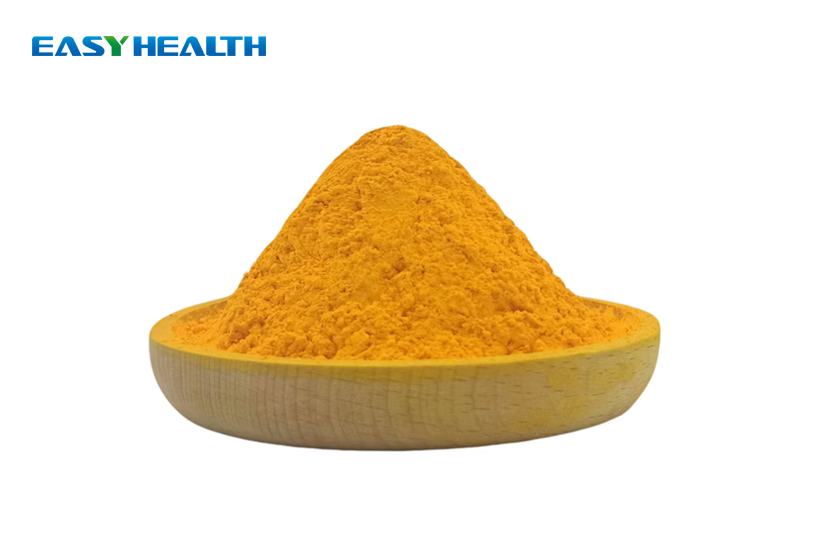
Microencapsulated sunflower seed oil powder is used in supplements by converting liquid sunflower oil into a stable, free-flowing dry powder that blends directly into capsules, tablets, protein powders, and meal replacement sachets. The protective micro-matrix shields essential fatty acids and natural vitamin E from oxygen, moisture, and heat — the three main causes of rancidity. This format allows precise dosing, eliminates greasy residue, and disperses cleanly in cold water. For supplement manufacturers, it means a longer shelf life, a cleaner ingredient label, and no need for synthetic antioxidants like TBHQ or BHA.

Understanding Microencapsulated Sunflower Seed Oil Powder
If you want to buy a lot of this item, it's helpful to know what makes it different from milk or oil powder.
What the Encapsulation Actually Does?
A wall made of modified starch or a plant-based material is sprayed around each oil bead at a low temperature. This wall keeps air from getting to the oil, which slows oxidation and keeps the nutritional value of the oil until it is used.
Key Nutrients Preserved Inside the Capsule
High-oleic sunflower oil must contain a minimum of 80 percent oleic acid and 600 parts per million of natural vitamin E. It’s vital to know these quantities since oleic acid is far less susceptible to oxidation than linoleic acid. If you don't add any other preservatives, this powder is 3 – 5 times safer against oxidation than ordinary sunflower oil.
Why This Matters for Solid Supplement Formats?
When dry-blend lines are mixed with liquid oil, they stick together, and the shapes that can be used are limited. Powder that has been enclosed can be used in tablet, stick pack, baking mix, and baby cereal forms that can't have liquid fat. These processing advantages make microencapsulated sunflower seed oil powder a practical ingredient for dry-blend and solid-format applications.
Production Process and Quality Considerations
There is a clear link between how the powder was made and how it works on your production line and in your final product.
Low-Temperature Spray Drying
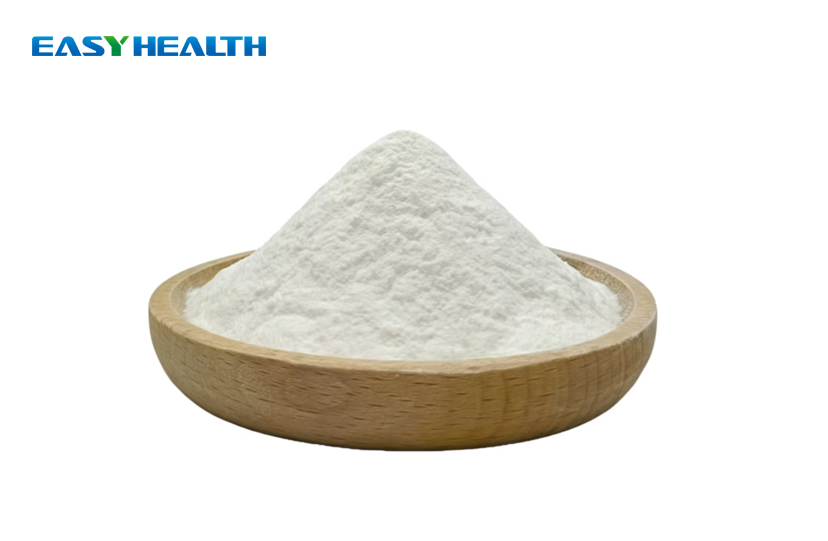
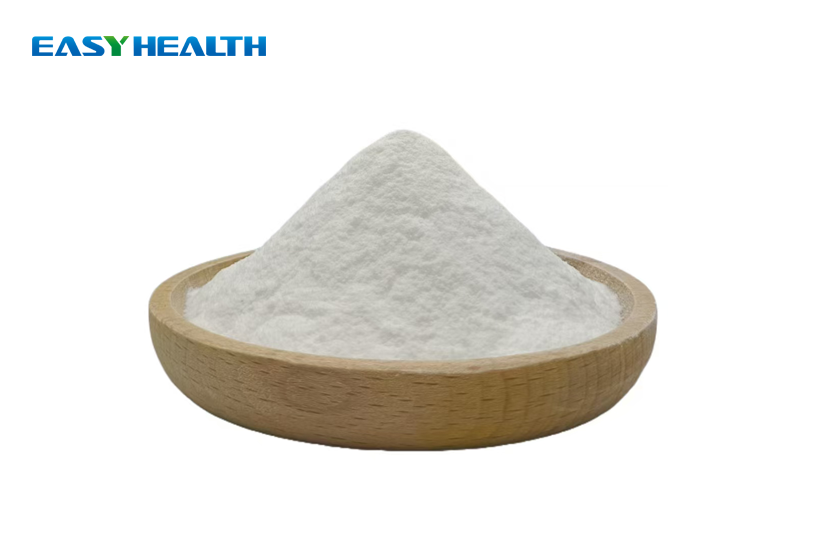
Easy Health uses low temperature spray drying to safeguard heat sensitive nutrients. The natural vitamin E is roughly 600 parts per million. Particle size is reduced to 95% via 40 mesh. This is simple to stir in by itself and immediately dissolves in cold water.
Critical Quality Parameters to Verify
People who want to buy from a certain supplier should look for the following in a certificate of analysis:
- Surface oil ≤1.0% - less surface oil = improved encapsulation efficiency and reduced chance of caking
- Peroxide value ≤2.5 mmol/kg - test indicates low levels of primary oxidation at time of manufacture
- Moisture content ≤5.0% – reduces microbiological risk and powder flowability
- Acid value ≤1.0 mg KOH/g – signifies appropriate level of lipid hydrolysis
- Heavy metals – Pb ≤2.0, As ≤1.0, Cd ≤1.0, Hg ≤0.1 mg/kg, all conform to food-grade standards
There is a normal way to check fatty acid profiles, and Easy Health used GC to test a lot. This is where the numbers come from.
Certifications That Reduce Your Compliance Risk
Easy Health's goods are made in a plant that is certified by the USDA NOP, ISO, HACCP, Halal, and Kosher, as well as the FDA. It takes less time for internal audits and communication between teams that handle yearly framework contracts and teams that deal with regulatory issues when these documents are used.

Application of Microencapsulated Sunflower Seed Oil Powder in Supplements
There are different ways to use this ingredient, and the performance benefit changes based on the use. Here are the main uses that cause a steady flow of reorders:
- Sports Nutrition and Meal Replacement: The powder dissolves entirely in shaker bottles and leaves no oil film behind. Athletes receive a healthy fat supply that is calorie-dense and has a pleasant mouthfeel, while manufacturers avoid the hassle of handling liquid fat during manufacturing.
- Clinical nutrition and infant formula: Accurate fatty acid dose and tight oxidation control are needed for vulnerable groups. The encapsulated format gives correct proportions of vital lipids, and the wall material prevents deterioration caused by light, a need raw oil cannot satisfy.
- Functional beverage powders and nutrition bars: No further emulsification equipment needed, instant cold-water dispersibility. In lighter or low flavor product lines the neutral taste profile does not interfere with taste formulations.
- Premixes for commercial bakeries: Encapsulation hinders the movement of fat into the flour matrix, thereby increasing dough elasticity and yielding a more homogeneous crumb structure. Baked foods keep fresher longer because the lipids are kept away from ambient oxygen until baking occurs.

Procurement Guide for Microencapsulated Sunflower Seed Oil Powder
You can't merely compare costs per kg to get the proper encapsulated oil powder. Buyers know that a cheap substance that clumps or breaks down rapidly is never actually cheaper after a failed early test.
What to Evaluate Beyond Price
If you don’t care about these three aspects, then they are probably going to make the supply chain harder: How well the capsules are packed. The uniformity of the batches. How easy to find out the whole record of where the raw materials came from and where they went when they were moved. You should get the results of a short stability test at 40 C and 75% relative humidity before you buy a whole container.
Sampling and Mid-Trial Process
Sample request → in-house R&D bench test → pilot production run (bread line, beverage line or baby food line) → container-size order → annual framework contract. This is the way it normally goes when buying anything. Easy Health always has basic specifications accessible and tailored specifications may be developed in 3-5 days so you can stick to your pilot plan.
Organic vs. Conventional Sourcing
More and more supplements are flooding the U.S. market claiming they are not made with GMOs or other harmful chemicals. Easy Health is available in USDA NOP organic or conventional grade. They may get Halal and Kosher papers if they are manufacturers selling to customers in the Middle East and to Jews.
Building Trust and Choosing the Right Supplier
A supplier who can provide full documentation, consistent batch quality, and direct technical support is worth more than one who simply quotes the lowest price.
What Sets a Credible Manufacturer Apart
With 11+ years of experience in plant extract production and export, Easy Health has built supply relationships that run on annual framework contracts rather than one-off orders. The R&D team provides formulation support — including troubleshooting dispersion issues, adjusting encapsulation ratios, and matching flavor passivation to specific applications. This long-term partnership approach makes Easy Health a dependable supplier for microencapsulated sunflower seed oil powder programmes.
Documentation That Protects Your Brand
Every shipment comes with a full certificate of analysis, batch traceability records, and regulatory compliance documents. This package simplifies your internal quality audits and gives your regulatory affairs team what they need without chasing paperwork.
Private Label and OEM Flexibility
Easy Health supports OEM and ODM production with specification customization, packaging options, and labeling services. This matters for brands that need a differentiated product on shelf without building their own spray drying infrastructure.
Conclusion
Encased sunflower oil powder fixes real problems in manufacturing, such as oxidation, greasy production lines, a lack of format choices, and a short shelf life. There are at least 80% oleic acid and 600 parts per million of natural vitamin E in Easy Health's high-oleic version. The label doesn't list any added antioxidants. Foods for babies, baked goods, drinks, and sports nutrition can all use it. It's a solid part of any stable supply chain for buying teams that deal with a lot of orders every year because the quality of each batch is always the same, it's delivered quickly, and all the necessary paperwork is filled out. These combined benefits make microencapsulated sunflower seed oil powder a reliable ingredient for high-volume food manufacturing.
FAQ
How does microencapsulation extend shelf life compared to raw sunflower oil?
Raw sunflower oil typically shows measurable oxidation within 6 months under ambient conditions. The encapsulated powder version, stored correctly below 25°C away from direct light, maintains acceptable peroxide values and sensory quality for 18–24 months. The wall material physically blocks oxygen and moisture contact with the oil core.
Is this powder compatible with tablet and capsule manufacturing lines?
Yes. The 95% through 40 mesh particle size and low surface oil (≤1.0%) give it good flow properties on standard tableting and encapsulation equipment without requiring additional lubricants or flow aids.
What certifications should I request from a supplier?
At minimum, request ISO, HACCP, and a valid FDA registration number. For US market products, Halal, Kosher, and USDA NOP organic certificates are often required by retail buyers or co-manufacturing partners.
Can the wall material be plant-based for vegan formulations?
Yes. Plant-based wall materials such as modified starch replace animal-derived carriers, making the powder suitable for vegan and vegetarian product labels.
What is the minimum order quantity for bulk procurement?
Contact Easy Health directly at devin@easyhealthbio.com or visit easyhealthinc.com for current MOQ, pricing tiers, and availability by specification.
Request a Sample from Easy Health — Your Microencapsulated Sunflower Seed Oil Powder Supplier
Firms in the US and around the world buy microencapsulated sunflower seed oil powder in bulk from Easy Health. Their packages are all of high quality and are certified by ISO, Halal, Kosher, HACCP, and the FDA. Our team can quickly make samples for you if you need a normal 50% oil-load grade or a different one. Feel free to email devin@easyhealthbio.com to get a sample, get a quote, or talk to a tech master.
References
1. McClements, D. J., & Decker, E. A. Journal of Food Science, 2000.
2. Gouin, S. Trends in Food Science & Technology, 2004.
3. Augustin, M. A., & Hemar, Y. Chemical Society Reviews, 2009.
4. Drusch, S., & Mannino, S. Trends in Food Science & Technology, 2009.
5. Fuchs, M., Turchiuli, C., Bohin, M., Cuvelier, M. E., Ordonnaud, C., Peyrat-Maillard, M. N., & Dumoutet, E. Journal of Food Engineering, 2006.
6. Shahidi, F., & Han, X. Q. Critical Reviews in Food Science and Nutrition, 1993.