What Is Microencapsulated Arachidonic Acid Oil Powder?
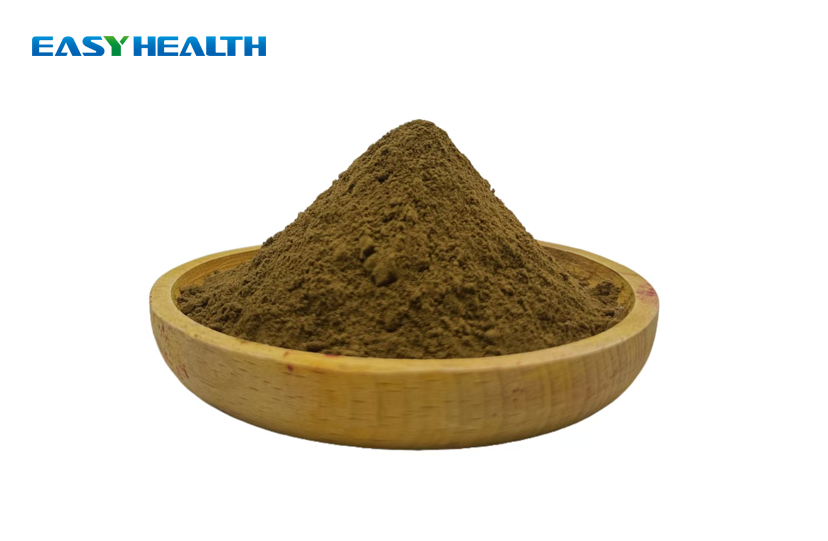
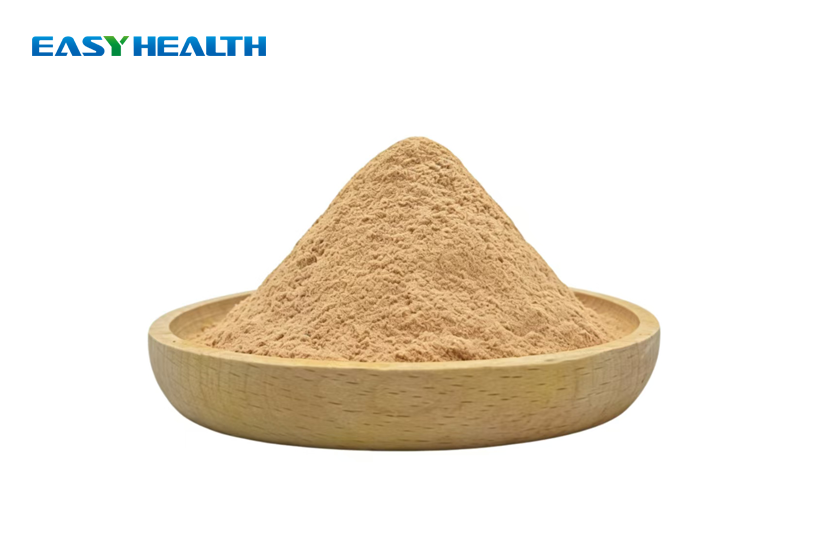
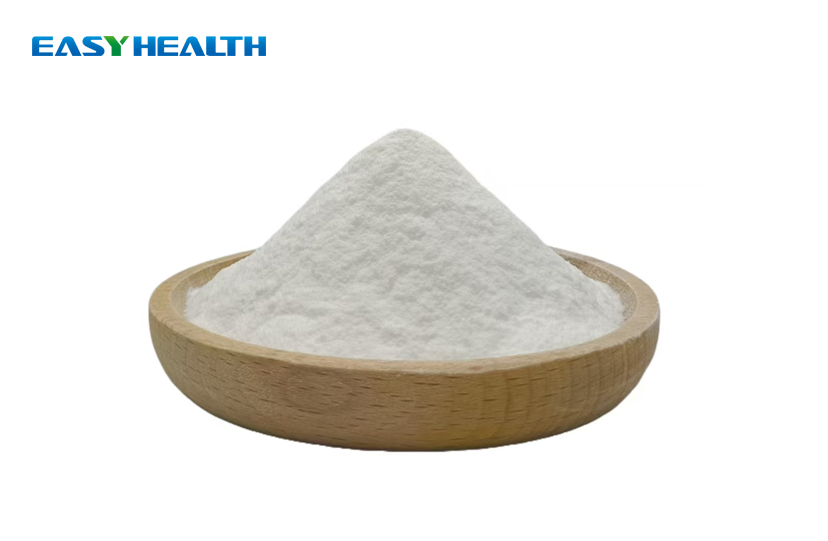
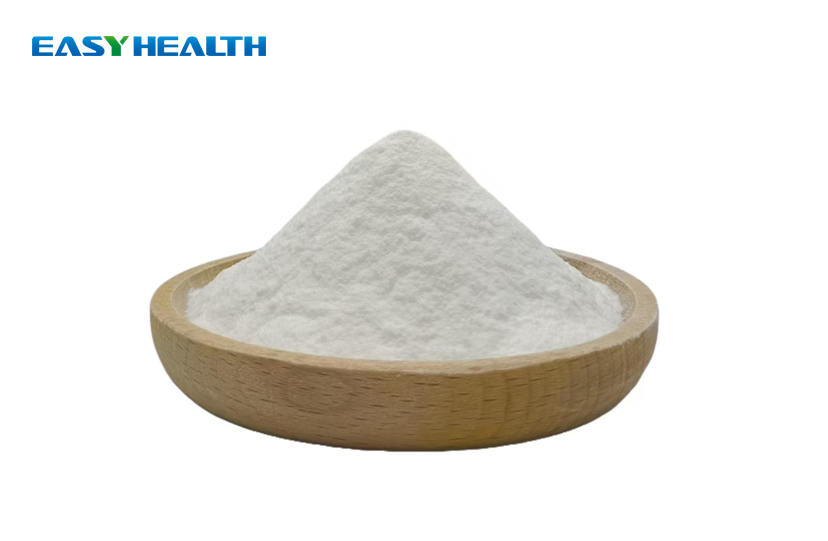
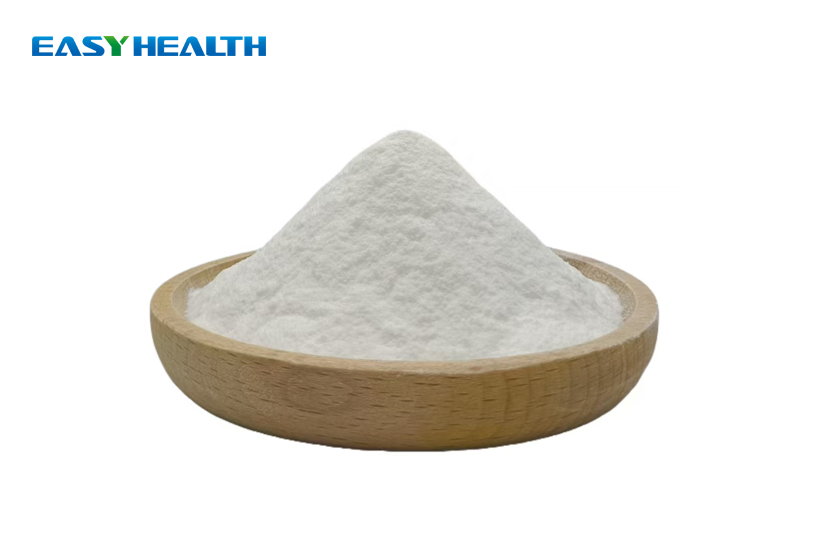
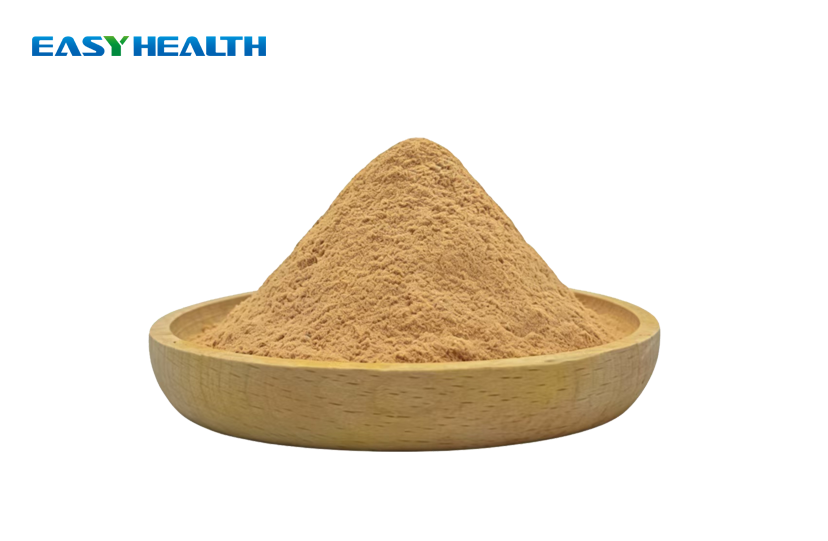
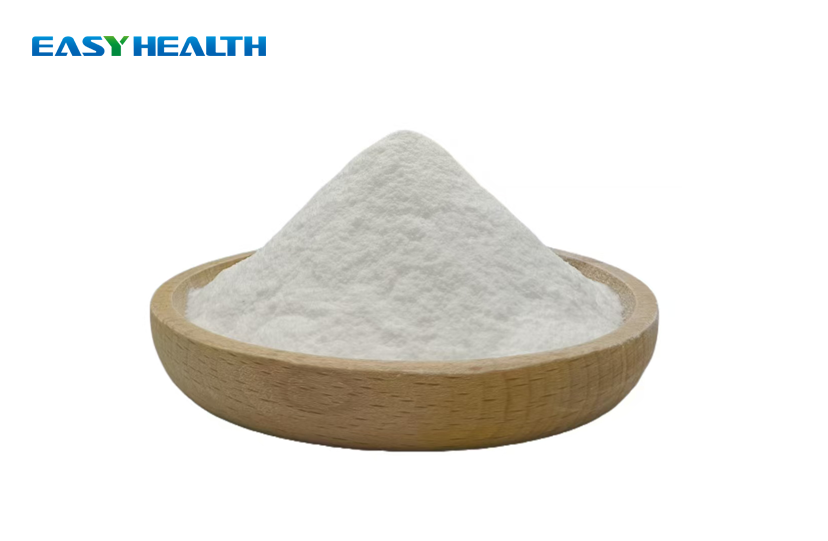
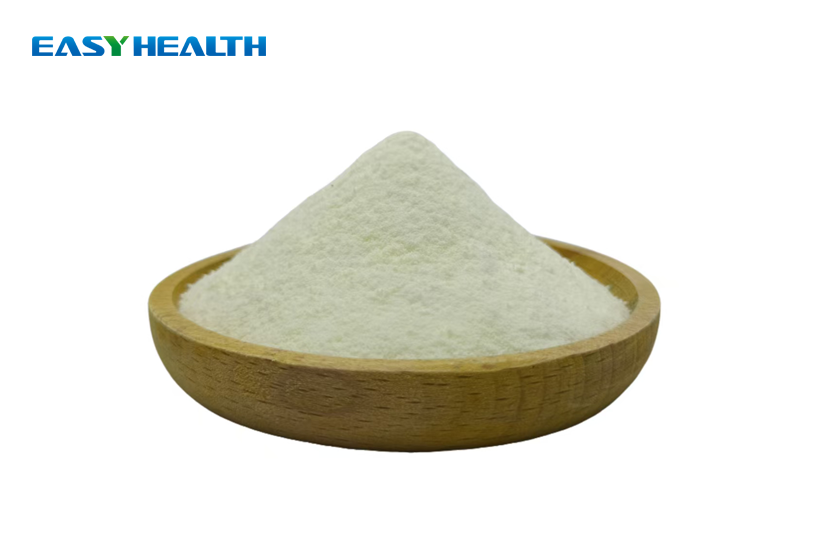
Microencapsulated arachidonic acid oil powder is a precision-engineered nutritional ingredient produced by embedding refined ARA oil—derived from Mortierella alpina fermentation—within a protective polymer matrix through advanced spray-drying technology. This process converts an unstable, highly unsaturated liquid oil into a stable, free-flowing powder. The encapsulation shell shields the omega-6 fatty acid from oxidation, heat, and light while enabling dry-blend compatibility in infant formula manufacturing. The result is an ingredient that delivers consistent ARA potency, neutral sensory profile, and extended shelf life—critical requirements for infant formula, clinical nutrition, and functional food production at industrial scale.
Understanding Microencapsulated Arachidonic Acid Oil Powder
ARA (CAS No. 506-32-1) is a long-chain polyunsaturated omega-6 fatty acid that is naturally found in breast milk. It is an important part of how babies' brains grow, how their eyes work, and how their immune systems develop. The European Food Safety Authority (EFSA) and Codex Alimentarius are two regulatory groups that agree that ARA is a conditionally essential vitamin for babies younger than 12 months.
ARA is chemically weak when it is in the form of raw oil. Because it has four double bonds, it is very easily broken down by oxygen, which means it can't be directly used in dry-powder production settings. This problem can be fixed by precisely spray-drying a food-grade wall matrix around the oil. This wall matrix is usually made up of modified starch and gum arabic. The Microencapsulated arachidonic acid oil powder particle size is best between 150 and 400 microns, which makes it easy for automatic dosing systems to spread the particles evenly and let them flow easily.
Why Raw ARA Oil Falls Short in Industrial Manufacturing?
Formulators who work with raw ARA oil have to deal with four production problems that keep happening. The fatty acid breaks down during mixing and storage because of oxidative instability. The unique fungal-metallic smell makes finished products less enjoyable to smell and taste. Bioactive power is lost when liquid is injected during high-heat processes. Minerals or vitamins in complex materials can react with exposed lipids in a way that speeds up rancidity. All four problems are taken care of by microencapsulation, which turns a volatile ingredient into a powder that is ready to be manufactured and has a shelf life of 18 to 24 months at room temperature.
Benefits and Applications of Encapsulated ARA Powder
Because Microencapsulated arachidonic acid oil powder works better, there is less risk in production and the label claims are stronger. Here are the main functional benefits of this ingredient that make it essential in many nutrition fields:
- Oxidative protection: The nitrogen filling in the double-layer microencapsulation keeps peroxide levels below 0.5 meq/kg, which is five times lower than the standard industry limit. This keeps the food from going rancid throughout the supply chain.
- Surface oil control: Keeping the amount of surface oil at ≤1.0% makes sure that the powder flows smoothly, keeps it from sticking together in bins and hoppers, and shows that the sealing is strong across all production lots.
- Cold water dispersibility: The powder dissolves quickly in cold water and doesn't leave behind any oily residues. This means it can be used with enteral feeding systems, ready-to-mix sachets, and high-speed blending lines.
- Taste masking: The encapsulation shell cancels out the metallic smell that comes from raw ARA oil. This keeps sensitive products like baby formula and nutrition drinks for the elderly from having a bad sensory profile.
- Dry-blend compatibility: Processing happens without adding fluids, so high temperatures don't break down the materials. This makes it easy to add to dry-mix production lines that are already in place.
In a wide range of important situations, these benefits are useful. Infant formula makers use Microencapsulated arachidonic acid oil powder for Stages 1–3 powders because the brain and retina need exact fatty acid levels for growth. The neutral taste and tube-compatible dissolution are good for clinical nutrition makers who make enteral feeds and specialty products for elder care. Functional food companies use it in fortified cereals and meal replacements, but the label claims about how effective it is must not be affected by mechanical shear during extrusion. Premium pet food brands that focus on joint and brain health also use the ingredient because it is more bioavailable than oils that aren't contained.
How to Choose the Right ARA Powder Supplier?
Choosing a Microencapsulated arachidonic acid oil powder ingredient is not like choosing any other ingredient. Once a formula gets regulatory registration, baby formula makers can't change suppliers. This makes the initial qualification step the most important procurement decision in the process. Teams in charge of buying things and quality assurance should carefully look at the following criteria:
Source Origin and Fermentation Purity
Do not allow any cheaper plant-based oils to be mixed with the 100% deep-liquid fermentation of Mortierella alpina. When sources are mixed, they create different fatty acid ratios that make it hard to be consistent from batch to batch and raise labeling compliance risks. Every batch of products should go through Gas Chromatography (GC) testing to make sure they meet the ARA specifications and don't make any trans-fatty acids.
Batch Consistency and Oxidation Data
The ARA difference between batches shouldn't be more than 1%. Along with real-time shelf-life study results from Rancimat tests, suppliers must give full OSI accelerated oxidation data, not just theoretical stability predictions. Every Certificate of Analysis should come with a report on the peroxide value, the acid value, and the anisidine value.
Infant-Grade Microbiological and Contaminant Standards
For infant-grade qualification, 30g samples must be negative for Cronobacter sakazakii and 25g samples must be negative for Salmonella. There must also be strict screening for Glycidyl Fatty Acid Esters (GE) and 3-MCPD, which are contaminants that pose specific safety risks to infants. Any supplier who can't show these results should be immediately disqualified.
Certifications are just as important. For products to be sold around the world, especially in the Middle East, Southeast Asia, and Latin America, they must have at least ISO approval, GMP compliance, Halal, Kosher, non-GMO labels, and allergen statements.
Bulk Purchasing and Supply Chain Considerations
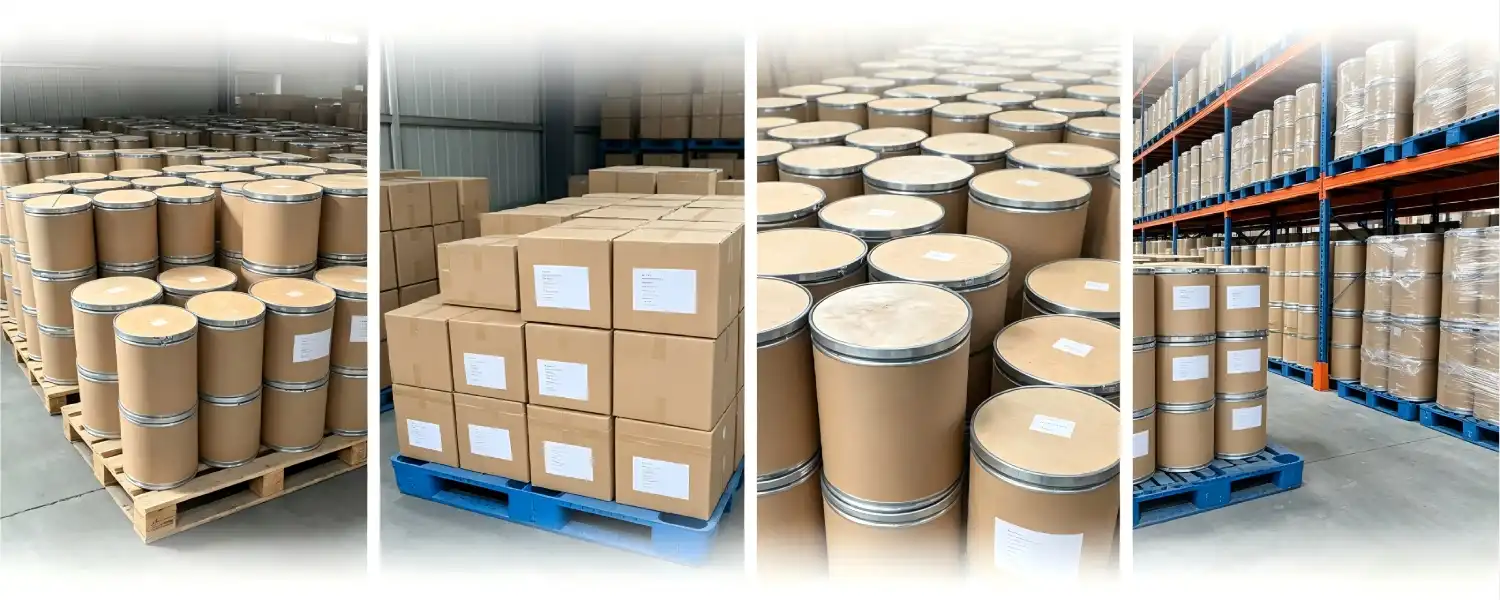
Supply continuity is just as important for industrial buyers as product quality. During peak production season, a single supply disruption can lead to recipe changes, new filing with the government, and a lot of brand risk. Working with a supplier that keeps stock on hand and confirms lead times is not just a matter of convenience; it is a strategic risk management choice.
Full documentation packages that include heavy metal analysis, microbiology certification, a non-GMO statement, an allergen declaration, and samples that can be tracked back two years give QA teams the audit trail they need for regulatory submissions in more than one jurisdiction.
The Microencapsulated arachidonic acid oil powder form gives a better return on investment (ROI) than liquid ARA oil. An extended ambient shelf life of 18–24 months cuts down on the need for cold chains and waste from oxidation that happens too soon. With dry-blend processing, you don't have to buy any extra tools like you do with liquid injection methods. For companies that make a lot of infant formula, these operational savings add up to a lot over the course of a year.
Conclusion
The current standard for infant-grade omega-6 ingredient performance is Microencapsulated arachidonic acid oil powder made from Mortierella alpina fermentation. The main problems with making raw ARA oil are fixed, and the batch consistency, oxidation control, and level of paperwork needed for regulation compliance are met. The best supplier partnership for R&D formulators, QA auditors, and procurement managers who have to deal with baby formula registration cycles is not a short-term relationship with a vendor, but a quality promise that is built into the formula of your product for many years.
FAQ
What is the typical ARA content in encapsulated ARA powder?
Gas Chromatography checks every output lot to make sure that the normal range of 10% to 20% active ARA content is met.
How long is the shelf life of encapsulated ARA powder?
When kept in its original nitrogen-flushed, vacuum-sealed packaging at room temperature, Microencapsulated arachidonic acid oil powder has a shelf life of 18–24 months, which is a lot longer than the 3–6 month window for raw ARA oil.
Can the powder be used in halal and kosher-certified products?
Yes, as long as the seller has proper Halal and Kosher certifications and the wall materials are made from ingredients that are in line with the rules. Always ask for up-to-date proof of qualification.
Is Cronobacter sakazakii testing mandatory for infant-grade qualification?
Yes, all products used to make baby formula must go through a microbiological test to make sure they don't have Cronobacter sakazakii in 30g samples.
Does microencapsulation affect ARA bioavailability?
According to research, digestive enzymes easily break down food-grade encapsulation wall materials in the digestive system. This lets ARA be absorbed at the same rate as oil that isn't enclosed.
Partner with Easy Health — Trusted Microencapsulated Arachidonic Acid Oil Powder Manufacturer
Every batch that Easy Health makes is backed by their more than 11 years of experience with fermentation and their ISO, Halal, and Kosher certification. Our Microencapsulated arachidonic acid oil powder has a variation of less than 1% from batch to batch, a peroxide level usually below 0.5 meq/kg, and full infant-grade paperwork, such as a COA, OSI data, GE/3-MCPD screening, and full tracking. Today, ask for your technical sample and evaluation package. Talk to our team at devin@easyhealthbio.com or go to easyhealthinc.com to start picking suppliers.
References
1. Koletzko, B., et al. "Long-chain polyunsaturated fatty acids and infant development." European Journal of Nutrition, 2020.
2. Hadley, K. B., et al. "The essentiality of arachidonic acid in infant diets." Advances in Nutrition, 2016.
3. European Food Safety Authority (EFSA). "Scientific opinion on the essential composition of infant and follow-on formulae." EFSA Journal, 2014.
4. Codex Alimentarius Commission. "Standard for infant formula and formulas for special medical purposes intended for infants." Codex Stan 72-1981, revised 2021.
5. Villeneuve, P., et al. "Oxidative stability of microencapsulated polyunsaturated fatty acids." Journal of the American Oil Chemists' Society, 2018.
6. Jacobsen, C. "Oxidative stability and shelf life of encapsulated omega-3 and omega-6 fatty acid products." Food Chemistry, 2015.

_1784173402819.webp)