What Is Coconut Oil Powder, and How Is It Made?
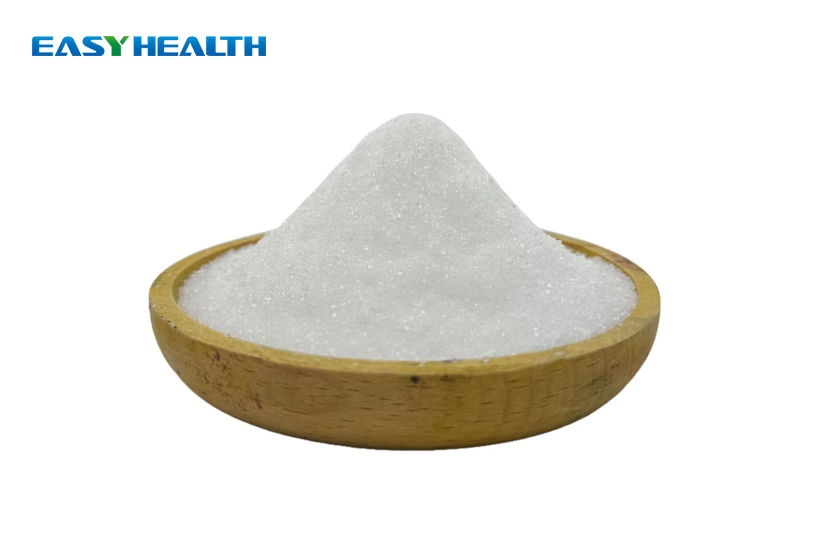
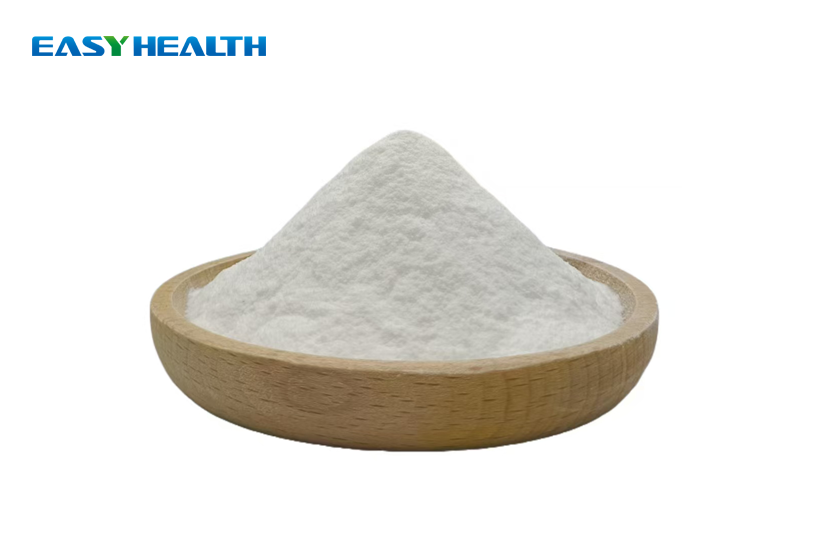
Coconut oil powder is a shelf-stable, free-flowing ingredient produced by converting liquid coconut oil into a dry matrix using encapsulation or spray-drying technology. Among the most advanced forms on the market today, MCT microencapsulated coconut oil powder embeds purified Medium Chain Triglycerides (MCTs) — sourced exclusively from Cocos nucifera L. — within a protective wall material, yielding a white to off-white powder (CAS No. 73398-61-5) that disperses uniformly in cold water within 30 seconds. This format eliminates the oxidative and handling challenges of raw liquid MCT oil while delivering precise, consistent dosing for industrial formulation.

What Is MCT Microencapsulated Coconut Oil Powder?
The Science Behind Microencapsulation
We encapsulate an active lipid core, in this example MCT oil from 100% coconut oil, within a food-grade wall matrix of acacia fibre, modified starch or sodium caseinate using a particle engineering approach called microencapsulation. The microcapsule obtained is stable and protects the oil from air, moisture and heat during storage and processing. Quality standards of surface oil content are significant. Our requirement is that this is <=1.0% and it is strongly related to shelf life and oxidative stability (Peroxide Value <=2.5 mmol/kg).
How MCT Powder Differs from Standard Coconut Oil Powder?
Standard coconut oil powders typically contain all of the fatty acids of coconut oil, including the long-chain triglycerides. MCT-rich versions focus on C8 (Caprylic Acid) and C10 (Capric Acid) which are absorbed through the portal vein and metabolised by the liver without the need for bile salt emulsification. MCTs are a common energy source for those on ketogenic diets, sports and therapeutic nutrition because of that biochemical shortcut. Our 50% and 70% requirements provide formulators with a definitive C8+C10 ratio so they know that the metabolic performance of each batch will be consistent.

How Is MCT Microencapsulated Coconut Oil Powder Made?
The manufacturing process for MCT microencapsulated coconut oil powder begins with checking the raw materials. We only use 100% coconut oil in our production. We never use palm oil or oil from a mix of sources. This is a quality choice that was made on purpose: palm-derived MCT powders often have flavor notes that linger and don't meet clean-label standards in the US and EU markets.
The main steps are listed below:
- Emulsification: Under controlled temperature and pressure, purified MCT oil and the chosen wall material are mixed together to make a stable oil-in-water emulsion with evenly distributed particles (95% through 40 mesh).
- Spray Drying: The emulsion goes into a heated drying chamber through a high-pressure atomizer. Each microcapsule turns into a separate, free-flowing particle with a moisture content of about 5% when it evaporates quickly.
- Quality Inspection: Each batch goes through Gas Chromatography (GC) to make sure the C8/C10 fatty acid ratio is correct, microbiological screening (Total Plate Count ≤1,000 cfu/g; Salmonella negative/25g; E. coli negative), and heavy metal analysis (Pb ≤2.0 mg/kg; As ≤1.0 mg/kg; Hg ≤0.1 mg/kg).
It's important to note that our 50% and 70% MCT load standards use the same wall materials and encapsulation method. This gets rid of the differences in batch stability that purchasing managers often see when they switch concentration grades with different providers.
The finished powder is dry, free-flowing, and doesn't stick or clump together. This physical feature makes it easy to use automatic filling lines and continuous blending operations.
Applications and Use Cases in the B2B Sector
Ketogenic and Sports Nutrition Formats
Rapid ketone body increase is what keto energy bars, MCT microencapsulated coconut oil powder blends, and post-workout recovery drinks need to work well. MCTs do this by going around the way that long-chain fats move through the lymphatic system. A review published in 2021 in Nutrients confirmed that taking C8-dominant MCT supplements raises plasma ketone levels in a meaningful way within 30 to 60 minutes of consumption. This is a key functional claim for sports nutrition brands.
Infant Formula and Clinical Nutrition
MCT-based ingredients provide easy access to calories without putting too much strain on the digestive system for premature babies and people who have problems absorbing fat. Our standard for coconut-derived ingredients meets the purity needs of infant formula makers, who need to be able to track their sources and stick to set C8/C10 ratios to follow rules like FDA 21 CFR Part 107.
Instant Beverage and Functional Food Formats
The biggest technical problem with quick powder drinks is that they don't mix well with cold liquids. We improved our microencapsulation method so that it can fully dissolve in cold water in 30 seconds, without the need for a mixer. This directly meets the needs of companies that make bulletproof coffee, MCT-enhanced matcha blends, and meal replacement shakes for both production and customer experience. Also, dairy processors and yogurt makers are adding MCT coconut powder to functional fermented foods to make claims about being full last longer.
MCT Microencapsulated Powder vs. Other Delivery Forms
When buying teams compare delivery forms, they look at three factors: how easy it is to handle, how well it works with other formulations, and how stable it is against oxidation.
Although liquid MCT oil is bioavailable, it is very hard to make dry blends because it clumps up base powders, shortens the shelf life of products by oxidizing lipids, and needs extra steps to be taken during production to emulsify them. Softgel pills make it easier to handle, but they aren't very flexible when it comes to food and drinks.
MCT microencapsulated coconut oil powder is in a different performance level. Because it has less than 1% oil on the surface, it can be stored normally for up to 24 months. It works well with delicate flavor systems in high-end consumer goods because it doesn't have a soapy aftertaste or an oily residue. For large-scale business-to-business production, the free-flowing dry format works perfectly with automated equipment for dosing and mixing.
Procurement Guide: What B2B Buyers Should Verify
To find the right MCT microencapsulated coconut oil powder, you need to look at more than just the product sheet. Before approving a seller, procurement managers should check these main points:
- Source transparency: Ask for a Certificate of Analysis (CoA) that clearly states that the oil comes from 100% coconut oil origin. In clean-label markets, palm oil or mixed-source MCT mixes may lower prices, but they also make labels less accurate.
- Encapsulation integrity: Ask for test data on the surface oil content. Any finding above 2% means that the microencapsulation is bad and the risk of rancidity is rising quickly.
- Regulatory documentation: Make sure that your ISO, HACCP, Halal, and Kosher licenses are up-to-date and valid for the markets you want to sell to.
- Sample testing before scale-up: Before ordering in bulk, you should try a sample to make sure that the cold-water dispersion behavior and sensory balance work well in your particular application matrix.
These criteria protect your supply chain from inconsistent quality and back up the functional claims that your product works in the market.

Conclusion
MCT microencapsulated coconut oil powder is a technically mature and functionally flexible ingredient that helps with real formulation problems in the areas of weight control, sports nutrition, clinical food, and quick drinks. Transparency in sources, quality of encapsulation, and stability in the process are often what make the difference between a powder that works and one that doesn't. It's a lot easier to decide what to buy when both 50% and 70% of the specifications share the same production procedures and when cold-water dispersibility is engineered instead of just assumed.
FAQ
What is the shelf life of microencapsulated MCT powder?
MCT powder that has been properly sealed can stay good for up to 24 months if it is kept in a cool, dry environment below 25°C and out of direct light. During this time, reactive stability is mostly shown by a Peroxide Value below 2.5 mmol/kg and a surface oil level below 1%.
Does the product contain allergens?
Wall material selection determines allergen status. Formulations that use sodium caseinate come from dairy. Carriers made from plants, like acacia fiber or modified starch, can be used in vegan and dairy-free recipes. Always ask your provider for a list of the exact ingredient declaration they use.
Can microencapsulated MCT powder replace liquid MCT oil in formulations?
Yes, in most cases where dry-blend and reconstituted beverages are used. But formulators should check how well dispersion works in their own system, since carrier matrix and pH can change how emulsification works in finished goods.
Is this product suitable for infant formula applications?
Yes, as long as the seller guarantees that the coconut oil they use comes from only one source, that the C8/C10 ratio is correct according to GC analysis, and that they follow the rules for infant formula in your target market.
Request a Sample from Easy Health — Trusted MCT Microencapsulated Coconut Oil Powder Supplier
Every batch of MCT microencapsulated coconut oil powder that Easy Health produces is made with 11+ years of manufacturing expertise. Our facility is ISO- and HACCP-certified, we only use 100% coconut oil, and our identical dual-specification process gives B2B buyers the quality certainty they need. Contact our team at devin@easyhealthbio.com or visit easyhealthinc.com to request a technical data sheet, sample, or custom formulation consultation.
References
1. St-Onge, M. P., & Bosarge, A. (2008). Weight-loss diet that includes consumption of medium-chain triacylglycerol oil leads to a greater rate of weight and fat mass loss than does olive oil. American Journal of Clinical Nutrition.
2. Schönfeld, P., & Wojtczak, L. (2016). Short- and medium-chain fatty acids in energy metabolism: the cellular perspective. Journal of Lipid Research.
3. Augustin, M. A., & Hemar, Y. (2009). Nano- and micro-structured assemblies for encapsulation of food ingredients. Chemical Society Reviews.
4. Mu, H., & Høy, C. E. (2004). The digestion of dietary triacylglycerols. Progress in Lipid Research.
5. Vandenberghe, C., St-Pierre, V., Courchesne-Loyer, A., et al. (2021). Caffeine intake increases plasma ketones: An acute metabolic study in humans. Canadian Journal of Physiology and Pharmacology.
6. Ré, M. I. (1998). Microencapsulation by spray drying. Drying Technology.