Sophora Japonica Extract Quercetin: Properties and Applications
Sophora japonica extract quercetin is a high-purity flavonoid derived from the flower buds of the Japanese Pagoda Tree (Sophora japonica L.), widely recognized for its potent antioxidant, anti-inflammatory, and tyrosinase-inhibiting properties. This active ingredient comes from plants and has the molecular structure C₁H₁O₇. Its CAS number is 117-39-5. In food supplements, cosmetics, drugs, and animal feed, it plays a big role. B2B formulators and procurement workers need to know about the physical properties, bioavailability profile, and sourcing standards of the ingredients they want to use in order to make good decisions.

Understanding Sophora Japonica Extract Quercetin
Botanical Origin and Chemical Identity
It's been used as medicine for a very long time in Japan. To get the rutin out of the flower buds, it is broken down into quercetin dihydrate. It makes up about 20% of the weight. People often use the form of quercetin that is dihydrate. There are two molecules of water for every molecule of quercetin in this form. This is because it stays more stable than the dry form at room temperature.
Extraction and Purity Standards
One of the first steps in the process is an ethanol-based liquid extraction. The chemical breakdown comes next, and then the chromatographic screening. HPLC can show that the way Easy Health Inc. always makes 98% quercetin dihydrate is correct. According to USP <467>, there is no more liquid left over. Flavonoids that are less than 5μm in size (100% through 80 mesh) are used. This makes it 30% easier for the body to absorb and break down the flavonoids than when they are taken in alone.
Physical and Safety Specifications
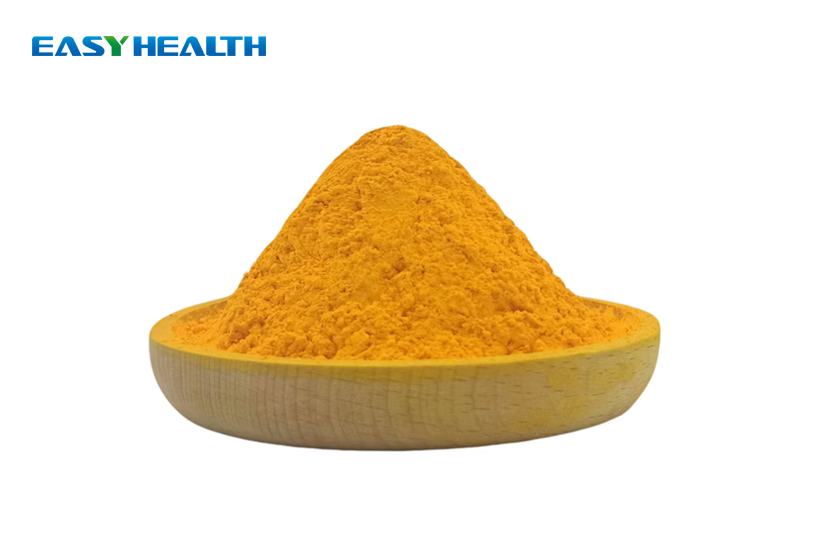
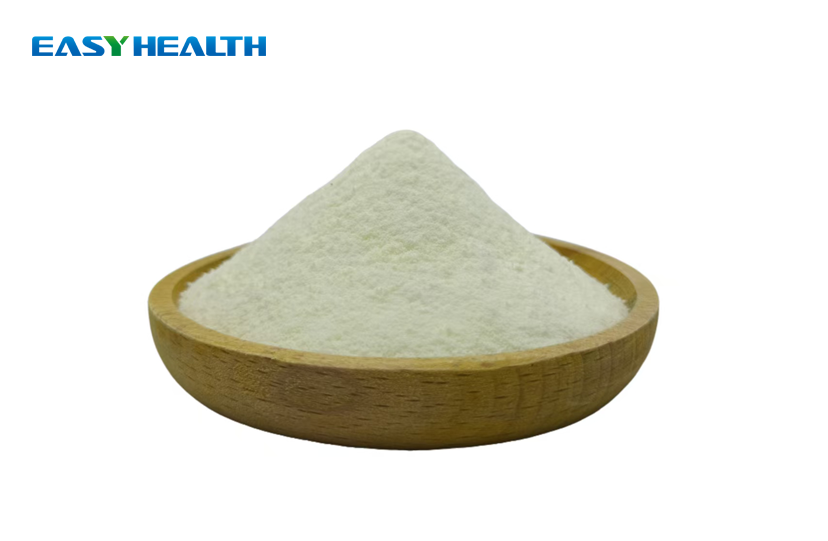
A fine, yellow-green powder that weighs 45–55 grams per 100 millilitres is what you're left with. There must be less than 2 mg/kg of lead, less than 2 mg/kg of arsenic, less than 1 mg/kg of cadmium, and less than 0.1 mg/kg of mercury. This test looks for bacteria, but it doesn't find any of the types Salmonella or E. coli. There are less than 1,000 CFU/g on the plates. In other words, the plant extract meets the requirements set by the USP and EP.
Health and Industrial Benefits of Sophora Japonica Extract Quercetin
This flavonol is useful in many areas because it has four well-known qualities. Check out these key ways to use it and see how well it works.
- Antioxidant Defence: Quercetin stops reactive oxygen species by giving up an electron. Studies have shown that its ORAC value is higher than that of many common polyphenols. This makes it a better choice for use as an antioxidant in clean-label supplements that aim to improve cellular health and fight ageing.
- Brightening the skin (Anti-Tyrosinase): Quercetin stops tyrosinase from working, which stops melanin from being made. Its IC₩₀ value makes it a good alternative to synthetic brightening agents in face masks and cosmetic serums, especially for people with sensitive skin when mixed with niacinamide or vitamin C derivatives.
- Immune Modulation through Zinc Ionophore Activity: A study released in Nutrients (2020) showed that quercetin works as a zinc ionophore, making it easier for zinc to move inside cells, which helps the immune system fight viruses. This is how the popular "Quercetin + Zinc" vitamin stack works in the North American direct-to-consumer market.
- Gut Microbiota Regulation: Studies on animal feed show that quercetin changes the composition of the microbiota in the gut, which helps birds and pigs absorb nutrients better and grow faster. In this way, it can be used as an additive in premix formulations at the level of making feed.
The right thing for sophora japonica extract quercetin to do is stop tyrosinase from making melanin. The skin gets lighter. Because its IC value is low, it can be used in face masks and beauty serums instead of sweeteners. This works really well for people with sensitive skin when mixed with niacinamide or vitamin C serums.

Sophora Japonica Extract Quercetin vs Other Quercetin Sources
Source Comparison: Sophora vs. Onion-Derived Quercetin
Onion skin is a common source of quercetin, but the season changes how pure and strong it is. The flower buds of this plant are easy to work with because they have more rutin precursor. This means that the plant can consistently make 98% HPLC-grade output all year long. Brands need these rules to make sure that what they say on their labels is always true.
Dihydrate vs. Anhydrous Form
It stays stable because the dihydrate form has 10–12% water bound to it. Store the dihydrate in a normal storeroom (25°C, 60% RH) and pack it in nitrogen-flushed aluminium foil bags. It won't break down for up to 24 months. When stored the same way, this form doesn't lose its strength as quickly, but it's better for making chemicals that don't like water.
Natural vs. Synthetic Quercetin
Some chemicals, like isorhamnetin or kaempferol, can be left behind when chemicals are mixed to make manmade quercetin. These chemicals need to be cleaned up even more. When more advanced chromatographic methods are used on quercetin from Sophora japonica, it is easier to label it as clean-label or USDA NOP organic. These steps are what brands must take to stay ahead in the natural goods markets in the US and EU.--- A full Certificate of Analysis (CoA) should be gotten before someone wants to buy something. There should be an HPLC test, an ICP-MS test for heavy metals, a GC test for liquids that are still there, a bacteria test, and a test for the distribution of particle sizes. Getting an MSDS and having SGS or Eurofins test it in the lab will give you even more peace of mind. Easy Health Inc. checks the retention time on every batch they make with a full HPLC chromatogram. Some parts are saved for 24 months so they can be used for checks.
Procurement Guide for Sophora Japonica Extract Quercetin
Key Quality Documents to Request
Buyers should ask for a full Certificate of Analysis (CoA) before placing an order. This should include an HPLC test, an ICP-MS test for heavy metals, a GC test for residual solvents, a microbiology test, and a particle size distribution test. Another level of assurance comes from a Material Safety Data Sheet (MSDS) and lab testing by SGS or Eurofins. Every batch at Easy Health Inc. comes with a full HPLC chromatogram that verifies the retention time, and samples that are kept are kept for 24 months so that they can be used for audits.
Certifications That Matter for Global Market Entry
Regulatory paperwork has a direct effect on your ability to get your goods through customs and sell it. The certifications held by a reliable Sophora japonica extract quercetin supplier should include ISO 9001, FDA Facility Registration, Halal, Kosher, USDA NOP, EU Organic, and HACCP. These IDs let you enter markets in the US, EU, Middle East, and Southeast Asia without having to go through extra steps to make sure you're compliant.
MOQ, Lead Times, and Sourcing Channels
It takes 3–5 business days to ship a standard MOQ of 25 kg from stock in the warehouse. Custom specifications, such as changed purity levels (95%, 97%, or 98%), changed particle sizes, or private-label packaging, need a production wait time of 4 to 6 weeks. For B2B buyers, the best places to find suppliers are through direct factory enquiries, the RFQ feature on Alibaba International, or trade shows like SupplySide West and Vitafoods Europe.

Best Practices for Using Sophora Japonica Extract Quercetin
Formulation Synergies and Recommended Dosages
Zinc and quercetin (10–25 mg) are often added to food together to make it easier for the body to absorb them. Taking 500 to 1,000 mg of quercetin every day has been shown to boost the immune system and reduce swelling. A lot of face creams that get rid of dark spots start with amounts of 0.1% to 0.5%. It has been shown that adding ingredients to feed at a level of 0.02% to 0.05% can improve gut health in a way that is clinically important.
Stability and Storage Protocols
Do not put them near water or in direct sunlight. Keep them in nitrogen-flushed, foil-sealed bags below 25°C instead. For as long as it's kept, dried-out loss should stay at ≦1.0%. When quercetin is used to make pills or capsules, it has to be mixed with other ingredients in dry areas and then wrapped in dark materials to keep it safe.
Regulatory Compliance Across Markets
In the US, quercetin is sold as a food additive in line with 21 CFR Part 111. Ads for drugs shouldn't say what they heal or what they will do. Instead, they should talk about how they work and how they are set up. New foods can be used in the EU as long as they are used in the right way and in the right amount. If you need help with writing NDIs and EU dossiers, the tech team at Easy Health can give you legal claim language templates.
Conclusion
Scientists say that sophora japonica extract quercetin dihydrate from Sophora japonica flower buds is a stable part of the plant that can be used in many ways and is good for stability, accessibility, and proper regulation. Many things have been done with it, like adding it to food, making makeup work better, and making people healthier. Businesses that buy from other businesses are much less likely to be scammed if they choose a supplier that has a fully clear COA, certified manufacturing, and quick technical support. Easy Health Inc. sells all of this in one place, and each package comes with know-how from 11 years in the business.
FAQ
What's the difference between Quercetin Anhydrous and Quercetin Dihydrate?
Quercetin Dihydrate has two water molecules inside its crystal structure, which makes it more stable when stored at room temperature. Anhydrous quercetin is used in certain chemical processes because it has less than 0.5% water in it. The dihydrate form is best for making supplements because it doesn't clump when it comes in contact with water over a 24-month period of time.
How can I tell if a quercetin extract is pure before I buy it?
Ask for an HPLC CoA with a full chromatogram that shows the quercetin peak along with any impurities that can be seen, like rutin or kaempferol. Using your own sample for third-party verification through SGS or Eurofins gives you independent confirmation of the assay result.
Is quercetin from Sophora japonica legal for the US market?
Yes. In the US market for food supplements, quercetin from Sophora japonica is used a lot. The documentation chain needed for US import clearance under HS Code 1302.19 starts with suppliers whose facilities are registered with the FDA and whose GMP compliance can be shown.
What makes the colours of different groups look different?
Small changes from bright yellow to greenish-yellow show that the flower buds naturally change when they are picked. These differences in colour don't affect the potency of quercetin that has been tested using HPLC as long as the assay meets the 98% requirement every time.
Can this product be used in cosmetics that are made with water?
Quercetin doesn't dissolve well in cold water. When mixed with cyclodextrin complexation or nano-emulsion technology, micronised powder (≤5μm) makes it much easier for the drug to dissolve and reach skin tissue.
Request a Sample of Our Sophora Japonica Extract Quercetin
Easy Health Inc. has been getting sophora japonica extract quercetin from sophora japonica trees for more than 11 years. There are many certificates they have, such as ISO, FDA Registration, Halal, Kosher, USDA NOP, and HACCP, which let them keep track of the whole supply chain. Because we only need 25 kg of stock to ship, we can do formulation help under an NDA, and it's easy to buy directly from China. We're also ready for audit. To get a sample or scientific information, email devin@easyhealthbio.com or go to easyhealthinc.com right now.
References
1. Boots, A. W., Haenen, G. R., & Bast, A. (2008). Health effects of quercetin: From antioxidant to nutraceutical. European Journal of Pharmacology.
2. Colunga Biancatelli, R. M. L., Berrill, M., Catravas, J. D., & Marik, P. E. (2020). Quercetin and vitamin C: An experimental, synergistic therapy for the prevention and treatment of SARS-CoV-2 related disease. Frontiers in Immunology.
3. Mlcek, J., Jurikova, T., Skrovankova, S., & Sochor, J. (2016). Quercetin and its anti-allergic immune response. Molecules.
4. Russo, M., Spagnuolo, C., Tedesco, I., Bilotto, S., & Russo, G. L. (2012). The flavonoid quercetin in disease prevention and therapy: Facts and fancies. Biochemical Pharmacology.
5. Wang, W., Sun, C., Mao, L., Ma, P., Liu, F., Yang, J., & Gao, Y. (2016). The biological activities, chemical stability, metabolism, and delivery of quercetin. Trends in Food Science & Technology.
6. Xiao, J., & Högger, P. (2015). Stability of dietary polyphenols under the cell culture conditions: Avoiding erroneous conclusions. Journal of Agricultural and Food Chemistry.