Can Liposomal Vitamin C Be In Powder Form?
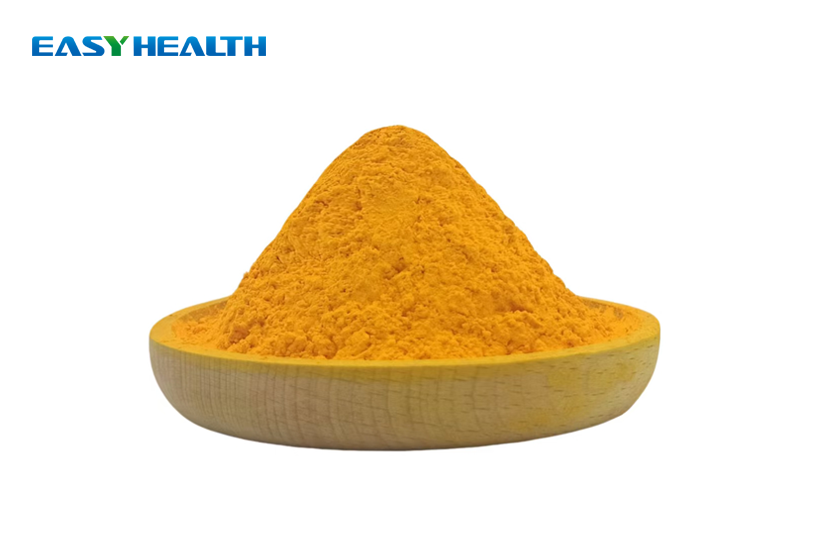
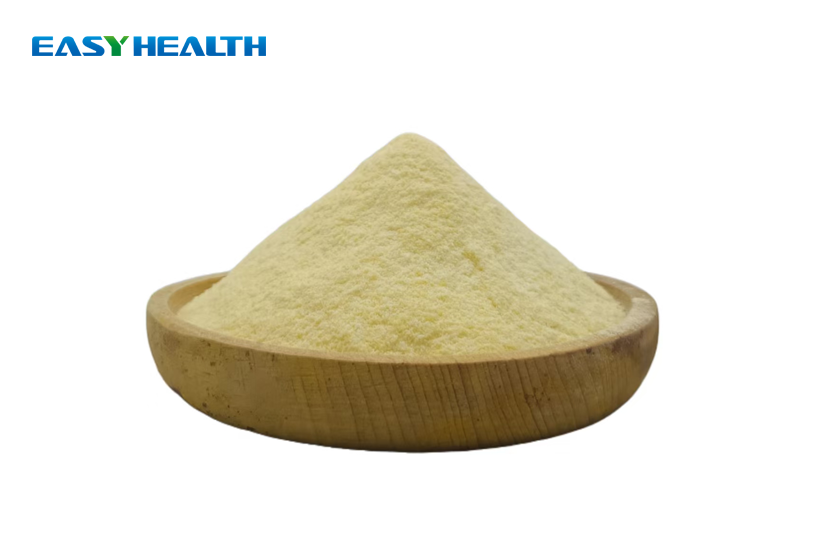
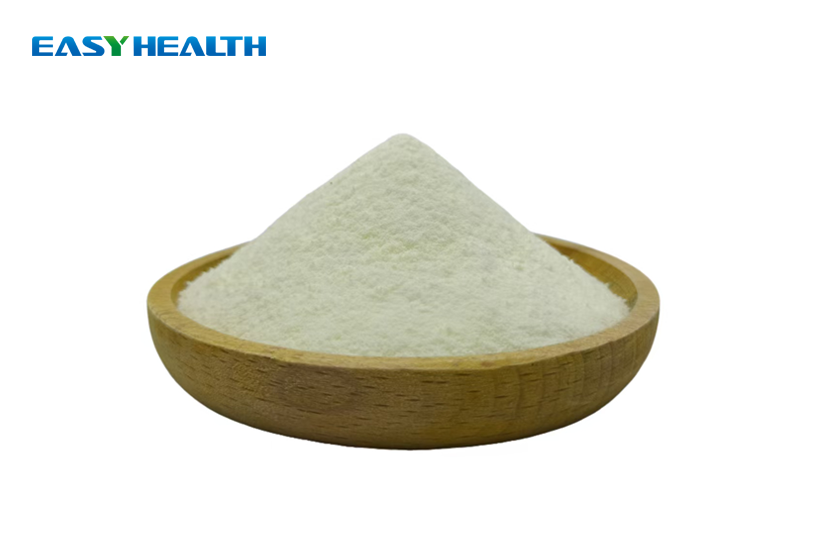
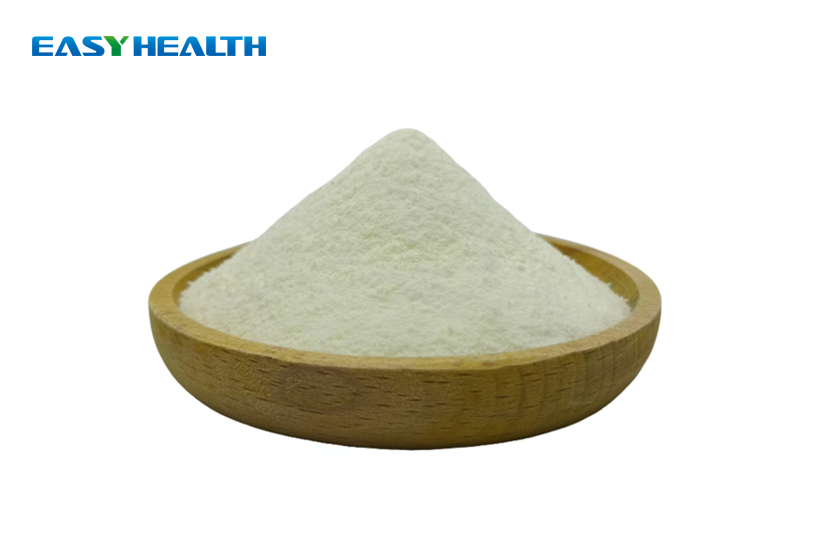
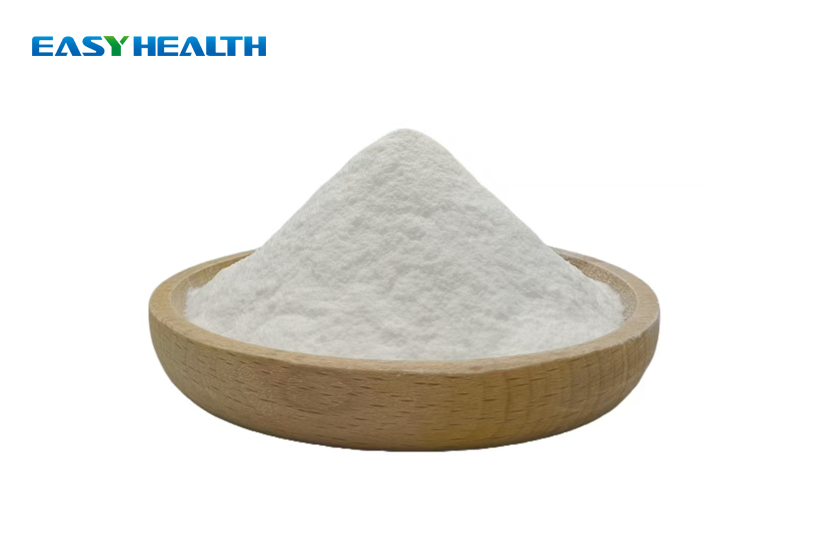
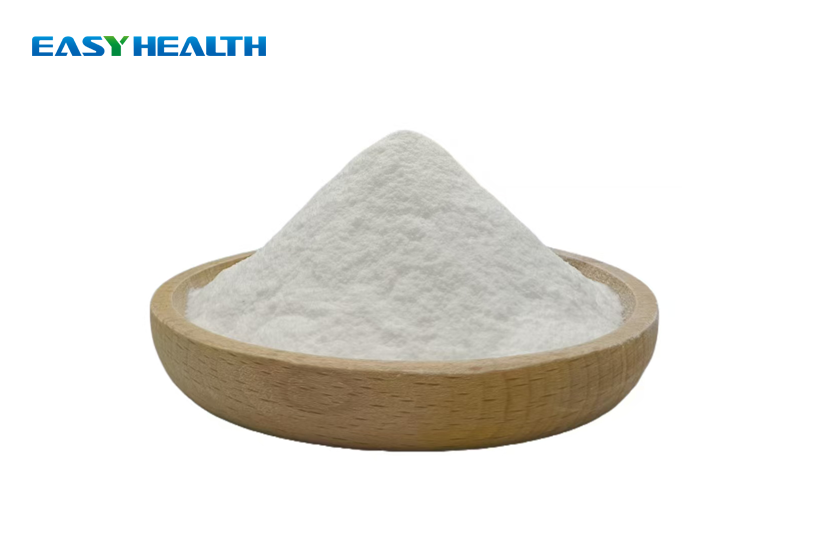
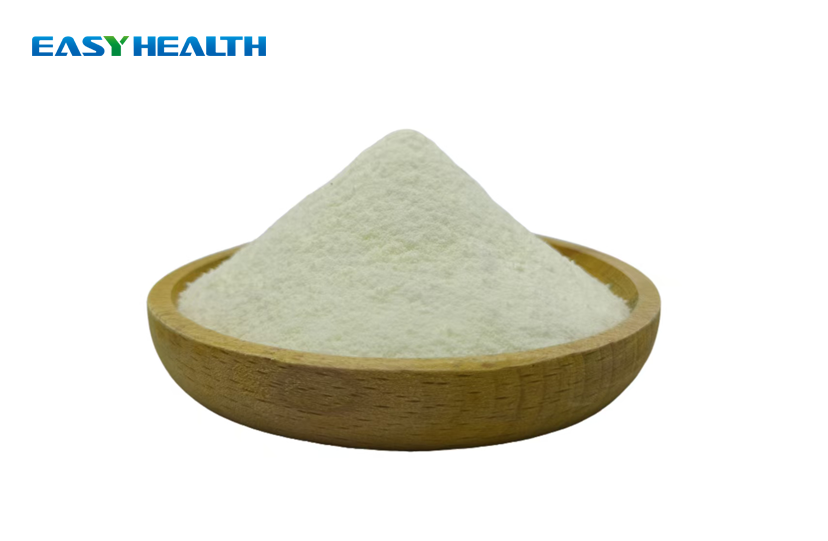
Yes, liposomal vitamin C can definitely be in powder form. Most people see liposomal delivery methods as a liquid or gel; however, sophisticated spray-drying and freeze-drying processes have enabled these lipid-encapsulated nutrients to be transformed into stable, free-flowing powders. Liposomal Vitamin C Powder maintains the protective phospholipid bilayer structure, which encapsulates ascorbic acid for superior bioavailability and the convenience, shelf life, and formulation flexibility that powder formats offer for dietary supplement, functional beverage, and immune support applications.
What Is Liposomal Vitamin C Powder and How Does It Work?
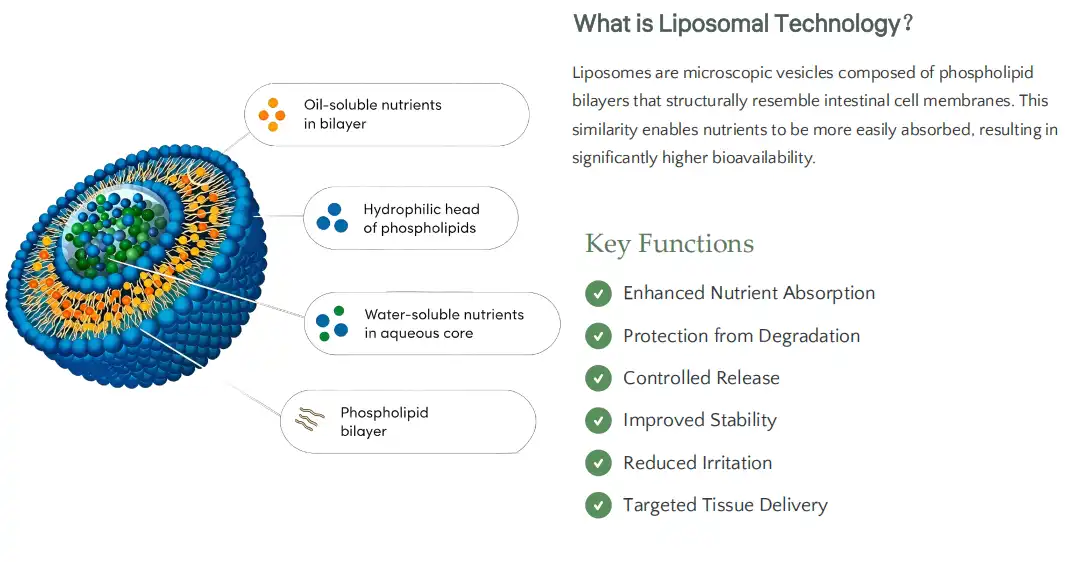
Understanding the Liposomal Encapsulation Technology
Liposomal delivery is a big step forward in the technology used to absorb nutrients. Liposomal Vitamin C Powder protects the active ingredient during absorption with phospholipid bilayers, which are similar to the walls of human cells. This is different from other ascorbic acid vitamins that break down in the stomach's harsh environment. This coating makes very small bubbles, about 100 to 150 nanometers across, that protect vitamin C from stomach acid and digestive enzymes.
The process of making something is very important. We don't just physically mix lecithin and vitamin C in our production process; instead, we use high-pressure homogenization. By using this method, real liposomes are made, with ascorbic acid protected inside the bilayer structure instead of just on the outside. Once the mixture is smooth, advanced drying methods turn it from a liquid suspension into a stable powder without damaging the liposomes.
The Science Behind Enhanced Bioavailability
When SVCT1 intestinal transporters are full, the body cannot absorb any more vitamin C. According to research, absorption rates drop sharply after a certain dose. This is because your body cannot handle more through normal channels. Liposomal encapsulation gets around this problem by letting substances pass directly through the lymphatic system and across the membranes of the intestines.
Clinical studies have shown that liposomal delivery can significantly raise plasma vitamin C levels compared to regular supplements given at the same doses. The phospholipid vesicles attach to the cell membranes of intestinal cells and release their contents straight into cells, instead of depending on active transport systems alone. This leads to higher amounts of cells and longer holding times, which is exactly what brands need when they are making high-end immune-support or antioxidant products.
Key Technical Parameters That Define Quality
Procurement professionals should pay attention to three important details when looking at vitamin C powder with liposomal delivery. The distribution of particle sizes is very important. Dynamic Light Scattering analysis shows that real liposomal products keep particles below 150 nanometers. Another important measure is encapsulation efficiency. Premium formulations achieve more than 90% encapsulation, which means that most of the ascorbic acid stays safe within the lipid bilayer instead of being released as free vitamin C.
The powder must have a moisture level of less than 5%, be free-flowing (at least 95% of it must pass through 40-mesh screens), and have very little oil on the surface. These conditions make sure that the powder stays fixed while it is being stored and works the same way every time it is made into capsules, sachets, or quick drink mixes.
Liposomal Vitamin C Powder vs. Other Forms: Comparison and Procurement Considerations
Stability and Shelf Life Advantages
When it comes to long-term security, powder forms are much better than liquid liposomal forms. Even with stabilizers, sedimentation, oxidation, and microbial growth can be problems for liquid solutions. Liposomal Vitamin C Powder that was made correctly will keep its shape for 24 to 36 months if it is kept at room temperature and out of direct sunlight and water. This longer shelf life cuts down on inventory losses and gets rid of the need for cold-chain transportation, which is a big cost factor for buying in bulk from other countries.
The powder form also does not break down as easily while being transported. When shipped across continents, changes in temperature can make liquid liposomes less stable, which can lead to vesicles sticking together or breaking. These changes do not affect the functionality of dried powder products, which makes them perfect for global delivery networks that serve markets in North America, Europe, and the Asia-Pacific region.
Formulation Flexibility for Product Development
Liposomal Vitamin C Powder lets you make things that are not possible with liquids or pills. By adding the powder straight to their mixes, beverage makers can make quick immune-support drinks, fizzy tablets, or functional sachets. Because it is water-dispersible, the powder quickly returns to its original form when mixed, creating a uniform liposomal suspension with little to no sedimentation.
Powder gives you exact dose control when it is put into finished dosage forms. Manufacturers can change the amount of vitamin C in their products from 10% to 70% of the active ingredient. This lets them make them fit specific dose sizes and label claims. The neutral pH profile gets rid of the acidic bite that comes with regular ascorbic acid. This makes functional foods taste better and reduces the stomach pain that makes people stop taking supplements.
Sourcing Strategies and Quality Verification
There is a lot of misinformation in the market right now. Many sellers are selling simple mixtures of lecithin and vitamin C under the name "liposomal." Procurement teams need to ask for specific proof to make sure the products are real. Ask for reports on particle size distribution that show narrow size ranges and mean diameters less than 150 nanometers. Tests of encapsulation efficiency using ultracentrifugation or dialysis should show encapsulation rates of more than 90%, with certificates of analysis that vary from batch to batch.
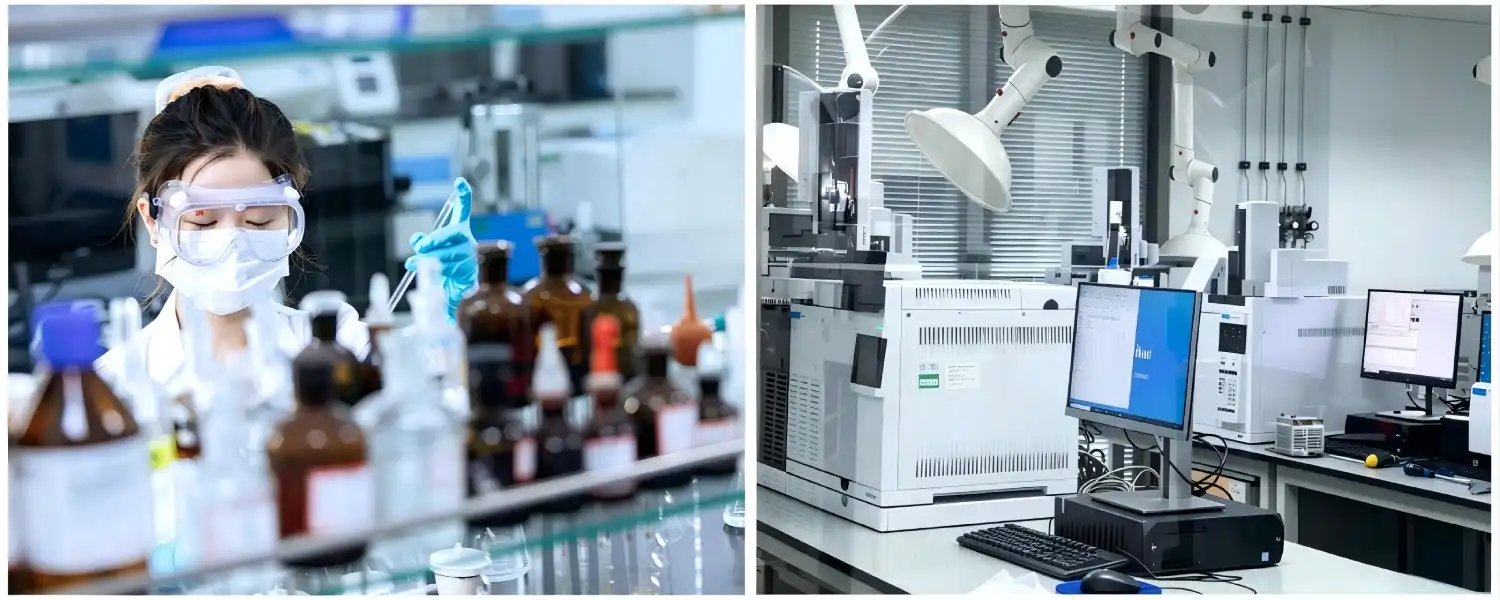
Transparency in the manufacturing process is just as important. To make real liposomes, you need special high-pressure equipment for homogenization and controlled drying methods. Suppliers should give thorough accounts of how the products are made and how they are checked for quality. Third-party testing from outside labs adds another level of verification, making sure that the specifications meet the claimed standards instead of just depending on data generated by the seller.
How to Use Liposomal Vitamin C Powder Effectively in Your Products
Optimal Dosing and Formulation Guidelines
Effective serving sizes are generally between 500 mg and 2000 mg per dosage, depending on the health claims and sorts of persons who will be taking the vitamin C. Immune-supporting products often include approximately 1000 mg per dose. However, beauty-from-within solutions that aim to boost collagen production may prescribe higher dosages split between two servings – one in the morning and one in the evening. The compounds are more bioavailable, so brands may obtain therapeutic plasma levels with smaller quantities than traditional vitamins. That may be cost-effective, even if the ingredients are more costly.
When producers add the powder to manufactured items, they should look at both the level of active vitamin C and the content of phospholipids. Phosphatidylcholine is a building block for liposomal structures that also has health advantages, such as maintaining healthy cell membranes and brain function. This synergy allows marketing teams to create a more holistic health positioning than a singular emphasis on the advantages of vitamin C.
Storage and Stability Best Practices
Environmental considerations need to be taken into account to preserve the integrity of the product along the supply chain. Store bulk powder in non-leaking, moisture-proof containers, away from direct sunlight and heat sources. Maintain relative humidity below 60% to prevent water absorption by powder, which may block flow and potentially harm liposomes. Goods may be sent at normal room temperature, but long-term storage is preferable at 15° to 25°C.
When producing completed items, try to avoid subjecting them to excessive heat and mechanical stress. Liposomes have a stronger structure than liquid forms, but too much high-temperature processing for a long period or too fast mixing might destroy their stability. The low processing temperature and gentle mixing procedures allow retaining the same encapsulation efficiency from the raw material to the completed product in packaging.
Regulatory Compliance and Safety Considerations
In the United States, the FDA permits Liposomal Vitamin C Powder to be used as a dietary ingredient in functional foods and dietary supplements, provided it is used within defined quantities. The element is considered GRAS when used properly; however, businesses should check to be sure they are complying with all state requirements and international standards before shipping completed products overseas. European markets must follow the EU food supplement guidelines, while several Asian markets have procedures for registering innovative delivery forms.
The safety characteristics of all tested groups are still rather excellent. The primary negative effects of high-dose vitamin C include stomach distress and osmotic diarrhoea. Liposomal administration causes these adverse effects less commonly since it is absorbed faster and has a pH-neutral property. Testing for heavy metals should demonstrate that the levels of lead, arsenic, cadmium, and mercury are considerably below the legal limit. Microbial tests should demonstrate no pathogens and low overall plate counts, which is also consistent with appropriate production processes.
Top Trusted Liposomal Vitamin C Powder Suppliers for Bulk Purchase
Criteria for Evaluating Potential Partners
To choose dependable services, you have to assess them methodically across a multitude of distinct factors. Quality certifications guarantee a minimum level of assurance. If you are seeking natural ascorbic acid, you should check for ISO 9001 quality management systems, GMP compliance for nutritious components, and the proper organic certifications. “Halal and Kosher certifications help brands reach more people, especially brands that are trying to reach specific groups of people or area markets that really like approved products.
Testing skills separate skilled sellers from commodity merchants. Partners should examine the goods themselves for particle size, encapsulation efficiency, vitamin C content (using HPLC methods), and product stability over time under varied storage settings. Independent lab validation provides credibility, particularly when entering new markets where purchasers may dispute certifications issued by the provider.
Manufacturing Capabilities and Technical Support
Beyond ingredient quality, look at whether potential vendors have value-added services that might accelerate product development. “Companies with strong R&D departments can assist with formulation, finding the best combinations of ingredients and processing conditions for different types of products. If technical documentation is available, including application directions, recommended use levels, and compatibility testing with common excipients, reformulation is faster and has fewer risks.
When you are aiming to increase your market, the scale and freedom of your production are vital. Suppliers can react promptly to surges in demand with standard specifications in stock and available to ship immediately. Fast turnaround times and custom manufacturing capabilities may also fulfil the demands of unusual formulas. A fantastic example of this method is Easy Health, with more than 11 years of expertise in the sector. They distribute conventional items immediately, and special orders typically arrive in three to five days, helping firms maintain pace with their production schedules.
Building Long-Term Supply Partnerships
Strategic links are another form of effective purchasing relationship that goes beyond just buying something. Their responsiveness to communication shows how vendors deal with urgent situations or technical issues throughout product development. Detailed documentation such as manufacturing process descriptions, stability data, and regulatory support documents makes it simpler to secure internal evaluations and regulatory filings for completed items.
Logistics abilities have a profound influence on overall landing costs and dependability of supply. Many of the big-name suppliers use a variety of different freight partners, including express couriers for samples and urgent orders and air and ocean freight for bigger shipments. They choose the most suitable means of transporting products depending on the nature of the items, the laws at the destination, the time of delivery, and the price. Complete traceability systems from the origin of the raw materials to the point of final delivery guarantee quality and facilitate any necessary enquiries into specific manufacturing batches, should issues arise.
Conclusion
Liposomal Vitamin C Powder is a breakthrough in the delivery of nutrients, offering the best of both worlds with superior absorption and the convenience of powder form. The technology addresses one of the biggest challenges for companies producing immune-support, beauty-from-within, and premium wellness products: how to deliver therapeutic levels of vitamin C into the body without causing stomach issues, while maintaining the stability of the product and allowing for flexible formulations. Companies wishing to stand out in the supplement industry, where consumers are searching for science-backed beneficial advantages instead of generic chemicals, may do so by using Liposomal Vitamin C Powder solutions with particles smaller than 150 nanometres and encapsulation effectiveness of more than 90%.
FAQ
1. How does absorption compare between liposomal powder and standard vitamin C?
Liposomal coating bypasses saturable intestinal transporters to greatly improve vitamin C absorption. Ascorbic acid absorption drops sharply above 200 mg doses because the SVCT1 transporter is full. However, liposomal delivery keeps uptake effective at higher doses by passively fusing the membranes. Studies show that plasma concentrations can reach levels similar to intravenous treatment, and cellular concentrations stay high for longer than with most oral nutrients.
2. What shelf life can I expect from bulk liposomal vitamin C powder?
Liposomal Vitamin C Powder stays stable for 24 to 36 months at room temperature if it is made and stored correctly and kept away from moisture, direct light, and too much heat. Compared to liquid liposomal goods, which usually need to be kept cold and have shorter stable windows, this is a big plus. Quality providers give rapid, stable data that show the vitamin C potency and encapsulation efficiency stay the same over the stated shelf life when stored in the specified way.
3. Where should I source high-quality bulk liposomal vitamin C for manufacturing?
Pay attention to providers who can show how sophisticated their manufacturing is by using particle size analysis, encapsulation efficiency tests, and clear process explanations. Ask for proof, such as DLS particle size distribution reports, encapsulation efficiency data from third-party tests, HPLC vitamin C assays, and stability studies. Certifications like GMP, ISO, and appropriate organic credentials give you extra peace of mind about the quality, and references from well-known brands that use the supplier show that they can be trusted in business production settings.
Partner With Easy Health for Premium Liposomal Vitamin C Solutions
Easy Health is ready to be your reliable source for Liposomal Vitamin C Powder. We have over 11 years of experience working with plant extracts and other advanced nutritional ingredients, and we can help you with your product development. Our high-pressure homogenization method makes real liposomes with tested particle sizes and sealing efficiency, along with testing records for each batch. Our technical team can help you with everything from the initial formulation to the regulatory documentation and final product optimization. This is true whether you need standard specifications shipped right away or custom formulations with specific vitamin C concentrations ranging from 10% to 70%.
We keep our ISO, Halal, Kosher, FDA registration, and HACCP compliance up to date to make sure our ingredients meet the strict standards of the global market. Our flexible OEM and ODM services help brands make capsules, functional drinks, immune sachets, or beauty products by helping them with the whole process of preparation and packing. Email us at devin@easyhealthbio.com to get technical details, samples, or to talk about how our Liposomal Vitamin C Powder can help your fitness products stand out in a market that is already very competitive.
References
1. Davis, J.L., Paris, H.L., Beals, J.W., et al. (2016). "Liposomal-encapsulated Ascorbic Acid: Influence on Vitamin C Bioavailability and Capacity to Protect Against Ischemia-Reperfusion Injury." Nutrition and Metabolic Insights, 9:25-30.
2. Hickey, S., Roberts, H.J., Miller, N.J. (2008). "Pharmacokinetics of Oral Vitamin C." Journal of Nutritional & Environmental Medicine, 17(3):169-177.
3. Łukawski, M., Dałek, P., Borowik, T., et al. (2020). "New oral liposomal vitamin C formulation: properties and bioavailability." Journal of Liposome Research, 30(3):227-234.
4. Khalil, M., Raila, J., Ali, M., et al. (2018). "Stability and Bioavailability of Vitamin C in Different Delivery Systems: A Review." Pharmaceutics, 10(4):276-289.
5. Gopi, S., Balakrishnan, P. (2021). "Evaluation and clinical comparison studies on liposomal and non-liposomal ascorbic acid and their enhanced bioavailability." Journal of Liposome Research, 31(4):356-364.
6. Boyera, N., Galey, I., Bernard, B.A. (1998). "Effect of vitamin C and its derivatives on collagen synthesis and cross-linking by normal human fibroblasts." International Journal of Cosmetic Science, 20(3):151-158.

_1784173402819.webp)