How to Choose a Microencapsulated Lycopene Powder Supplier
Choosing the right microencapsulated lycopene powder supplier is one of the most consequential decisions a product development team can make. The improper partner generates formulation challenges that include oil rings in drinks, variable color across batches and inadequate regulatory documentation. Ideally, the supplier would provide a fermentation-derived, encapsulated lycopene ingredient that has complete traceability documentation, clean-label credentials, and validated cold-water dispersibility. This book takes your procurement team through the assessment process step by step so they may confidently progress from shortlist to signed agreement.
Understanding Microencapsulated Lycopene Powder and Its Market Significance
What the Technology Actually Does?
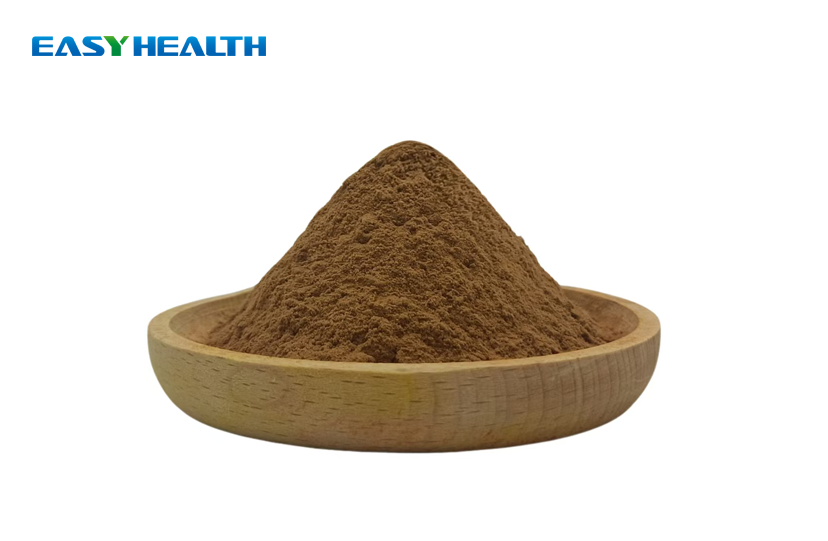
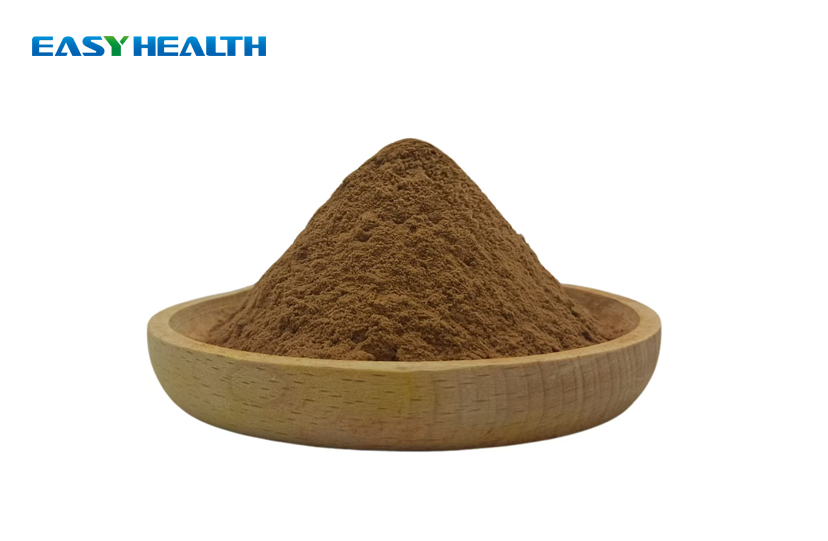
Raw lycopene is a carotenoid that does not dissolve very well in water, but will dissolve in fat. It transforms into oxygen really fast. The active molecule may be contained in a wall of modified starch, maltodextrin or a mixture of both. This can solve both issues. This turns an oily oleoresin into a powder which may be easily mixed with water. And it's made this way. It lasts a long time and works the same in beverages, baked foods and tablets.
Why Cis-Isomer Retention Matters?
Another thing that isn't the same is lycopene that comes in its own box. It is important to know that when heated, bioactive cis-isomers change into all-trans forms that absorb much less well. They keep more than 85% of the cis-isomers when they make microencapsulations at low temperatures. The ingredient is now about three times more digestible than all-trans lycopene on its own. When you buy something, don't just ask for the lycopene content; also ask for the HPLC isomer profile data. This isomer-profile verification is essential when sourcing microencapsulated lycopene powder for bioavailability-critical applications.
B2B Market Applications Driving Demand
Lycopene components may be found in antioxidant water, wellness shots and sports drinks, tablets and capsules, cereals, nutrition bars and baked goods, and skin care products that slow down the aging process. For each sort of application , the regulations are different , how effectively they spread , how long the color remains the same . If the service provider has not built applications like yours in the past, then they won’t be able to match your development timeframe.
Core Criteria for Selecting a Reliable Lycopene Ingredient Supplier
Quality Certifications and Regulatory Fit
In North America and Europe, most purchasers want more evidence than the ISO certification provides them, since it defines industry norms. Food should be wholesome, Halal, Kosher and meet HACCP guidelines. The FDA, the USDA or the EU must also permit this. Supplement companies must show that their products are GMO-free and have no hexane residue with a clean label. Call the numbers on the certificates and verify the dates they are valid for to ensure they are legitimate.
Technical Performance Benchmarks
Not only should general notes be on seller datasheets, but performance numbers should also be there. Things to look for and ask for are these:
- Cold water dispersibility: Dispersion was proven to -25C without oil separation and without staining the rings of containers, which is highly significant for beverage usage.
- Oxidative Stability Index (OSI) : > 15 hours demonstrates that the confinement matrix successfully blocks the lipid breakdown.
- Surface oil content: ≤1.0% In an effort to avoid the lycopene on the surface of the particles oxidizing too soon without encapsulation.
- Moisture: <5% stops powder from clumping and allows it to flow readily during tableting.
- Pb ≤2.0 mg/kg, As ≤1.0 mg/kg, Cd ≤1.0 mg/kg and Hg ≤0.1 mg/kg were all detected by ICP-MS or equivalent technique.
Supply Chain Transparency and Document Completeness
That's what the technical floor is made of. Right away, take them off your short list if they won't give you batch-level COA data against these factors. This rule applies directly when qualifying suppliers of microencapsulated lycopene powder, where batch-level COA transparency is non-negotiable.

Comparing Lycopene Powder Suppliers: Factors That Separate Good from Great
Production Source: Fermentation vs. Solvent Extraction
For business, this difference is very important. You can't leave hexane behind when Blakeslea trispora is used to turn lycopene into gasoline. This is what shops in North America and Western Europe need to put clean labels on their goods. Lycopene from tomatoes that was taken out with a liquid might contain hexane. It can't do what it says on the box. When building your brand around words like "natural" or "clean," the source is just as important as the amount.
Customization Capability and OEM/ODM Flexibility
Most of the time, standard stocks with 10% to 20% lycopene work well. But for some mixes, the numbers need to be outside of this range. If a business makes lycopene powder, they should be able to give you different amounts ranging from 5% to 30%. They should also be honest about when they plan to start making new goods. To make a custom order, how long does it take? How many things do they need at the very least? It takes a real R&D source three to five days to finish a one-of-a-kind order if you order normal amounts.
Responsive Technical Support
Their next steps after the sample ships are different. Pick a company wisely. They should be able to assist you with your recipes, any issues that arise during small-scale tests, and data that is unique to your needs. They should be able to tell you things like how the product spreads in low-pH juice and how long the color stays true after being heated. The seller should give you a COA and a price quote. If any new recipe problems come up during scale-up, your development team will have to figure out how to fix them.
Procurement Best Practices for Encapsulated Lycopene Sourcing
Define Requirements Before Requesting Quotes
For procurement to work well, things must be clear on the inside. Do some research before you call suppliers. Write down how much lycopene you need, what certifications you need, what particle size you want (95% to 40 mesh is a common range), what you want it for, and how much you need every year. That way, suppliers can give you the right prices and wait times when they get this short list of requirements. This cuts down on the back-and-forth that takes weeks to build. A clear requirements brief is especially valuable when sourcing microencapsulated lycopene powder, where technical and certification details directly affect pricing and lead time.
Sample Evaluation Protocol
When there is an organized sample review method in place, some things don't go wrong during full-scale production. To get ready for big orders, every buyer should do these main things:
- Dispersibility test Add powder to cold water ≤25°C and note oil separation, sediment & discoloration of containers 30 & 60 mins
- Color stability check: Watch for batch-to-batch change in color consistency across many sample batches before they make it to your production line
- Sensory determination: Verify that the tomato-flavor effect at the intended dose is suitable for your unique product format.
- Audit of documents: Make sure that all regulatory and quality papers match the physical sample batch number

Conclusion
Cost is not the only issue when buying lycopene pills. For B2B buyers, the most important factors are technical specifications (dispersibility, OSI, isomer profile), clarity on source (fermentation vs. solvent extraction), full certification and the supplier’s ability to help your team with development and scale-up. These skills make a seller more than a salesman, they also contribute to the long-term success of organizations. Make sure you understand the criteria before you begin making your item. When you are done it will seem like you did everything right the first time. These selection criteria are essential when sourcing microencapsulated lycopene powder for tablet and supplement development.
FAQ
Does fermentation-derived lycopene perform differently than tomato-extracted lycopene?
Yes. Fermentation via Blakeslea trispora produces lycopene without hexane solvents, enabling clean-label positioning. The active molecule itself (CAS No. 502-65-8) is identical, but the absence of residual solvents and the controlled production environment typically yield tighter batch-to-batch consistency in color and potency.
How do I verify cis-isomer content in a lycopene powder sample?
Request the supplier’s COA for HPLC isomer profiling data. >85% preservation of the cis-isomers is required for high-quality encapsulated lycopene. This figure precisely predicts bioavailability performance and differentiates low temperature microencapsulation from traditional processes.
What certifications should a supplement-grade lycopene supplier hold?
Minimum: ISO, FDA certification, HACCP. For North American clean label supplements, Non-GMO documentation and USDA Organic or similar is requested. Halal and Kosher are needed by Gulf and European markets.
What is a realistic lead time for custom lycopene concentrations?
For concentrations from 5% to 30% a provider with active R&D capabilities can usually provide tailored specifications within three to five working days for standard batch sizes. Modifications in the complex formulation may lengthen this timeframe.
How should bulk lycopene powder be stored to maintain potency?
Store in original sealed containers below 25°C, away from direct light and moisture. Properly stored product maintains potency for 24 months. Exposure to heat or humidity accelerates oxidation even within intact encapsulation matrices.
Partner With Easy Health for Premium Microencapsulated Lycopene Powder
Every order from Easy Health is guarantyd to be organic by ISO, Halal, Kosher, the FDA, and the USDA. The company has used plant products for more than 11 years. You can rely on us because we produce microencapsulated lycopene powder. We give discounts of 10 to 20% on standard stock. There is a range of OEM/ODM customization from 5% to 30%. We ship quickly with FedEx, DHL, and UPS, and you can keep track of your whole batch. You can email devin@easyhealthbio.com to get a trial or talk to our tech team about your recipe needs.
References
1. Rao, A. V., & Rao, L. G. (2007). Carotenoids and human health. Pharmacological Research, 55(3), 207–216.
2. Shi, J., & Le Maguer, M. (2000). Lycopene in tomatoes: Chemical and physical properties affected by food processing. Critical Reviews in Food Science and Nutrition, 40(1), 1–42.
3. Donhowe, E. G., & Kong, F. (2014). Beta-carotene: Digestion, microencapsulation, and in vitro bioavailability. Food and Bioprocess Technology, 7(2), 338–354.
4. Mozafari, M. R., Johnson, C., Hatziantoniou, S., & Demetzos, C. (2008). Nanoliposomes and their applications in food nanotechnology. Journal of Liposome Research, 18(4), 309–327.
5. Stahl, W., & Sies, H. (2012). Photoprotection by dietary carotenoids: Concept, mechanisms, evidence, and future development. Molecular Nutrition & Food Research, 56(2), 287–295.
6. Pérez-Masiá, R., López-Nicolás, R., Periago, M. J., Ros, G., Lagaron, J. M., & López-Rubio, A. (2015). Encapsulation of folic acid in food hydrocolloids through nanospray drying and electrospraying for nutraceutical application. Food Chemistry, 168, 124–133.