Can Microencapsulated Borage Oil Powder Be Used in Functional Foods?
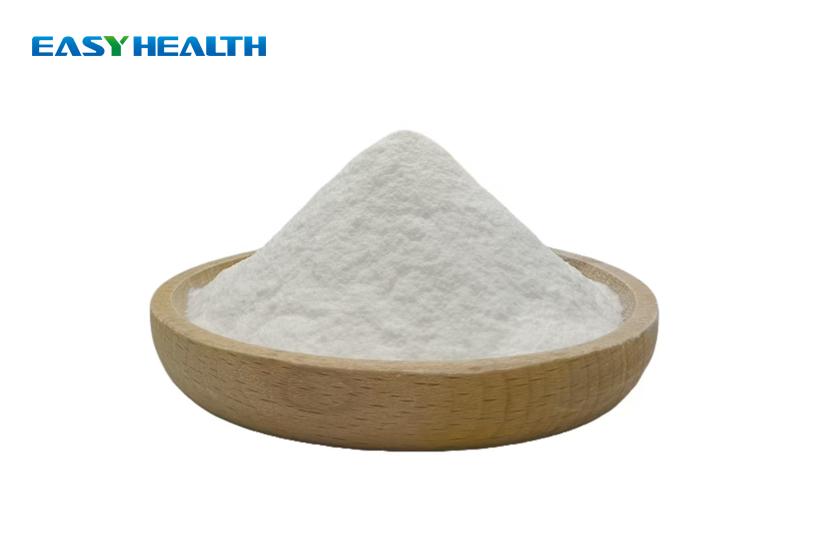
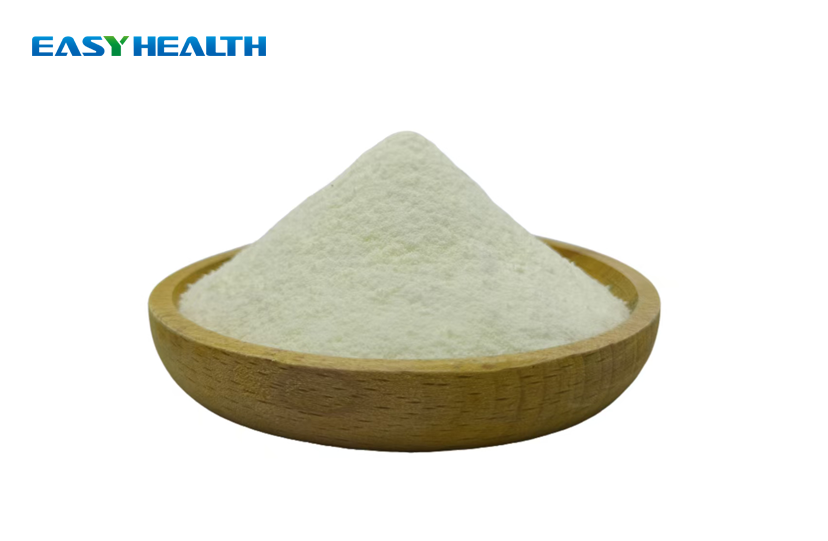
Yes — microencapsulated borage oil powder is well-suited for functional food applications. By encasing refined borage seed oil within a protective wall matrix through spray-drying, this off-white to light yellow free-flowing powder converts a highly oxidation-prone liquid into a stable, water-dispersible ingredient. At Easy Health Inc., our formulation delivers 50% oil loading with ≥22% GLA in the source oil, yielding approximately 11% gamma-linolenic acid per gram of powder. That level of active delivery makes it a practical fit for fortified snacks, clinical nutrition, functional beverages, and oral beauty supplements alike.
Understanding Microencapsulated Borage Oil Powder
What It Is and How It Works
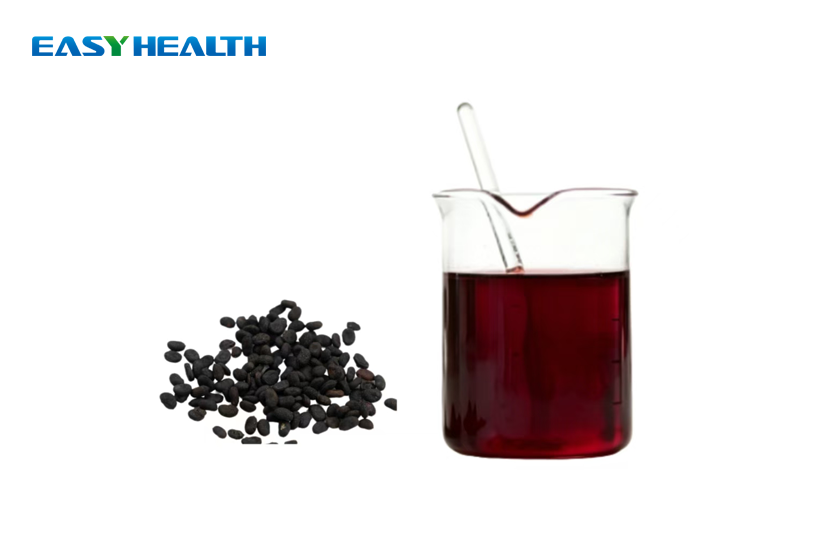
The most GLA (20–24%) is found in raw borage oil from Borago officinalis L. seeds than in any other industrial vegetable oil. It has always been a problem that the oxygen state isn't stable. A food-safe wall is put around the oil during microencapsulation. This makes a tiny barrier that keeps light, oxygen, and heat out. In the end, a powder is made that has a peroxide value of ≤2.5 mmol/kg and a surface oil content of ≤1.0%. This is not the same as liquid oil, which normally breaks down very quickly.
The Spray-Drying Process and GLA Preservation
When Easy Health Inc. spray-dries, they use very low inlet temperatures (≤140°C), which keeps the breakdown of active ingredients below 3%. This is important for R&D teams that need gas chromatography (GC) to show that GLA strength varies from batch to batch. From Tasmania, Australia, where the raw materials come from (which is a high-latitude cold region) to where they are sealed, each lot can be tracked. If you ask, you can get full records.
Why Bioavailability Remains Intact
A lot of the time, formulators think about whether wrapping makes absorption worse. There is scientific proof that it doesn't: stomach enzymes in the gut break down the mesh wall, which lets the oil pass through properly. When the controlled-release method is used, the GLA stays intact while it is being handled. This means that the customer gets the same strong GLA that was shown in the CoA. This controlled-release mechanism confirms that microencapsulated borage oil powder delivers both stability and bioavailability.
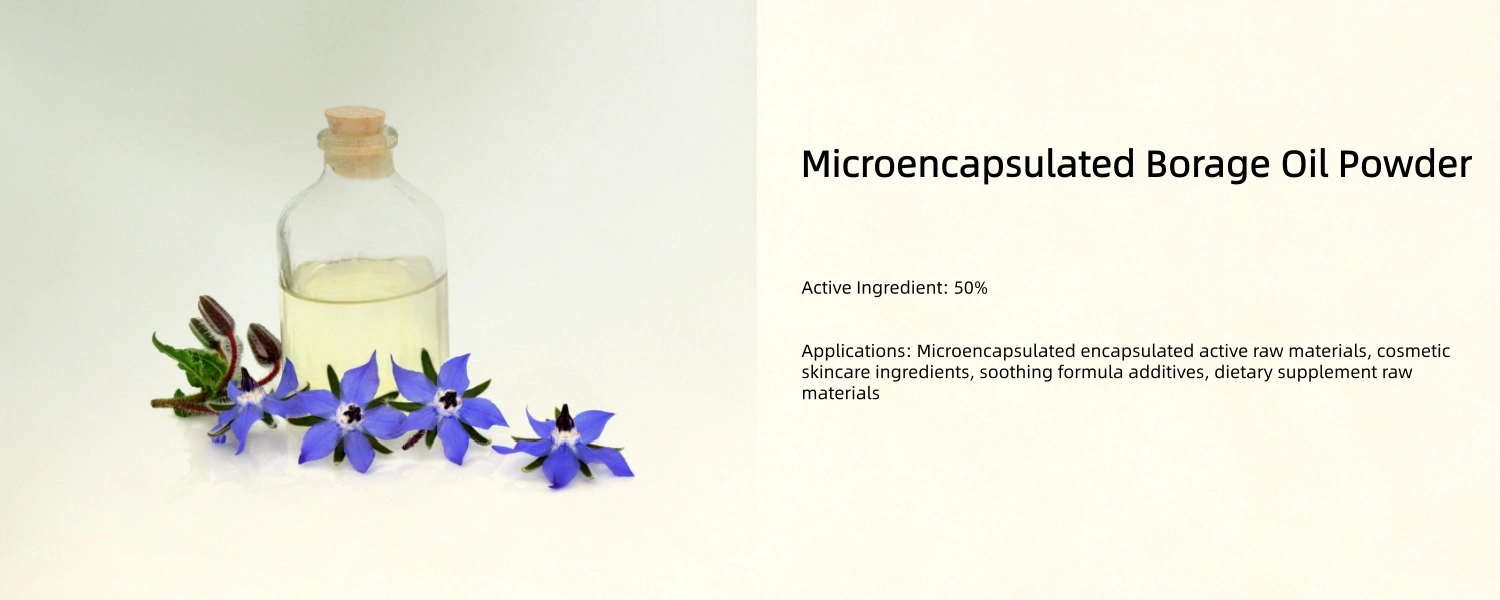
Borage Oil Powder in Functional Foods — Use Cases and Benefits
Fortified Snack Bars and Baked Goods
Evening primrose oil tastes green and bitter, but the powder doesn't smell or taste much. This makes it simple to add to baked goods and bars without changing the taste. The 40-mesh particle size lets 95% of the oil through, which makes it easy to mix into dry mixes. Also, because of the 50% oil loading, less powder is needed per dose to get the right amount of GLA.
Functional Beverages and Meal Replacements
Being able to mix it with cold water is one of the best things about it for people who make drinks. When the powder is mixed into instant powders, sports nutrition drinks, and meal replacement shakes, the oil on the top doesn't separate and the phase stays stable. Customers like this method of delivery for brands that focus on women's hormonal health or skin-from-within positioning because it helps them get the GLA they need every day.
Clinical Nutrition and Therapeutic Diets
Atopic dermatitis, PMS, and menopausal symptoms are all linked to arachidonic acid pathways. GLA from borage has been studied in clinical settings to see how it affects these pathways. The encapsulated powder stays chemically stable when mixed with pre-mixed vitamins and minerals. But this can't happen with liquid oil because free fatty acids make vitamins that are mixed with oil break down faster.

Comparison and Decision-Making: Why Choose This Format?
Borage Powder vs. Evening Primrose Oil Powder
Evening primrose oil (EPO) and boreage oil both have about the same amount of GLA. You only need about half as much oil to get 240 mg of GLA per daily serve if you base your recipe on borage instead of EPO. Borage oil costs about 40% more per kilogram than EPO, but because less is used in finished goods, the higher cost of the raw materials can be recovered. This helps the "small capsule, high potency" brand story that makes the product more expensive.
Encapsulated vs. Non-Encapsulated Borage Oil
It's important to note the main changes that affect real formulation decisions, which are shown below:
- Shelf life: Encapsulated powder reaches 24 months at room temperature; liquid borage oil typically requires refrigeration and offers 6 months.
- Processing compatibility: The micro-matrix withstands tablet compression and dry-blending without oil bleed; liquid oil cannot survive high-pressure tableting.
- Sensory impact: Surface oil ≤1.0% prevents powder clumping and rancid off-notes in finished products.
- Regulatory positioning: A free-flowing powder with full traceability, ISO, HACCP, USDA NOP, and EU Organic certification aligns with clean-label and GMP-grade documentation requirements.
Quality Benchmarks to Confirm with Any Supplier
Before R&D teams choose a supplier, they should get GC reports that confirm the GLA potency per batch, information on the Rancimat-based oxidative stability index (OSI), heavy metal screening results (Pb ≤2.0 mg/kg, As ≤1.0 mg/kg), and full microbiological profiling that includes Salmonella negative/25g and E. coli negative. These checks are a must for brands that work in controlled areas. This documentation is essential when qualifying a supplier of microencapsulated borage oil powder for regulated applications.
Procurement Guide for B2B Buyers
Sample and Stability Testing Workflow
It takes a technical questionnaire, a sample request with accelerated stability data, an audit of the manufacturing process, a formulation trial, and finally an annual supply agreement for most high-end OEM and clinical nutrition buyers to decide if they want to buy a product. Easy Health Inc. helps at every step with well-thought-out technical packages that include tips on how to use the products and make recipes better. We have more than 11 years of experience in the plant extract business to back these up.
Certifications and Traceability Documentation
The company Easy Health Inc. makes sure that all of their shipments have Organic, Halal, Kosher, FDA, USDA NOP, and EU shipments. There is full paperwork for each batch that shows where the seeds came from (in Tasmania or Alberta) and how they were grown and packed. These are the forms that brands must fill out in order to sell new foods in the EU, dietary supplements in the US, or medical nutrition in the EU.
Logistics and Order Flexibility
People keep standard sizes in stock so they can be sent out quickly. Customized needs are usually met in 3–5 business days. For example, to get vegan certification, the amount of oil used might need to be changed, and different wall materials might need to be used. FedEx, DHL, UPS, air freight, and sea freight are all international shipping partners. The route is picked based on how fragile the things are, where they need to go, and when they need to get there.

Future Outlook for GLA-Fortified Functional Foods
Growing Demand for Plant-Based Omega-6 Ingredients
More and more people in the US and Europe are interested in plant-based fatty acids, especially in supplements for women's health and skin care. Fish-based GLA is advertized as a plant-based alternative to marine omega-3s by businesses that want to protect the skin, provide nutrition that reduces inflammation, and boost hormonal health. This growing demand makes microencapsulated borage oil powder a timely ingredient for plant-based women's health and skin care products.
Regulatory Trajectory in the US and EU
Due to DSHEA, people in the US can take GLA from borage oil as an extra food. The EU regulators divide borage seed oil into two groups based on how the products are meant to be used and how much they have been used in the past. These groups are novel foods and botanical ingredients. If a brand wants to sell healing or clinical foods, they should work with providers who keep records that are of a pharmaceutical grade to back up what they say to the government.
Technology Improvements in Encapsulation Efficiency
With the help of new wall materials like modified starch, pea protein, and acacia gum structures, it is now possible to make more encapsulated fatty powders that are okay for vegans. Because of these changes, formulators can now meet specific needs like clean-label, allergen, or dietary needs without lowering the amount of GLA that is available or how well it works.
Conclusion
When GLA was in the form of capsules, it got rid of the main formulation problems that kept it from being used in functional foods in the past. These problems were oxidative instability, sensory incompatibility, and processing fragility. The product from Easy Health Inc. gives research and development teams a safe, clean-label ingredient that can be used in high-end oral health, women's health, and clinical nutrition. The source oil has all the right paperwork, comes from a cold area, and has at least 22% GLA. Whether to move from liquid oil to EPO-based formulas comes down to the paperwork, the amount of strength per gram, and the security of the supply over the long term. There is a difference in all of these areas when the provider is confirmed and ready for an audit. These advantages make microencapsulated borage oil powder a practical clean-label ingredient for functional food applications.
FAQ
Can encapsulated borage oil powder fully replace liquid borage oil in formulations?
Most of the time, yes. This is true for foods that have been fortified, pills, hard capsules, and powder mixes. The powder that has been sealed up has the same amount of soluble GLA and stays more stable while it is being processed. There is still no better liquid than powder when it comes to filling softgels that use liquid lipid structures. Powder works better whether the softgels are dry or wet.
Does microencapsulation affect how the body absorbs GLA?
No, studies have shown that stomach enzymes break down the GI tract's wall material. This lets the oil pass through so that the fatty acids can be well taken.
Is this powder suitable for vegan products?
The powder can be made by Easy Health Inc. with plant-based wall materials like modified starch or pea protein, which means it can be certified as vegan. Ask our expert team what kind of wall material you need before you finish your recipe.
What is the shelf life compared to liquid oil?
The powder will stay good for 24 months at room temperature if you store it the right way. Most of the time, you should keep liquid borage oil cold. It can be used for up to six months.
How do I verify GLA potency batch to batch?
Ask for the GC (gas chromatography) proof of analysis for each batch that was made. It's possible to get per-batch GC reports from Easy Health Inc. that confirm the GLA content along with Rancimat OSI data and heavy metal tests.
Request Samples from Easy Health — Trusted Microencapsulated Borage Oil Powder Supplier
Microencapsulated borage oil powder is sold by Easy Health Inc. to businesses that need strict documentation, proof that it works, and consistent batch quality. Some of the groups that have registered us are ISO, USDA Organic, EU Organic, Halal, Kosher, HACCP, and the FDA. That is, we can help you with your law and product needs from the first sample to deals that cover the whole year. Send an email to devin@easyhealthbio.com right away to get a sample kit or to find out how much it costs in bulk.
References
1. Surette, M. E. (2008). The science behind dietary omega-3 fatty acids. Canadian Medical Association Journal.
2. Fan, Y. Y., & Chapkin, R. S. (1998). Importance of dietary gamma-linolenic acid in human health and nutrition. Journal of Nutrition.
3. Bamford, J. T. M., et al. (2013). Oral evening primrose oil and borage oil for eczema. Cochrane Database of Systematic Reviews.
4. Schafer, L., & Kragballe, K. (1991). Abnormalities in epidermal lipid metabolism in patients with atopic dermatitis. Journal of Investigative Dermatology.
5. Uauy, R., et al. (2000). Essential fatty acids in visual and brain development. Lipids.
6. Garaulet, M., et al. (2011). Omega-6 polyunsaturated fatty acids and women's health: Evidence from clinical studies. British Journal of Nutrition.