How Is Quercetin Extracted from Sophora Japonica?
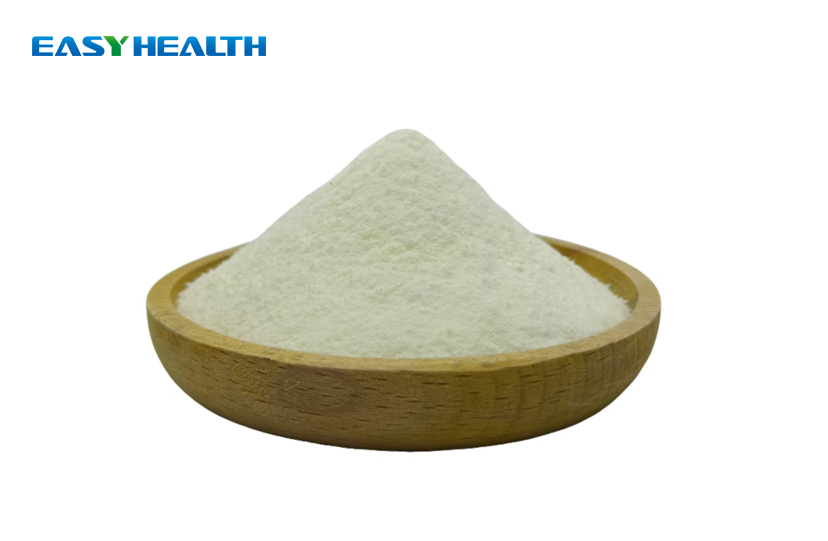
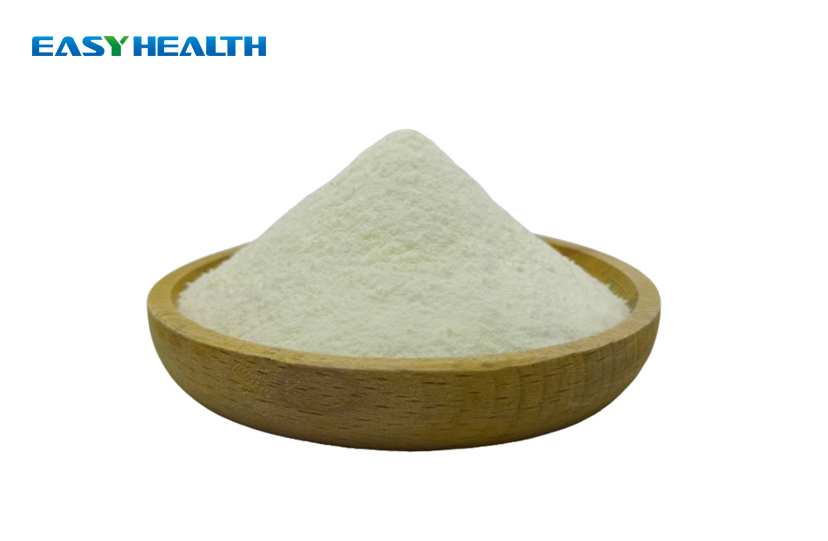
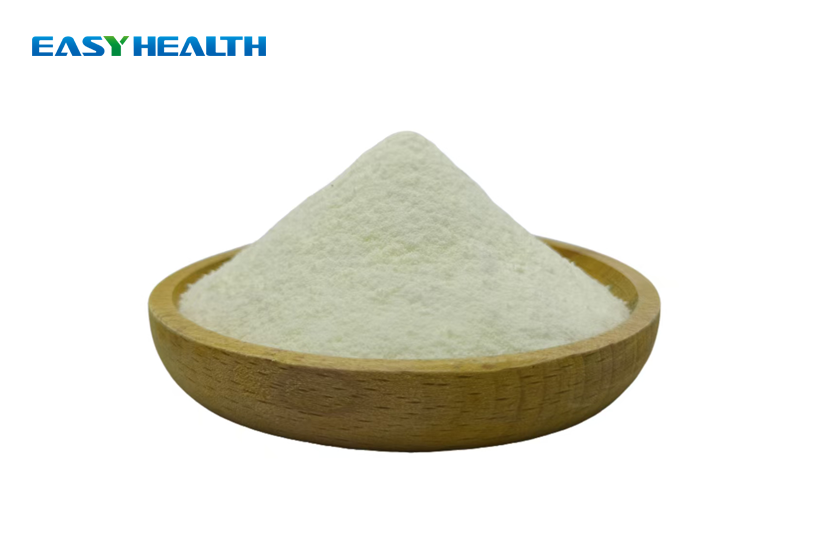
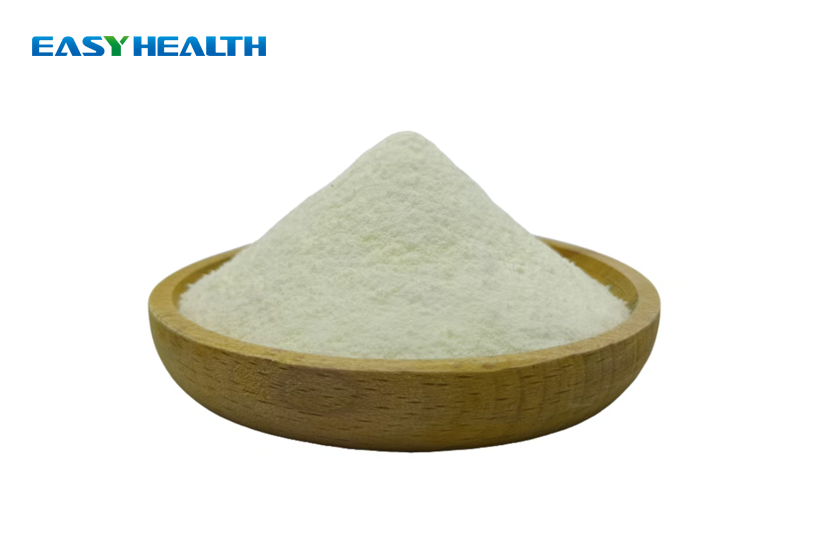
To get quercetin from Sophora japonica L., the flower buds must be picked when they have the highest amount of rutin, which is usually above 20%. The rutin must then be turned into free quercetin through controlled acid or enzyme hydrolysis. The raw extract is washed with solvents, re-crystallized, and ground into tiny particles to make the finished sophora japonica extract quercetin, which is a yellow-green powder that has been tested and found to contain 98% quercetin dihydrate (CAS 117-39-5). The purity, particle size, and stability of the final ingredient are all directly affected by each stage. This makes process control the most important factor in B2B sourcing choices.
Understanding Sophora Japonica and Its Quercetin Content
Botanical Identity and Phytochemical Profile
The Japanese pagoda tree, Sophora japonica L., stores more than 20% of its quercetin glycoside as rutin in its dried flower buds. It's a lot more than most other plant sources. Even though rutin isn't very biologically active on its own, it is used to break down quercetin, which is the biologically active aglycone. Quercetin is made up of the chemical formula C₁H₁O₇. They are held together very well by hard polyphenols that get rid of reactive oxygen species and transition metal ions.
Quercetin vs. Rutin: Why the Difference Matters
A lot of people buy mixed-up controlled extracts of quercetin and rutin. Gut glycosidase has to break down rutin before it can be absorbed, so every person is different. When quercetin aglycone is in the form of dihydrate, it is taken in more quickly in the upper small intestine. On some labels, it says quercetin dihydrate 98% instead of a crude extract that is high in rutin. People who are making serums to make their skin look better or boost their immune systems will benefit a lot from these labels.
Industrial Applications Driving B2B Demand
According to Grand View Research (2023), the global quercetin market was worth around USD 530 million in 2022. The rate of growth is still over 6% per year. Three main uses for quercetin: it is added to skin care products to make them look brighter; it is mixed with zinc in supplements to make them stronger; and it is added to chicken and pig food to change the microbiota in their guts. It is important for all three verticals to use standard raw materials that can be tracked. Buyers putting pressure like this is what makes them look for companies with clear quality systems.

Extraction Methods of Quercetin from Sophora Japonica
Limitations of Classical Solvent Extraction
Tea buds from Sophora japonica have been mixed with hot water or ethanol for a long time to get rid of rutin. Some of the sophora japonica extract quercetin aglycone is broken down by high-temperature acid hydrolysis, though. This also adds coloured impurities that need more cleaning steps. As per USP , any liquids that are still present must be less than 5,000 ppm before they can be used in food or medicine. These liquids are mostly ethanol or ethyl acetate. Later on in the process, formulators are bothered by differences between runs. They are different because of when the crops were picked and how much water was in the raw materials.
Advanced Extraction Technologies
- Ultrasound-assisted extraction (UAE): Acoustic cavitation at 20–60 kHz accelerates cell-wall rupture, cutting extraction time by 40–60% versus conventional heating while preserving thermolabile polyphenols. Studies report quercetin yields 15–25% higher than reflux extraction under comparable solvent volumes (Ultrasonics Sonochemistry, 2019).
- Microwave-assisted extraction (MAE): Targeted dielectric heating raises localized temperature within plant tissue in seconds, reducing total process time and solvent consumption. MAE-derived extracts show lower color impurity levels because shorter heat exposure limits oxidative browning.
- Supercritical CO₂ extraction: CO₂ at 31°C and 74 bar acts as a non-polar solvent, selectively extracting lipophilic fractions with zero solvent residue. For quercetin—a moderately polar molecule—CO₂ is often combined with ethanol as a co-solvent to achieve target yields while maintaining a residue-free certificate.
They don't replace hydrolysis; instead, they make the first step of extraction better, which is before enzymes or acids break down rutin to free quercetin aglycone.
Purification, Micronization, and Quality Verification
The raw quercetin is broken down by water, and columns made of macroporous resin then take it. It is then re-crystallized in a not-very-thick ethanol. To make a powder that is easy to mix and use, it is either sprayed dry or freeze dried. After that, a jet is used to break up the particles into pieces smaller than 5 μm. This size of plant powder dissolves about 30% faster in fake gut juice than standard mesh-80 plant powders. Every batch of output should have as little as 2.0 mg/kg of Pb, 2.0 mg/kg of As, 1.0 mg/kg of Cd, and 0.1 mg/kg of Hg. There should also be fewer microbes than what is allowed by USP guidelines. The Certificate of Analysis (COA) says this. Checks for organic status (USDA NOP or EU Organic) and GMP approval show that the whole process, not just the last test, is up to par.

Comparing Sophora Japonica Quercetin to Other Sources
Concentration and Bioavailability Across Sources
Two to five percent of the dry weight of onion skin extracts is quercetin. Between 0.1 and 1.5% of the mix is apple and grape seed.Flower buds of the Sophora japonica plant, which have more than 20% rutin, can be used to make 98% quercetin dihydrate. Fruit-based sources are more expensive and can't be done on a large scale. Since there are two water molecules in each dihydrate crystalline form of quercetin, it is also more stable than the anhydrous form. Even after 24 months of being in humid air, it doesn't stick together.
Natural vs. Synthetic Quercetin
Synthetic quercetin and natural quercetin are chemically the same at the molecular level. However, the US and EU have different rules about how to handle plant-based products. It is easier for natural quercetin from Sophora japonica to meet the current DSHEA rules for dietary supplements than it is for new manufactured analogs, which might need an NDI notice. For a brand to market itself as "clean" (meaning "no synthetic additives"), the fact that it comes from plants is a real marketing plus that can help the business.
Powder vs. Liquid Formulation Considerations
When sophora japonica extract quercetin powder that is less than 5 μm thick is made into capsules, tablets, or sachet mixes, it has a bulk density of 45–55 g/100 mL. This means that die-fill consistency is the best way to compress pills. To make liquid dispersions or phytosome complexes, you need to spend more money and do more steps. These make it easier for drinks to mix with water. For most B2B uses in nutraceuticals and cosmetics, the micronized dihydrate powder is still the best place to start.
Buying and Procuring Sophora Japonica Quercetin Extract
Supplier Evaluation Criteria
Before asking a quercetin dihydrate supplier for a sample, procurement teams should make sure they have five pieces of paper in order: a current HPLC COA with batch traceability, ICP-MS heavy metal data, USP <467> residual solvent results, microbial testing according to USP <2021>, and a valid GMP certificate. These sellers have been checked by a third party for ISO 9001, Halal, Kosher, FDA registration, USDA NOP, and HACCP. This means that their whole production method has been checked, not just their product.
MOQ, Lead Time, and Pricing Structure
In this case, a minimum order quantity (MOQ) of 25 kg that can be shipped within 3–5 days from bonded stock is a useful measure. If a supplier can't ship samples by that date, they probably have trouble keeping track of their inventory, which will show up again when they're busy. Most of the time, it takes 4–6 weeks to make changes to specs or special particle sizes. Buyers should ask for nitrogen-flushed aluminum foil packaging and double-check the HS Code (1302.19) to make sure they get the right amount of import duty in the US market. This will keep the goods from going bad during the 6–8 weeks of ocean freight travel.
Compliance Documentation for International Trade
Shipments going to the US need both a COA and proof that the manufacturing site is listed with the FDA. Finished supplement goods must also be labeled according to the rules set by the DCHS. That person who wants to make immunity products with "Quercetin + Zinc" should ask the regulatory team of their supplier for GRAS opinion letters or NDI dossiers. It is standard to get a written NDA before giving out recipe information, and you should be wary of suppliers who won't do that.
Ensuring Safety and Effectiveness of Sophora Japonica Quercetin
Antioxidant and Anti-Inflammatory Mechanisms
There are tests that show quercetin stops the lipoxygenase and cyclooxygenase pathways at sub-micromolar levels. This lowers the production of cytokines that cause inflammation (Boots et al., European Journal of Pharmacology, 2008). Because it is a zinc ionophore, it helps move zinc around inside cells, which helps send messages that fight viruses. After 2020, scientists paid a lot of attention to this process.
Skin Brightening: Tyrosinase Inhibition Data
Quercetin stops mushroom tyrosinase from working with an IC value of around 3.6 to 7.0 μg/mL, as seen in tests of enzyme rates. This is about the same as kojic acid, but it doesn't irritate the skin as much at the same amounts. It is possible to stop melanogenesis at more than one stage when cosmetic companies mix quercetin with niacinamide or ascorbic acid.
Dosage, Safety Profile, and Third-Party Validation
In studies with healthy adults, taking 500 to 1,000 mg of quercetin every day for 8 to 12 weeks did not cause any major side effects (Andres et al., Nutrients, 2018). Brands that sell in the US can get independent proof they need to pass their own quality tests and meet the needs of their store partners from labs like Eurofins or SGS. These labs check for identity, purity, and contaminants.
Conclusion
The buds of the Sophora japonica plant are collected in the Qinling mountains. To get high-purity quercetin from them, rutin has to be broken down, re-crystallized, and ground up in a jet mill. Every step affects how strong and stable the end result is. Buyers can check the standard for themselves with sophora japonica extract quercetin in the dihydrate form, which is 98% pure by HPLC and has particles smaller than 5 μm. When making products to boost the immune system, make the skin look better, or help the gut, the easiest way to get a formulation that is legal and ready for sale is to buy from a company that has full batch traceability and a full certification stack.
FAQ
What is the typical quercetin content in a standardized Sophora japonica extract?
Commercial-grade extracts are available at 95%, 97%, and 98% quercetin by HPLC. The 98% dihydrate specification is the most widely adopted for finished dietary supplements because it balances purity with cost and offers the most consistent HPLC profile across batches.
Is natural quercetin from Sophora japonica more effective than synthetic quercetin?
Chemically, both share the same structure (CAS 117-39-5). The practical advantage of the botanical version is regulatory: it fits DSHEA dietary ingredient status more straightforwardly and supports clean-label claims that resonate with US and European consumers.
What certifications should I request from a quercetin dihydrate supplier?
At minimum, request ISO 9001, FDA facility registration, GMP certification, Halal, and Kosher. For US organic-positioned products, USDA NOP certification matters. HACCP documentation confirms food-safety process controls throughout manufacturing.
How should quercetin dihydrate powder be stored and shipped?
Store below 25°C in nitrogen-flushed aluminum foil bags, away from light and moisture. Shelf life under these conditions reaches 24 months. For ocean freight, confirm temperature-controlled warehousing at origin and request documentation of packaging atmosphere at seal time.
Can I sign an NDA before sharing my formulation with the supplier?
Yes. Reputable manufacturers routinely sign mutual NDAs and confidentiality agreements before any formula-level discussion. This is standard practice in B2B ingredient supply and should be requested before submitting any proprietary formulation data.
Request a Sample from Easy Health — Trusted Sophora Japonica Extract Quercetin Supplier
We at Easy Health Inc. have been making our 98% quercetin dihydrate extraction and micronization process better for eleven years now. It only comes from buds of the Qinling Sophora japonica plant and has at least 20% rutin in it. It will take 3–5 days to get 25 kg of our sophora japonica extract quercetin. It has ISO, FDA, Halal, Kosher, USDA NOP, and HACCP certificates to back it up. Send an email to devin@easyhealthbio.com or visit easyhealthinc.com and ask for a COA, sample, or NDA right away.
References
1. Grand View Research. Quercetin Market Size, Share & Trends Analysis Report. 2023.
2. Boots, A. W., Haenen, G. R. M. M., & Bast, A. Health effects of quercetin: From antioxidant to nutraceutical. European Journal of Pharmacology, 2008.
3. Andres, S., Pevny, S., Ziegenhagen, R., et al. Safety aspects of the use of quercetin as a dietary supplement. Molecular Nutrition & Food Research, 2018.
4. Tian, X., & Hua, F. Optimization of ultrasound-assisted extraction of quercetin from Sophora japonica L. flower buds. Ultrasonics Sonochemistry, 2019.
5. Khan, M. K., Zill-E-Huma, & Dangles, O. A comprehensive review on flavanones, the major citrus polyphenols. Journal of Food Composition and Analysis, 2014.
6. Materska, M. Quercetin and its derivatives: Chemical structure and bioactivity. Polish Journal of Food and Nutrition Sciences, 2008.