Beta Carotene Powder vs. Beadlets: Which Is Better?
If you are sourcing beta carotene for food, supplements, or cosmetics, the format you choose matters more than most buyers realize. Beadlets—specifically microencapsulated beta carotene powder—outperform standard powder in heat stability, oxidative resistance, and bioavailability. At pH 2.5 and 130°C, a quality double-wall encapsulated product retains over 90% color intensity, while conventional powder degrades rapidly below pH 3.5 or above 120°C. For procurement professionals comparing both forms, this guide breaks down the technical differences so you can source with confidence.
Understanding Beta Carotene Forms: Powder vs. Beadlets
You can buy two main kinds of beta carotene in shops. Before you buy something, you should find out how it's made and what that means for your production line.
What Is Standard Beta Carotene Powder?
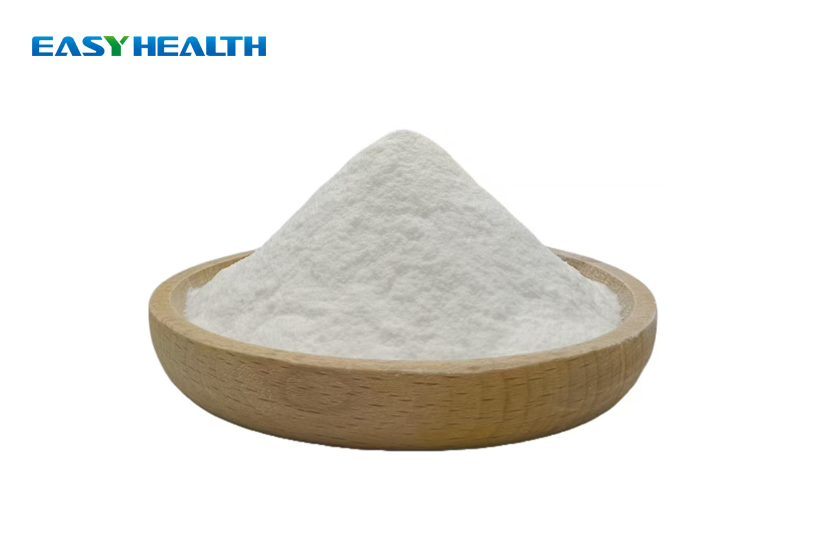
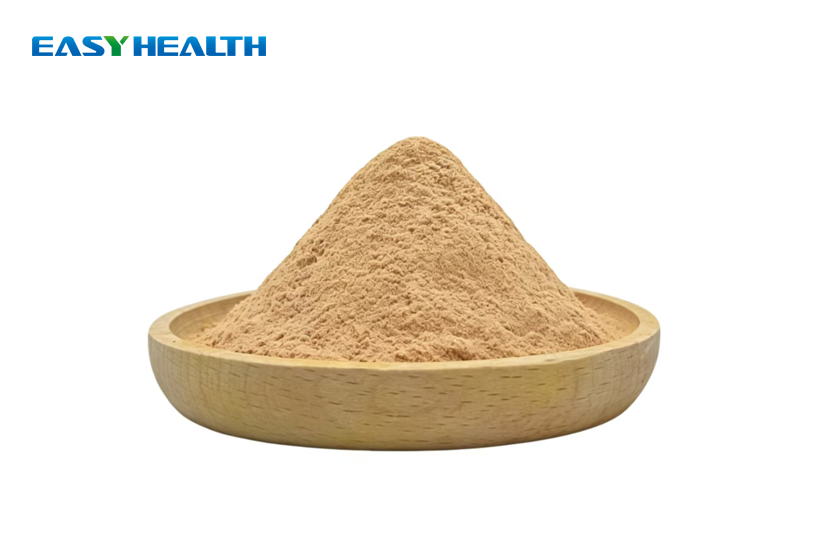
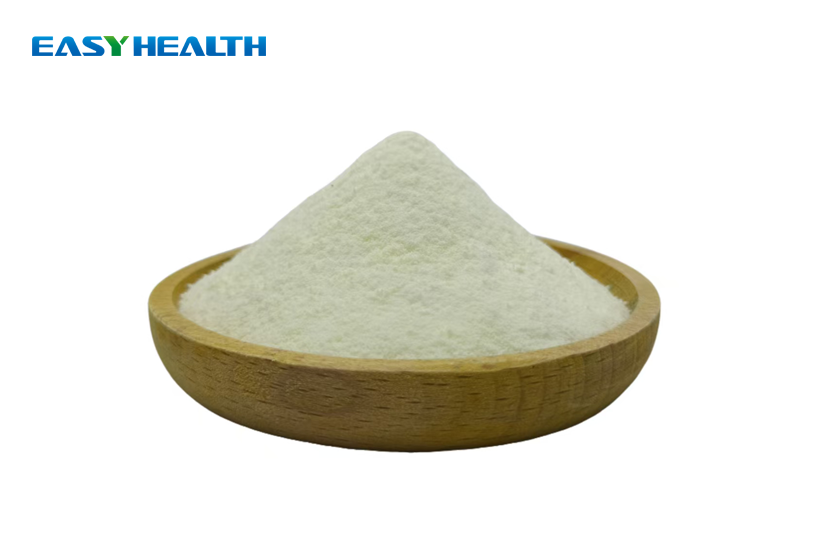
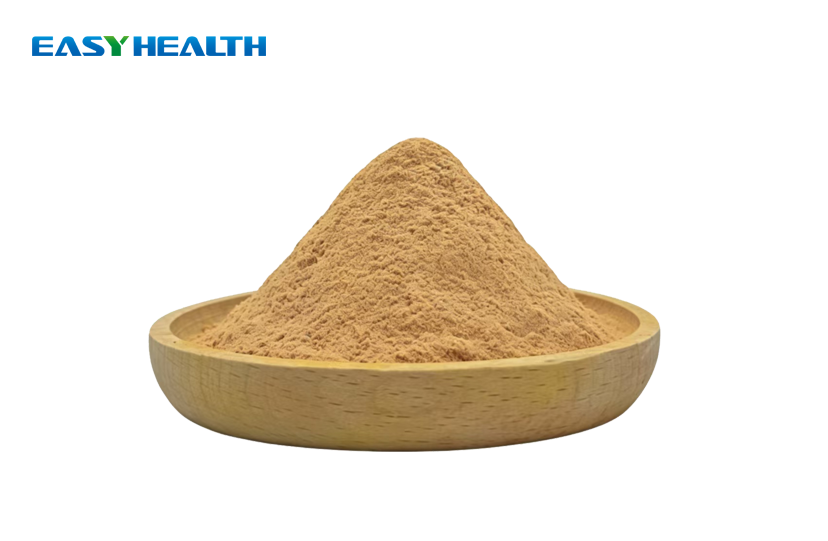
Simple beta carotene powder can be made by chemical synthesis or basic extraction. It's a smooth orange-yellow color that is simple to find and doesn't cost much. However, it does not have a covering that keeps it safe, so the active carotenoid is exposed to air, light, and heat while it is being prepared and kept.
What Are Beta Carotene Beadlets?
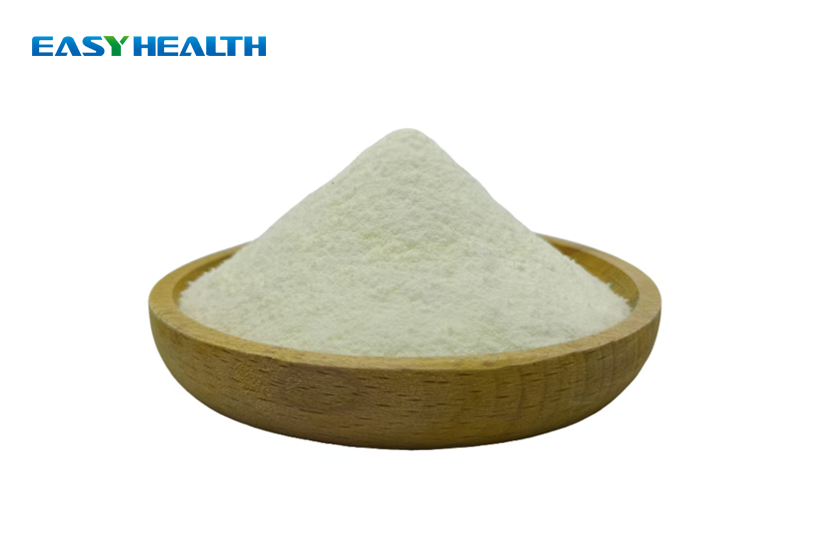
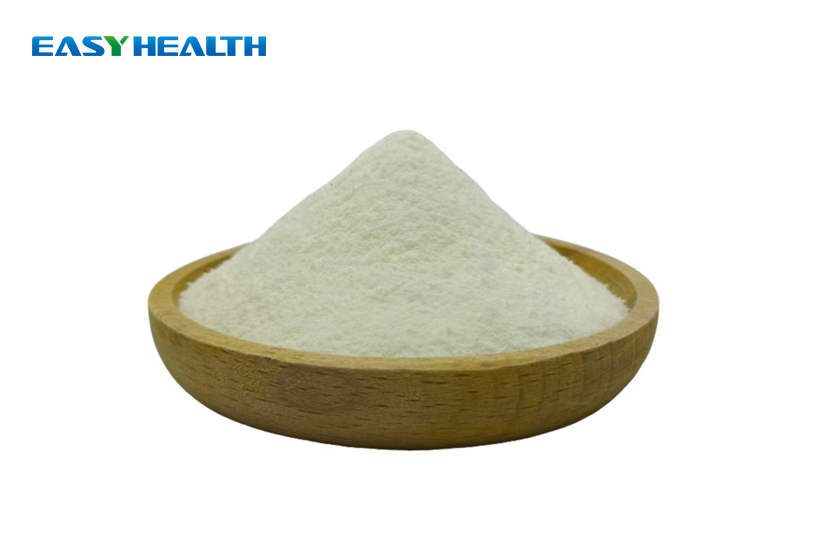
Beadlets are very small particles that have beta carotene inside a matrix that keeps it safe. Modified starch, maltodextrin, or a double-wall polymer system are often used to make this matrix. To make a barrier around each particle, spray-drying or fluid-bed coating technology is used in the encapsulation process. So, the ingredient doesn't break down before it gets to where it needs to go.
Why the Physical Difference Matters
It is because of their different structures that powder and beadlets don't keep their color as well, last as long, or process as well. If the temperature goes above 120°C or the pH drops below 3.5, like when you're making gummies or acidic drinks, powder that isn't covered quickly loses its color and ability to work. Because they are made to work well in those conditions, beadlets are the best form for chewy foods and supplements. This structural difference is a key consideration when choosing between powder and beadlet forms of microencapsulated beta carotene powder for demanding applications.
Key Performance and Functional Differences
There are a number of ways to measure the difference in performance between the two forms once you look past their appearance.
Stability Under Heat and Acid
When it gets above 120°C or when it mixes with liquids that have a pH level below 3.5, beta carotene powder normally breaks down. An Easy Health product made from Blakeslea trispora fermentation that is sealed in two walls and kept at 130°C and pH 2.5 keeps more than 90% of its color. HPLC tests show this level of stability, which is important for uses like fruit juice, gummies, and baked goods that can't stay away from heat and acid.
Bioavailability: Cis-Isomers vs. All-Trans
Most of the isomers in man-made beta carotene are all-trans. Naturally occurring beta carotene has 10% to 30% cis-isomers, which are better absorbed by human stomach systems according to a study. This isomer profile also works with clean-label marketing, which means you can change "colorant" on the label of your product to "beta carotene (natural source)".
Surface Oil and Dispersibility
When making drinks and sweets, surface oil spilling is a problem because it damages molds and makes powder blends stick together. A well-thought-out enclosed product can keep oil on the surface to less than 1% and can be mixed with cold water to get rid of oil rings in clear drinks. There will be less batch rejects and the production lines will be cleaner.

Procurement Considerations: Selecting the Right Beta Carotene Form
Part of the issue is how well the technology works. What about the other hand? Things like seller qualifications, paperwork, and the stability of the supply chain can slow down the launch of a product if they are not thought about. When buying teams place an order, they should make sure that the following conditions are met:
- Certifications: It is important to check that the supplier is approved by ISO, Halal, Kosher, the FDA, USDA Organic, and HACCP. Products for babies or kids may not be approved by the government at all if they don't have a Non-GMO third-party report or an allergen declaration.
- Heavy metal compliance: For use with food or babies, the Pb level must be no more than 2.0 mg/kg, the As level must be no more than 1.0 mg/kg, the Cd level must be no more than 1.0 mg/kg, and the Hg level must be no more than 0.1 mg/kg.
- Batch consistency: Ask the seller if the 10% and 20% specs give you the same amount of color. To change the potencies, they only need to make a small change to the formula. This saves weeks of work on re-validation.
How to Decide: Beta Carotene Powder or Beadlets for Your Business?
What kind of labeling you want to do, the processing environment, and the application will determine which one is best for you. Powder may be enough for dry mixes or uses where the pH and temperature stay low. Capped beadlets, on the other hand, are much better for most modern food and supplement uses. This choice between forms directly affects the performance of microencapsulated beta carotene powder in your specific application.
When Beadlets Are the Stronger Choice
If you need to use high temperatures, processing, or sour pH settings in your production, beadlets are the best choice. Carotenoids that are not protected are used in many things, such as chewy sweets, drink mixes with a pH range of 3.0 to 3.5, and pills that fizz. That force doesn't change the color or strength of beadlets.
When Standard Powder May Work
If you need a cheap product that doesn't last long, is processed gently, and doesn't say anything on the label about being natural or bioavailable, you can still use standard powder. You have to be okay with bigger differences between runs and a greater chance that the color will fade over time.
Matching Potency to Formula Requirements
Easy Health makes an encapsulated product that comes in 10% and 20% strengths. It is made from fermentation. You can get custom cis-isomer ratios for as little as 100 kg MOQ, and it takes about a week to get them. It's easy for R&D teams to change specs because the color numbers don't change much between the two levels of strength.
Future Trends and Innovations in Beta Carotene Delivery
A lot of people and government agencies are pushing people to buy natural, organic, and clean-label products. This is especially true in North America and Western Europe. Kids and shops are paying more attention to synthetic colorants. This makes it easy for fermentation-derived carotenoids that have been shown to be non-GMO to step in. These market trends make fermentation-derived microencapsulated beta carotene powder a strong fit for clean-label product development.
The Shift Toward Natural Source Declarations
Stores in the EU and the US want ingredient lists that show natural chemicals that are easy to spot more and more. Changing "artificial color" or "synthetic beta carotene" to "beta carotene (natural source)" is a key way for mid-range food brands to stand out in the market and attract health-conscious customers.
Encapsulation Technology Is Still Advancing
Double-wall microencapsulation is the current standard for how stable and dispersible something is. It's still being worked on how to improve encapsulation, get smaller particles for better texture in drinks, and get more controlled-release profiles for supplements. Over the course of a long-term relationship, suppliers who invest in fermentation science and package engineering are better able to help with the creation of new products.
Sustainability and Traceability as Procurement Criteria
A procurement team is being judged on more than just price and quality. They are also being judged on how long and how easy it is to track their supply chain. Using fermentation to make things is better for the environment than using petrochemical synthesis, and it also helps make sure that the products are not GMO. It is no longer a nice-to-have but a must-have to be able to track a whole lot, from the raw fermentation substrate to the filled element.

Conclusion
Beta carotene powder and beads are used for various tasks. When you need something that can stand up to heat, acid, or clean labels, beadlets—specifically fermentation-derived microencapsulated beta carotene powder with double-wall protection—do a much better job of keeping the color, absorbing it, and working with processing. When making a purchase decision, you shouldn't just look at the unit price. You should also think about the technical performance, the accuracy of the supplier's certification, and the total cost of production. In North America and Western Europe, people want more natural products. If you choose a certified fermentation-derived, non-GMO encapsulated form, your brand will be ahead of both new government rules and changing customer standards.
FAQ
What is the main advantage of encapsulated beadlets over standard powder?
Beta carotene is kept safe from heat, air, and acidic conditions by beadlets that are enclosed in them. Powder that is not protected breaks down quickly in these conditions. Powder doesn't work at 130°C and pH 2.5, but goods that are double-walled can keep more than 90% of their color strength.
Are cis-isomers actually more bioavailable than all-trans beta carotene?
Researchers have found that cis-isomers are better at being absorbed than all-trans crystalline forms. There are 10% to 30% cis-isomers in beta carotene that comes from fermentation, but almost none in forms that are made in a lab.
What certifications should I require from a beta carotene supplier?
You should at least ask for proof that they are ISO, Halal, Kosher, FDA registered, USDA Organic, and HACCP-compliant. Goods for babies and kids need to have a safety statement and a non-GMO report from a third party.
How do I verify that a supplier is using fermentation-derived beta carotene, not synthetic?
Find the cis-isomer ratio in the HPLC test data that you ask for. Almost no cis is present in manufactured beta carotene. When Blakeslea trispora is fermented, it makes cis-isomers that range from 10% to 30%. Verification by a third party that the food is not GMO adds another layer of trust.
What MOQ applies for custom cis-isomer ratios?
Every order for a unique cis-isomer ratio starts at 100 kg, and it takes about a week to make each batch.
Source Your Encapsulated Beta Carotene from Easy Health
Easy Health is a trustworthy business that sells microencapsulated beta carotene powder. There are many certifications they have, such as ISO, Halal, Kosher, FDA, USDA Organic, and HACCP. They have been preparing foods for more than 11 years. At 130°C and pH 2.5, our Blakeslea trispora-based product keeps more than 90% of its color. It also stays strong between 10% and 20%. Send us an email at devin@easyhealthbio.com to get samples, detailed data sheets, or a written price just for you.
References
1. Britton, G., Liaaen-Jensen, S., & Pfander, H. (Eds.). Carotenoids: Biosynthesis and Metabolism. Birkhäuser, 2004.
2. Tan, C., Xue, J., Abbas, S., Feng, B., Zhang, X., & Xia, S. "Liposome as a delivery system for carotenoids: Comparative antioxidant activity of carotenoids as measured by ferric reducing antioxidant power, DPPH assay and lipid peroxidation." Journal of Agricultural and Food Chemistry, 2014.
3. Ribeiro, H. S., Rico, L. G., Badolato, G. G., & Schubert, H. "Production of O/W emulsions containing astaxanthin by repeated premix membrane emulsification." Journal of Food Science, 2005.
4. Anwar, S. H., & Kunz, B. "The influence of drying methods on the stabilization of fish oil microcapsules: Comparison of spray granulation, spray drying, and freeze drying." Journal of Food Engineering, 2011.
5. Borel, P. "Factors affecting intestinal absorption of highly lipophilic food microconstituents (fat-soluble vitamins, carotenoids, and phytosterols)." Clinical Chemistry and Laboratory Medicine, 2003.
6. Nidhal, K., & others. "Microencapsulation of beta-carotene by spray drying: Effect of wall material and processing conditions on encapsulation efficiency and stability." Food and Bioprocess Technology, 2020.