Marigold Extract Lutein: Benefits for Eye Health
Marigold extract lutein, derived from the petals of Tagetes erecta L., has become one of the most sought-after natural carotenoids in the global nutraceutical market. As a standardized source of trans-lutein (≥82% purity, HPLC-verified), it addresses a growing demand from B2B buyers who need clean-label, high-bioavailability ingredients for eye health supplements, functional foods, and animal nutrition. This guide covers everything procurement professionals, formulators, and OEM brand owners need to know—from composition and clinical benefits to sourcing strategy and supplier selection—so you can make a confident, well-informed purchasing decision.
Understanding Marigold Extract Lutein: Composition and Health Benefits
What Is Marigold Lutein, Exactly?
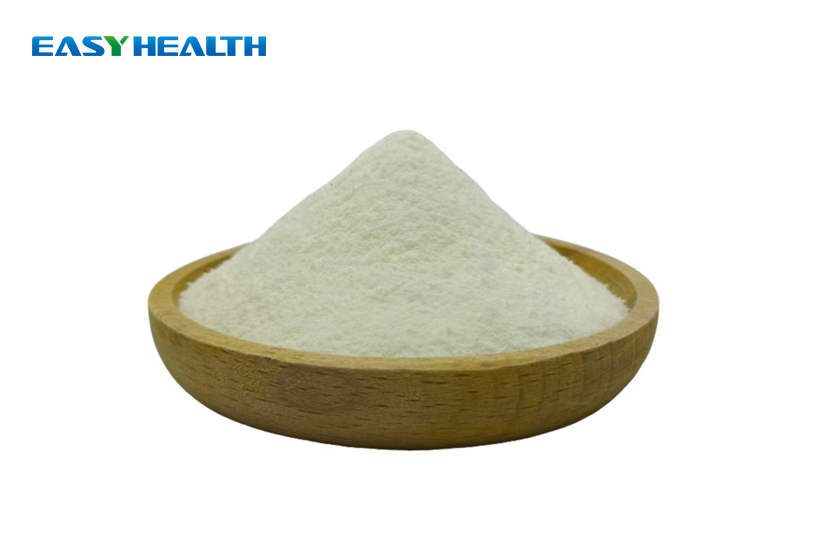
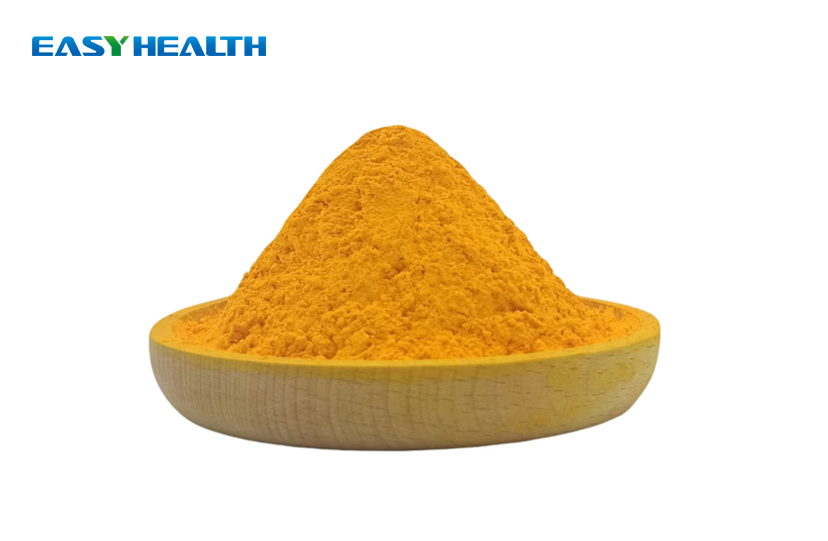
Marigold extract lutein is a xanthophyll pigment that has the formula C40H56O2 and a molecular weight of 568.87 g/mol (CAS No. 127-40-2). It is an orange to orange-yellow powder that is mostly made up of trans-lutein, zeaxanthin, and β-carotene for color. The 3R,3'R,6'R structure that is biologically active is like the carotenoid profile that is naturally found in the human eye. This is the main reason why it's used in so many macular health products around the world.
Clinical Evidence for Eye Health
You can find lutein in the macula. It blocks high-energy blue light and protects retinal cells from free radicals. A study published in Investigative Ophthalmology & Visual Science found that adding lutein to your diet raises MPOD, which is a well-known measure for the risk of age-related macular degeneration (AMD). The AREDS2 study also found that people who didn't get enough of the carotenoids lutein and zeaxanthin who took them together had a 26% lower risk of AMD getting worse.
Extraction Methods and Purity Standards
In industrial production, solvent extraction (hexane or ethanol) is usually the first step to get a lot of trans-lutein. This is followed by saponification and crystals. Easy Health tests 2% to 6% marigold extract and finds ≥82% trans-lutein by HPLC. The amount of ethanol left over is ≤50 ppm, which is well within the limits set by international pharmaceutical guidelines. Because the powder is microencapsulated, it has an extra layer of antioxidants that protect the active ingredient from heat up to 90°C.

Comparing Marigold Extract Lutein with Other Lutein Sources and Forms
Marigold vs. Dietary Greens
There is a small amount of lutein in both spinach and kale (0.3 to 0.6 mg/g fresh weight). This plant's petals, on the other hand, have a lot of marigold extract lutein that can be commercially standardized to exact assay levels. Because of this, they are the only plant source that can be used to make carotenoids that are good enough for supplements. Because these ingredients are more concentrated, companies can get more of them for less money per grain of raw material.
Powder vs. Liquid Extracts
If you want to process something, dry microencapsulated powder is easier to work with than oil-based liquid solutions. The powder doesn't stick together, so it can be pressed straight into pills. Temperatures for feed pellets between 85°C and 90°C won't make it change much or become less stable. It works well in softgels to mix liquid oils, but they need to be shipped in a cold chain and are more likely to go bad because of oxidation. That annoying "oil ring" that forms in clear drinks can be fixed with Easy Health's cold-water-soluble (CWS) nano-emulsified version that can be used in drinks.
The Zeaxanthin Partnership
The ratio of lutein to zeaxanthin in AREDS2-aligned eye health products is always 10:2. In the fovea and around the edges of the retina, these pigments naturally spread out in this way. As a natural co-carotenoid, zeaxanthin is found in Easy Health's marigold extract. This makes it easier to formulate with more than one ingredient because zeaxanthin doesn't have to be sourced separately. This profile is already there, so it helps with clean-label positioning and makes it easier to fill out regulatory paperwork.
Marigold Extract Lutein Applications in the Eye Health Industry
Dietary Supplements and Softgels
Eye health items like pectin-based candies, softgels, and capsules that help prevent AMD and shield eyes from blue light are the most common B2B use. If you want to make tablets, Easy Health's direct-compression-grade powder doesn't let oil get in the way. For people who make softgels, the oil-suspension version is also available. This gives formulators more choices for the format, but each batch still has the same amount of trans-lutein that has been verified by HPLC.
Functional Beverages
With the CWS nano-emulsion method, it is now possible to put lutein in healthy drinks. When lutein is mixed with oil, it breaks apart in water, creating "oil rings" that don't look good on the shelf and aren't stable. Nano-emulsion particles are rarely bigger than 200 nm, and they spread the ingredient out evenly across a pH range. It can be used in ready-to-drink health shots, sports drinks, and dairy drinks where customers care about how clear the drink is.
Poultry Feed and Aquaculture
Lutein is a natural colorant that is found in marigold extract lutein. It is also used in a lot of different animal and fish feeds. In 10 to 15 days, the color of the egg yolk, the skin, and the meat start to get better at a rate of 0.25 to 1.25 kg/MT for chicken and 0.5 to 2.5 kg/MT for shrimp and crab. The microencapsulated form of Easy Health makes sure that the active carotenoid goes to the animal's tissue and doesn't get broken down in the feed line during pelleting and high-shear extrusion.

Procuring Marigold Extract Lutein: What B2B Buyers Should Know
Essential Certifications to Require
Quality assurance papers is a must in places where ingredients are controlled. Before putting in an order, buyers should at least check to see if the supplier is ISO 9001, ISO 22000, HACCP, or FAMI-QS certified. You need to get Halal approval before you can sell your goods in the Middle East and Southeast Asia. It's important for North American supplement brands to be registered with the FDA and Kosher (KOF-K/OU). Each batch comes with a full Certificate of Analysis (COA) that checks for heavy metals, chemical residues, bacteria numbers, and fluid residues. All of these are owned by Easy Health.
This is the most important CoA thing that buying teams should look at with every new batch:
- Trans-lutein assay: ≥82%, confirmed by HPLC—this directly determines RYCF score in poultry and macular pigment delivery in human supplements.
- Heavy metals: Pb ≤3 mg/kg, As ≤3 mg/kg, Cd ≤1 mg/kg, Hg ≤1 mg/kg—all compliant with EU and US pharmacopeial limits.
- Microbiology: Total plate count ≤1,000 CFU/g; E. coli, Salmonella, and Staphylococcus aureus all negative—essential for GMP-compliant manufacturing environments.
- Residual solvents: Ethanol ≤50 ppm—well within ICH Q3C Class 3 solvent limits.
- Moisture: ≤7%, supporting a minimum 12-month shelf life in nitrogen-flushed 25 kg packaging.
Getting these things from a seller who can give you batch-specific data and specification sheets will keep your production line from having to do costly rework. This is because these things have a direct effect on how well the formulation works and on regulatory reports that come later.
Evaluating Suppliers: Beyond the Price List
Price is important, but supply chain security is more important for people who buy every month. Marigold fresh flower prices change with the seasons, which can cause prices to go up quickly or raw materials to run out. Buyers are better protected against supply problems if they negotiate contracts that are tied to price indices and make sure that their supplier keeps safety stock that is kept at a safe temperature. Easy Health has standard specs in stock and can send them out in three to five days. They can also make custom recipes in 4 to 6 weeks, and this includes OEM/ODM services for cosmetics, pills, gummies, and solid drinks.
Conclusion
Natural lutein from Tagetes erecta leaves is still the most concentrated and safe plant-based carotene that can be bought for eye health. The quality of the marigold extract lutein you use to make your final product determines how well it works, whether you are making an AREDS2-aligned softgel, a blue-light-blocking candy, a clear functional beverage, or a primer for chicken feed pigments. One trustworthy seller of ingredients is different from one that is just there to make deals: they have a fast supply chain, full certification paperwork, verified trans-lutein content, and thermal stability. Easy Health takes care of all four.
FAQ
Is long-term lutein supplementation considered safe?
In fact, the FDA says that lutein is usually thought to be safe (GRAS) for use in some food situations. Lutein supplements were used in clinical trials like the AREDS2 trial for five years without any bad effects. 10 mg of lutein and 2 mg of zeaxanthin per day is a normal amount for healthy adults to take as a supplement.
How does marigold-sourced lutein compare in bioavailability to lutein from food sources?
When you extract and saponify marigolds, the protein-carotene matrix that stops absorption from plant cell walls is taken out. This means that trans-lutein from marigold extract is better absorbed than lutein from raw vegetables. It works even better to take lutein pills with a food that is high in fat. This is because the fat helps the process of micellarization and digestion.
What should B2B buyers check to verify product quality before ordering?
To be sure of the trans-lutein assay, heavy metals panel, ethanol residue, and full microbial screen, ask for an HPLC CoA that is unique to the batch. Compare the supplier's FAMI-QS and ISO certificates to what the licensing body has made public. Ask for a 5–10 kg sample to be checked by someone in your company or a third party before you agree to a trial order.
Ready to Source Verified Marigold Extract Lutein? Contact Easy Health
Easy Health has been making marigold extract lutein from marigolds for more than 11 years and is a trustworthy company. In North America, Europe, and Asia, they work with brands of nutraceuticals, feed premixes, and functional drinks. HPLC tests have been done on our microencapsulated lutein powder, which comes in 25 kg pieces that have been washed with nitrogen. It's ready for your next preparation job and comes with all the paperwork you need to get it certified.
Call our team right away to get an example, a full COA package, or a price for OEM work. Email us at devin@easyhealthbio.com or visit easyhealthinc.com to see our list of products and fill out a form to get in touch.
References
1. Age-Related Eye Disease Study 2 Research Group. AREDS2 Report No. 3. JAMA Ophthalmology, 2013.
2. Bernstein, P.S., et al. Lutein, zeaxanthin, and meso-zeaxanthin: The basic and clinical science underlying carotenoid-based nutritional interventions against ocular disease. Progress in Retinal and Eye Research, 2016.
3. Eisenhauer, B., et al. Lutein and zeaxanthin – food sources, bioavailability and dietary variety in age-related macular degeneration protection. Nutrients, 2017.
4. Ma, L., et al. A 12-week lutein supplementation improves visual function in Chinese people with long-term computer display light exposure. British Journal of Nutrition, 2009.
5. Juturu, V., et al. Overall skin tone and skin-lightening-improving effects with oral supplementation of lutein and zeaxanthin isomers: a randomized double-blind placebo-controlled clinical trial. Clinical, Cosmetic and Investigational Dermatology, 2016.
6. Nolan, J.M., et al. Macular pigment optical density in an ageing Irish population. Investigative Ophthalmology & Visual Science, 2010.