How Is Microencapsulated High Oleic Sunflower Oil Powder Used in Food Products?
Microencapsulated high oleic sunflower oil powder is used across a wide range of food products by converting liquid high oleic sunflower oil into a stable, free-flowing dry powder through spray drying and multi-layer embedding. This format allows food manufacturers to incorporate healthy monounsaturated fats—specifically oleic acid (C18:1) at ≥80% of total fatty acids—into dry-mix formulations without greasy residues, clumping, or oxidation. Applications span meal replacement shakes, protein bars, instant coffee creamers, baked goods, infant formula, and pet nutrition, delivering clean-label fat enrichment with an OSI of 25+ hours and zero detectable trans fats.

Understanding Microencapsulated High Oleic Sunflower Oil Powder
What It Is and How It Works
Non-GMO cold-pressed oil The seeds of the Helianthus annuus L. plant are used to make high-oleic sunflower oil powder that is put into capsules. With advanced spray drying, the oil is trapped inside a maltodextrin or modified starch matrix that keeps it safe. There are walls around the oil that keep it away from air, water, and light. These are the three main things that oxidize lipids.
Why Oleic Acid Makes the Difference?
It's easy for sunflower oil to break down because it has more than 60% linoleic acid. Our product has more than 80% oleic acid per gram of oil. Oleic acid changes the way fatty acids are made, which makes them chemically more stable. For regular sunflower oil powder, the Oxidation Stability Index (OSI) goes from about 5 hours to 25 hours or more after that one change. This makes it about five times more stable.
Key Physical Specifications at a Glance
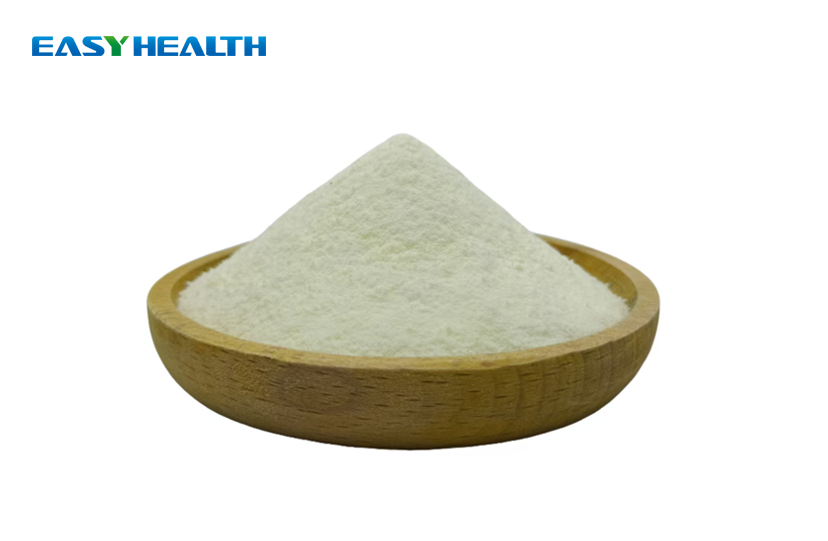
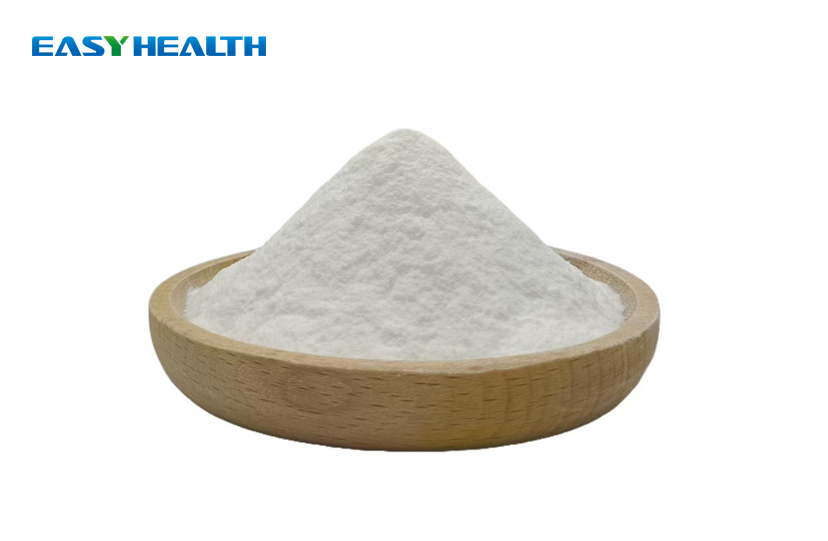
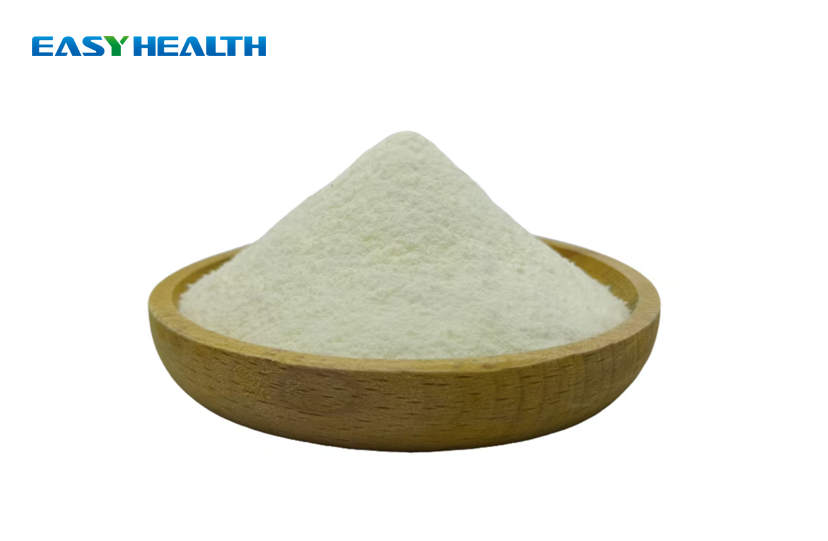
The powder is off-white to light yellow and runs easily through a 40-mesh sieve. The peroxide level is kept at ≤2.5 mmol/kg, the wetness level at ≤5.0%, and the oil level on the top at ≤1.0%. The amount of microencapsulated high oleic sunflower oil powder trans fat is less than 0.05%, which is a lot less than the clean label limit. Standard refined oils, on the other hand, have trans fat amounts between 0.3% and 0.5%. GC is checked on every batch of production to make sure these numbers are correct. These specifications make the microencapsulated high oleic sunflower oil powder a strong clean-label ingredient choice.
Key Applications of This Oil Powder in Food Products
Encapsulated high oleic sunflower oil powder is used by food makers because it can add steady fat to a dry system without changing the look, feel, or shelf life. It can't be done with liquid oil. You can use this thing in the following ways that work best.
Meal Replacements, Keto Shakes, and Clinical Nutrition
This part is used in weight loss packs and ketogenic meal replacement powders as a clean fat source. It mixes well and doesn't leave behind an oily taste or separate into different parts. The 60% oil load type works well here because it can be mixed dry and has the right amount of caloric density. Both the amount of oleic acid that can be checked per batch and the amount of trans fat that can't be found are important to clinical nutrition formulators because they help the product stay on the label.
Functional Foods: Protein Bars and Instant Beverages
For lines that make protein bars, this shape is very useful. There isn't enough fat spread out when liquid oil is used because the press gets stuck. On the other hand, encapsulated powder works well in tablet presses and extruders. Instant coffee creamers and energy drink powders have microcapsules that break down in hot or cold water. They don't leave an oily layer on top, so the product stays smooth and creamy. These processing and solubility advantages make microencapsulated high oleic sunflower oil powder a practical ingredient for protein bars, creamers, and instant beverages.
Baking, Premixes, and Infant Nutrition
When you store baking premixes, the shell around the oil keeps the chemical leavening agents from reacting with it. Because of the heat, the oil comes out, which helps the crumb stay together and keep its wetness. It meets strict microbiological and heavy metal standards for infant formula and pediatric nutrition (lead ≤2.0 mg/kg, arsenic ≤1.0 mg/kg, and Salmonella negative per 25g), so people who are sensitive to these things can eat it without worry.

Advantages of Microencapsulation Technology for High Oleic Sunflower Oil
When this tech is used on the work floor and to test finished goods, it really helps make things. In terms of technology, encapsulated forms are better than large liquid oils because of the following?
- Oxidation protection without synthetic antioxidants: The wall matrix acts as a physical barrier, replacing the need for TBHQ or BHA in many formulations. This allows brands to shorten ingredient lists, a growing priority in North American and Western European markets.
- Batch-to-batch consistency across all three oil loads: Easy Health produces the 50%, 60%, and 70% oil load variants on the same spray tower, using identical wall materials and process parameters. This eliminates inter-batch variation that typically occurs when suppliers switch towers for different concentrations.
- Surface oil controlled at ≤1.0%: Low surface oil is directly linked to production efficiency. When surface oil exceeds specification, tablet press punches accumulate residue, causing entire production batches to fail. Our specification holds surface oil to ≤1.0%, protecting the production line.
Controlled Release Behavior
When the product is baked or pushed through a die, the wall material breaks down at the manufacturing temperatures. This lets the oil come out where it can do the most good. When liquid oil is added, the fat doesn't spread out evenly and can rise to the top while being stored. This means that the controlled-release behavior can't happen. This controlled-release mechanism is a key functional advantage of microencapsulated high oleic sunflower oil powder over liquid oil in baked and extruded products.
Operational Handling Benefits
The powder form makes it easier to weigh, lessens the chance of spills, and works with standard pneumatic conveying systems. To store things properly, all you need is a cool, dry place with cases that close tightly. However, bulk liquid oil only lasts 6–12 months. If you store it right, it can last 18–24 months.

Procurement Considerations for Encapsulated Sunflower Oil Powder
Certifications That Matter for Your Market
There are different rules for each type of entry. Easy Health has an account with the FDA, is kosher and halal, and is certified organic by the USDA NOP. It also meets ISO standards. For people who buy baby formula or clinical nutrition, each shipment comes with a Certificate of Analysis (COA) that proves the amount of oleic acid using gas chromatography.
Oil Load Selection and Switching Costs
Choose the right oil load from the start so you don't have to spend a lot of money on reformulating. You can use the 50% grade to fill pills and tablets. The 60% mark can be used for most things in useful foods. The 70% grade is for fuel for sports and medicine that is high in energy. Because they all use the same wall material and process settings, there is no need for a new stable study or label change when going from one grade to another. When brands have to handle a lot of SKUs, this saves them a lot of money.
Sample Availability and Lead Times
We keep standard 50% and 60% oil load items in stock so we can send them out right away. Within 3 to 5 business days, samples weighing 500g to 1 kg are sent out. Custom specs are made in the same lead time window for small tests. To make full business batches, 25 kg drums can be used. These drums can be used by the brand itself or by regional wholesalers to ship in consolidated containers.
Future Directions for Encapsulated Lipid Ingredients in Food
Clean Label and Regulatory Alignment
The EFSA and the U.S. Food and Drug Administration are both looking more closely at synthetic antioxidants in food. When brands replace TBHQ and BHA with high oleic oil that is enclosed, they can list healthier ingredients and still pass their stability tests for oxidative stability. Because of this change in rules, the need for encapsulated lipid forms is expected to keep growing until 2030.
Plant-Based and Sustainability Trends
People who buy natural and organic products want products that are physically refined and don't come from GMOs. When shipping oil in powder form instead of liquid form, it is lighter and takes up less space. This means that for every unit of active oleic acid that is given, less carbon is released.
Emerging Applications
It is being looked into more how packed high oleic powders can be used in topcoats for molded pet food and oral nutrition supplements for kids. Long-term oxidative stability at room temperature is needed for both groups. This is where high oleic fatty acid chemistry makes a difference in performance.
Conclusion
You can solve three manufacturing problems at once by putting high oleic sunflower oil powder in capsules: it keeps formulations free of added antioxidants, it keeps production lines running smoothly without oil buildup, and it keeps finished products stable for their whole shelf life. Brands that make meal replacements, functional foods, baby feeding, and regional ingredient wholesalers can all use this ingredient. There were no trans fats found, and three oil load types were made on a single spray tower to make sure that batch quality was always the same. This format is a direct, data-backed answer for your formulation team that has spent time trying to figure out why something went bad or the press wouldn't move. These combined benefits make microencapsulated high oleic sunflower oil powder a practical solution for a wide range of food manufacturers.
FAQ
How stable is this powder compared to liquid sunflower oil?
The OSI of the powder inside is at least 25 hours, which is five times longer than the 5-7 hours that regular liquid sunflower oil stays stable. A protective wall matrix keeps oxygen from getting to the oil core. This stops the first stage of oxidation. This means it can be kept in the right way for 18–24 months, while big pools of oil can only be kept for 6–12 months.
Can the powder be used in vegan formulations?
Yes, as long as the stuff used to carry it is made from plants. Easy Health uses either maltodextrin or modified starch wall systems. These work well for signs on veggie and plant-based foods. When you ask for a sample, make sure you talk to our expert team about the exact make-up of the wall material.
Does spray drying damage the oleic acid content?
Not at all. Spray drying keeps the core temperature low during the phase of fast evaporation of water, which keeps the fatty acid profile. GC tests show that oleic acid makes up at least 80% of the fatty acids in the oil every time it is made.
What happens if I switch between the 50%, 60%, and 70% oil loads?
All grades of powder have the same chemical and physical properties because they are all made on the same spray tower with the same wall materials and process settings. People who make this family of products don't have to do full stability studies all over again when they change the grade of oil load.
Partner With Easy Health for Reliable Microencapsulated High Oleic Sunflower Oil Powder Supply
For more than 11 years, Easy Health Inc. has sold food ingredients all over the world. Along with batch-specific COAs and GC-verified oleic acid data, they can fully track every package from the raw seed to the last drum. We keep both 50% and 60% types of microencapsulated high oleic sunflower oil powder in stock so that we can ship them the same week. We can also help you make custom oil loads for certain uses. You can get your technical data sheet or a sample right now by emailing devin@easyhealthbio.com.
References
1. McClements, D. J., & Decker, E. A. (2000). Lipid oxidation in oil-in-water emulsions: Impact of molecular environment on chemical reactions in heterogeneous food systems. Journal of Food Science.
2. Frankel, E. N. (2005). Lipid Oxidation (2nd ed.). The Oily Press.
3. Kolanowski, W., Laufenberg, G., & Kunz, B. (2004). Fish oil stabilisation by microencapsulation with modified cellulose. International Journal of Food Sciences and Nutrition.
4. Shahidi, F., & Han, X. Q. (1993). Encapsulation of food ingredients. Critical Reviews in Food Science and Nutrition.
5. Uauy, R., Mize, C., & Castillo-Duran, C. (2000). Fat intake during childhood: Metabolic responses and effects on growth. American Journal of Clinical Nutrition.
6. Drusch, S., & Mannino, S. (2009). Patent-based review on industrial approaches for the microencapsulation of oils rich in polyunsaturated fatty acids. Trends in Food Science & Technology.