How Does Liposomal Vitamin C Improve Skin Elasticity?
Liposomal vitamin C powder improves skin elasticity by delivering ascorbic acid directly to dermal cells at significantly higher concentrations than standard oral forms allow. The phospholipid bilayer structure protects vitamin C from gastric acid degradation, preserving more active compound for absorption. Once absorbed, ascorbic acid acts as an essential cofactor in collagen synthesis — the protein network responsible for skin firmness and bounce. Research confirms that higher circulating vitamin C levels correlate with measurably better skin elasticity, making the delivery format a deciding factor in product performance.
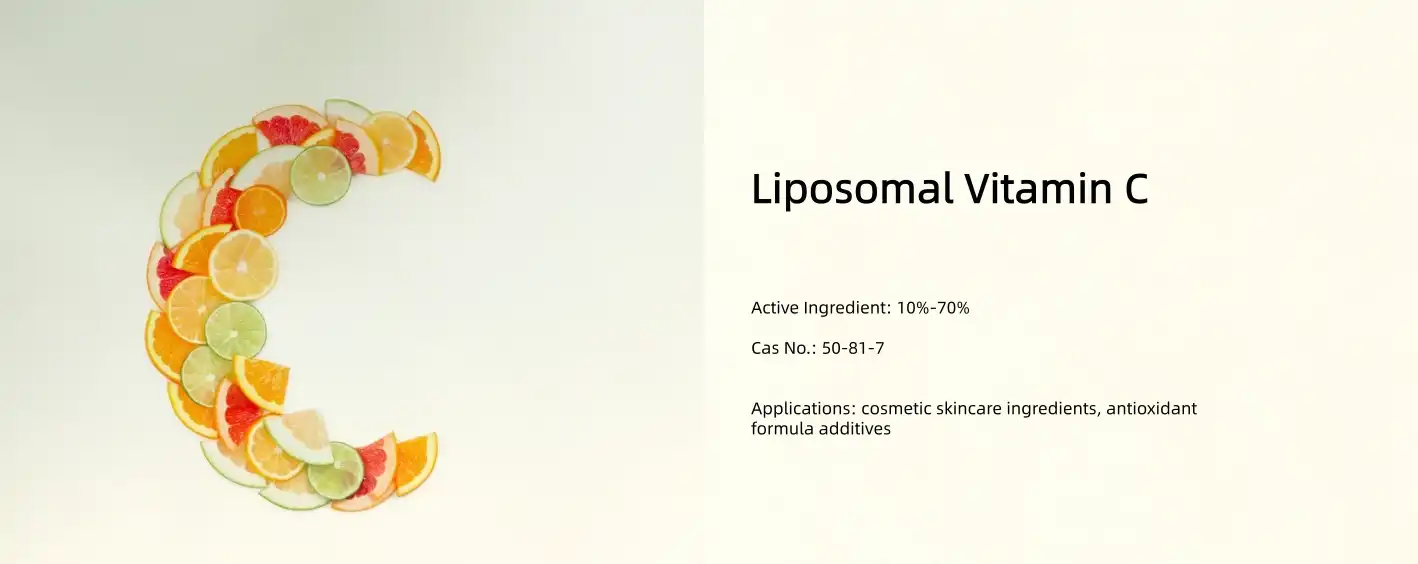
Understanding Liposomal Vitamin C and Its Role in Skin Health
What Makes Liposomal Delivery Different?
Higher amounts of standard ascorbic acid are not well absorbed because SVCT1 transporters in the intestines get full very quickly. Liposomal encapsulation protects vitamin C in a very small phospholipid shell. This lets it pass through the digestive system without getting broken down and get into cells more quickly. This changes the way that active vitamin C gets to the skin in a big way.
Vitamin C as a Collagen Co-Factor
Two hydroxylation processes are needed to make collagen, and vitamin C is a direct co-factor in both of them. Fibroblasts can't make stable collagen fibrils if they don't have enough ascorbic acid at the cellular level. Liposomal delivery raises vitamin C levels inside cells more consistently than regular supplements. This gives fibroblasts the building blocks they need to keep the structure of the skin.
Antioxidant Protection for Skin Cells
Free radicals are made by UV light and environmental pollutants and break down collagen and elastin that are already there. In the skin's extracellular tissue, vitamin C gets rid of these reactive oxygen species. Liposomal formats are better at protecting against oxidative stress, which makes skin look older faster, because they deliver more vitamin C to tissues per dose.
Advantages of Liposomal Vitamin C Powder Over Other Forms for Skin Elasticity
Vitamin C can be bought in the form of tablets, capsules, liquid serums, and plain powder. Each form works in some way, but the bioavailability differences can be measured and are important for product claims.
Before you decide where to get your materials, you should know about these main differences in performance:
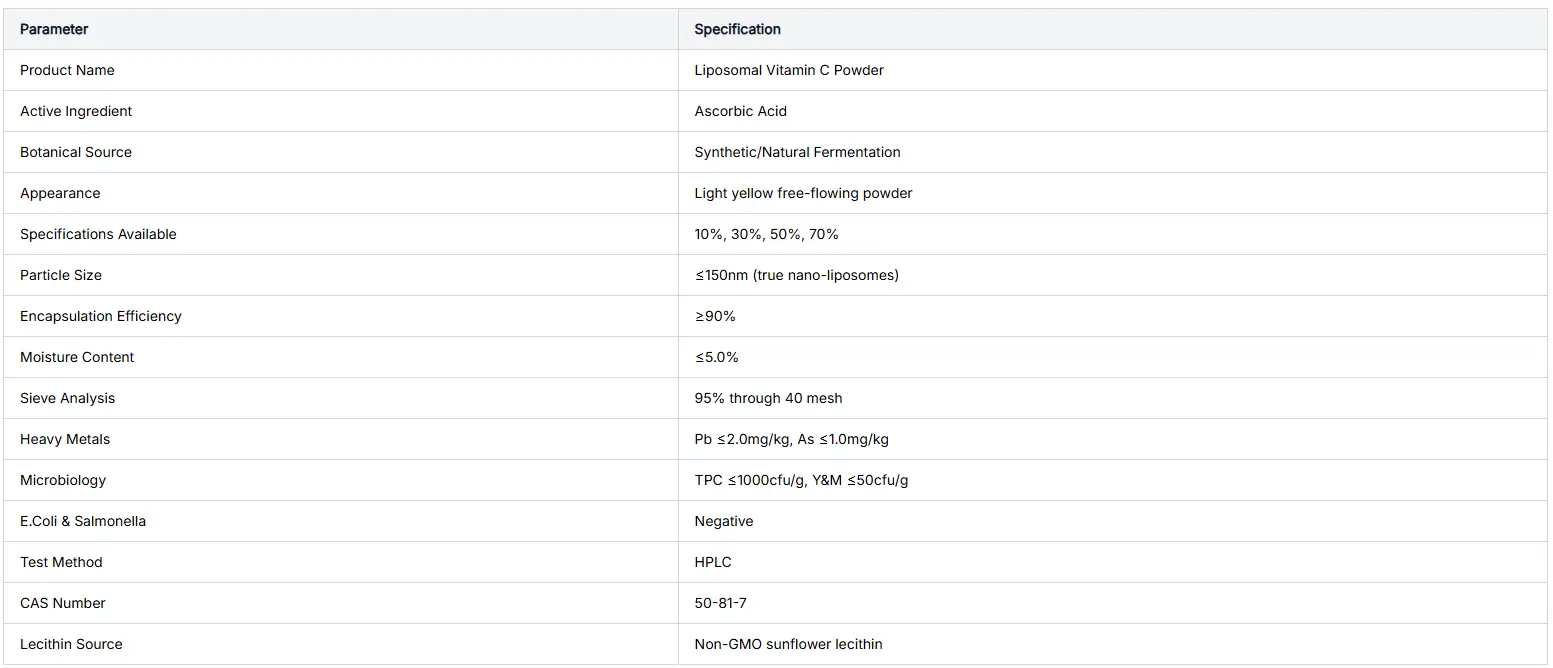
- True liposome structure vs. physical blends: Most products labeled "liposomal" are simply lecithin and ascorbic acid mixed together. Genuine liposomes, produced through high-pressure homogenization at particle sizes ≤150nm, encapsulate vitamin C inside the bilayer rather than coating it loosely. This distinction directly affects how much vitamin C survives gastric transit.
- Encapsulation efficiency ≥90%: Standard blended products reach only 50–70% encapsulation efficiency, leaving a large fraction of vitamin C exposed to stomach acid. Per-batch HPLC testing confirming ≥90% encapsulation efficiency means the active ingredient is protected where it counts.
- Gastric acid stability: Simulated gastric fluid testing shows that quality liposomal powder retains ≥85% of its vitamin C content after two hours of acid exposure — a result standard ascorbic acid cannot match.
These differences have a direct effect on how well the product works. For supplement brands that market their products around collagen production or skin strength, the way the liposomal vitamin C powder is delivered is an important part of the health claim. If your supplier gives you DLS particle size reports and per-batch encapsulation data, you can trust that the technical basis of your formulation is solid.
How to Effectively Use Liposomal Vitamin C Powder to Improve Skin Elasticity?
Recommended Dosage and Specification Selection
Standard daily amounts for skin health that are taken by mouth are between 500 mg and 1000 mg of ascorbic acid equivalent. Easy Health's liposomal vitamin C powder comes in grades ranging from 10% to 70% ascorbic acid by weight. This lets formulators choose concentration grades that work with different types of capsules, stick packs, and drinks.
Timing and Formulation Considerations
It is most bioavailable when taken by mouth with or right after food, because food slows down the emptying of the stomach and gives the medicine more time to touch the intestinal barrier. For powder mixes and functional drinks, the light yellow, free-flowing powder mixes quickly with water to make a stable solution that doesn't cake up, which is useful for instant drinks and sachets.
Ingredient Combinations That Support Skin Elasticity
Vitamin C works best when combined with other ingredients. Vitamin C is helpful for collagen peptides because it helps with hydroxylation. Zinc helps fibroblasts grow, and vitamin E fixes vitamin C that has been damaged in skin tissue, making it more effective as an antioxidant. Adding a high-bioavailability ascorbic acid source to these makes your product more clinically sound overall.
Procurement Insights: Selecting and Sourcing the Best Liposomal Vitamin C Powder
Quality Standards That Cannot Be Negotiated
Before making a serious purchase decision, you should look at two pieces of information: particle size ≤150nm, which can be confirmed by DLS testing; and encapsulation efficiency ≥90%, which can be confirmed by per-batch reports. Suppliers who can't do both should be immediately disqualified. You should also ask for a full heavy metals panel to ensure that the amounts of lead, arsenic, cadmium, and mercury are all within safe limits, as well as a moisture content of ≤5% and a peroxide value of ≤2.5mmol/kg.
Manufacturing Process Transparency
Ask sources if high-pressure blending or simple mixing is used to make liposomes. True vesicles with a uniform particle size distribution can only be made by mixing at high pressure. A reliable manufacturer will give you a written process description, TEM or DLS images that show the formation of vesicles after rehydration, and an HPLC certificate of analysis.
OEM and Private Label Flexibility
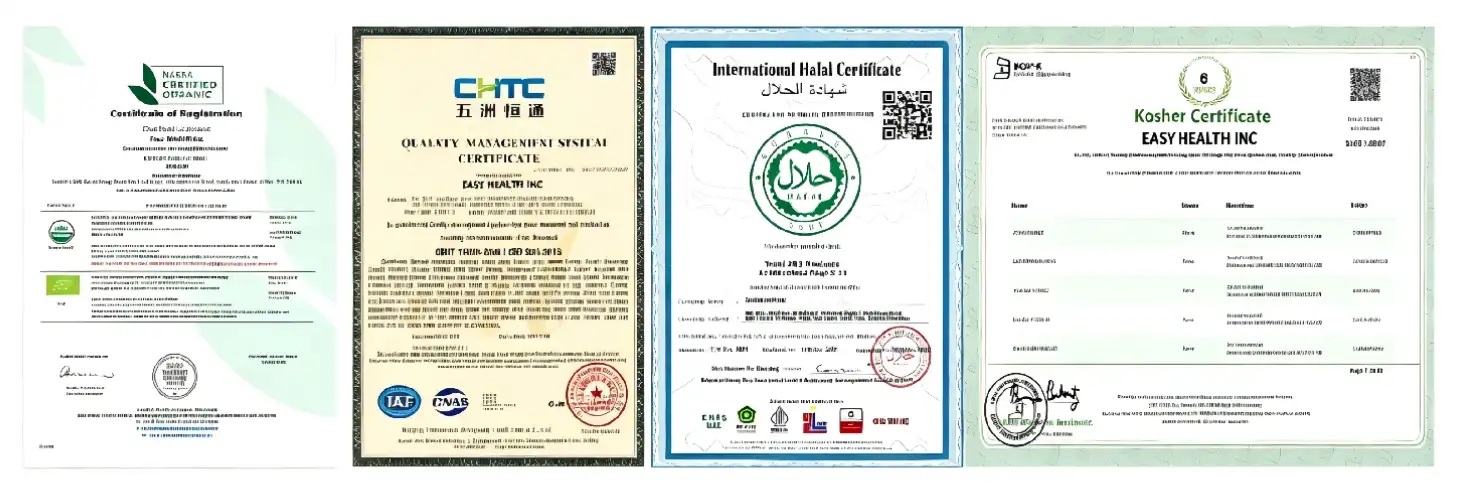
When brands and contract makers buy a lot of liposomal vitamin C powder—usually 2 to 40 tons a year—they need a supplier with flexible MOQs, custom concentration grades, and the ability to meet the rules in each area. Making sure that your supplier has ISO, HACCP, Halal, Kosher, and FDA registration certificates makes it easier to follow the rules in different markets.
Addressing Common Concerns About Liposomal Vitamin C Powder
Is It Safe for Long-Term Use?
The phospholipid carrier used in liposomal formulations is a naturally occurring part of cell membranes. It is usually phosphatidylcholine, which comes from sunflower or soy lecithin. It's safe to take in the amounts found in supplements. Heavy metal levels in approved products are still well below set safety levels, and the fact that E. coli and Salmonella were not found in microbiological tests proves that the goods are safe.
Does the Lipid Shell Survive Stomach Acid?
Yes. The acidic environment of the stomach doesn't affect the structure of the phospholipid bilayer. Studies using simulated gastric juice show that good liposomal products keep at least 85% of their vitamin C content after two hours at pH levels in the stomach. Here is a standard that can be measured and tested. It is not a marketing claim.
What About the Taste and Sensory Profile?
Liposomal packaging hides a lot of the sour taste, unlike raw ascorbic acid, which makes things taste very acidic. The powder that is sealed in capsules has a mild, unique taste that works well in functional drinks, candies, and capsules without needing a lot of extra seasoning.
Conclusion
The main problem with taking vitamin C by mouth is that most of it doesn't get to the cells that need it. Liposomal delivery fixes this. This technology makes the link between supplements and measured improvements in skin elasticity scientifically sound by protecting ascorbic acid as it travels through the digestive system and sending it to cells. When making goods for collagen production or skin health, the format of the liposomal vitamin C powder ingredient is just as important as the ingredient itself for brands, formulators, and sourcing pros. The difference between a product that works and one that just says it does is which seller gives you confirmed particle size data, per-batch encapsulation records, and full quality paperwork.
FAQ
What makes liposomal vitamin C better than regular vitamin C for skin?
Standard ascorbic acid absorption drops sharply as dose increases. Liposomal delivery bypasses intestinal transport saturation, getting more active vitamin C into circulation and ultimately to skin fibroblasts where collagen synthesis occurs.
What specifications should I request when sourcing?
Request particle size ≤150nm (DLS report), encapsulation efficiency ≥90% (per-batch HPLC), moisture ≤5%, and a full heavy metals certificate. These are non-negotiable for a credible product.
How long before users see skin improvement?
Most clinical observations on collagen synthesis and skin elasticity show measurable changes at 8 to 12 weeks of consistent daily intake, assuming adequate dosing of absorbable vitamin C.
Can this ingredient go into functional beverages?
Yes. The free-flowing powder disperses readily in water and maintains stability in aqueous formulations at room temperature, making it suitable for instant drinks, sachets, and ready-to-mix products.
Is the product suitable for clean-label positioning?
Ascorbic acid (CAS 50-81-7) is a well-recognized, consumer-accepted ingredient. Products derived from non-GMO phospholipids and natural fermentation sources support clean-label claims in most markets.
Source Your Liposomal Vitamin C Powder Supplier with Easy Health
Every batch of liposomal vitamin C powder that Easy Health makes is based on our more than 11 years of experience making products. We have ISO, HACCP, Halal, Kosher, and FDA registration to back up our goods, which are tested for particle size using DLS and encapsulation records for each batch. We can make changes for OEM and ODM customers in concentration grades from 10% to 70%. Email devin@easyhealthbio.com or go to easyhealthinc.com to get a sample or bulk price from our buying team right away.
References
1. Pullar, J. M., Carr, A. C., & Vissers, M. C. M. (2017). The Roles of Vitamin C in Skin Health. Nutrients, 9(8), 866.
2. Telang, P. S. (2013). Vitamin C in Dermatology. Indian Dermatology Online Journal, 4(2), 143–146.
3. Davis, J. L., Paris, H. L., Beals, J. W., et al. (2016). Liposomal-Encapsulated Ascorbic Acid: Influence on Vitamin C Bioavailability and Capacity to Protect Against Ischemia–Reperfusion Injury. Nutrition and Metabolic Insights, 9, 25–30.
4. Proksch, E., Segger, D., Degwert, J., et al. (2014). Oral Supplementation of Specific Collagen Peptides Has Beneficial Effects on Human Skin Physiology. Skin Pharmacology and Physiology, 27(1), 47–55.
5. Carr, A. C., & Vissers, M. C. M. (2013). Synthetic or Food-Derived Vitamin C — Are They Equally Bioavailable? Nutrients, 5(11), 4284–4304.
6. Traikovich, S. S. (1999). Use of Topical Ascorbic Acid and Its Effects on Photodamaged Skin Topography. Archives of Otolaryngology — Head & Neck Surgery, 125(10), 1091–1098.

_1784173402819.webp)