Does Microencapsulation Protect Milk Thistle Seed Oil From Oxidation?
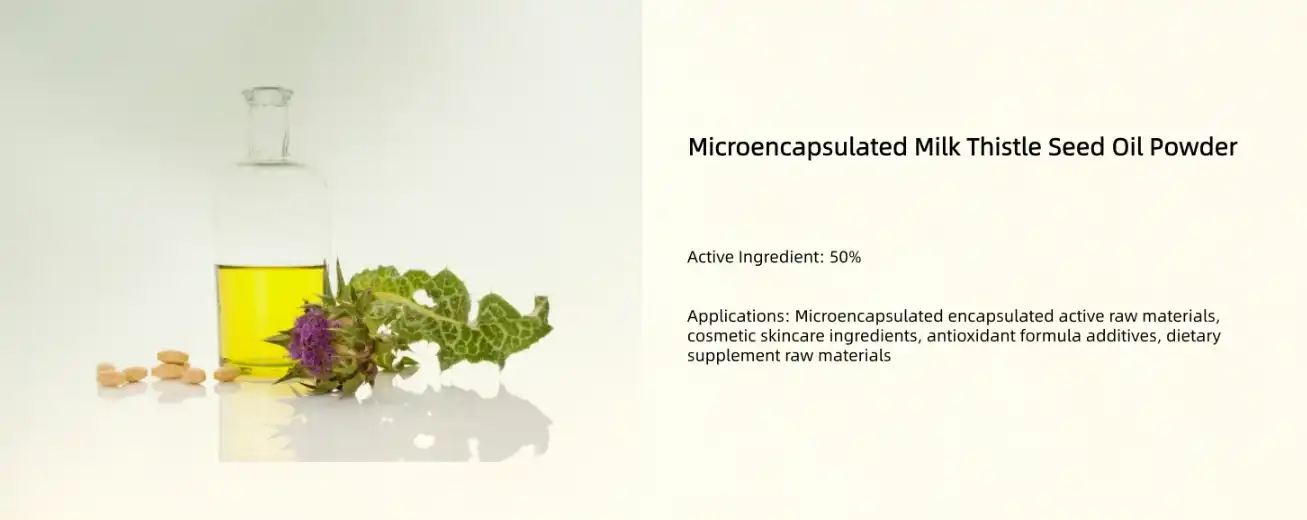
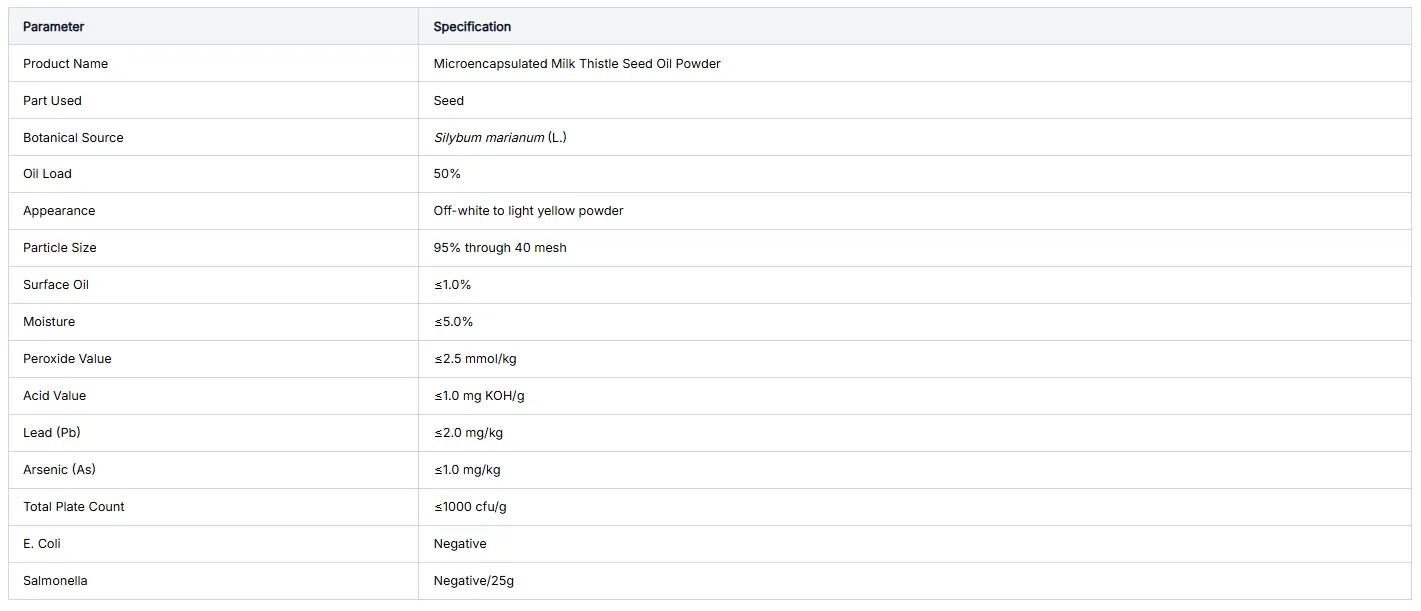
Microencapsulation does protect milk thistle seed oil from oxidation — and the evidence is clear. By enclosing cold-pressed Silybum marianum seed oil within a protective wall matrix, the process creates a physical oxygen barrier that slows lipid peroxidation and preserves key bioactives like linoleic acid and trace silymarin. Our microencapsulated milk thistle seed oil powder at Easy Health achieves a peroxide value of ≤2.5 mmol/kg and surface oil ≤1.0%, both significantly below industry averages, confirming measurable oxidative protection across the full product shelf life.
Why Milk Thistle Seed Oil Is So Vulnerable to Oxidation
A lot of polyunsaturated fatty acids, mostly linoleic acid (Omega-6), are found in milk thistle seed oil. This makes it healthy but easy to break down. Unsaturated fatty acids have two bonds that are very easy for oxygen, light, and heat to break. This sets off a process known as lipid oxidation.
The Three Main Oxidation Triggers
Oxygen is the main thing that makes bulk oil go bad. It only takes a short time for free radicals to start destroying the oil's quality within weeks if it comes into contact with air while it is being filled or packed. Light makes this process go faster by giving oxygen molecules more power. Even more oxidation happens at high processing temperatures, like those used to break up tablets and heat up drinks.
What Oxidation Does to Your Product?
Oxidation makes aldehydes and ketones, which make things smell and taste bad. These leftovers not only change the way the food tastes, but they also show customers and officials that the food quality has gotten worse. This is a big problem with the way liver health supplements are made, since how well they work is very important.
The Formulation Stability Gap
Most milk thistle oil that is liquid can be kept in a normal fridge for about six months. When it comes to supplement names, this time is too small because they have to deal with seasonal inventory, shipping to other countries, or slower retail cycles. Formulators need a stable form that can be used and keeps the bioactive properties of the oil without having to be chilled or flushed with an inert gas every step of the way. This need for extended shelf life and simplified handling makes microencapsulated milk thistle seed oil powder a practical solution for supplement manufacturers.
How Microencapsulation Solves the Oxidation Problem
In order to stop reactive instability, microencapsulation separates the oil from things in the environment that can hurt it. During spray-drying microencapsulation, the oil is mixed with wall materials, which are generally modified maltodextrin or starch-based carriers. The oil is then broken up into tiny particles by a hot air stream. These particles are dry, free-flowing, and have a solid shell around the oil core.
The Oxygen Barrier Mechanism
If you want to check molecules, the wall matrix does its job. It is possible to find out how much slower oxygen goes through the encapsulant than it does through the oil itself. There is a longer induction period (IP) in Rancimat oxidative stability tests because of this. This is what our Easy Health double-wall enclosure system does even better: Two layers of defense work together to keep the oil on the surface at a level of ≤1.0%, which is a lot lower than the normal range of 2–3% in the business.
Thermal Stability Under Processing Conditions
A lot of the lipid powders inside break down at high temperatures. This lets oil rise to the surface and makes the powders less stable and less able to flow. If you heat our encapsulation matrix to 180°C, press it directly into tablets, and mix it at high shear, the oil won't leak out. The powder can be used in both RTD beverage lines and hard tablet presses because it acts as a thermal buffer.
Bitterness Masking as a Commercial Advantage
Raw milk thistle oil has a bitter taste that comes from silymarin and other phenolic chemicals. About 90% less bitterness is found in water-based dispersion thanks to our unique double-wall flavor masking system. This directly impacts the number of people who buy chewable pills, sachet powders, or ready-to-drink liver health recipes, as well as how well those products are received by customers.
Microencapsulated Powder vs. Liquid Oil: A Direct Comparison
It's easy to see that compressed powder and liquid oil don't work as well when you look at the numbers and the real world of making vitamins.
In a business-to-business setting, these are the most important changes:
- Shelf life: Microencapsulated powder extends stability to approximately 24 months, compared to roughly 6 months for bulk liquid oil — a 4x improvement driven by the oxygen barrier and reduced surface exposure.
- Processing compatibility: The powder flows freely at 95% through 40 mesh, feeds consistently into automated capsule fillers and tablet presses, and disperses instantly in cold water without oily rings — none of which liquid oil can do reliably.
- Dosage uniformity: Each gram of powder contains a consistent 50% oil load, making batch-to-batch potency straightforward to verify by GC testing. Liquid oil blends require separate homogenization steps and are prone to phase separation.
- Clean-label positioning: Because we use 100% cold-pressed virgin oil as the core, trace silymarin (0.5–1%) is naturally retained — enabling authentic sourcing claims that refined or solvent-extracted oil powders cannot support.
Because of these differences, there is less waste during production, the product story is stronger on the shelf, and it needs to be reformulated less often. These practical benefits make microencapsulated milk thistle seed oil powder a valuable ingredient for supplement brands seeking efficiency and shelf appeal.
How to Select and Source the Right Encapsulated Oil Powder
There are different kinds of encapsulated lipid powder. The detailed papers a seller gives you can tell you more about them than the name of the product.
Critical Quality Parameters to Request
To find the encapsulation efficiency (EE), use solvent extraction to compare the total oil to the surface oil. A high EE, which is shown by oil levels below 1% on the surface, tells you right away how long the food will last and how well it will process. It is important to check that the peroxide level is ≤2.5 mmol/kg, the acid level is ≤1.0 mg KOH/g, and the heavy metal panels are full (Pb ≤2.0 mg/kg, As ≤1.0 mg/kg).
Oil Source Matters More Than You Think
Pure oil that has been cold-pressed is very different from processed oil or oil that was left over and wasn't used. Tocopherols, phytosterols, and silymarin are lost when oil is refined. This makes a lipid profile that doesn't look very clean-label. When oil is cold-pressed, it keeps all of its natural antioxidants. These help the oil stay stable and give the brand a more real look.
Certifications and Compliance Documentation
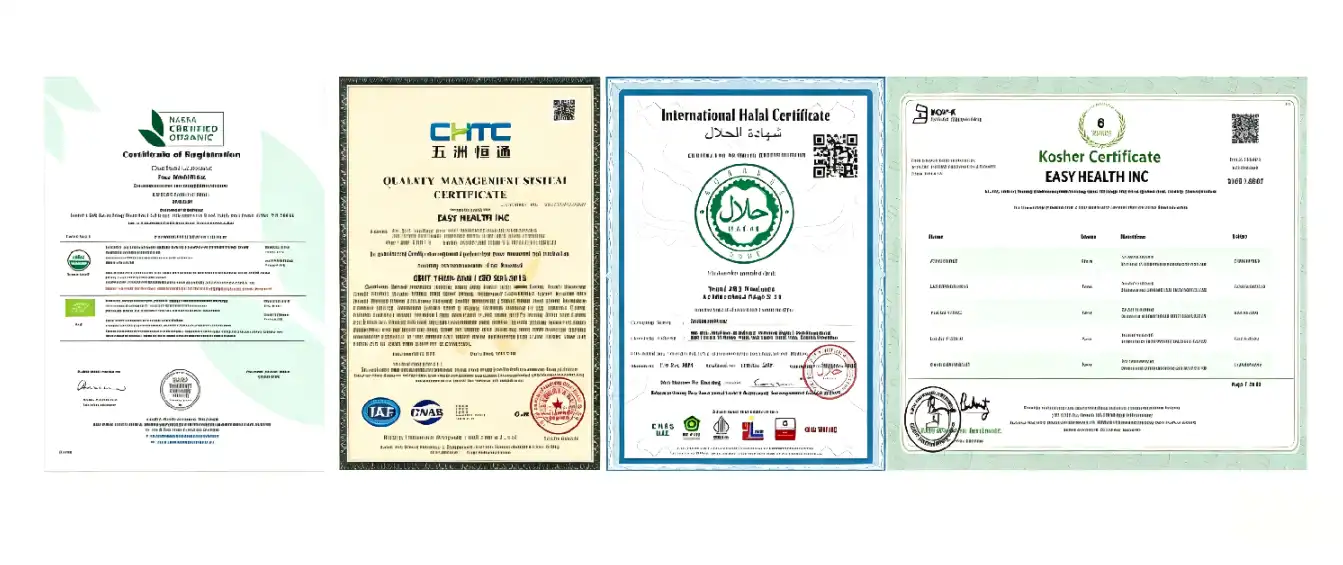
Brands need to get full approval coverage before they can sell in the US, EU, Japan, or Southeast Asia. The microencapsulated milk thistle seed oil powder made by Easy Health is approved by the FDA, ISO, Halal, and Kosher groups, and each batch comes with full COA paperwork. Microbiological safety checks are done on all of it to make sure there are no E. coli or Salmonella/25g.
Practical Formulation Guidelines
Following a few easy steps will make it easy to add concentrated milk thistle oil powder to things that are already made. Keep the powder in containers with lids that don't let air in. Store at room temperature, below 25°C, and below 60% relative humidity. For a long time, stay out of the open air while you mix.
That way, the powder doesn't have to be treated first before it can be mixed with dry ingredients to make pills and tablets. To use it in drinks, mix it with room-temperature water. The 95% through 40 mesh grain size makes it easy to break up quickly without sticking. There are different rates that should be used for each application, and our technology team should check them during small-scale tests.
Conclusion
It is true that microencapsulation keeps milk thistle seed oil from going bad. Not just an idea, this has been tested and shown to work. Cold-pressed oil, double-wall packaging, and strict quality control all work together to make a powder that tastes better, lasts longer, and works better with processing than liquid oil. If you're a product manager making unique liver health supplements for very competitive markets, this group of ingredients can really help your formulas in ways that regular silymarin extracts can't. These advantages make microencapsulated milk thistle seed oil powder a differentiated ingredient for competitive liver health supplement development.
FAQ
How long does the encapsulated powder last compared to liquid oil?
Microencapsulated milk thistle oil powder typically maintains oxidative stability for up to 24 months under proper storage conditions, compared to approximately 6 months for bulk liquid oil. This extended window is a direct result of the protective wall matrix reducing oxygen and light exposure to the oil core.
Does encapsulation affect bioavailability?
No. The starch-based wall materials dissolve readily in the gastrointestinal environment, releasing the oil core for normal absorption. Encapsulation protects bioactives during transit and storage, not during digestion.
Is the powder suitable for vegan and halal formulations?
Yes. Our wall materials are plant-based, and the product holds both Halal and Kosher certification, making it compatible with a wide range of dietary and regulatory requirements.
Can the powder handle high-temperature processing?
The encapsulation matrix is stable up to 180°C, covering pasteurization, UHT beverage processing, and most tableting conditions without oil release or degradation.
What is the minimum trial order quantity?
We accommodate small-batch sampling for formulation trials, with progression to standard MOQ for commercial production. Contact our team directly to discuss your specific requirements.
Partner With Easy Health — Your Trusted Microencapsulated Milk Thistle Seed Oil Powder Supplier
Easy Health brings more than 11 years of experience working with plant-based ingredients to every project. You can buy all of our cold-pressed microencapsulated milk thistle seed oil powder, get samples, or do trial tests. Each batch has been registered with ISO, Halal, Kosher, and the FDA. Whether you need help with an OEM recipe or a direct bulk ingredient, our team is ready to help. Email devin@easyhealthbio.com right away to get a sample.
References
1. Oomah, B. D., & Mazza, G. (1997). Functional Foods: Biochemical and Processing Aspects. Journal of Agricultural and Food Chemistry.
2. Madene, A., Jacquot, M., Scher, J., & Desobry, S. (2006). Flavour encapsulation and controlled release — a review. International Journal of Food Science & Technology.
3. Calvo, P., Castillo, M. D., & Millán, F. (2012). Stability of encapsulated bioactive lipids in spray-dried powders. Food Research International.
4. Abenavoli, L., Capasso, R., Milic, N., & Capasso, F. (2010). Milk thistle in liver diseases: past, present, future. Phytotherapy Research.
5. Gharsallaoui, A., Roudaut, G., Chambin, O., Voilley, A., & Saurel, R. (2007). Applications of spray-drying in microencapsulation of food ingredients. Food Chemistry.
6. Shahidi, F., & Han, X. Q. (1993). Encapsulation of food ingredients. Critical Reviews in Food Science and Nutrition.